Free Shoreline Fishing at Texas State Parks
We've all been there: that sudden urge to cast a line, feel the tug, and just enjoy the peace of the water, only to be stopped dead in our tracks by the looming question of fishing licenses. It can be a real hassle, especially if you're just dipping your toes into fishing, are visiting from out of state, or simply forgot to renew. But what if I told you there's a fantastic, often-overlooked opportunity right here in Texas to enjoy some quality angling without needing to buy a fishing license? This guide is going to walk you through exactly how you can fish for free from the shoreline at many Texas State Parks, making your next outdoor adventure simpler, more accessible, and truly worry-free.
The Appeal of Fishing Without a License at Texas State Parks
The thought of heading out to fish without the usual bureaucratic hurdle of a license can feel liberating, and it's a huge draw for many Texans and visitors alike. Texas State Parks offer a unique opportunity to do just that, creating an accessible entry point to the sport for families, beginners, and seasoned anglers who just want a relaxed day by the water.
Understanding the License Exemption
The Texas Parks and Wildlife Department (TPWD) has a fantastic program in place: you generally do not need a Texas fishing license to fish from shore or a pier within the boundaries of a Texas State Park. This isn't a loophole; it's a deliberate initiative designed to encourage outdoor recreation and make fishing accessible to everyone, regardless of their budget or familiarity with licensing requirements. It means you can grab your rod and reel, head to a state park with a designated fishing area, and cast away without a second thought about whether your license is current or if you've got the right endorsements. This exemption applies to both residents and non-residents, making it a perfect option for tourists who might only be in the state for a short visit and don't want to invest in a full-year license.
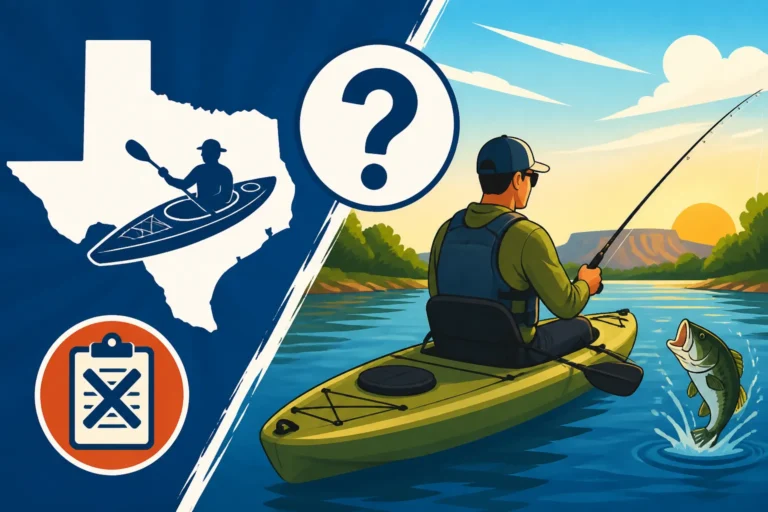
However, it’s crucial to understand the specifics. This exemption only applies when you are fishing from the bank or a pier within a Texas State Park. If you launch a boat, kayak, or canoe, even within park boundaries, and fish from that vessel, the standard Texas Fishing License Requirements Explained apply. This distinction is vital, as a park ranger will certainly check for licenses if they see you fishing from a boat. So, for those looking for true license-free angling, keep your feet on solid ground or a park-provided structure. This rule is a major benefit, especially for those interested in Free Shoreline Fishing at Texas State Parks.
Benefits Beyond Avoiding Fees
While saving money on a fishing license is a clear advantage, the perks of fishing at Texas State Parks extend far beyond just avoiding fees. For starters, many state parks boast well-maintained facilities. We're talking about paved parking lots, clean restrooms, picnic areas, and sometimes even bait and tackle shops or concession stands. This makes for a much more comfortable and convenient fishing experience, especially if you're bringing along family or young children who might need regular breaks or facilities. Imagine packing a picnic, spending a few hours fishing, and then enjoying a meal with a beautiful natural backdrop—all without the stress of needing to remember your license.
Furthermore, Texas State Parks are often actively managed for conservation and public access. Many parks include fishing piers, accessible fishing platforms, and well-marked bank fishing areas, taking the guesswork out of where you can and cannot fish. Some parks even participate in the Neighborhood Fishin' Program, receiving regular stockings of species like rainbow trout in winter or catfish in warmer months, increasing your chances of a successful outing. This deliberate management ensures a better overall experience, often leading to more consistent catches than unmanaged public access points. It's an ideal environment for beginners to learn the ropes, with relatively safe and predictable conditions.
Navigating "Designated Areas" and Park Specifics
While the no-license-needed rule at Texas State Parks is a fantastic blanket policy for shoreline fishing, it's not a free-for-all everywhere. The term "designated areas" is important here, and understanding what it means for your chosen park can make all the difference between a smooth fishing trip and a frustrating one.
What Qualifies as a "Designated Shoreline Area"?
When TPWD mentions fishing from "designated shoreline areas" within a state park, they're referring to any part of the park's bank or a pier that is openly accessible to the public for fishing. This typically includes dedicated fishing piers, jetties, bank access points along lakes, rivers, or bays, and often simply any accessible shoreline where fishing isn't explicitly prohibited by signage. Most Texas State Parks are designed with recreation in mind, so you'll usually find ample opportunities. For example, Galveston Island State Park offers fantastic bay and surf fishing from its extensive shoreline, while Inks Lake State Park provides plenty of granite outcroppings and sandy banks to cast from.
However, it's not uncommon for certain areas within a park to be off-limits for various reasons. These might include swimming areas, boat launch zones, protected wildlife habitats, or areas undergoing maintenance. Always look for signage. A common real-life scenario is arriving at a busy state park lake and seeing families swimming in one cove and anglers fishing in another. The park's management has typically established these zones to ensure safety and enjoyment for all visitors. If you're ever in doubt about whether a specific spot is fair game, just ask a park ranger or check the park's official map, usually available at the entrance or park headquarters. Better safe than sorry to avoid any misunderstanding.
Researching Your Chosen State Park
Before you even load up the car, a little homework can save you a lot of grief. While the general rule is no license for shoreline fishing, each Texas State Park can have its own nuances, specific to its ecosystem and amenities. It's always best practice to check the individual park's page on the Texas Parks and Wildlife Department website (TPWD) before your visit. These pages usually provide detailed information about fishing opportunities, species commonly caught, park maps highlighting fishing areas, and any temporary closures or special regulations. You might even find recent fishing reports or tips tailored to that specific location.
For instance, if you're planning a trip to the coast, say to Mustang Island State Park, you'd want to confirm their specific beach access points and if any areas are seasonally closed for bird nesting or other environmental reasons. For freshwater enthusiasts heading to, perhaps, Lake Tawakoni State Park, checking their site might tell you about any specific restrictions around boat docks or swimming beaches. A quick phone call to the park headquarters is also an excellent idea, especially if you have very specific questions about accessibility, current conditions, or the best spots to target certain species like Texas Crappie Fishing Guide or Texas Largemouth Bass Fishing Guide. This pre-planning ensures you arrive prepared and can maximize your time enjoying the water, rather than searching for information on the spot.
What You Still Need to Know: Rules and Regulations
Just because you don't need a fishing license doesn't mean it's a completely unregulated free-for-all. Texas State Parks are still under the purview of state fishing laws, and understanding these will keep you on the right side of the rules and ensure a responsible, enjoyable fishing experience for everyone.
Bag and Length Limits Remain in Effect
This is arguably the most crucial point for any angler taking advantage of the license exemption: all statewide Texas Fish Bag and Length Limits remain fully in effect. Whether you're targeting bass in a freshwater lake or redfish in a coastal bay, you must adhere to the legal size restrictions and daily bag limits for each species. A park ranger checking your cooler or stringer will be looking for compliance with these rules, not just your license. For example, if you catch a largemouth bass that's under the minimum length limit, it needs to be immediately released, even if you caught it within a state park.
Ignorance of these rules is not an excuse. Fines for violating bag and length limits can be substantial, often much higher than the cost of a fishing license itself. It's a good idea to carry a copy of the current Texas Outdoor Annual, either the physical booklet or the official app on your phone, to quickly reference regulations. This is especially important if you're fishing in diverse habitats or targeting multiple species. For instance, specific rules apply to Texas Freshwater Bag Limits by Species and Texas Saltwater Bag Limits by Species, and these can vary based on the body of water. Always be sure what you're catching, measure it carefully, and count your harvest to avoid any unpleasant surprises.
Prohibited Gear and Methods
Just like standard fishing regulations, certain types of gear and methods are either completely prohibited or have strict limitations, even within state parks. For the most part, standard rod-and-reel fishing with legal bait and lures is perfectly fine. However, some methods that are legal in other parts of Texas may not be allowed in state parks, or may have restrictions. For example, while trotlines and juglines are permitted in certain public waters in Texas, their use might be restricted or completely forbidden within the smaller, more concentrated fishing areas of state parks to prevent conflicts with other recreational users or to protect specific habitats.
Always consult the park-specific regulations or ask a park ranger if you plan to use anything beyond a conventional rod and reel setup. This includes methods like bowfishing, gigging, or using cast nets, all of which have their own nuanced rules. You'll also want to be mindful of bait restrictions. While live bait is generally allowed, certain non-native or invasive species might be prohibited as bait to prevent their spread. A common example here is avoiding the use of goldfish as live bait, which are often sold at pet stores but can wreak havoc if introduced into natural ecosystems. Sticking to widely accepted baits like worms, shrimp, or artificial lures is usually your safest bet to avoid any issues.
General Park Rules and Etiquette
Beyond fishing-specific regulations, remember that you're in a public park, and general park rules and etiquette apply. This means respecting the environment, other visitors, and park property. Littering is strictly prohibited and carries hefty fines; always pack out everything you pack in, including fishing line, bait containers, and any trash. Many parks have designated recycling and trash bins, so make use of them.
Noise levels are also a consideration. While a little excited chatter is fine, loud music or disruptive behavior can detract from the experience of other park-goers. Be mindful of those around you, whether they're picnicking, hiking, or also fishing. Fishing piers and popular bank spots can get crowded, especially on weekends and holidays. Be patient, give others space, and avoid casting directly over someone else's line. Practicing "leave no trace" principles ensures these beautiful natural areas remain enjoyable for everyone for years to come. This also extends to protecting wildlife; do not harass animals, and if you see a fishing line snagged on a bird or other creature, report it to park staff immediately.
Essential Gear for State Park Shoreline Fishing
One of the great things about shoreline fishing at state parks is that you don't need a boatload of expensive gear to get started. In fact, some of the most memorable fishing trips are the simplest ones. However, having the right basic setup can significantly improve your comfort and success.
Basic Rod, Reel, and Tackle Setup
For most Texas State Park shoreline fishing, a simple spinning rod and reel combo is your best friend. A medium-action rod, typically 6 to 7 feet long, paired with a matching spinning reel spooled with 8-12 pound monofilament or fluorocarbon line, will handle everything from panfish and catfish to smaller bass and even redfish in the bays. You don't need the fanciest gear out there; an affordable yet reliable beginner combo, often found on sites like Amazon or at local sporting goods stores, will do the trick. You can find many options under the category of Best Fishing Rods for Texas Anglers that are budget-friendly and effective.
Your tackle box doesn't need to be overflowing either. A few basic hooks (sizes 2 to 6 for panfish/catfish, 1/0 to 3/0 for bass/redfish), some split shot weights, a few bobbers or floats, and a selection of jigs or plastic worms will cover most situations. Live bait, like worms or shrimp, is almost universally effective for a variety of species. If you prefer artificials, a small assortment of soft plastic baits in natural colors (green pumpkin, black, white) or a few small inline spinners will serve you well. Don't forget a pair of pliers for hook removal and a small stringer or bucket to keep any fish you plan to take home. A Beginner Fishing Gear Checklist for Texas can help you organize everything you need.
Comfort and Safety Essentials
Fishing, especially from the bank, can be an all-day affair, and comfort is key to enjoyment. A comfortable, portable chair is a game-changer, allowing you to relax while waiting for a bite. Sun protection is absolutely non-negotiable in Texas. A wide-brimmed hat, polarized sunglasses (which also help you see through the water better), and plenty of sunscreen will protect you from the intense Texas sun. Even on cloudy days, UV rays are powerful. You can find excellent quality polarized sunglasses and wide-brimmed hats on Amazon that are specifically designed for anglers.
Hydration is another critical element, particularly during the long, hot Texas summers. Pack plenty of water, and consider bringing a cooler with ice to keep your drinks (and any caught fish) cold. A small first-aid kit, especially with bandages and antiseptic for minor cuts or hook punctures, is always a wise addition. Finally, consider wearing closed-toe shoes with good grip, especially if you'll be walking along uneven banks or rocky areas. Safety should always be a priority, even on a casual fishing trip. For those longer trips, a reliable cooler, perhaps from brands often reviewed in guides like Best Coolers and Live Wells for Texas Fishing, will be invaluable.
Top Texas State Parks for Shoreline Fishing
Texas is massive, and its state parks reflect that diversity, offering everything from serene hill country lakes to bustling coastal bays. Knowing which parks offer the best shoreline fishing experiences can help you plan your next license-free adventure.
Coastal Gems for Saltwater Anglers
If saltwater fishing is your passion, Texas State Parks along the Gulf Coast offer incredible opportunities for shoreline anglers. These parks provide direct access to the bays, estuaries, and even the surf, often teeming with popular species like redfish, speckled trout, and flounder.
- Galveston Island State Park: This park is a prime example of a dual-threat coastal fishing spot. You can fish the bay side for speckled trout and redfish, often wading in shallow waters or casting from designated areas. On the Gulf side, surf fishing can yield anything from whiting and drum to larger redfish and even sharks. The diversity here is astounding, and the wide-open beaches provide plenty of room to spread out.
- Mustang Island State Park: Located near Corpus Christi, Mustang Island is another excellent choice for surf fishing. Its miles of undeveloped coastline mean abundant opportunities to cast into the Gulf for various species. The park's paddling trail also offers some bank fishing access to the calmer bay waters for those seeking a less intense experience than the surf. This park is particularly known for its Texas Redfish Slot Limit Explained, making it a popular spot for targeting these iconic Texas fish.
- Goose Island State Park: Home to the famous "Big Tree," Goose Island offers excellent fishing from its pier and shoreline into Aransas Bay. It's a fantastic spot for catching speckled trout, redfish, and various panfish. The long fishing pier allows anglers to get out over deeper water without needing a boat, and the calm bay waters make it a great family-friendly option.
- Port Lavaca State Park (Lighthouse Beach): While technically a city park managed by Port Lavaca, Lighthouse Beach offers free fishing from its long pier and sandy shoreline into Lavaca Bay. It's a local favorite for catching speckled trout and redfish, and the park amenities are excellent, including restrooms and picnic areas.
Freshwater Havens Across the State
For those who prefer the tranquility of lakes and rivers, numerous Texas State Parks offer fantastic freshwater shoreline fishing. From the piney woods of East Texas to the rugged landscapes of the Hill Country, there's a park for every freshwater angler.
- Inks Lake State Park: Nestled in the Hill Country, Inks Lake is known for its clear, constant-level water, making it a reliable fishing destination even during droughts. Anglers can target largemouth bass, catfish, and various panfish from its rocky banks and dedicated fishing areas. The park's diverse shoreline offers plenty of spots to explore.
- Lake Bob Sandlin State Park: Located in East Texas, this park is a prime spot for anglers seeking largemouth bass, crappie, and catfish. The park has several fishing piers and abundant bank access, particularly good for crappie fishing around submerged timber and brush piles. It’s an ideal place for families, with plenty of amenities.
- Lake Tawakoni State Park: Famous for its trophy catfish, Lake Tawakoni also offers excellent bass and crappie fishing. The park features a long pier and numerous bank access points. Night fishing for catfish is particularly popular here. Remember, even for trophy catfish, Texas Catfish Bag Limits still apply, so know your regulations!
- Dinosaur Valley State Park: While known for its dinosaur footprints, the Paluxy River, which runs through the park, offers surprising fishing opportunities for sunfish, bass, and catfish from its banks. It’s a unique setting that combines history with recreation.
- Tyler State Park: This East Texas gem features a beautiful 64-acre spring-fed lake perfect for catching crappie, perch, catfish, and bass. The park has a fishing pier and ample bank access, making it very accessible for families and casual anglers. Its scenic setting among tall trees makes it a peaceful escape.
| State Park Name | Location Region | Water Type | Primary Fish Species (Common Shore Catches) | Notable Feature |
|---|---|---|---|---|
| Galveston Island State Park | Upper Gulf Coast | Saltwater | Speckled Trout, Redfish, Flounder, Whiting, Drum | Bay & Surf access, Extensive Shoreline |
| Inks Lake State Park | Texas Hill Country | Freshwater | Largemouth Bass, Catfish, Sunfish | Clear, Constant-Level Lake, Rocky Banks |
| Mustang Island State Park | Middle Gulf Coast | Saltwater | Redfish, Speckled Trout, Drum, Whiting | Miles of Undeveloped Surf, Bay Access |
| Lake Bob Sandlin State Park | East Texas | Freshwater | Largemouth Bass, Crappie, Catfish, Sunfish | Multiple Fishing Piers, Timbered Shoreline |
| Goose Island State Park | Middle Gulf Coast | Saltwater | Speckled Trout, Redfish, Flounder, Black Drum | Long Fishing Pier, Calm Bay Waters |
| Tyler State Park | East Texas | Freshwater | Crappie, Bass, Catfish, Perch | Spring-fed Lake, Scenic Pine Forest, Fishing Pier |
Making the Most of Your License-Free Experience
The beauty of fishing at Texas State Parks without a license is the simplicity it offers. It's an invitation to relax, connect with nature, and enjoy the sport without extra hurdles. Here's how to ensure your trip is both successful and memorable.
Tips for Success from the Bank
Bank fishing, while accessible, sometimes requires a slightly different approach than fishing from a boat. Don't let that deter you! With a few simple strategies, you can significantly increase your chances of a good catch. First, focus on structure. Look for anything that provides cover or ambush points for fish: submerged logs, rock piles, vegetation lines, drop-offs, or even shaded areas created by trees or piers. Fish naturally gravitate towards these spots for protection and food. Casting your bait or lure near these features will put it right in the strike zone. You might find a great spot by checking for areas where the Best Places to Fish in Texas are mentioned for specific park types.
Secondly, pay attention to the time of day. Early morning and late evening often provide the best fishing opportunities, especially during warmer months. Fish are more active when the sun isn't directly overhead, and they're often feeding closer to the surface. During the middle of the day, particularly in summer, fish tend to move to deeper, cooler water or seek dense shade. Lastly, don't be afraid to move around. If a spot isn't producing, pack up your gear and try another promising location along the bank or pier. Sometimes just a short walk can put you on top of a school of fish. Observing other successful anglers can also give you clues about what bait or technique is working on that particular day.
Planning a Family-Friendly Fishing Trip
Texas State Parks are truly fantastic venues for introducing kids to fishing, largely due to the license exemption and excellent amenities. When planning a family trip, keeping the kids engaged and comfortable is paramount. Start by choosing a park with easy access to the water, like a paved fishing pier or a gentle, sandy bank. This minimizes walking and ensures a safer environment. Many parks have specific "Kid's Fishing" areas that are often stocked and have fewer snags.
Consider bringing simple, easy-to-use tackle. Small spinning rods with bobbers and live bait like worms are perfect for young anglers, as they offer immediate visual feedback when a fish bites. Even if they're not catching a trophy, the excitement of watching a bobber go down is often enough. Pack plenty of snacks, drinks, and sun protection, as well as non-fishing activities like binoculars for birdwatching or a small nature scavenger hunt. The goal is to make the experience enjoyable, not just to catch fish. Remember, patience is key, both yours and theirs. Celebrating every small success, whether it's baiting a hook or landing a small sunfish, will build their enthusiasm for the sport and create lasting family memories.
Disclaimer
The information provided in this guide is for general informational purposes only and is subject to change. While efforts are made to ensure accuracy, specific regulations, park rules, and fishing conditions can vary and may be updated by the Texas Parks and Wildlife Department. Always consult the official TPWD website or contact individual state parks directly for the most current and precise information before planning your fishing trip. Adherence to all state laws and park rules is the angler's responsibility.