Do you need a license for bowfishing in Texas?
It’s easy to get tangled up in the rules and regulations when you’re venturing into a new outdoor activity, and bowfishing in Texas is no exception. Many folks wonder if this unique blend of archery and angling requires a special permit beyond a standard fishing license, or if it falls into some gray area. The short answer is yes, you absolutely need a license to go bowfishing in Texas, and understanding which license and what it covers is key to staying legal and enjoying your time on the water. This comprehensive guide will clear up all that confusion, breaking down exactly what you need to know before you draw back your bow.
Understanding Texas Bowfishing Regulations
Bowfishing might feel different from traditional rod-and-reel fishing, but in the eyes of the Texas Parks and Wildlife Department (TPWD), it’s still very much a form of fishing. This means it comes with its own set of rules, largely mirroring those for conventional angling, but with some specific nuances tailored to the gear involved. The goal is always to protect our precious aquatic resources while allowing enthusiasts to enjoy the sport.
The Basic Answer: Yes, a License is Required
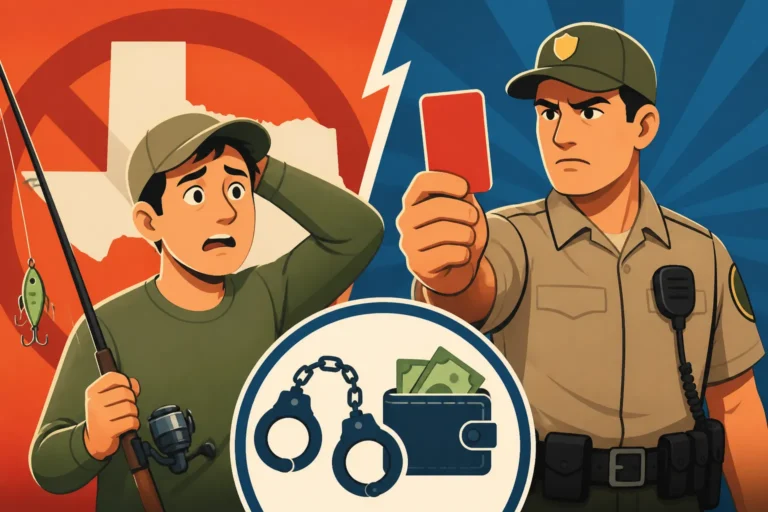
Let's cut right to it: if you plan on bowfishing in Texas, you need a valid Texas fishing license. There's no separate "bowfishing license" per se, but rather, a standard fishing license is your entry ticket. This often catches newcomers off guard because the act of shooting a fish with an arrow feels distinct from casting a line. However, the fundamental principle remains the same: you are harvesting aquatic life from public waters. Without the proper license, you could face penalties, including fines, which can certainly put a damper on what should be a fun day out.
Think of it this way: the license isn't just about the tool you use, but the activity itself – interacting with and potentially harvesting fish from the state's natural waters. This helps fund conservation efforts, habitat restoration, and the enforcement of regulations that keep our fishing healthy for everyone. So, while it might seem like an extra step, it's a vital one for the long-term enjoyment of our natural resources.
What Type of License Do You Need?
So, you know you need a fishing license, but which one? Texas offers several options, and the specific license you need for bowfishing depends on where you plan to hunt fish (freshwater, saltwater, or both) and your residency status.
For most adult residents (ages 17-84, unless otherwise exempt), the most common licenses are:
- Annual Resident Freshwater Fishing License: If your bowfishing adventures will be exclusively in lakes, rivers, and ponds, this is your primary requirement.
- Annual Resident Saltwater Fishing License: For those targeting coastal areas, bays, and the Gulf, this is what you’ll need. This license also requires a valid "Saltwater Endorsement" in addition to the base license. Many people get confused about needing an additional endorsement, but it's a mandatory part of fishing in Texas's marine environments. You can learn more about this by checking out the guide on Texas Saltwater Endorsement Explained.
- Annual Resident All-Water Fishing License: This is often the most convenient option for avid bowfishers who enjoy hitting both freshwater reservoirs and the coastal flats. It covers both freshwater and saltwater (including the necessary endorsement) in one package. It might seem like a bigger upfront cost, but if you enjoy the diverse fishing opportunities Texas offers, it’s usually the most economical and hassle-free choice.
Non-residents also need licenses, with options like the Annual Non-resident All-Water Fishing License or specific freshwater/saltwater variants. For shorter trips, there's even a Texas One-Day Fishing License for Visitors which can be a great option for a quick bowfishing excursion while passing through. The specific Texas Fishing License Cost for Residents and Nonresidents varies, so it's always a good idea to check the current rates on the TPWD website or at your local license retailer.
Who is Exempt from Bowfishing License Requirements?
While most anglers need a license, there are a few important exemptions that might apply to bowfishing as well. These exemptions are typically based on age, military status, or specific situations.
Here’s a breakdown of common exemptions:
- Youth Under 17: In Texas, any person under 17 years of age is exempt from the requirement to purchase a fishing license. This is fantastic news for families wanting to introduce their kids to bowfishing; it means the younger ones can participate without the added expense of a license. Just remember, even without a license, they still need to adhere to all bag and length limits and other regulations for the species they are targeting. You can find more specific information about Texas Youth Fishing License Rules if you're planning a trip with younger bowfishers.
- Disabled Veterans: Eligible Texas residents who are disabled veterans can obtain a free fishing license. There are specific criteria to qualify, usually involving a service-connected disability of 50% or more, or loss of use of a lower extremity.
- People Born Before 1931: If you were born before January 1, 1931, you are exempt from the general fishing license requirement. That's a great "grandfather clause" for our seasoned outdoors enthusiasts!
- Fishing on Private Property: Generally, you don't need a state fishing license to fish on private property (meaning waters wholly on private land) if you have the landowner's permission. However, this rule usually applies to ponds or lakes that do not have public access or connect to public waterways. If the water body is part of a public river or lake, or has public access points, a license is still required. Always double-check this, as it can be a common point of confusion.
- Texas Free Fishing Day: Each year, usually in June, Texas hosts a Free Fishing Day where no fishing license is required for anyone fishing in public waters. This is a fantastic opportunity to try out bowfishing without the license cost. However, remember that all other regulations, like bag and length limits, still apply on this day. It's a great way to test the waters, so to speak, if you're on the fence about getting into the sport. Keep an eye on the TPWD calendar for Texas Free Fishing Day dates.
It’s always prudent to carry proof of your exemption if you fall into one of these categories (e.g., driver's license for age, veteran ID). While wardens are generally understanding, having your paperwork in order makes any interaction smooth and quick.
What a Texas Fishing License Covers for Bowfishing
Once you have your fishing license, you might wonder what exactly it allows you to do in the world of bowfishing. It's not just about having the permit; it's about understanding the scope of what you can legally pursue and where. The license essentially designates you as a legal participant in the state's aquatic ecosystems, with the understanding that you'll follow all the rules.
Freshwater vs. Saltwater Endorsements
This is where things can get a little more specific for bowfishing. If you've purchased a Freshwater Fishing License, you are legally permitted to bowfish in all public freshwater bodies across Texas, from the vast expanses of Lake Fork and Sam Rayburn to the smaller community lakes and winding rivers. This means you can target species like common carp, buffalo, and various species of gar (excluding alligator gar in certain situations) that thrive in these environments.
On the other hand, if your passion lies in the coastal waters – the bays, estuaries, and nearshore Gulf – you’ll need a Saltwater Fishing License which must include the Saltwater Endorsement. This endorsement is crucial and allows you to bowfish for saltwater species like black drum, sheepshead, and certain species of stingrays. Without that endorsement, even with a basic fishing license, you’re not authorized to fish in saltwater. Many folks forget this detail, especially if they’re new to coastal angling, but it’s a critical component of being legal on the Texas coast.
It's paramount to understand which waters you're in. Crossing from a freshwater river into an estuary that becomes saline means your license requirements might change. Always check maps and local regulations, or err on the side of caution and get the all-water license if there's any doubt about where the freshwater ends and the saltwater begins.
The "All-Water" License Option
For the dedicated bowfisher who loves both the tranquility of a freshwater lake and the salty challenge of the coast, the Annual Resident All-Water Fishing License (or its non-resident equivalent) is often the best choice. This single license package covers both freshwater and saltwater fishing, automatically including the necessary saltwater endorsement. It simplifies everything, eliminating the need to worry about switching licenses or accidentally fishing in the wrong type of water.
While the initial cost is higher than either a standalone freshwater or saltwater license, the convenience and versatility often make it a worthwhile investment, especially if you plan multiple bowfishing trips to different parts of the state throughout the license year (which runs from September 1st to August 31st). It's essentially peace of mind bundled into one convenient document. If you're going to dive deep into all the diverse fishing opportunities Texas has, including bowfishing, it's the simplest way to go.
Important Tags and Gear Rules for Bowfishers
While bowfishing doesn't typically involve the same kind of "gear tags" as trotlines or juglines, certain general regulations regarding identifying your equipment still apply, especially if you leave gear unattended. For most active bowfishing, where you're holding your bow and actively pursuing fish, this isn't a huge concern. However, if you're utilizing any form of stationary equipment or blind, it's always wise to ensure it's clearly marked with your customer ID number or full name and address.
More critically, understanding the type of gear allowed for bowfishing is important.
- Bows: Traditional bows, recurve bows, compound bows, and crossbows are all generally legal for bowfishing in Texas.
- Arrows: Bowfishing arrows typically have special barbed tips designed to hold the fish, and they are usually tethered to the reel on your bow with a strong line. Make sure your arrows and lines are in good condition to prevent lost gear or injured fish. You can find a wide array of bowfishing arrows and reels on sites like Amazon, ensuring you have the right setup for your target species and environment.
- Lights: Many bowfishers enjoy targeting fish at night, and lights are perfectly legal to use to illuminate your quarry. Just be mindful of any local rules regarding light pollution or shining lights onto private property.
The core principle is responsible equipment use. Always make sure your gear is safe, functional, and compliant with any general fishing regulations that might indirectly apply.
Specific Species and Bag Limits for Bowfishing in Texas
This is perhaps the most critical section for any aspiring bowfisher: knowing what you can legally shoot and how many. Unlike rod-and-reel fishing where many game species are targeted, bowfishing in Texas is primarily focused on non-game fish, rough fish, and invasive species. This distinction is vital, as targeting game fish with a bow and arrow is generally illegal and carries severe penalties.
Target Species for Bowfishing
Texas offers a fantastic array of fish that are legal and popular targets for bowfishers. These species are typically abundant, often considered less desirable table fare by traditional anglers (though many are quite good to eat!), and some are even invasive, making bowfishing a helpful management tool.
Common and legal bowfishing targets include:
- Common Carp: These large, powerful fish are a favorite among bowfishers. They are found in nearly all freshwater bodies and put up an excellent fight.
- Buffalo (Smallmouth, Bigmouth, Black): Similar to carp, these large filter feeders are prevalent in many Texas lakes and rivers. They grow to impressive sizes and are challenging targets.
- Gar (Longnose, Shortnose, Spotted): These prehistoric-looking fish are iconic Texas residents. While common, longnose, and spotted gar are popular bowfishing targets, the regulations for alligator gar are much stricter and require careful attention.
- Tilapia: An invasive species, particularly prevalent in warmer waters, tilapia are often targeted by bowfishers as a way to help control their populations.
- Suckers: Various species of suckers are also legal and can provide good sport.
- Drum (Freshwater Drum, Black Drum): Freshwater drum are found in many lakes and rivers. On the coast, black drum are a popular target for saltwater bowfishers.
- Stingrays: Certain species of stingrays are legal to bowfish in saltwater, offering a unique coastal challenge.
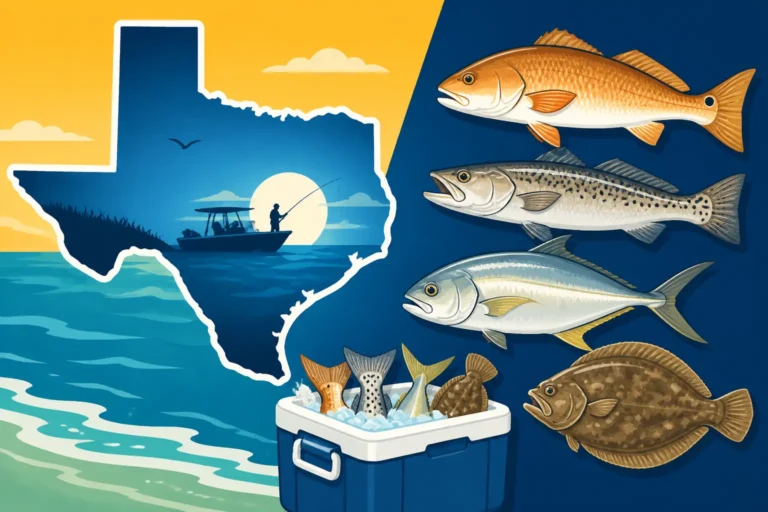
It’s crucial to know what not to shoot. Generally, it is illegal to bowfish for any game fish species. This includes popular fish like largemouth bass, crappie, catfish, sunfish, redfish, and speckled trout, even if you have an appropriate fishing license. The method of harvest (bow and arrow) is not permitted for these species. Accidentally shooting a game fish can lead to serious legal trouble, so positive identification of your target is paramount before you release an arrow. When in doubt, don't shoot!
Length and Bag Limits to Remember
Just because you can shoot a particular species doesn't mean you can shoot as many as you want, or any size you want. General fishing regulations, including daily bag limits and length limits, still apply to bowfishing for most species.
Here's what you need to pay close attention to:
- Alligator Gar: This is the species with the most specific and variable rules. For most of Texas, the daily bag limit for alligator gar is one per day, with no minimum length limit. However, certain water bodies, like the Trinity River, have special regulations or seasonal restrictions. Additionally, harvesting large alligator gar (over 48 inches) from specific "Alligator Gar Trophy Only" zones may require a special tag acquired through a drawing. It is absolutely critical to consult the most current Texas Alligator Gar Fishing Guide and the TPWD Outdoor Annual for the specific body of water you plan to fish, especially if you're targeting big ones. The rules can change, so always be informed.
- Other Gar Species (Longnose, Shortnose, Spotted): These species typically have a combined daily bag limit of five per day. There are no length limits for these common gar species.
- Common Carp, Buffalo, Tilapia, Suckers: Generally, there are no daily bag or length limits for these species, meaning you can harvest as many as you legally and ethically can. However, always verify this in the current regulations for the specific area.
- Black Drum (Saltwater): For saltwater bowfishing, black drum typically have a slot limit (e.g., 14-30 inches) and a daily bag limit (e.g., 5 fish per day). Any fish outside the slot limit must be released.
- Sheepshead (Saltwater): Similar to black drum, sheepshead often have size and bag limits.
The bottom line: always consult the current Texas Parks and Wildlife Department Outdoor Annual before each bowfishing trip. You can find this online or pick up a physical copy at most license retailers, including places like Academy Sports + Outdoors or Walmart. Ignorance of the law is not an excuse, and a quick check can save you from a costly citation.
The Importance of Responsible Bowfishing
Beyond just legal requirements, responsible bowfishing is a huge part of being a good steward of our natural resources. This includes:
- Positive Identification: As mentioned, ensure you know what you're shooting. Don't take a shot if you can't clearly identify the species.
- Ethical Harvest: If you shoot a fish, retrieve it. Don't leave wounded fish to suffer or abandoned fish to rot. Have a plan for what you will do with your harvest, whether it's for consumption, bait, or disposal. Many rough fish like carp and buffalo are excellent to eat if properly prepared, and alligator gar is a highly sought-after delicacy.
- Respecting Property and Other Anglers: Be mindful of where you're shooting. Avoid private property, designated swimming areas, or crowded fishing spots where your activity might pose a safety risk or disturb others.
- Conservation: While many bowfishing targets are abundant, responsible harvesting ensures healthy populations for the future. Consider participating in clean-up efforts or sharing your knowledge with new bowfishers to promote good practices.
How to Obtain Your Texas Bowfishing License
Getting your Texas fishing license is a straightforward process, designed to be as convenient as possible for anglers. You have several options, so you can choose the method that best suits your schedule and preferences.
Online, In-Person, and Phone Purchase Options
The Texas Parks and Wildlife Department has made it incredibly easy to acquire your fishing license.
- Online: This is by far the most popular and convenient method for many. You can purchase your license directly from the TPWD website anytime, day or night. All you need is an internet connection, a valid form of identification (like your Texas driver's license), and a credit card. Once purchased, you'll receive a confirmation and often a printable temporary license. Many anglers now rely on the "My Texas Hunt Harvest" app, which can display your digital license on your phone – a super convenient way to ensure you always have proof. This makes it easy to comply with the requirement to Do you have to carry your Texas fishing license while fishing?.
- In-Person: If you prefer a tangible license in hand immediately or have questions, you can visit one of the thousands of authorized license retailers across the state. This includes most Academy Sports + Outdoors stores, Walmart locations, independent sporting goods stores, bait shops, and even some county clerk offices. This is a great option if you're running errands and want to grab your license at the same time. You can often ask for specific advice on local regulations at these retailers as well. If you're wondering Where to Buy a Texas Fishing License In Person, these are your go-to spots.
- By Phone: For those who prefer talking to a person, you can call the TPWD's license sales line. They can assist you with purchasing your license over the phone, and then either mail it to you or provide instructions for printing a temporary one. This can be particularly useful if you have specific questions about license types or exemptions.
Regardless of how you purchase it, remember that your Texas fishing license is valid from September 1st through August 31st of the following year. This means if you buy a license in June, it will still expire on August 31st, not a full year from your purchase date. This is an important detail to remember when planning your purchase, as explained in Texas fishing license year explained: why it ends August 31.
What You'll Need to Purchase a License
The requirements for purchasing a license are fairly minimal, making the process quick and painless.
- Identification: For Texas residents, a valid Texas Driver's License or Texas ID Card is usually sufficient. Non-residents will need a valid government-issued ID from their home state or country. Your ID helps confirm your residency status, which affects the license price.
- Proof of Residency: If you're a new resident or your ID doesn't reflect your current Texas address, you might need additional proof of residency, such as a utility bill with your name and address.
- Payment: A credit card is required for online and phone purchases. In-person retailers will accept cash, debit, or credit cards. Remember there might be a small administrative fee, especially for online purchases. To understand the full cost, you might want to look at Texas fishing license cost with the $5 admin fee included.
Keeping Your License Handy (Digital vs. Physical)
It's not enough to just buy the license; you must have proof of it with you while you're fishing. Game wardens are diligent about checking licenses, and being caught without one can result in a fine.
- Physical License: If you purchase in person, you'll get a physical license card. Keep this in a waterproof holder in your tackle box, wallet, or boat bag.
- Digital License: The TPWD "My Texas Hunt Harvest" mobile app is a fantastic tool. After purchasing online or in person, you can usually link your license to the app, displaying it digitally on your smartphone. This has become the preferred method for many, as most people always have their phones with them. Just ensure your phone is charged! Having your license readily available, whether physical or digital, shows respect for the regulations and the officers who enforce them.
Texas Bowfishing Target Species and Key Regulations
Here’s a quick overview of some common bowfishing targets in Texas and their general regulations. Always consult the official TPWD Outdoor Annual for the most current and specific rules for your planned location.
| Species Category | Common Examples | Legal for Bowfishing? | Daily Bag Limit | Length Limit | Key Considerations |
|---|---|---|---|---|---|
| Non-Game Fish | Common Carp, Grass Carp, Bigmouth Buffalo, Tilapia | Yes | None | None | Abundant in freshwaters, often invasive (Tilapia, Grass Carp). Great sport. |
| Gar Species | Longnose Gar, Spotted Gar, Shortnose Gar | Yes | 5 combined | None | Widespread in freshwaters, good table fare for some. |
| Alligator Gar | Alligator Gar | Yes | 1 | None (generally) | Critical to check specific water body rules. Trinity River, special drawing areas have stricter rules. Max length limits may apply in certain areas. |
| Freshwater Drum | Freshwater Drum | Yes | None | None | Common in many freshwater lakes and rivers. |
| Saltwater Rough Fish | Black Drum, Sheepshead, Stingrays | Yes | Varies by species | Varies by species (e.g., slot limits for Black Drum) | Requires Saltwater Endorsement. Check specific limits for each species. |
| Game Fish | Largemouth Bass, Crappie, Catfish, Redfish, Trout | No | N/A | N/A | Illegal to harvest with a bow and arrow. Positive identification is crucial. |
Note: This table provides general guidance. Always refer to the current Texas Parks and Wildlife Department Outdoor Annual for definitive and up-to-date regulations.
Bowfishing offers a truly exhilarating and unique way to experience Texas’s abundant fisheries. By understanding and adhering to the licensing requirements and regulations, you ensure that you’re not only enjoying a fantastic outdoor sport but also contributing to the conservation efforts that keep our waters healthy for generations to come. So grab your bow, get your license, and get ready for some exciting action on the water! You might even find some useful resources, like specialized bowfishing reels or arrow tips, available on Amazon to enhance your setup.
Disclaimer
The information provided in this guide is for general informational purposes only and does not constitute legal advice. Fishing and hunting regulations in Texas are subject to change. Always consult the most current Texas Parks and Wildlife Department Outdoor Annual or their official website for the definitive and most up-to-date regulations before engaging in any fishing activities. Compliance with all applicable laws and regulations is your responsibility.