How to sight cast for redfish
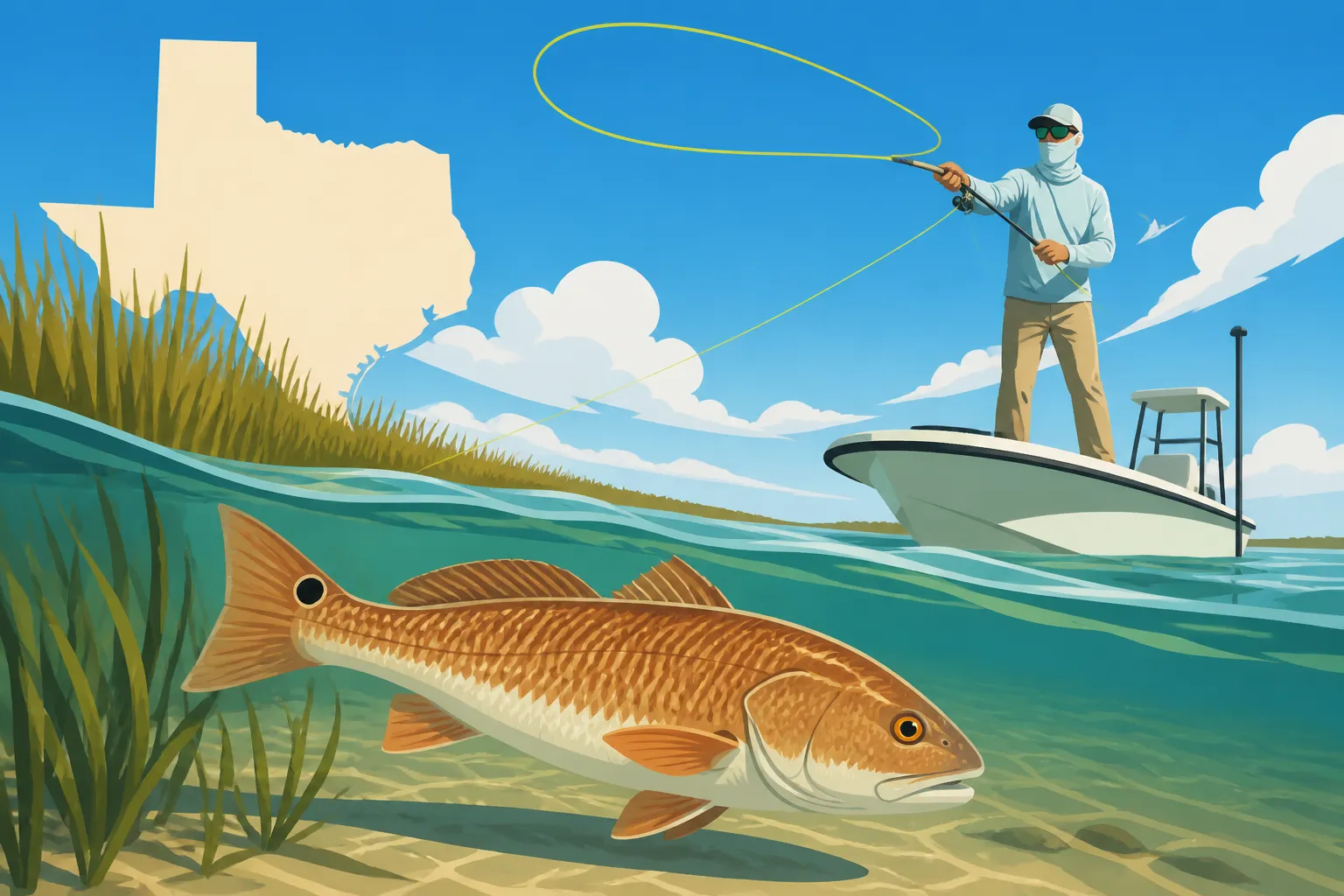
There's nothing quite like the rush of scanning the shallow Texas flats, catching a glimpse of a copper flash, a subtle wake, or even a tail waving in the air, and then making the perfect cast to a redfish you've visually targeted. But let's be honest, for every successful sight cast, there are probably a dozen times we've squinted, second-guessed, and ultimately cast to an empty ripple, or worse, spooked a beautiful fish we barely saw. This guide is all about helping you sharpen your senses and your technique to make those frustrating moments fewer and far between, turning more of those fleeting sightings into unforgettable catches.
The Elusive Redfish: Understanding Their Habits for Better Spotting
Sight casting for redfish in Texas bays and estuaries is a phenomenal challenge, primarily because these fish are masters of camouflage and often prefer extremely shallow water where they can be incredibly wary. To truly excel, you need to think like a redfish and understand their environment. It’s not just about looking at the water, but looking through it, and knowing what tells to seek out.
Where Redfish Hide and Hunt
Redfish, or red drum as they’re also known, thrive in the shallow, grassy flats, oyster reefs, and muddy bottoms of our coastal waters. They are opportunistic feeders, constantly grubbing for crabs, shrimp, and small baitfish. This means they're often in water so skinny that their backs are out, or they're stirring up the bottom. Their copper coloration, mottled patterns, and often muddy surroundings make them incredibly difficult to distinguish from the bottom, even in clear water. Understanding their typical haunts – edges of grass beds, potholes, sandy pockets within oyster reefs, and around isolated structures – is your first step to narrowing down your search.
During cooler months, especially after a cold front, redfish might push into slightly deeper channels or stay huddled in mud pockets for warmth, becoming less active. Conversely, on a warm, sunny day with a rising tide, they’ll spread out onto the shallowest flats, tails waving in the air as they feed. Knowing these general patterns helps you anticipate where they might be, even if you can't see them directly. Always remember that redfish are creatures of comfort and opportunity, so focus your efforts on areas that offer food and shelter, depending on the tide and weather.
Reading the Water for Subtle Clues
The key to sight casting is not always seeing the entire fish, but rather interpreting the subtle disturbances they create. Often, you're not seeing the fish itself, but evidence of its presence. A "push" is a V-shaped wake on the surface, indicating a fish moving just below. This can be a redfish, but it could also be a mullet, so you need to learn to differentiate. A redfish push tends to be more deliberate and less erratic than a mullet's, often moving towards an ambush point or feeding area.
"Tailing" is arguably the most exciting clue. This happens when a redfish is grubbing head-down on the bottom in super shallow water, and its tail breaks the surface, waving like a flag. This is a dead giveaway that a feeding fish is nearby. You might also spot mud boils – clouds of stirred-up sediment – indicating a redfish has just rooted around for a meal. Sometimes, a slight discoloration or shadow that seems "out of place" can be the back of a redfish. It takes immense patience and focus to recognize these signs, but once you train your eyes, the flats truly come alive.
Equipping Yourself for the Sight Fishing Hunt
Sight casting isn't just about a keen eye; it's also about having the right tools to maximize your visibility and presentation. The gear you choose can make a monumental difference in your ability to spot fish and then effectively present a lure without spooking them.
The Unsung Hero: Polarized Sunglasses
If there’s one piece of gear that is absolutely non-negotiable for sight casting, it’s a high-quality pair of polarized sunglasses. These aren’t just for sun protection; they cut through the glare on the water's surface, allowing you to see into the water column and spot fish that would otherwise be invisible. Without them, you're truly fishing blind. Different lens colors can be more effective in varying light conditions: amber or copper lenses are great for cloudy days or lower light, enhancing contrast, while grey or blue lenses are excellent for bright, sunny conditions to reduce overall brightness.
It's worth investing in a good pair. You don't necessarily need the most expensive brand, but ensure they offer true polarization and comfortable fit for long hours on the water. Many anglers find a good selection of quality polarized sunglasses on Amazon, offering various price points and lens options. The difference they make is so profound that it’s almost like having X-ray vision compared to going without. Make sure to keep them clean and scratch-free, as smudges or imperfections can severely hinder your vision and lead to missed opportunities.
Rod, Reel, and Line for Pinpoint Accuracy
For sight casting, precision and a delicate presentation are paramount. You’ll want a medium-light to medium power spinning rod, typically 7 to 7.5 feet in length, with a fast action tip. This combination allows for long, accurate casts with lighter lures, and the fast action provides the sensitivity to feel subtle bites and the backbone to fight a strong redfish. Paired with a lightweight spinning reel in the 2500-3000 size range, spooled with 10-15 lb braided line, you'll have a setup that offers both casting distance and strength.
Braided line is crucial because it has minimal stretch, offering superior sensitivity to detect light bites and allowing for solid hooksets, even at a distance. More importantly, its thin diameter relative to its strength aids in casting distance. A fluorocarbon leader of 15-20 lb test, about 2-3 feet long, should be tied to your main line. This provides a nearly invisible connection to your lure, which is vital in clear, shallow water where redfish can be leader shy. The leader also offers abrasion resistance against oyster shells and rough bottoms. For an excellent overview of different line choices, check out our guide on Best Line for Texas Bass Fishing.
Lures That Tempt and Don't Spook
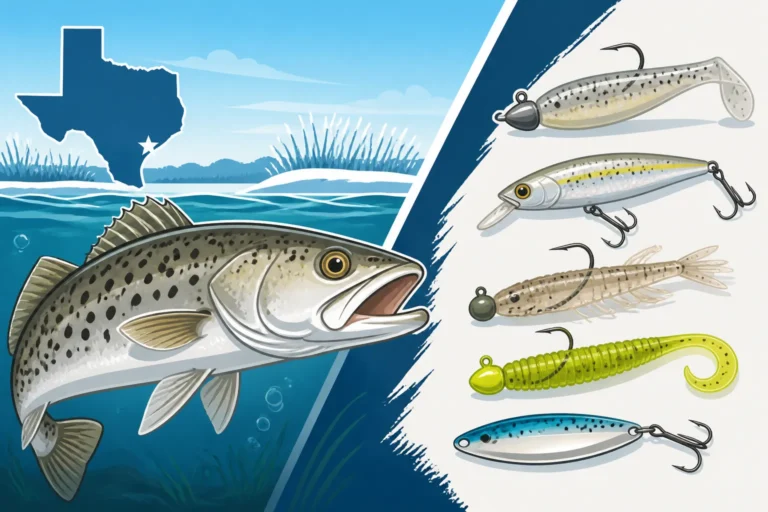
The right lure choice for sight casting is often about mimicking natural forage and presenting it gently. Soft plastics are king here. Shrimp imitations, small paddle tails, and grub tails in natural colors like clear, white, or chartreuse are highly effective. A very light jig head (1/8 to 1/4 ounce) is key to a slow, natural fall and shallow presentation that won't splash down too aggressively and scare the fish. You want the lure to land softly and not create a commotion.
Topwater lures can also be incredibly exciting for sight casting, especially on calm mornings. Walk-the-dog style baits or poppers can entice an aggressive strike, but they require a more accurate and softer landing to avoid spooking a wary fish. Don't be afraid to experiment with weedless hooks if you're fishing in heavy grass; a weedless presentation allows you to throw into prime habitat without getting snagged. Sometimes, a live shrimp or small mud minnow under a small popping cork, or even free-lined, can be irresistible if redfish are being particularly finicky.
Mastering the Art of the Spot-and-Cast
Once you have your gear and a general understanding of redfish habits, it’s time to put it all together. This is where the magic (and frustration!) of sight casting truly lies, combining observation, precision, and quick thinking.
Scanning Strategies and Visual Cues
Effective scanning is a practiced skill. Don't just stare aimlessly at the water. Instead, use a systematic approach, looking for those subtle clues we discussed earlier. Start by scanning the water from left to right, or right to left, focusing on a strip of water perhaps 20-30 feet wide, slowly moving your gaze forward. Avoid quick, jerky movements that might miss a fleeting sign. The sun angle is crucial; ideally, you want the sun at your back or side, shining over your shoulder, to minimize glare and maximize visibility. This is especially true when you are trying to learn How to Catch Redfish in Shallow Water.
If you're in a boat or kayak, maintain a slow, stealthy approach. A trolling motor on low speed or poling quietly allows you to cover ground without sending vibrations through the water that could spook fish. Always remember to look for movement against the current. If the current is flowing from left to right, look for a "push" or movement going right to left, as this indicates a fish actively swimming, not just drifting. Pay close attention to changes in bottom color, shadows, and any unusual ripple patterns that don't match the general chop. The goal is to see the fish before it sees you. For more tips on finding prime areas, check out Best Wade Fishing Spots in Galveston Bay or Matagorda Bay Redfish Fishing Spots.
The Precision Cast: Delivery is Everything
Once you spot a redfish, the clock starts ticking. The next step is a quick, accurate, and soft cast. The biggest mistake beginners make is casting directly at the fish. This usually results in the lure splashing down too close, sending the redfish fleeing. Instead, you want to lead the fish by several feet, casting beyond it and allowing the lure to settle quietly into the water before retrieving it into the fish’s strike zone. A general rule of thumb is to cast about 5-10 feet in front of and slightly beyond the fish's path, then retrieve it across its nose.
Mastering a sidearm or roll cast can be incredibly beneficial in windy conditions, keeping your lure low to the water and preventing it from being blown off course. Practice making these soft, accurate casts in your yard, aiming for targets at varying distances. When the lure lands, let it sink naturally for a moment before beginning a slow, twitching retrieve that mimics a fleeing shrimp or crab. The retrieve speed is vital; often, slower is better, giving the fish time to notice and react without feeling pressured.
Crucial Considerations: Wind, Sun, and Spooking Fish
Wind is both a friend and foe. A light chop can break up your silhouette and make it harder for fish to see you, but too much wind makes spotting nearly impossible and casting extremely difficult. Ideally, a light breeze that creates a ripple but not whitecaps is perfect. The sun's position, as mentioned, is critical. Always try to work with the sun at your back for optimal visibility. This might mean adjusting your approach path or waiting for the right time of day.
Avoiding spooking fish is a constant battle. This means silent movements, gentle casts, and sometimes, knowing when not to cast. If a fish is facing directly away from you, it's a prime target. If it's facing towards you, it's likely to see you long before you can present a lure. If you do accidentally spook a fish, don't despair. Sometimes, they'll only move a short distance and settle down again. Mark where they went and approach stealthily to try again. Patience and persistence are key virtues in sight casting for redfish. For more about redfish habits and preferred environments, you might find our Texas Redfish Fishing Guide particularly useful.
Disclaimer
This article is for general informational purposes only and does not constitute professional advice. Laws, prices and regulations vary by location and change over time. Consult a qualified professional for guidance on your specific situation.