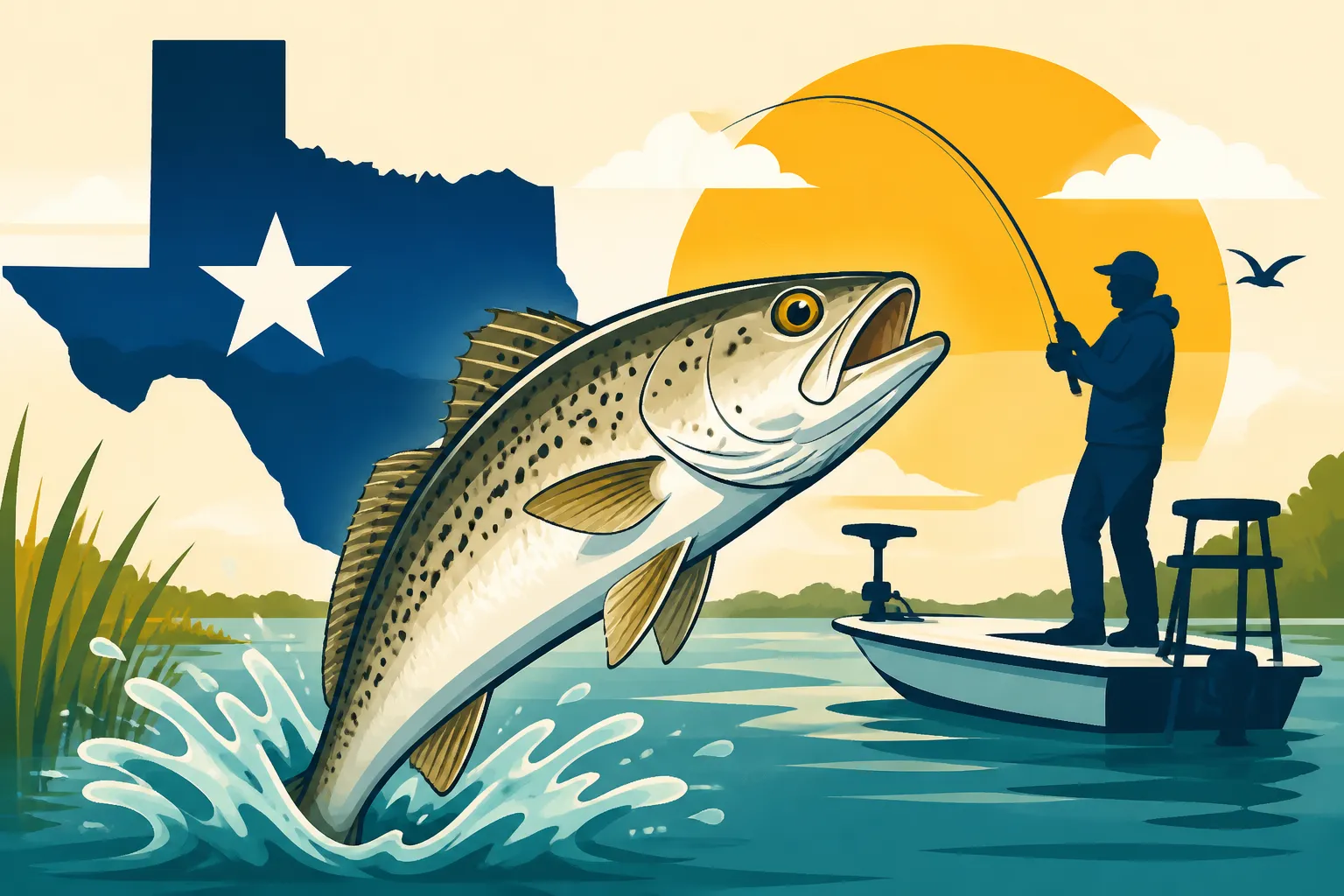
Texas Speckled Trout Fishing Guide
Oh, the Texas speckled trout! There's something truly magical about hooking into one of these silver-flanked beauties, whether you're wading a glassy flat at dawn or battling a feisty one from a jetty. But let's be real, while they're abundant, consistently finding and catching these smart, often finicky fish can feel like trying to solve a puzzle. If you've ever spent a day on the water wondering what you're doing wrong, this comprehensive guide is here to unravel the mysteries of Texas speckled trout fishing, offering you the insights you need to turn those frustrating days into memorable catches.
Understanding the Texas Speckled Trout
Before we even cast a line, it's incredibly helpful to get to know our target. Speckled trout, or "specks" as we affectionately call them, are more than just a pretty fish; they're an integral part of the Texas coastal ecosystem and a prized catch for anglers of all skill levels. Understanding their habits, what makes them tick, and where they prefer to hang out can drastically improve your success rate.
What Makes Speckled Trout So Special in Texas?
Texas speckled trout hold a special place in the hearts of coastal anglers, and for good reason. They're not just fun to catch; they're absolutely delicious, making them a dual-threat species that offers both sport and a fantastic meal. What sets them apart is their incredible adaptability. You can find them thriving in a wide range of estuarine environments, from the shallow, grassy flats of Laguna Madre to the deeper channels of Galveston Bay. This versatility means that no matter where you are along the Texas coast, there’s a good chance you’re near prime speckled trout habitat. Their aggressive strikes, especially during a strong bite, are legendary, often leaving your rod bent double and your heart pounding. Plus, they can grow to impressive sizes here in Texas, with trophy-sized "gator trout" (often referring to larger specimens) being the ultimate prize for many.
Beyond their angling appeal, speckled trout are also vital ecological indicators. A healthy speckled trout population usually signifies a thriving bay system, full of baitfish, shrimp, and other small crustaceans that form the base of their diet. They represent a cornerstone of our coastal fishery, supporting not just recreational anglers but also the charter boat industry and local bait shops. The pursuit of specks often leads anglers to discover the incredible beauty and diversity of the Texas coast, fostering a deep appreciation for conservation and sustainable fishing practices. It's truly a species that connects us to the very pulse of our coastal waters.
Identifying Texas Speckled Trout and Their Cousins
Spotting a speckled trout is usually pretty straightforward once you know what to look for, but it's worth understanding how they differ from some of their saltwater cousins. A true speckled trout (Cynoscion nebulosus) has a sleek, silvery body, often with a hint of gold on its sides, fading to white on its belly. The most distinctive feature, and the one that gives them their name, are the prominent black spots scattered across their back and dorsal fin, extending down to their tail. These spots are irregular and can vary in size and number from fish to fish. They also have two prominent canine-like teeth in the upper jaw, which are hard to miss if you've ever had a finger too close to their mouth!
It's easy to confuse them with other drum family members, like the sand trout or even a small red drum. Sand trout (silver trout) are typically more uniformly silver, lack the distinct spots, and don't grow as large. Young red drum (redfish) will have a single, prominent black spot on their tail, and their body shape is generally more robust and bronze-colored. The key is to look for those numerous, scattered black spots and the characteristic body shape. For a more detailed look at identifying different species, you might want to check out our Texas Speckled Trout Identification Guide, which covers all the nuances. Knowing what you’ve caught is not only satisfying but crucial for adhering to specific bag and length limits.
The Life Cycle and Habitat Preferences of Speckled Trout
The life cycle of a speckled trout is a fascinating journey that dictates where and when we find them. They typically spawn in shallow, grassy areas of the bays during warmer months, usually from spring through late summer, with peaks often occurring in May and June. During this time, the males make a drumming sound to attract females. After spawning, the tiny larvae grow quickly, feeding on plankton, then progressing to small shrimp and baitfish as they mature. Speckled trout are relatively fast growers, often reaching legal size within a year or two, though growth rates can vary significantly based on food availability and environmental conditions.
Throughout their lives, speckled trout are highly habitat-dependent. They are primarily estuarine fish, meaning they live in the brackish waters where freshwater rivers meet the saltwater of the Gulf. They love areas with plenty of structure and cover, which provides ambush points for hunting and protection from predators. This includes seagrass beds, oyster reefs, mud flats, shell bottoms, mangrove stands, and even man-made structures like piers, jetties, and channel markers. These areas are rich in the baitfish (like mullet and pinfish) and shrimp that make up the bulk of their diet. Their movements are often dictated by tides, water temperature, salinity, and the availability of food. Understanding these preferences is the first step in consistently finding these elusive fish.
Essential Gear for Texas Speckled Trout Fishing
You don't need to break the bank to catch speckled trout, but having the right tools for the job can make a world of difference. Investing in quality gear that's suited for saltwater environments will not only last longer but also enhance your overall fishing experience. From the rod in your hand to the lure on your line, each component plays a role in your success.
Rods and Reels for Speckled Trout
When it comes to rods and reels for speckled trout, versatility and sensitivity are key. You want a setup that's light enough to feel those subtle bites but strong enough to handle a hard-fighting speck, especially a trophy-sized "gator." For most Texas bay and surf fishing, a medium-light to medium power spinning rod, typically 6'6" to 7'6" in length, is ideal. This length offers good casting distance, crucial for covering water, and enough backbone to control a fish. The fast action tip is also important, as it allows for quick hook sets and better sensitivity to detect soft takes. If you prefer baitcasting setups, a similar power and action rod will serve you well, though spinning gear tends to be more popular for its ease of use and ability to cast lighter lures.
Pairing your rod with a quality spinning reel in the 2500 to 3000 size range is a solid choice. Look for reels designed for saltwater use, featuring corrosion resistance, a smooth drag system, and a comfortable retrieve. A smooth drag is paramount when a big speck decides to run, preventing line breaks. Brands like Shimano, Daiwa, and Penn offer excellent options across various price points. Many anglers find great deals on reliable saltwater spinning reels on platforms like Amazon, making it easy to gear up without leaving your couch. Whatever you choose, make sure it feels balanced in your hand; you'll be making a lot of casts!
Line, Leaders, and Terminal Tackle Essentials
Your choice of line, leader, and terminal tackle is just as critical as your rod and reel, forming the direct connection between you and the fish. For main line, many experienced anglers opt for braided line, typically 10-20 lb test, due to its incredible sensitivity, thin diameter (allowing for longer casts), and strength. The lack of stretch in braid transmits even the slightest tap directly to your hands. If you prefer monofilament, 10-12 lb test is a good starting point, offering some stretch and good knot strength.
Regardless of your main line, a fluorocarbon leader is almost always recommended for speckled trout. Fluorocarbon is nearly invisible underwater, which can be a huge advantage when fishing for wary specks in clear water. It also offers excellent abrasion resistance against oyster shells and fish teeth. A 15-20 lb test fluorocarbon leader, about 2-3 feet long, connected to your main line with an FG knot or a double uni knot, is a standard setup. For terminal tackle, you'll need a selection of appropriate jig heads (1/8 oz to 1/2 oz being common, depending on depth and current), popping corks, and possibly some small treble hooks if you're throwing suspending baits. Having a variety of weights in your jig heads ensures you can adapt to different conditions, from shallow flats to deeper channels.
Must-Have Lures and Baits for Specks
Speckled trout are not overly picky eaters, but certain lures and baits consistently outperform others in Texas waters. Soft plastics rigged on a jig head are arguably the most versatile and effective lures. Shrimp imitations, paddle tails, and curly tail grubs in colors like chartreuse, white, natural shrimp, and "plum-chartreuse" are deadly. Retrieve them with a subtle twitch-twitch-pause action to mimic a struggling baitfish or shrimp. When the water is clear and the fish are aggressive, topwater lures can provide some of the most exciting strikes imaginable. Walk-the-dog style baits in bone, chrome, or natural baitfish patterns can provoke explosive strikes, especially during low light conditions or over shallow grass flats.
For suspending or slow-sinking twitchbaits, especially in cooler water or when fish are lethargic, lures that mimic mullet or other baitfish are excellent. Again, natural colors are often best, but a little flash can go a long way. And let's not forget the power of live bait! Live shrimp under a popping cork is an absolute trout magnet. The "pop" of the cork attracts attention, and the live shrimp does the rest. Live finger mullet, mud minnows, and pilchards are also incredibly effective, especially for targeting larger trout. Having a good bait bucket or a portable aerator for your live bait is a wise investment, often available on Amazon, to keep your offerings fresh and lively throughout your fishing trip. Experimentation is key; what works one day might not work the next, so be prepared with a diverse selection.
Prime Locations for Speckled Trout in Texas
One of the great things about speckled trout fishing in Texas is the sheer diversity of productive spots. From vast, shallow bays to the pounding surf, specks can be found in a multitude of environments, each requiring a slightly different approach. Knowing where to look based on conditions and time of year is a game-changer.
Fishing the Shallow Texas Bays and Flats
Texas is renowned for its expansive shallow bay systems, which serve as crucial nurseries and feeding grounds for speckled trout. Areas like the Laguna Madre, Aransas Bay, and Galveston Bay are iconic for their productive flats. These shallow waters, often just knee-deep or less, are prime for wade fishing and kayak angling. Trout flock to these areas because of the abundant seagrass beds and oyster reefs, which teem with shrimp, crabs, and baitfish. The grass provides cover and ambush points, while the oyster reefs offer structure and attract a myriad of smaller organisms that trout feed on.
When fishing the flats, look for subtle signs of life: nervous baitfish skipping across the surface, diving birds, or even the distinct "pop" of a trout feeding on topwater. Pay close attention to current lines, depth changes, and the edges of grass beds. A rising tide often pushes bait into these shallower areas, making them excellent feeding grounds. Conversely, a falling tide might concentrate trout in specific drains or deeper pockets. Casting soft plastics or topwaters over grass flats during cooler months or low-light periods can be incredibly productive. For detailed insights on specific locations, our guides on Galveston Bay Fishing Spots or Aransas Bay Fishing Spots can offer more specific intel.
Jetties, Piers, and Passes: High-Traffic Trout Zones
For anglers seeking consistent action without needing a boat, Texas's jetties, piers, and passes are speckled trout hotspots. The large rock structures of the jetties, such as those at Galveston, Port Aransas, or Port Mansfield, extend far into the Gulf, creating ideal habitat. The rocks provide shelter, ambush points, and attract a rich food source, from small crabs to schooling baitfish. Passes, which are the natural or man-made openings between barrier islands and the Gulf, act as major highways for baitfish and migratory species, including trout.
Fishing these areas often involves deeper water and stronger currents, so heavier jig heads or heavier sinking lures might be necessary. Look for eddies, current breaks, and areas where baitfish are congregating. Live shrimp or croaker fished on a Carolina rig or under a popping cork can be deadly, as can casting durable soft plastics. Piers, like those found in many coastal towns, offer access to deeper water and structure, and can be productive for both bait and artificial presentations. Just be mindful of crowds, especially during peak season, and always be aware of your surroundings. These spots can also attract larger predator fish, so be prepared for a surprise!
The Thrill of Surf Fishing for Speckled Trout
There's a unique serenity and thrill to surf fishing for speckled trout. The wide, sandy beaches of the Texas coast, from Padre Island National Seashore to Matagorda Island, offer vast opportunities. While often associated with redfish, the surf can hold impressive numbers of specks, especially during migrations or when baitfish schools are pushed close to shore. Trout tend to hang in the troughs and guts that run parallel to the beach, where baitfish are trapped or currents concentrate food.
The key to successful surf fishing for trout is to "read the beach." Look for subtle changes in depth, discolored water that might indicate a gut, or areas where waves are breaking differently. A slight rip current or a sandbar can create a productive fishing zone. Popular baits include live shrimp, cut bait, or even fresh dead shrimp fished on a Carolina rig or a fish finder rig. Artificial lures, particularly long-casting spoons or soft plastics, can also be effective, especially at dawn or dusk when trout are actively feeding. Being patient, covering ground, and watching for signs of bait or feeding activity are crucial for success in the dynamic environment of the surf.
Effective Techniques for Catching Texas Speckled Trout
Catching speckled trout isn't just about being in the right place; it's about employing the right techniques. Whether you're stealthily wading through shallow water or strategically casting from a boat, adapting your approach to the conditions and the fish's behavior is paramount.
Mastering Wade Fishing for Speckled Trout
Wade fishing is a quintessential Texas speckled trout experience, allowing you to move quietly and cover vast stretches of shallow water. The stealth you gain by wading often translates to more bites, especially from wary trophy trout. When wading, you become part of the environment, feeling the bottom, reading the subtle currents, and observing the movements of baitfish. Look for areas with grass beds, shell pads, or slight depth changes – these are common trout hangouts. The goal is to cast ahead of yourself, covering fans of water, and working your lure slowly and deliberately.
Your gear is important here. Comfortable wading boots are a must, offering protection from oyster shells and stingrays. A wading belt with a stringer, pliers, and a small tackle box or bag (many good options available on Amazon) keeps your essentials close at hand. Carry only what you need to stay mobile. Soft plastics rigged on a lightweight jig head are incredibly effective for wade fishing, allowing for long casts and a natural presentation. Work them with a twitch-twitch-pause retrieve, letting them fall naturally. Remember, the quieter you are, the better your chances. Shuffle your feet to avoid surprising any stingrays lurking on the bottom.
Boat Fishing Strategies for Deeper Waters
Boat fishing opens up a whole new realm of possibilities for speckled trout anglers, allowing access to deeper channels, remote flats, and open bay systems that are inaccessible by wading. Bay boats and center consoles, with their shallow drafts, are incredibly popular along the Texas coast for this reason. When fishing from a boat, you can cover more ground and quickly move between promising spots. Targeting deeper guts, channel edges, and submerged structure like oyster reefs are common strategies.
Using your boat's electronics, like a good fish finder, can help you locate bait schools and even schools of trout. Look for areas where bait is concentrated or where there are abrupt depth changes. Trolling with suspending lures or drifting with live bait are effective methods for covering large areas and finding active fish. For deeper water, a Carolina rig with live shrimp or croaker can be irresistible to larger specks. Anchor strategically upcurrent or upwind of your target area and drift your baits or lures into the strike zone. Having the right boat for the job can make a huge difference; check out our guide on Best Bay Boats for the Texas Coast if you're considering a new vessel.
Artificial Lures: What to Throw When
Artificial lures are incredibly popular for speckled trout, offering the thrill of an active retrieve and the challenge of selecting the right presentation. The "when" depends heavily on conditions and fish behavior.
- Topwater Lures: These are best used during low-light conditions (dawn, dusk, overcast days) or when trout are actively feeding on the surface, often over shallow grass flats. Their "walk-the-dog" action mimics an injured baitfish, provoking explosive strikes that you'll never forget. Colors like bone, chrome, or natural mullet patterns are often stellar.
- Soft Plastics: The most versatile option. Rigged on a jig head, they can be fished at virtually any depth. Paddle tails and curly tails excel when trout are aggressive, offering lots of vibration. Shrimp and baitfish imitations are fantastic when a more subtle approach is needed. Experiment with colors: chartreuse, white, natural shrimp, and "plum-chartreuse" are consistent producers. Work them with a lift-fall, twitch-pause retrieve.
- Suspending/Sinking Twitchbaits: These are deadly in cooler water or when trout are lethargic. Their slow, erratic darting action mimics a wounded baitfish, enticing strikes from less active fish. They can be fished over grass, shell, or around structure.
- Spoons: Great for covering lots of water and casting long distances, especially in the surf or open bay. Gold and silver spoons, retrieved steadily or with a stop-and-go action, can mimic flashy baitfish and draw strikes from aggressive specks.
Remember that baitfish patterns, and natural colors often work well in clear water, while brighter colors might be more visible in stained or muddy conditions. Always have a variety in your tackle box.
The Power of Live Bait and Cut Bait
While artificial lures offer a sporting challenge, sometimes nothing beats the allure of live bait, especially when the bite is tough or you're targeting bigger trout. Live shrimp, without a doubt, is the most popular and often most effective bait for speckled trout. Fished under a popping cork, its natural movements and scent are irresistible. The "pop" of the cork simulates a feeding fish or shrimp, drawing attention from a distance. You can also free-line live shrimp or use them on a light Carolina rig in deeper water. Many anglers swear by the effectiveness of live shrimp, always keeping a bucket handy.
Live finger mullet and croaker are also excellent choices, particularly for enticing larger "gator trout." These baits are natural prey for bigger specks and can often be fished free-lined or on a simple Carolina rig near structure or along channel edges. For more lethargic fish or when bait is scarce, fresh cut bait (like pieces of mullet or pilchard) can also be surprisingly effective, especially on the bottom. The scent trail it creates can draw fish from a distance. The key with live bait is to keep it fresh and lively, so a good livewell or a portable aerated bait bucket is a crucial piece of gear. You can find excellent options for live bait management on Amazon.
Seasonal Strategies for Texas Speckled Trout
Speckled trout are constantly on the move, their behavior and locations dictated by the changing seasons, water temperatures, and availability of food. Understanding these seasonal patterns is essential for consistently finding and catching them throughout the year.
Spring: Pre-Spawn and Early Feeding Frenzy
Ah, spring in Texas! As water temperatures begin to rise into the 60s and 70s, speckled trout start to shake off their winter lethargy and enter a crucial phase: the pre-spawn. This is a time of intense feeding as they build up energy reserves for spawning, making it one of the most exciting times to target them. Trout will begin to move from their deeper wintering holes into shallower bay areas, particularly around warming mud flats, shell reefs, and healthy seagrass beds. They're looking for abundant baitfish and shrimp.
During early spring, focus your efforts on the northern shores of bays, where the sun warms the water more quickly. As the season progresses and the full spawn begins (typically late April through June), trout will concentrate in grassy areas with good current, such as bayous, protected coves, and the mouths of small rivers that feed into the bays. Topwater lures can be incredibly effective during this time, especially on calm mornings, as trout aggressively feed on mullet and other baitfish. Soft plastics on jig heads, worked slowly at first then with more aggression as the water warms, are also consistent producers. Don't be afraid to fish slightly deeper edges during mid-day when the sun is high.
Summer: Adapting to the Heat
Texas summers are legendary for their heat, and while it might make anglers sweat, speckled trout are still very catchable – you just need to adapt your strategy. As bay temperatures soar into the 80s and even 90s, trout will seek out cooler, more oxygenated water. This often means moving to deeper channels, around major passes and jetties where cooler Gulf water can penetrate, or into areas with good tidal flow. During the hottest parts of the day, they may seek shade under piers, docks, or other structures.
Early morning and late evening become prime fishing times, as the water is cooler and trout are more active. During these periods, topwater lures can still draw strikes over deeper grass beds or near channel drop-offs. As the sun rises, switch to fishing deeper water with soft plastics, suspending twitchbaits, or live bait (like croaker or shrimp) on a Carolina rig. Focus on fishing the edges of channels, around submerged reefs, and near the deeper ends of jetties. Strong tidal movement can also be a key factor, as it brings in cooler water and fresh bait. Staying hydrated and wearing sun-protective clothing are crucial for summer anglers.
Fall: The Migration and Feeding Blitz
Fall is arguably the favorite season for many Texas speckled trout anglers, and for good reason. As the scorching summer heat gives way to cooler temperatures, the bays come alive, and trout embark on a major feeding blitz, often migrating towards the Gulf passes and even the surf. This is their time to fatten up for the leaner winter months ahead, and they do so with gusto. Baitfish are abundant and often migrating out of the bays, creating a feeding frenzy.
During the fall, trout can be found virtually anywhere: shallow flats, jetties, passes, and especially in the surf. Schools of specks will aggressively chase baitfish, and you might even witness "bird action" – flocks of birds diving into schools of bait being busted by predatory fish below. When you see this, cast a spoon or a soft plastic into the melee for almost guaranteed action. The "flounder run" also occurs in the fall, and trout will often be found mixed in with flounder, feeding on the same migrating bait. This is a prime time for throwing larger topwater lures, soft plastics, and live mullet or croaker. For insights into related migrations, check out How to Fish the Texas Flounder Run.
Winter: Finding the Deepwater Schools
Winter fishing for speckled trout in Texas can be incredibly rewarding, but it requires a change in tactics. As bay temperatures drop, especially after a strong cold front, trout become less active and seek thermal refuge. They'll move out of the shallow flats and into deeper, more stable waters where temperatures are less volatile. This means targeting deep channels, protected bayous, river mouths, deep holes, and around major structures like bridges and jetties. They often congregate in large schools, so when you find one, you've likely found many.
The key to winter success is slowing down your presentation. Trout are lethargic and won't chase a fast-moving lure. Soft plastics on light jig heads, worked extremely slowly along the bottom, are deadly. Suspending twitchbaits, fished with long pauses between twitches, can also entice strikes. Live shrimp or mud minnows fished on a Carolina rig or a very light popping cork (if the water isn't too cold) can also be effective. Focus on the warmest parts of the day, typically mid-afternoon, and pay attention to tide changes that might push warmer water or bait into deeper pockets. Our guide on How to Catch Speckled Trout in Winter offers even more specific advice for this challenging but rewarding season.
Texas Speckled Trout Regulations and Conservation
Fishing responsibly means understanding and adhering to the regulations set forth by the Texas Parks and Wildlife Department (TPWD). These rules are in place to protect the speckled trout population and ensure healthy fisheries for future generations of anglers. It's not just about avoiding fines; it's about being a good steward of our natural resources.
Understanding Texas Speckled Trout Bag Limits
Bag limits refer to the maximum number of fish of a particular species an angler can keep in a single day. For Texas speckled trout, these limits are strictly enforced and can sometimes change, so it's always wise to double-check the current TPWD regulations before you head out. The typical daily bag limit for speckled trout in most Texas bays is 5 fish per person. However, it's crucial to be aware that specific areas, like certain stretches of the Laguna Madre, might have different or reduced bag limits, especially for larger fish.
These limits are designed to prevent overfishing and to ensure that enough adult fish remain in the population to spawn and replenish the stock. Exceeding the bag limit can result in significant fines and penalties, and frankly, it's just not good for the fishery. If you're fishing with multiple people on a boat, the combined total for everyone on board cannot exceed the cumulative individual limits. For example, if there are four licensed anglers, the boat's total cannot exceed 20 speckled trout. Always consult the official Texas Saltwater Fishing Regulations for the most current information, as changes can occur.
Navigating Length Limits for Specks
In addition to bag limits, Texas also imposes length limits on speckled trout, meaning fish must fall within a specific size range to be legally kept. For speckled trout, the statewide length limit typically dictates a minimum length and a maximum length, often referred to as a "slot limit." For example, the common slot limit might be 15 to 25 inches, meaning you can only keep fish that measure at least 15 inches but no more than 25 inches.
The purpose of a slot limit is twofold: it protects smaller, juvenile fish, allowing them to grow and mature, and it also protects the largest, most prolific spawning adults (often referred to as "brood stock"), ensuring they can continue to contribute to the population. While catching a "gator trout" over the maximum length can be incredibly exciting, it's important to know that these magnificent fish must typically be released unharmed. If you do catch a fish at the upper end of the slot, it's a good idea to measure it carefully with a reliable measuring device before deciding whether to keep or release it. Always handle fish gently for release, especially those destined to go back into the water.
Protecting Our Speckled Trout Population
Beyond just adhering to bag and length limits, active conservation efforts play a vital role in protecting Texas's speckled trout population. As anglers, we have a responsibility to contribute to these efforts. Catch and release, especially for undersized fish or those over the slot limit, is a cornerstone of conservation. When releasing fish, minimize handling time, use proper de-hooking tools to avoid excessive damage, and support the fish gently until it can swim away under its own power. Avoiding contact with dry surfaces and using a net or cradle can greatly increase a fish's survival chances.
Another important aspect is habitat protection. Speckled trout rely on healthy seagrass beds and oyster reefs for food and shelter. Supporting initiatives that protect and restore these critical habitats is crucial. This could involve participating in local cleanup efforts, educating others on responsible boating (like avoiding prop scars in seagrass), and advocating for policies that promote clean water and healthy estuaries. Organizations like TPWD and local fishing clubs often run programs aimed at habitat restoration and data collection that directly benefit speckled trout. By fishing responsibly and supporting conservation, we help ensure that the thrill of catching a Texas speckled trout remains for generations to come.
Common Challenges and Solutions for Trout Anglers
Let's face it, fishing isn't always easy. There are days when the fish seem to have lockjaw, the weather is uncooperative, or the spots you usually rely on are just dead. Speckled trout, in particular, can be finicky. But by understanding common challenges and having a few solutions up your sleeve, you can turn a frustrating day into a productive one.
Dealing with Changing Tides and Currents
Tides and currents are perhaps the most significant factors influencing speckled trout behavior, especially in the bays and passes. Trout are ambush predators, and they use current to their advantage, positioning themselves to intercept baitfish being swept along. A strong incoming or outgoing tide can create excellent feeding opportunities, concentrating bait and making trout more active. Conversely, slack tide periods, when the water is barely moving, often result in a slower bite as bait disperses and trout become less aggressive.
The solution here is to "fish the movement." Plan your trips around peak tidal movements, often an hour or two before and after high or low tide. Look for areas where current is creating eddies, current breaks, or pushing bait into ambush points like points, jetties, or submerged structure. If the current is strong, you might need to use heavier jig heads or lures to get your bait down to the strike zone. If the current is slack, slow down your retrieve, use lighter presentations, and focus on subtle changes in depth or structure where bait might be holding. Understanding the tidal charts for your specific fishing area is a fundamental tool for any serious saltwater angler; sites like NOAA offer detailed forecasts. You can also explore Best Tides for Fishing Texas Bays for more detailed information.
Overcoming Weather Challenges: Wind, Rain, and Heat
Texas weather is notoriously unpredictable, and anglers often face a range of challenges, from brutal summer heat to sudden cold fronts, strong winds, or pop-up thunderstorms. Each of these can impact trout behavior and your fishing comfort.
- Wind: Wind can make casting difficult, create chop on the water (making it hard to spot fish or subtle bites), and stir up sediment, reducing visibility. On windy days, try to fish on the leeward side of islands or landmasses where the water is calmer. Alternatively, use heavier lures to cut through the wind and maintain contact with your bait. Wind can also concentrate bait, so look for areas where bait is being blown against a shoreline.
- Rain: Light rain can sometimes improve fishing by cooling the surface water and washing insects and nutrients into the bay, making trout more active. However, heavy downpours can muddy the water and scatter bait. If fishing in the rain, focus on areas with slightly clearer water, or try lures with more vibration and bright colors that stand out in stained conditions. Always prioritize safety during lightning or severe weather.
- Heat: As discussed in our summer strategies, extreme heat can make trout lethargic and send them seeking cooler, deeper water. Fish early, late, or at night. Focus on good tidal flow areas and deeper structure. Dress for the heat with sun-protective clothing, hats, and plenty of water. A good cooler, like those from Yeti or RTIC (many available on Amazon), is essential for keeping both you and your catch cool.
Being prepared with appropriate gear for the weather and having a flexible game plan will help you adapt to whatever Mother Nature throws your way.
Fishing Pressured Waters: Tips and Tricks
As speckled trout fishing gains popularity, many easily accessible spots can become "pressured," meaning the fish have seen a lot of lures and are more wary. Catching trout in these areas requires a more subtle and strategic approach.
First, downsize your tackle. Lighter leaders (e.g., 15 lb fluorocarbon instead of 20 lb), smaller jig heads (1/8 oz to 1/4 oz), and more natural-colored soft plastics can be less intimidating to wary fish. Think natural shrimp, clear with flake, or light greens. Second, slow down your retrieve. Pressured trout are less likely to chase a fast-moving lure. Work your plastics with a slower, more deliberate twitch-twitch-pause, letting the lure sit longer on the bottom. Third, fish during off-peak times. Early mornings, late evenings, weekdays, or even during slightly less ideal weather (as long as it's safe) can offer a less crowded experience and more active fish.
Finally, seek out less obvious spots. While everyone might be pounding the same oyster reef, try a less noticeable cut, a subtle depth change away from the main channel, or a small pocket of grass that gets overlooked. Kayak anglers often have an advantage here, as they can access incredibly shallow and remote areas that larger boats can't reach. Investing in a good fishing kayak, perhaps from a brand like Hobie or Old Town (also found on Amazon), can open up a world of possibilities for escaping the crowds. Remember, trout are still there; you just need to outsmart them.
| Season | Typical Location | Recommended Lure/Bait | Key Strategy |
|---|---|---|---|
| Spring | Warming shallow flats, bayou mouths, grass beds | Topwater, soft plastics (paddle tail, shrimp imitations) | Focus on rising water temps, pre-spawn feeding blitz |
| Summer | Deeper channels, passes, jetties, shaded areas | Live bait (croaker, shrimp), suspending twitchbaits, soft plastics (slow retrieve) | Fish early/late, target deeper/cooler water |
| Fall | All bay areas, jetties, passes, surf | Topwater, soft plastics, spoons, live mullet/shrimp | Follow migrating bait, look for bird action |
| Winter | Deep bayous, channels, river mouths, deep holes | Soft plastics (light jig head, very slow retrieve), suspending twitchbaits, live shrimp/mud minnows | Fish deep, slow down, target warmest part of day |
Disclaimer
This article is for general informational purposes only and does not constitute professional advice. Laws, prices and regulations vary by location and change over time. Consult a qualified professional for guidance on your specific situation.