What do crappie eat
One of the most common frustrations for crappie anglers, especially here in Texas, is feeling like you’re doing everything right—you’ve got your jig, you’re in a promising spot—but the fish just aren't biting. It’s easy to blame the weather or a bad moon, but often, the missing piece of the puzzle is simply not understanding what crappie eat and how their diet changes with the seasons and their life stages. This comprehensive guide will pull back the curtain on the crappie's diverse menu, giving you the insider knowledge to consistently put more of these tasty fish in your livewell.
What Are Crappie and Why Does Their Diet Matter?
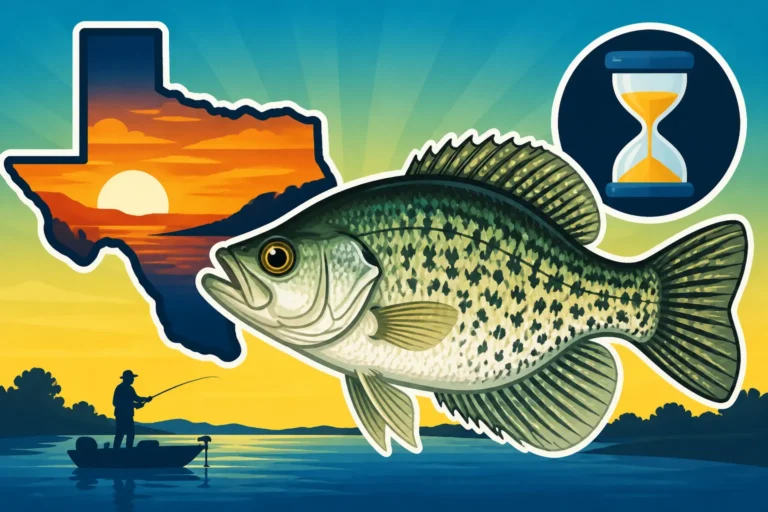
Crappie are among the most sought-after panfish in Texas, beloved for their delicate flavor and the exciting challenge they present to anglers. But to consistently catch them, you can't just throw out any old bait and hope for the best. Understanding what crappie eat, from the tiny fry to the large slabs, is fundamentally important because it dictates where they'll be, when they'll be there, and what they'll be willing to strike. It's like trying to cook a meal without knowing what ingredients are in the fridge – you're just guessing!
Understanding the Crappie Species in Texas
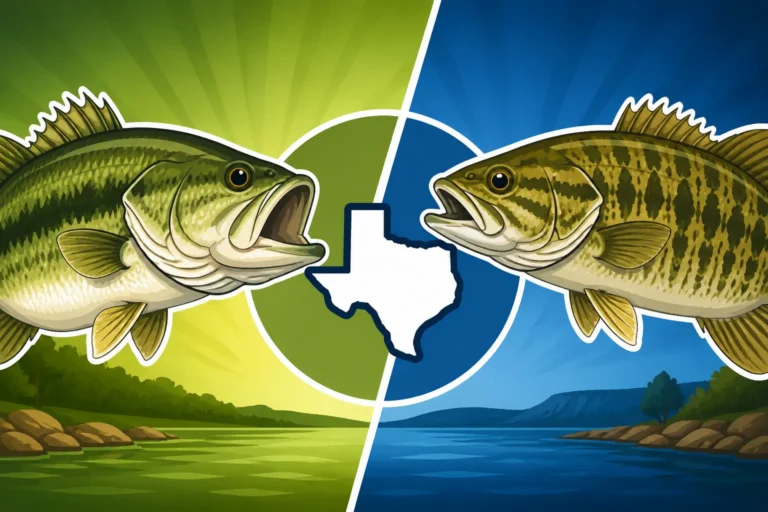
Here in Texas, we're primarily dealing with two species: White Crappie and Black Crappie. While they share many similarities, including a general preference for brush piles and submerged timber, there are subtle differences in their habitat preferences and, consequently, their diets. White crappie tend to be a bit more tolerant of murkier water and open-water environments, often chasing schools of baitfish. Black crappie, on the other hand, usually prefer clearer, cooler water with abundant vegetation, which can influence the types of insects and smaller prey they encounter. Knowing which species you're targeting can help refine your approach, though much of their diet overlaps. For a deeper dive into their distinctions, check out our guide on Texas White Crappie vs Black Crappie.
The Link Between Diet and Successful Crappie Fishing
Imagine a restaurant that only serves steak to vegetarians – it won't be very popular, right? The same principle applies to fishing. If you're offering crappie something they aren't naturally preying on, your chances of success plummet. Their diet directly influences their location, their activity levels, and their willingness to strike your presentation. For instance, if crappie are gorging on shad in open water, a tiny jig dropped next to a stump might go unnoticed. Conversely, if they're picking off larval insects around dense cover, a large spinnerbait designed for bass won't get a second look. Successful crappie fishing isn't just about finding the fish; it's about understanding their current dining habits.
The Primary Forage: What Crappie Really Love to Eat
Crappie are opportunistic feeders, meaning they'll eat what's available and easy to catch. However, there are definite preferences that dominate their diet through different life stages. From nearly invisible organisms to larger baitfish, their menu is more varied than some anglers might realize. This adaptability is part of what makes them such resilient and widespread fish across Texas waters.
Zooplankton: The Crappie's First Meal
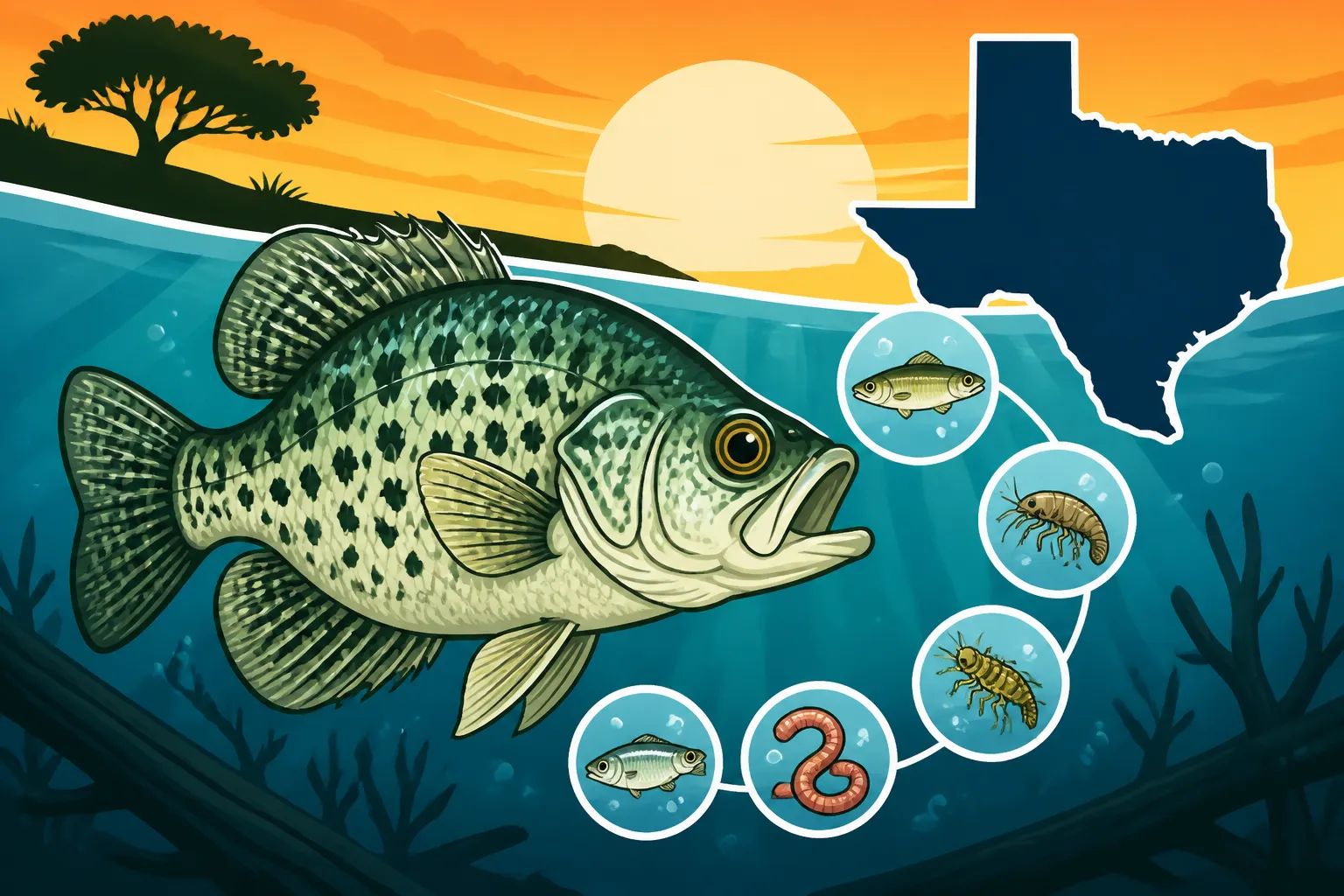
Before they grow into the slabs we love to catch, crappie fry and juvenile crappie rely heavily on zooplankton. These microscopic animals are abundant in most freshwater systems and form the base of the food chain. When crappie first hatch, they are tiny and vulnerable, and their mouths are too small to consume anything larger than these minute organisms. They will school together in open water or shallow, protected areas, filtering these tiny food sources from the water column. As they grow, their diet gradually shifts, but zooplankton remains an important energy source for young fish. This is a critical factor for understanding initial crappie survival and growth rates in a lake or pond.
Small Forage Fish: The Main Course for Mature Crappie
Once crappie reach a few inches in length, their diet rapidly transitions to include small baitfish. This is the primary reason mature crappie are considered such efficient predators. In Texas, their favorite meals often include:
- Threadfin and Gizzard Shad: These schooling baitfish are ubiquitous in many Texas reservoirs and rivers, forming a crucial part of the crappie's diet. Crappie will actively pursue schools of shad, especially when they are pushed into vulnerable positions near structure or shallow areas.
- Minnows: Various species of minnows, easily found in both open water and around cover, are also a staple. Crappie are particularly fond of the slower, less aggressive movements of minnows.
- Small Sunfish/Bluegill: While not as common as shad, very young sunfish or bluegill can also become prey, particularly in lakes with dense vegetation where these smaller fish might hide.
- Other Crappie Fry: It might sound a bit morbid, but crappie are not above cannibalism. Smaller crappie fry can become a meal for larger, more mature crappie, especially if other forage is scarce.
This preference for small fish is why live minnows are such a deadly bait for crappie and why many popular crappie jigs and soft plastics are designed to imitate these baitfish.
Insects and Crustaceans: Opportunistic Bites
While small fish are their preferred main course, crappie are far from picky. They will readily supplement their diet with a variety of insects and crustaceans, especially when these food sources are abundant or easily accessible. Think of it as a tasty snack between larger meals.
- Aquatic Insects: Larvae and nymphs of insects like mayflies, dragonflies, and caddisflies, which live underwater, are frequently consumed. Crappie will pick these off submerged vegetation, timber, or even from the bottom. During hatches, when these insects emerge, crappie can switch their focus to feeding on them near the surface.
- Terrestrial Insects: Insects that fall into the water from overhanging branches, such as grasshoppers, crickets, or beetles, also become quick meals. This is more common in areas with abundant shoreline vegetation or when strong winds blow insects off land.
- Small Crustaceans: Tiny crayfish, scuds, and other small crustaceans can be found in crappie stomachs, especially in lakes with rocky bottoms or ample cover where these creatures hide. While not a primary food source, they certainly offer a nutritional boost.
Understanding this opportunistic feeding behavior helps explain why some artificial baits that don't perfectly mimic baitfish can still be incredibly effective. Sometimes, crappie are just looking for an easy protein source, and a small, wiggling jig can resemble a juicy insect just as well as it does a minnow. If you're looking for a good selection of various crappie jigs and soft plastics, you can often find a wide variety of colors and sizes on Amazon to imitate these different food sources.
Seasonal Shifts and Environmental Influences on Crappie Diet
Crappie don't eat the same thing, in the same way, all year round. Their metabolism, the availability of food, and their own biological needs change with the seasons and environmental conditions. Ignoring these shifts is a common mistake that leads to slow fishing days. Adapting your approach to match their seasonal diet is key to consistent success. For more seasonal insights, check out Best Time of Year to Fish in Texas.
Spring: Pre-Spawn and Spawning Frenzy Diets
Spring is arguably the most exciting time for crappie fishing in Texas, largely due to their aggressive feeding patterns related to spawning.
- Pre-Spawn Build-Up: As water temperatures begin to rise in late winter and early spring, crappie enter a pre-spawn phase. They become incredibly active, feeding heavily to build up energy reserves for the strenuous spawning process. During this time, they'll gorge on abundant baitfish, particularly shad that are also becoming more active. They'll often move from deeper wintering holes to staging areas near spawning grounds, such as creek channels, points, and humps, where baitfish often congregate. Lures that mimic a fleeing baitfish are incredibly effective now.
- Spawning Season: Once water temperatures hit their ideal range (typically 60-70 degrees Fahrenheit), crappie move into shallow water to spawn. During the actual spawning process, their feeding can slow down as their focus shifts to reproduction. However, they will still opportunistically strike at small jigs or minnows that venture too close to their nests, often out of aggression rather than pure hunger. It's a fantastic time for shallow water tactics, but their bites can be more subtle. Our guide on Texas Crappie Fishing Guide goes into more depth on seasonal behaviors.
Summer: Deep Water Foraging in the Heat
When the scorching Texas summer heat arrives, crappie, like many other fish, retreat from the shallows.
- Thermal Refuge: As surface waters warm significantly, crappie seek cooler, more oxygenated water, typically found in deeper areas of lakes and reservoirs. They often suspend over brush piles, submerged timber, humps, and along creek channels in 15-30 feet of water or more, depending on the lake's depth and thermocline.
- Baitfish Concentration: In these deeper, cooler zones, crappie continue to feed on schools of shad and other small baitfish. These baitfish also seek similar thermal refuges, leading to concentrations of both predator and prey. Anglers need to adapt to vertical presentations, dropping jigs or live minnows directly into these deep-water schools. You'll often find that knowing the Best Depth to Find Crappie in Summer is crucial.
- Reduced Activity: While they still feed, their metabolism might slow down slightly in the extreme heat, and they might become less aggressive than in spring. Understanding how to present baits slowly and precisely becomes important.
Fall: Feeding Up for Winter
Fall is another fantastic season for crappie fishing, as the fish once again become highly active, preparing for the lean winter months.
- Cooling Waters: As air temperatures drop and the water begins to cool, crappie become invigorated. They'll start to move out of the deepest summer haunts and spread out, often following schools of baitfish that are also moving more actively throughout the water column.
- Aggressive Feeding: Crappie will engage in a major feeding spree, trying to pack on calories. They'll target baitfish aggressively, but also take advantage of any aquatic insects that are still abundant. This is a great time for covering water, casting jigs, or trolling to locate active schools.
- Habitat Diversification: You might find crappie in a wider variety of habitats—from shallow brush to mid-depth humps and even open water chasing bait. Their feeding patterns can be quite diverse, making versatility key for anglers.
Winter: Slow Metabolism, Selective Eating
Winter fishing for crappie in Texas can be incredibly productive, but it requires patience and a nuanced understanding of their diet and behavior.
- Slower Metabolism: As water temperatures drop into the 40s and low 50s, crappie's metabolism slows considerably. They don't need to eat as much, and their movements become much more sluggish.
- Deep Water & Structure: Crappie will typically school tightly in deep water around prominent structure, like submerged timber, deep brush piles, bridge pilings, or channel breaks. They are often suspended at specific depths within these areas, often just above the thermocline (if one exists) or near baitfish concentrations.
- Finesse Presentations: Their feeding is less aggressive, meaning subtle presentations are key. Small jigs, often tipped with a live minnow, presented vertically and slowly, are highly effective. They are looking for an easy meal that doesn't require much energy to chase. Knowing How to Catch Crappie in Cold Water and what constitutes Best bait for crappie in cold water becomes paramount during these months. Anglers often find success with sensitive rods that can detect the lightest "thump" of a winter crappie. You can often find a good selection of these specialized rods and reels on Amazon.
Translating Diet Knowledge into Angling Success
Knowing what crappie eat is only half the battle. The real magic happens when you can translate that knowledge into actionable strategies on the water. It’s about putting the right offering in front of the fish at the right time and in the right place.
Matching the Hatch: Lures and Baits that Mimic Natural Prey
The concept of "matching the hatch" comes from fly fishing, but it applies perfectly to crappie fishing. Your lures and baits should imitate what crappie are currently feeding on in terms of size, shape, and action.
-
Minnow Imitations: Since small baitfish like shad and minnows are a primary food source for mature crappie, baits that mimic them are almost always a good starting point.
- Live Minnows: Hands down, live minnows are one of the most effective crappie baits. Hooked lightly through the lip or back, they provide the natural look, smell, and action that crappie can't resist.
- Soft Plastic Jigs: Small (1-3 inch) soft plastic jigs in shad, minnow, or grub profiles are excellent. Colors like chartreuse, white, pearl, and various shad patterns are perennial favorites. The tail action is crucial – it should wiggle subtly to mimic a swimming baitfish. Brands like Bobby Garland, Strike King, and Z-Man all make excellent crappie plastics.
- Small Crankbaits/Spinnerbaits: In certain situations, especially when crappie are aggressive and chasing schools of baitfish in open water, small crankbaits or inline spinnerbaits can be highly effective. They offer a larger profile and more vibration to attract attention.
-
Insect/Crustacean Imitations: When crappie are focused on smaller, non-fish prey, you need to adjust.
- Tiny Jigs: Micro jigs (1/32 to 1/16 oz) with small, subtle tails can effectively imitate insect larvae or small crustaceans.
- Tube Jigs: Tube jigs offer a compact profile that can resemble a variety of small aquatic life.
- Plastic Grubs/Worms: Very small plastic grubs or worms, especially in natural colors like brown, black, or olive, can imitate insects or small crayfish.
Choosing the right lure size is also paramount. Crappie have relatively small mouths, so even larger slabs prefer smaller presentations. A 1/16 oz jig with a 2-inch plastic is a common and highly effective combination for a wide range of conditions. For those looking for an extensive selection of the Best Crappie Jigs for Texas Lakes, our dedicated guide has plenty of recommendations.
| Crappie Forage Type | Common Artificial Bait Imitations | Best Use Cases |
|---|---|---|
| Zooplankton | Micro jigs (1/64, 1/32 oz), tiny tube jigs | Young crappie, very slow bite, clear water |
| Small Baitfish | Live Minnows, 1-3" Soft Plastic Grubs/Shads, Small Crankbaits, Inline Spinners | Active crappie, all seasons, targeting larger fish |
| Aquatic Insects | 1/32 – 1/8 oz Jigs with grub/tube bodies, small curly tails | Post-spawn, summer/fall, around vegetation |
| Crustaceans | Small tube jigs, tiny creature baits | Bottom-oriented crappie, rocky areas |
Locating Crappie Based on Their Food Source
Crappie are typically found where their food is. If you can locate the baitfish or the insect hatches, you're halfway to finding the crappie.
- Finding Baitfish: Look for areas where schools of baitfish are present. This often means creek channels, submerged humps, points, and open water areas where baitfish might be schooling. Birds diving into the water or subtle surface disturbances can indicate active baitfish schools. These baitfish will often relate to structure like brush piles or standing timber for protection, and the crappie will be right there with them, or just below, waiting for an ambush opportunity.
- Relating to Structure: Crappie are ambush predators. They love to hide in and around submerged brush piles, standing timber, docks, and bridge pilings, waiting for an unsuspecting baitfish or insect to swim by. If you find good structure, and your electronics show bait around it, crappie are usually not far off. Our guide on How to catch crappie around brush piles offers detailed strategies for these popular haunts.
- Seasonal Movements of Forage: Understand that baitfish also move seasonally. In warmer months, they might be deeper; in cooler months, they might be in creek channels or shallower sun-warmed bays. Following these movements is key to staying on the crappie.
- Wind and Current: Wind can push baitfish into certain areas, concentrating them along shorelines, points, or against submerged cover. Strong currents in rivers or certain parts of reservoirs can also position baitfish in predictable ambush points for crappie.
Using Electronics to Find Baitfish and Crappie
Modern fish finders and sonar technology have revolutionized crappie fishing by allowing anglers to literally "see" the crappie's food source.
- Identifying Bait Balls: A good fish finder will clearly show schools of baitfish as dense clouds or groups of small arches. If you see these bait balls, especially near structure or suspended at a certain depth, you can bet crappie are nearby or will be soon.
- Spotting Crappie Arches: Crappie themselves will appear as arches or distinct marks, often larger and more defined than the tiny specks of baitfish. They will frequently be positioned just below or within a bait ball, ready to strike. Side imaging and down imaging technologies can be incredibly helpful for identifying submerged brush piles and seeing crappie holding around them before you even drop a line.
- Depth and Thermocline: Electronics help you identify the thermocline (the layer where water temperature changes rapidly), which is crucial in summer. Crappie will often suspend right at or just above this layer, as it provides optimal temperature and oxygen levels, and often concentrates baitfish.
- Charting Structure: Use your GPS and mapping features to mark productive brush piles, humps, and creek channel breaks where you've found both bait and crappie. This allows you to return to these productive spots easily and build a milk run of reliable crappie holes. Investing in quality fishing electronics is a game-changer for serious crappie anglers, and many excellent models are available from retailers like Amazon.
Ultimately, understanding what crappie eat is the foundation of becoming a truly successful crappie angler. It's about thinking like a fish, anticipating their needs, and presenting them with an irresistible meal. Take the time to observe the conditions, pay attention to the season, and let the crappie's natural diet guide your strategy, and you'll find yourself catching more fish, more often, here in the great state of Texas.
Disclaimer
This article is for general informational purposes only and does not constitute professional advice. Laws, prices and regulations vary by location and change over time. Consult a qualified professional for guidance on your specific situation.