Texas Saltwater Game Fish Species Guide
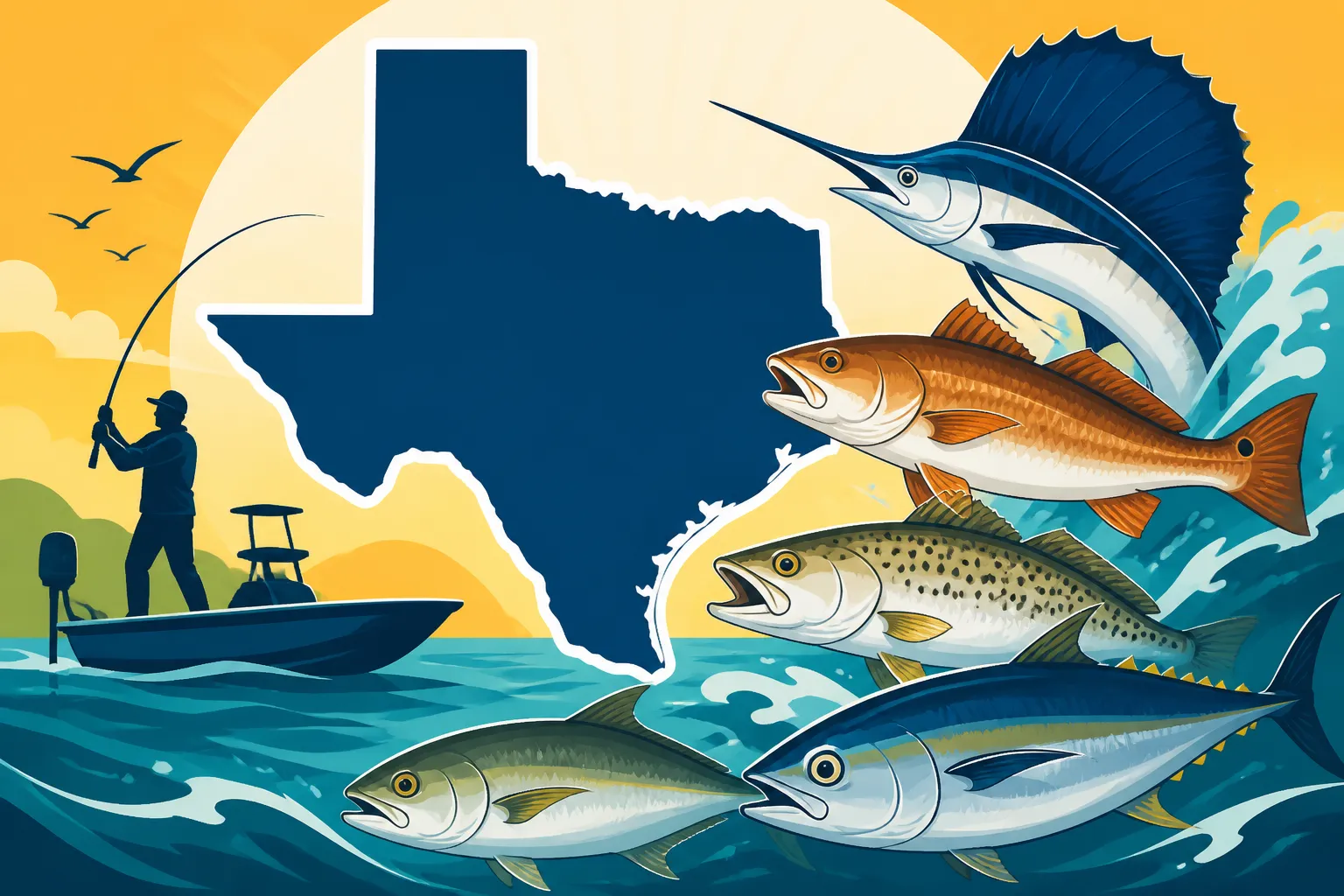
Heading out to the Texas coast to fish is an absolute dream for many, but once you get there, the sheer variety of fish and the specific rules for each can feel incredibly overwhelming. You might find yourself staring at a speckled trout, wondering if it's a keeper, or mistaking a black drum for a redfish, which could lead to a real headache with game wardens. This comprehensive guide is here to clear up that confusion, diving deep into the most sought-after saltwater game fish in Texas so you can confidently identify your catch and understand the regulations.
The Diverse World of Texas Saltwater Game Fish
The Texas Gulf Coast is a vibrant ecosystem, teeming with an incredible array of fish species. From the shallowest flats to the deepest offshore waters, each area offers unique opportunities and presents different challenges for anglers. Understanding this diversity is key to a successful and enjoyable fishing trip, not just for catching fish, but for appreciating the natural beauty and complexity of our coastal waters. It's not just about the thrill of the tug on the line; it's about connecting with nature and respecting the delicate balance of the marine environment.
Why Texas Saltwater Fishing is Unique
Texas boasts over 360 miles of coastline, featuring everything from intricate bay systems and sprawling estuaries to barrier islands and offshore reefs. This varied habitat supports a rich biodiversity that makes saltwater fishing here a truly special experience. Unlike some other states, our waters offer a fantastic mix of inshore species that are accessible to nearly everyone, alongside offshore giants for those with bigger boats and bolder ambitions. The sheer variety means there's always something new to learn and a different challenge to tackle, keeping even the most seasoned angler on their toes.
Think about it: one day you could be wading the Laguna Madre, sight-casting to tailing redfish in crystal-clear water, and the next you might be out past the jetties, soaking cut bait for a monster shark or king mackerel. This incredible range of experiences is what draws so many people to the Texas coast year after year. It's a place where every cast holds the promise of something unique, and every tide brings a new opportunity. The coastal communities themselves are often built around this rich fishing heritage, offering a warm welcome to anglers of all skill levels.
Importance of Identification and Regulations
Getting to know the different species isn't just a fun part of the hobby; it's absolutely crucial for responsible and legal fishing. Texas Parks and Wildlife Department (TPWD) enforces strict bag and length limits for a reason: to conserve our fish populations and ensure healthy fisheries for future generations. Misidentifying a fish, or not knowing its specific regulations, can quickly turn a great day on the water into a costly one, with hefty fines for violations. No one wants that kind of stress ruining their fishing adventure.
Beyond the legal aspect, proper identification helps you refine your techniques and target specific species more effectively. Knowing what you're after helps you choose the right bait, lure, and tackle, increasing your chances of success. It also allows you to handle fish correctly for release, minimizing stress and injury to non-keepers. Education is truly your best tool out there, equipping you to be a conservation-minded angler who contributes positively to the health of our amazing coastal resources. It's about being a steward of the environment, not just a taker.
The Coastal Big Three: Redfish, Speckled Trout, and Flounder
When most people talk about Texas saltwater fishing, their minds immediately go to the "Big Three": redfish, speckled trout, and flounder. These three species are not only incredibly popular targets for anglers but are also iconic representatives of our vibrant bay and inshore fisheries. They each offer unique challenges and rewards, making them staples for both seasoned pros and excited newcomers to the coast. Getting to know these three is foundational for any Texas saltwater angler.
Red Drum (Redfish)
Ah, the mighty redfish! These bronze-backed beauties are perhaps the most iconic game fish in Texas bay systems, celebrated for their powerful fights and willingness to hit a variety of baits and lures. You'll recognize them by their distinct spot, or sometimes multiple spots, typically found near the base of their tail. Their copper-red coloration can vary slightly depending on their habitat, often appearing lighter in sandy areas and darker in muddier or grassier flats. They're built like tanks, with broad tails designed for explosive runs.
Redfish are ambush predators that love to cruise shallow flats, oyster reefs, and marsh edges. They're often found "tailing," with their tails breaking the surface as they root around for crabs, shrimp, and small fish in the seagrass. This makes them a prime target for sight-fishing, offering an exhilarating visual hunt. Anglers chase them with everything from live shrimp and cut mullet to artificial lures like spoons, soft plastics, and topwater plugs. They're notoriously aggressive feeders, especially when the conditions are right. For more specific details on where to find them, check out Galveston Bay redfish fishing spots.
| Species | Minimum Length | Maximum Length | Daily Bag Limit | Notable Features |
|---|---|---|---|---|
| Redfish | 20 inches | 28 inches | 3 | Distinct tail spot |
| Speckled Trout | 15 inches | 25 inches | 5 | Dark spots on body and fins |
| Southern Flounder | 15 inches | N/A | 2 (specific season) | Flat body, eyes on one side |
Note: Always check current TPWD regulations as limits and seasons can change.
Speckled Trout (Spotted Seatrout)
Speckled trout are another prized catch, known for their beautiful spotted flanks and delicate, flaky white meat. They're often found alongside redfish but tend to prefer slightly deeper grass beds, channels, and around jetties and passes where baitfish congregate. Identifying them is usually straightforward: look for the distinct black spots peppered across their silver-gold bodies and fins. Their dorsal fin has a prominent spine, and they have two sharp canine teeth in the upper jaw, which they use to grip prey.
These predatory fish are masters of ambush, often lying in wait in grassy areas or along structure, darting out to snatch shrimp, mullet, or croaker. Anglers target them with live bait or a vast array of artificial lures, including soft plastic "paddle tails," topwater plugs that mimic distressed baitfish, and suspending twitch baits. A favorite technique is wade fishing the flats, casting to areas where bait is schooling or where the bottom shows some structure. Learning Texas Speckled Trout Bag Limits is essential before heading out.
Catching a truly large "gator trout" is a dream for many, and these bigger fish often require a bit more finesse and a well-placed artificial lure. They can be finicky but are incredibly rewarding when they hit. During colder months, trout tend to school up in deeper channels and bayou mouths, offering a different challenge. You'll find a great selection of trout-specific lures and soft plastics on Amazon, which many local anglers swear by for their versatility.
Southern Flounder
Flounder fishing is a unique and often thrilling pursuit, especially during their famous fall migration. These masters of camouflage are flat-bodied fish, with both eyes on one side of their head, allowing them to lie perfectly still and blend into the sandy or muddy bottom. They're ambush predators, waiting patiently for an unsuspecting shrimp or small fish to swim by before launching a lightning-fast attack. Their coloration adapts to their surroundings, ranging from mottled browns and grays to blend seamlessly with the bottom.
The real excitement for flounder typically comes in the cooler months, particularly during the "flounder run" in the fall when they migrate from the bays to the Gulf passes to spawn. This is when gigging, a technique where you spear the fish at night using bright lights, becomes popular and highly regulated. For rod and reel anglers, live shrimp, mud minnows, or small finger mullet fished slowly along the bottom near structure or channel edges are incredibly effective. It's a slow, deliberate form of fishing that requires patience, but the taste of fresh flounder is absolutely worth it. Be sure to understand Texas Flounder Season and Limits before planning your trip.
During the warmer months, flounder can still be found in the bays, often tucked into potholes on the flats or along sandy edges of deeper channels. They're a bit more dispersed then, making them harder to target, but still a welcome surprise catch. The key to catching them is a slow retrieve, keeping your bait or lure right on the bottom where they are hiding. Many anglers use a specialized "flounder rig" designed to present bait just above the sand, increasing visibility while staying in their strike zone.
Other Popular Texas Saltwater Catches
While the Big Three get most of the glory, the Texas coast offers a bounty of other exciting saltwater game fish that are equally fun to catch and often delicious to eat. Expanding your target species can open up new fishing opportunities, introduce you to different techniques, and add variety to your coastal adventures. Don't limit yourself to just redfish, trout, and flounder; there's a whole world of fish waiting to be discovered!
Black Drum
Often confused with their redfish cousins, black drum are another robust, hard-fighting species found throughout Texas bays and nearshore waters. You can tell them apart by their silvery-gray to dark gray coloration, lack of a prominent tail spot (though juveniles sometimes have vertical bars), and the distinctive barbels (whiskers) under their chin, which they use to feel for food along the bottom. They also tend to have a higher, more rounded back profile compared to the sleeker redfish.
Black drum are primarily bottom feeders, using those barbels to root out crabs, shrimp, and small mollusks from the mud and sand. They're not particularly picky eaters, often taking dead shrimp, cut crab, or even pieces of mullet. Because they're bottom-dwellers, you'll typically find them in deeper channels, around oyster reefs, bridge pilings, and even in shallow flats, especially during cooler weather. Large "bull drum" can grow to impressive sizes, offering a truly powerful fight on rod and reel. Check out Texas Black Drum Fishing Guide for more in-depth information.
Fishing for black drum is a great way to introduce beginners to saltwater angling because they are abundant and generally cooperative. A simple bottom rig with a sinker and a hook baited with dead shrimp is often all you need. While they might not offer the acrobatic jumps of some other species, their brute strength on the retrieve makes them a satisfying catch. They're also great table fare, especially the smaller "puppy drum."
Sheepshead
Sheepshead are one of the most unique-looking and challenging fish you'll encounter on the Texas coast, earning them the nickname "convict fish" due to their black and white striped bodies. What truly sets them apart are their human-like incisor teeth, perfectly adapted for crushing the shells of barnacles, oysters, and crabs. These toothy grins make them incredibly difficult to hook, requiring a light touch and quick reflexes from the angler.
You'll almost always find sheepshead around structure: bridge pilings, jetties, oyster reefs, docks, and rocky shorelines. They love to scrape barnacles and other invertebrates off these surfaces. The best baits are usually small pieces of fresh shrimp, fiddler crabs, or even small chunks of oyster or clam. The trick is to use a small, strong hook, hide the point completely within the bait, and set the hook at the slightest tap, as they are notorious bait stealers. They're a favorite target for anglers looking for a challenge and a tasty meal. Explore Texas Sheepshead Saltwater Fishing Guide for expert tips.
The challenge of catching sheepshead often makes them a highly prized target among seasoned bay anglers. It's a game of patience and precision, where a subtle bite can often be the difference between a successful hookset and a missed opportunity. Once hooked, they put up a surprisingly strong fight, often trying to dive back into the structure they call home, so strong tackle is a must.
Other Exciting Texas Saltwater Species
Beyond the most common game fish, the vastness of the Texas Gulf provides opportunities for catching a diverse range of other thrilling species. From hard-hitting jacks to majestic tarpon, these fish offer different kinds of adventures, some requiring specialized gear and techniques, others just an opportunistic encounter. Don't be surprised by what you might hook into out there!
Spanish Mackerel and King Mackerel
For anglers looking for speed and sharp teeth, Spanish mackerel and king mackerel are fantastic targets in the nearshore Gulf waters and around major passes and jetties. Spanish mackerel are smaller, typically caught closer to shore, and identifiable by their silvery bodies with distinct oval brassy spots. King mackerel are much larger, known as "smoker kings" for their incredible runs that make your reel's drag smoke, and they have a more uniform silvery body with a distinct lateral line that dips sharply below the second dorsal fin. Both are sleek, fast predators.
Both species are aggressive feeders that chase schools of baitfish, often making spectacular leaps out of the water. Trolling with spoons, lipped plugs, or natural baits like ribbonfish or cigars is a popular method for kings. For Spanish, casting fast-retrieved spoons or Gotcha Plugs from jetties or from a boat can be incredibly effective. Be warned, their razor-sharp teeth require a wire leader to prevent bite-offs, which are all too common if you're not prepared. These fish are true adrenaline junkies of the sea.
Many anglers find themselves drawn to the high-energy pursuit of mackerel, particularly kingfish, because of their incredible speed and fighting power. When a "smoker" hits, it’s a moment of pure excitement as line peels off the reel at an alarming rate. It's a fishery that really tests your gear and your angling skills. You can find robust wire leaders and trolling spoons suitable for these species on Amazon to prepare for your next offshore trip.
Tarpon (Silver King)
The legendary tarpon, often called the "Silver King," is perhaps the most acrobatic and coveted game fish on the Texas coast. Known for their explosive jumps and seemingly endless stamina, tarpon are truly magnificent creatures that can grow to over six feet long and weigh hundreds of pounds. They have large, distinct scales, a powerful forked tail, and a hard, bony mouth that makes setting the hook notoriously difficult. They typically migrate along the Texas coast during warmer months, especially in late summer and early fall.
Targeting tarpon is not for the faint of heart; it requires patience, heavy tackle, and often a bit of luck. They are often found in passes, near jetties, and along the beachfront, feeding on schools of mullet and other baitfish. Live bait such as pogies, mullet, or crabs, as well as large artificial plugs and flies, can entice a bite. Hooking a tarpon is just the beginning; landing one is an entirely different battle, full of aerial displays and powerful runs that will test every knot and muscle.
The pursuit of tarpon is more than just fishing; it's an obsession for many. The sheer power and beauty of these fish, combined with the challenge of catching and releasing them, creates an unforgettable experience. Even just seeing a school of giant tarpon rolling on the surface can be a breathtaking moment. It's truly a bucket-list fish for any serious saltwater angler in Texas.
Regulations and Conservation for Texas Saltwater Species
Navigating the rules and regulations for Texas saltwater fishing can sometimes feel like trying to untangle a mess of fishing line. However, these rules are absolutely vital. They are designed by the Texas Parks and Wildlife Department (TPWD) to ensure that our incredible coastal fisheries remain healthy and sustainable for future generations of anglers. Ignoring them isn't just irresponsible; it can lead to serious legal consequences.
Understanding Bag and Length Limits
For almost every game fish species on the Texas coast, there are specific bag limits and length limits you must adhere to. A "bag limit" refers to the maximum number of fish of a specific species you are allowed to keep in a single day. A "length limit" dictates the minimum and, for some species, maximum size a fish must be to be legally retained. For instance, a redfish has a slot limit, meaning it must be within a certain length range to be a keeper. Fish caught outside of this range, whether too small or too large, must be immediately released.
These limits are not arbitrary. They are based on scientific data, population assessments, and biological factors like spawning cycles and growth rates. By protecting fish below a certain size, we allow juveniles to mature and reproduce. By protecting fish above a certain maximum size (like with redfish and speckled trout), we safeguard the largest, most prolific spawners, ensuring they can continue to contribute to the next generation of fish. It’s all about sustainable management. You can find detailed regulations in Texas Saltwater Bag Limits by Species.
It’s your responsibility as an angler to know these rules before you cast your line. Always carry a current copy of the Outdoor Annual or have the TPWD Outdoor Annual mobile app on your phone. Game wardens are out there to protect the resource, and they take violations seriously. Claiming ignorance is rarely a valid defense. Having a measuring device and being able to quickly and accurately measure your catch is paramount for legal compliance and responsible angling.
Saltwater Endorsement and Licenses
Beyond knowing the specific fish regulations, you also need to ensure you have the proper licensing. Anyone 17 years of age or older must have a valid Texas fishing license to fish in public waters. But for saltwater fishing, there's an additional requirement: a "saltwater endorsement" (or stamp). This endorsement is usually purchased along with your general fishing license and specifically grants you the privilege to fish in saltwater. It's a small extra step, but it's non-negotiable for coastal anglers.
The revenue generated from these license and endorsement sales goes directly back into conservation efforts, habitat restoration, law enforcement, and fish stocking programs across the state. So, when you purchase your license, you're not just getting permission to fish; you're actively contributing to the health and future of Texas's incredible fisheries. Think of it as your investment in keeping our waters vibrant and full of fish. For detailed information, refer to Texas Fishing License Requirements Explained and Texas Saltwater Endorsement Explained.
Remember, there are also special rules for certain groups, such as seniors or disabled veterans, and exemptions for kids under 17. Always double-check the latest information from TPWD. It's always better to be over-prepared than to risk a fine or lose the opportunity to enjoy a day on the water. Taking the time to understand these requirements means you can focus on the fishing, not on worrying about legality.
Essential Gear for Texas Saltwater Fishing
Having the right gear is absolutely crucial for a successful and enjoyable saltwater fishing trip on the Texas coast. While you don't need to break the bank, investing in some quality, species-appropriate equipment will make a world of difference in your comfort, efficiency, and ultimately, your catch rates. Trying to catch a big redfish with a flimsy freshwater rod designed for panfish is a recipe for frustration and lost fish.
Rod and Reel Combinations
For general inshore saltwater fishing in Texas, targeting species like redfish, speckled trout, and flounder, a medium-heavy spinning rod or baitcasting rod in the 6'6" to 7'6" range is a great starting point. Pair that with a durable reel designed for saltwater use, which means it can withstand the corrosive effects of salt and sand. Look for reels with good drag systems, as even a modest speckled trout can put up a decent fight, and you'll want to be ready for an unexpected bull red. A good quality braid or fluorocarbon line in the 15-30lb test range is also highly recommended for its strength and sensitivity.
When choosing a rod and reel, consider the type of fishing you'll primarily be doing. If you're wade fishing the flats, a lighter setup might be preferred for comfort, while jetty fishing might call for a longer rod to help cast further and manage bigger fish. For specialized pursuits like targeting big king mackerel or tarpon, you'll need much heavier-duty conventional or spinning gear with higher line capacities and stronger drags. Brands like Penn, Shimano, and Daiwa are popular choices among Texas saltwater anglers for their reliability. You can find a wide array of options for Best Saltwater Rods for Texas Redfish on Amazon.
It's tempting to use your freshwater gear, but saltwater is a harsh mistress. Salt corrosion can quickly destroy freshwater reels, so having dedicated saltwater gear, even if it's just one combo, will save you money and headaches in the long run. After every trip, remember to rinse your rods and reels thoroughly with fresh water to remove salt residue, ensuring they last for many seasons to come.
Tackle Box Essentials
Your tackle box for Texas saltwater fishing should be well-stocked with a variety of lures and baits to match the conditions and target species. For the Big Three, soft plastic paddle tails in various colors (e.g., "new penny," "chartreuse," "ghost shrimp") rigged on jigheads are incredibly versatile. Topwater plugs like Heddon Super Spooks or MirrOlure MirrOdines are killer for early morning or late evening trout and redfish. Spoons, especially gold or silver weedless spoons, are fantastic for redfish on the flats. Don't forget an assortment of weights, hooks (circle hooks are great for live bait and conservation), swivels, and leader material (fluorocarbon is preferred for its invisibility).
Live bait is often king, especially for finicky fish or when you're targeting specific species. Shrimp, mullet, croaker, and mud minnows are all popular choices, and having a live bait bucket or well is essential. If live bait isn't an option, fresh dead shrimp or cut bait like mullet or blue crab can be deadly for black drum and larger redfish. Always consider the time of year and the baitfish prevalent in the area you're fishing.
It's also smart to pack essential tools like pliers, line cutters, a measuring tape, and a scale. A good pair of polarized sunglasses will help you spot fish in shallow water and protect your eyes from the sun. And, of course, sun protection like a wide-brimmed hat, long-sleeved shirts, and sunscreen is non-negotiable under the intense Texas sun. Having a well-organized tackle box, perhaps one you curated from Amazon, will save you time and frustration on the water.
Ethical Angling and Future Conservation
Beyond the thrill of the catch and the enjoyment of the outdoors, every angler has a responsibility to practice ethical angling and contribute to the long-term health of Texas's saltwater fisheries. Our actions today directly impact the abundance and variety of fish available for future generations. Being a responsible angler means understanding the ecosystem and doing your part to protect it.
Catch and Release Practices
While keeping a legal limit of fish for the dinner table is perfectly acceptable and a cherished part of fishing, practicing responsible catch and release for non-keepers or when you've reached your limit is vital. Handle fish gently, minimizing their time out of the water. Use wet hands to avoid removing their protective slime coat, and consider using barbless hooks or de-hooking tools to make removal easier and reduce injury. If a fish is deeply hooked, cutting the line as close to the hook as possible is often better than trying to wrench out the hook.
Understanding how to properly revive a fish is also important. For exhausted fish, especially larger ones, gently hold them upright in the water, facing into the current, until they regain strength and can swim away on their own. Never just toss a fish back if it's struggling to swim. Educating yourself and practicing these techniques helps ensure that the fish you release have the best possible chance of survival, allowing them to grow, spawn, and be caught another day. This simple act is one of the most powerful tools we have for conservation.
Respecting the Environment
Responsible angling extends beyond just how you handle fish; it includes respecting the entire coastal environment. Always pack out everything you pack in, and if you see trash left by others, consider picking it up. Monofilament fishing line, plastic bait containers, and other debris can be deadly to marine life. Avoid disturbing sensitive habitats like seagrass beds by trimming your motor up in shallow areas or wading carefully. Using designated boat ramps and respecting private property are also key aspects of being a good steward.
Being mindful of other anglers and boaters, particularly in crowded areas like jetties or popular fishing spots, helps create a more enjoyable experience for everyone. A little courtesy goes a long way. Ultimately, every time you step out onto the Texas coast, you become a part of its story. By embracing ethical practices and respecting the environment, you contribute to a positive narrative, ensuring that the magic of Texas saltwater fishing can be experienced for generations to come.
Disclaimer
This article is for general informational purposes only and does not constitute professional advice. Laws, prices and regulations vary by location and change over time. Consult a qualified professional for guidance on your specific situation.