How big do bluegill get in Texas
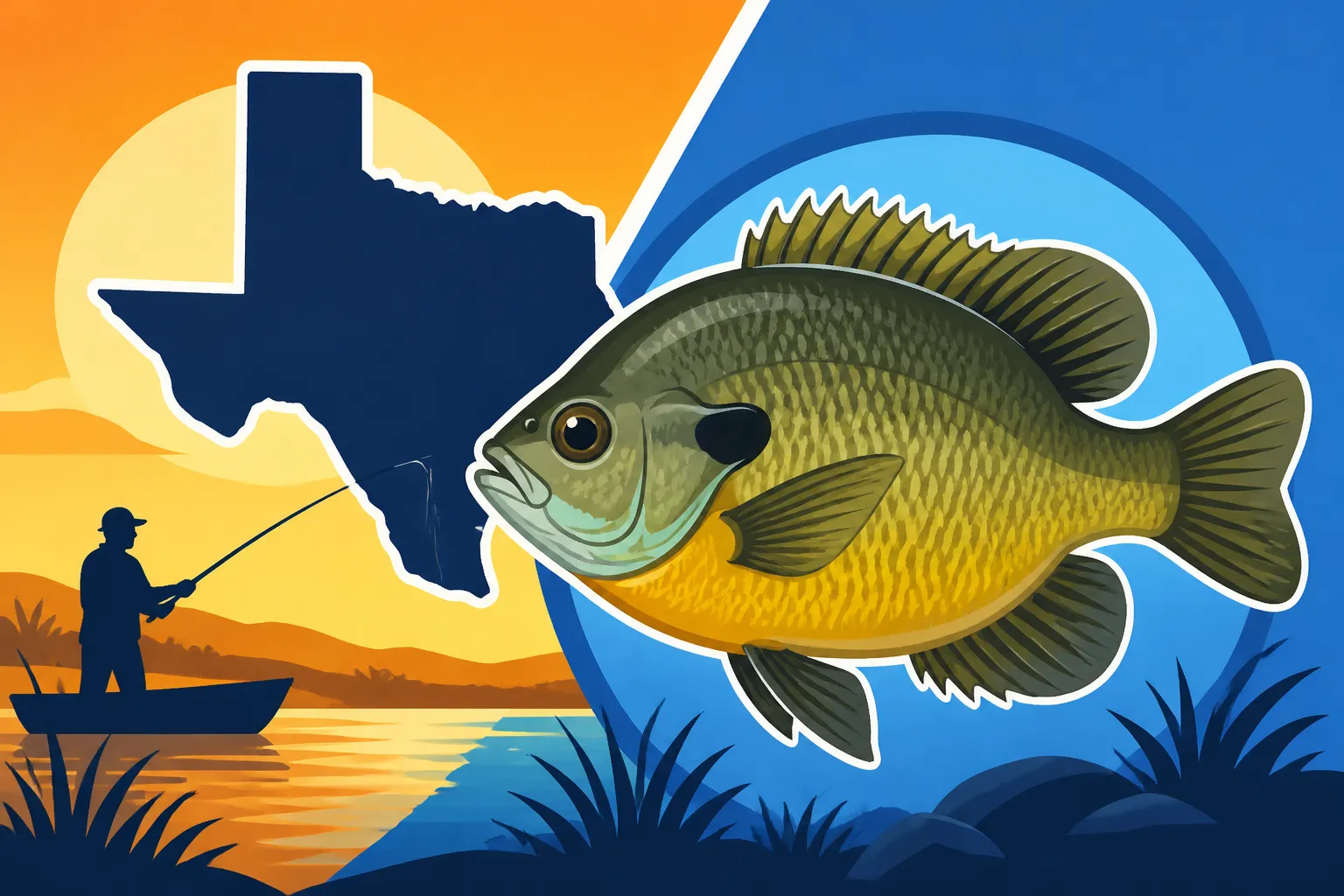
It's a classic Texas fishing scenario: you're out on a peaceful pond or slow-moving creek, dropping a worm, and suddenly your bobber dips! More often than not, it's a feisty bluegill on the other end, bringing a smile to your face. But while these little sunfish are abundant and always fun to catch, many anglers, especially those new to the panfishing scene, often wonder just how big these humble fighters can actually get in the vast waters of Texas. This guide is here to shed some light on the typical sizes you can expect, what constitutes a "trophy" bluegill, and what influences their growth across our diverse Texan landscapes.
The Truth About Bluegill Size in Texas Waters
Bluegill, known scientifically as Lepomis macrochirus, are one of the most widespread and popular panfish across Texas. They're often the first fish many of us ever catch, initiating a lifelong love affair with angling. While they might not reach the massive sizes of a largemouth bass or the immense power of a blue catfish, bluegill offer a fantastic fight on light tackle and are truly delicious table fare. The beauty of bluegill in Texas is their sheer ubiquity; you can find them in almost every lake, pond, and slow-moving river system.
The question of "how big" is a great one, because what's considered a decent bluegill can vary quite a bit from one angler to another, and even from one water body to the next. You might pull in a handful of bait-stealers in one spot and then, just down the road, find some true slabs. It all comes down to a combination of factors we'll explore, but first, let's set some realistic expectations for what you'll encounter on your next fishing trip.
Average Bluegill Size for Texas Anglers
For the typical Texas angler, especially those targeting bluegill for a family meal or just for fun, the average bluegill you're likely to encounter will fall within a pretty consistent range. Most bluegill that get caught and kept are going to be somewhere between 6 to 9 inches long. These are the "hand-sized" fish, perfect for a quick pan-fry. They have a good amount of meat on them without being overly bony, and they put up a spirited fight for their size.
Think about a warm summer afternoon at a local community pond or a smaller state park lake. You've got your cane pole or ultralight spinning rod, some crickets or a small piece of worm, and you're consistently pulling in bluegill in this size range. They're thick-bodied, colorful, and just chunky enough to feel satisfying on the end of your line. These fish represent the healthy, reproducing population that makes bluegill fishing such a joy. While these are common catches, don't underestimate the thrill of catching several of these in a short amount of time, especially when fishing with kids! You'll find them in Texas Neighborhood Fishin' program stocked lakes and many other accessible spots.
What Defines a "Trophy" Bluegill in Texas?
Now, for those of us who like a challenge, chasing a "trophy" bluegill is a whole different ballgame. While an 8-inch bluegill is a fine catch, a trophy bluegill is something that truly makes you stop and admire its size and colors. In Texas, a bluegill generally starts to enter "trophy" territory when it hits 10 inches or more in length. Anything pushing 11 inches is an absolute giant, and something closer to a pound or more in weight is exceptional.
The Texas state record for a bluegill is well over a pound, demonstrating that these fish can indeed grow to impressive sizes under the right conditions. Imagine hooking into a bluegill that feels like a small bass! These larger fish often have a pronounced hump on their head, vibrant colors, and broad shoulders. They fight incredibly hard for their species, often making multiple runs and headshakes. Catching one of these can be just as exciting as landing a modest bass, especially on light gear. When you're dreaming of these bigger catches, it's often about finding those specific, nutrient-rich bodies of water that allow them to thrive and grow old. Sometimes, anglers specifically target these larger panfish, understanding that the techniques and locations might differ slightly from just catching "any" bluegill.
Here’s a quick comparison of what you might expect:
| Category | Length Range (Inches) | Weight Range (Ounces) | Description |
|---|---|---|---|
| Typical Catch | 5-9 | 2-6 | Common, hand-sized, great for eating. |
| Good Catch | 9-10 | 6-10 | Larger, thicker, a satisfying fight. |
| Trophy Bluegill | 10+ | 10+ | Exceptional, rare, often colorful with a head hump. |
| State Record | 12+ | 16+ | The ultimate prize, very rare and specific conditions. |
Key Factors Affecting How Big Bluegill Get
It's not just luck that dictates the size of the bluegill you'll find. Many environmental and biological factors play crucial roles in how big these popular panfish can grow. Understanding these elements can help you identify potential hotspots for larger bluegill and refine your fishing strategies. When you think about it, a fish is a product of its environment, and bluegill are no exception.
Habitat and Water Quality's Role in Bluegill Growth
Just like any other living creature, bluegill thrive in environments that support their needs. The quality of their habitat is paramount to their growth. Waters with stable temperatures, appropriate pH levels, and sufficient dissolved oxygen are ideal. Lakes and ponds that aren't overpopulated with other fish species (which can compete for food) or bluegill themselves tend to produce larger individual fish. When bluegill populations are too dense, they often become stunted, meaning there are many fish, but none of them grow to a substantial size. This is a common issue in smaller, unmanaged ponds where bluegill reproduce prolifically.
Clear, healthy water bodies with a good mix of shallow, vegetated areas for cover and deeper zones for foraging and temperature regulation are excellent bluegill habitats. Think about a lake with lily pads, submerged grass, and scattered brush piles – these offer both protection from predators and prime hunting grounds for insects. Conversely, muddy, nutrient-poor, or heavily fished waters might still hold bluegill, but they'll likely be on the smaller side. The Best Texas Lakes for Family Fishing are often managed well, leading to healthier fish populations across the board, including bluegill.
Food Availability and Bluegill Diet
You are what you eat, and the same goes for bluegill. A consistent and abundant food supply is perhaps the single most important factor in a bluegill's ability to grow large. Bluegill are opportunistic feeders, meaning they'll eat just about anything they can fit into their mouths. Their primary diet consists of aquatic insects and their larvae, small crustaceans, snails, and even smaller baitfish or fish eggs. In some lakes, they might also supplement their diet with plant matter.
When a water body offers a rich smorgasbord of these food sources, bluegill can grow at an accelerated rate. This is particularly true in fertile lakes and ponds that have a robust invertebrate population. For instance, a lake that supports a healthy population of mayflies, dragonflies, and various zooplankton will likely have bluegill with fuller bellies and more potential for growth. If you’re scouting a new spot, look for signs of a healthy ecosystem, as that’s often a precursor to good-sized fish. Sometimes, these conditions are more prevalent in Best Texas Rivers for Fishing where currents bring a constant supply of nutrients.
Age and Genetics: The Unseen Drivers of Size
While habitat and food are crucial, we can't ignore the role of age and genetics. Just like people, some fish are simply predisposed to grow larger than others, given the same conditions. Genetics play a role in a bluegill's maximum potential size and growth rate. Some individual fish, or even certain strains within a population, might have genes that allow them to grow faster and bigger.
Age is also a straightforward factor: generally, the older a bluegill is, the larger it has had the chance to become. Bluegill can live for several years, with trophy-sized fish often being 5-7 years old or even older. However, reaching these advanced ages requires survival, meaning they've managed to evade predators (like larger bass or birds) and anglers. In heavily fished waters, bluegill might not have the opportunity to reach their maximum potential age, as they're often caught before they get truly big. This is why sometimes in private, less-pressured ponds, you'll find some absolute giants that have had the time and peace to grow.
Strategies for Targeting Larger Bluegill in Texas
So, you're not just looking for any bluegill, you want the kind that pulls hard and makes for a truly memorable catch. Targeting larger bluegill in Texas requires a slightly different approach than simply drowning a worm. It involves thoughtful bait selection, knowing where to find them, and choosing the right gear. It's about being intentional in your pursuit of those true panfish giants.
Best Baits and Lures for Bigger Bluegill
While bluegill are notoriously easy to catch on just about anything, if you want to consistently hook into the bigger ones, you need to be a bit more selective with your offerings. Smaller bluegill are less discerning, but bigger bluegill often prefer a slightly larger, more substantial meal.
Live bait is often king when it comes to tempting trophy bluegill. Crickets, worms (especially juicy red wigglers or nightcrawlers), and grasshoppers are perennial favorites. Don't be afraid to use a slightly larger piece of worm than you would for smaller fish; a bigger offering can deter the smaller peckers and attract a more aggressive bite from a substantial bluegill. Some anglers swear by mealworms or waxworms for their irresistible wiggle.
For artificial lures, tiny jigs are incredibly effective. Think 1/32 or 1/64 ounce jigs, often tipped with a small piece of live bait, a micro plastic grub, or even just a small tuft of crappie nibbler. Colors like chartreuse, white, black, and pink often work well. Fly fishing can also be incredibly rewarding for larger bluegill, using small poppers, sponge spiders, or wet flies that imitate insects. You can find a huge selection of these small jigs and baits on online retailers like Amazon, making it easy to stock up before your next trip. To learn more about selecting the right gear, check out Best Bait and Lures for Texas Fishing.
Finding the Right Spots: Where Trophy Bluegill Hide
Trophy bluegill don't usually hang out in the same wide-open areas as their smaller brethren. They tend to be a bit more reclusive, seeking out deeper water, heavier cover, and structures that offer both protection and a food source.
Look for areas with dense submerged vegetation, brush piles, fallen trees, dock pilings, and rock formations. These spots offer cover from predators and ambush points for their prey. The edges of lily pad fields, especially where they transition into deeper water, can be goldmines. Also, consider fishing around deeper structure like ledges, creek channels, or humps if you're in a boat on a larger lake. Big bluegill often prefer slightly cooler water, so in the heat of summer, they'll retreat to deeper, shadier spots.
Sometimes, the best spots are those that receive less fishing pressure. This might mean hiking a bit further into a state park, finding a secluded cove, or even getting permission to fish a private pond that's known for its panfish. Pay attention to how the Texas Crappie Bag Limits affect other panfish, as similar rules often help maintain healthy populations.
Gear Up for Bluegill: Rods, Reels, and Line
While you can catch bluegill on almost any setup, using appropriate ultralight gear makes the experience infinitely more enjoyable, especially when you hook into a larger fish.
A sensitive ultralight spinning rod, typically 5 to 6 feet long with a fast action, paired with a small spinning reel spooled with 2 to 4 lb monofilament or fluorocarbon line, is the perfect combo. This setup allows you to feel even the most subtle bites and makes a 10-inch bluegill feel like a heavyweight champ. The light line is crucial for casting tiny baits and lures and for remaining inconspicuous to wary, larger bluegill. Many fantastic ultralight combos can be found on Amazon, offering great performance without breaking the bank. For a deeper dive into choosing your setup, our guide on Beginner Fishing Gear Checklist for Texas might be helpful.
Don't forget a small bobber, split shot weights to get your bait down, and small hooks (size 8 to 12) to match the bluegill's mouth. A small pair of pliers for hook removal is always a good idea, as these fish can swallow smaller hooks.
Beyond Bluegill: Other Texas Sunfish Species and Their Sizes
While bluegill are undoubtedly the most famous of the sunfish family in Texas, our waters are home to a variety of other sunfish species that are often caught alongside bluegill. These "bream" or "panfish" cousins offer similar angling opportunities and can also grow to impressive sizes, sometimes even larger than their bluegill relatives. It’s good to know how to tell them apart, as some species might have different characteristics or preferred habitats.
Identifying Bluegill vs. Other Panfish
It's easy to lump all small, colorful panfish into one category, but a closer look reveals distinct differences. Bluegill are characterized by a small mouth, a dark spot on the soft dorsal fin, and a distinctive black "ear flap" (operculum flap) that is solid black all the way to the edge. They often have vertical bars along their sides, especially when younger, and males can display a vibrant orange or yellow breast during spawning season.
Other common sunfish you might encounter include:
- Redear Sunfish (Shellcracker): Often confused with bluegill, redears have a red or orange margin on their operculum flap (hence "redear") and lack the dark spot on the dorsal fin. Their mouths are slightly smaller, and they often have a more speckled appearance. They get their "shellcracker" nickname from their diet, which includes snails and other mollusks.
- Green Sunfish: These are identifiable by their larger mouth that extends back to or beyond the front of the eye, short, rounded pectoral fins, and bright blue-green iridescent spots or streaks on their cheeks and gill covers. Their ear flap is typically black with a pale margin. They tend to be more aggressive and can tolerate harsher conditions than bluegill.
- Warmouth: A stockier, more bass-like sunfish with a larger mouth, often with dark streaks radiating from the eye. They have three anal spines (whereas bluegill, redear, and green sunfish have three), and their color is typically mottled brown or olive.
Understanding these distinctions not only helps you appreciate the biodiversity of Texas waters but also allows you to better target specific species if you choose. For a more detailed look, our Texas Sunfish and Bream Species Guide offers comprehensive identification tips.
Size Comparison: Bluegill vs. Redear Sunfish and Green Sunfish
When it comes to size, bluegill are often the most abundant, but their cousins can sometimes out-muscle them in terms of pure mass.
Redear Sunfish, for instance, are well-known for growing larger than bluegill in many systems. It's not uncommon to catch redears in the 10-12 inch range, and trophy redears can push past 1.5 pounds. Their diet of hard-shelled organisms helps them develop thicker bodies and grow larger. If you're looking for a genuinely big panfish, don't overlook targeting redear sunfish specifically. They often inhabit similar areas as bluegill but might prefer slightly deeper water and harder bottoms where snails are prevalent.
Green Sunfish tend to be a bit more variable in size. In smaller, isolated ponds, they can dominate and become stunted, rarely exceeding 6 inches. However, in larger, healthier river and lake systems with good food sources, they can grow surprisingly large, sometimes reaching 8-10 inches and even exceeding a pound, though this is less common than with redears. They're feisty fighters for their size, making them a fun catch even if they aren't always the biggest.
Each of these sunfish species contributes to the rich tapestry of Texas fishing, offering unique challenges and rewards. While bluegill remain a beloved staple, exploring the world of their sunfish relatives can lead to even more exciting catches and a deeper appreciation for the variety of panfish our great state has to offer. So, next time you're out there, keep an eye out for these other species and enjoy the pursuit of those true Texas panfish giants!
Disclaimer
This article is for general informational purposes only and does not constitute professional advice. Laws, prices and regulations vary by location and change over time. Consult a qualified professional for guidance on your specific situation.