Texas Sheepshead Saltwater Fishing Guide
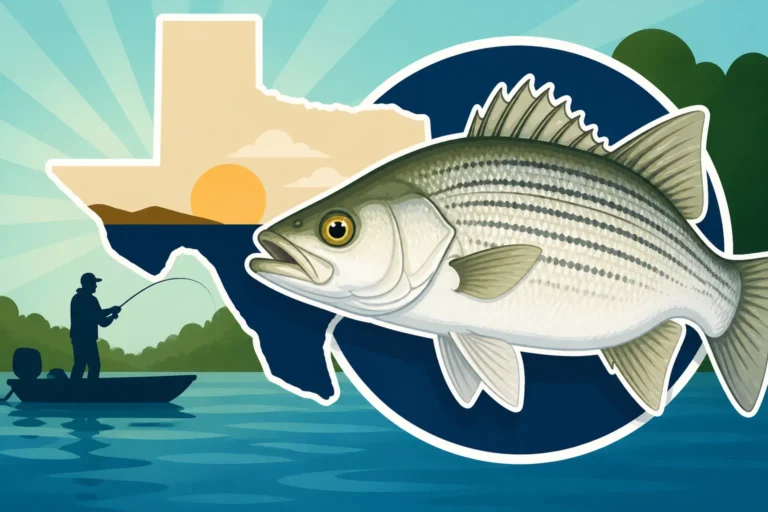
Oh, the sheepshead! If you've spent any time fishing the Texas coast, you know the frustration – and ultimate triumph – of targeting these clever, bait-stealing "convict fish." They can drive even the most seasoned angler absolutely mad with their incredibly subtle bite and uncanny ability to strip your hook clean without you ever feeling a thing. But when you finally hook into one of those striped beauties, feeling that powerful tug and bringing it aboard, there’s a special satisfaction. This guide is dedicated to helping you unravel the mysteries of sheepshead fishing in Texas, from identifying them to mastering the techniques that will put more of these tasty fish in your cooler.
Understanding the Sheepshead: What Makes This Fish Unique?
Sheepshead, often affectionately (or perhaps exasperatedly) called "bay snapper" or "convict fish" due to their distinctive striped pattern, are truly fascinating creatures of the Texas Gulf Coast. They possess a unique set of characteristics that set them apart from other inshore species, making them a challenging yet incredibly rewarding target for anglers.
Sheepshead Identification: The Convict Fish's Distinctive Look
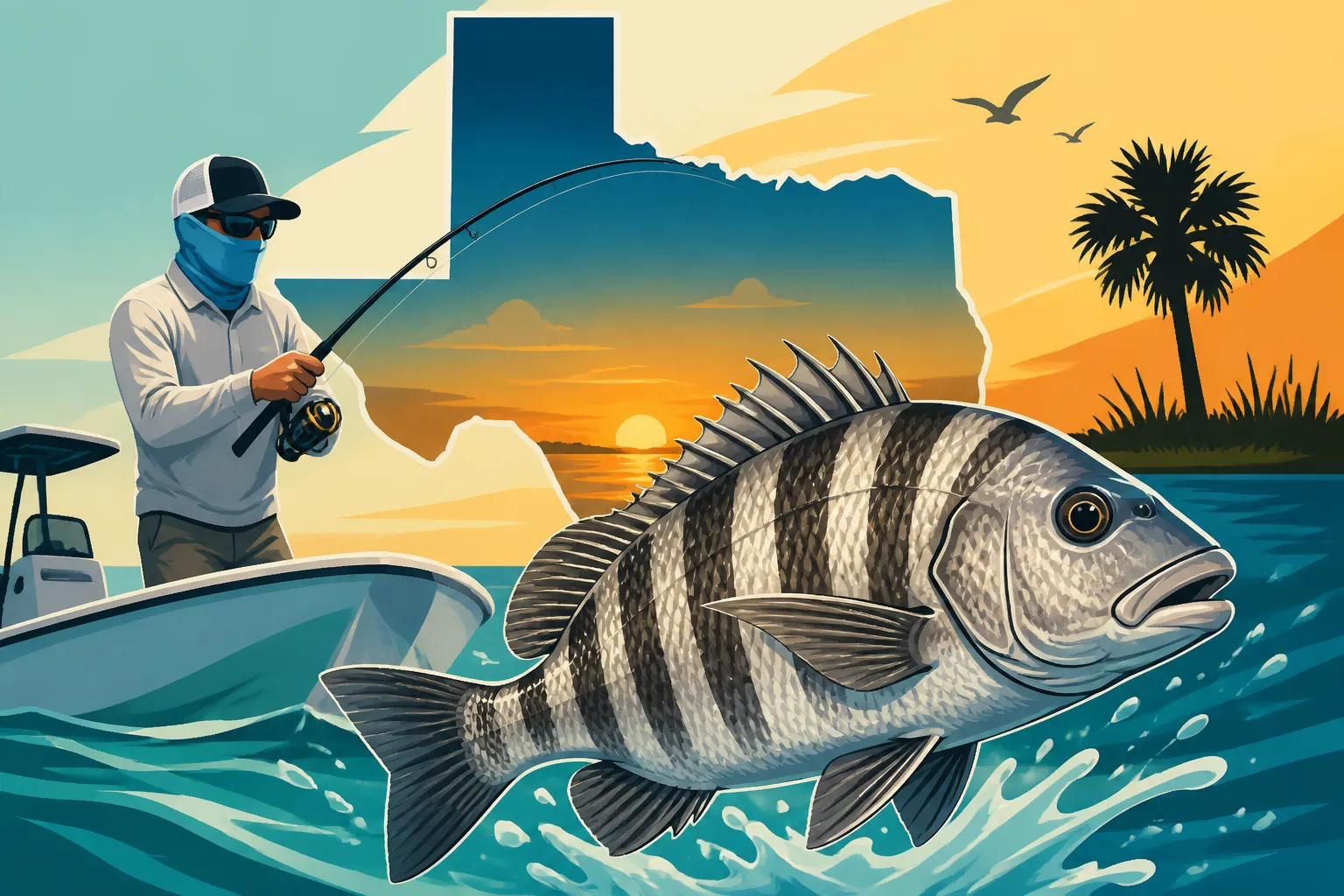
The sheepshead (Archosargus probatocephalus) is easy to spot once you know what to look for. Their most striking feature is their dark vertical bars against a silvery-gray body, which gives them that "convict" nickname. Young sheepshead tend to have more pronounced striping, which can fade a bit as they mature, but it's always there. Beyond the stripes, their body shape is deep and compressed, almost like a dinner plate turned sideways, which gives them incredible leverage when fighting on a line.
But perhaps the most remarkable, and frankly, a bit unsettling, feature of the sheepshead is its mouth. They possess a set of robust, human-like incisors at the front, perfect for nipping, and molars in the back, designed for crushing. These teeth are not just for show; they are crucial tools for their specialized diet, allowing them to effortlessly munch through the shells of oysters, barnacles, and crabs. This dentition is why they can be so frustratingly good at cleaning your hook without getting caught – they're just nibbling the bait right off!
Sheepshead Habitat: Where They Love to Live and Feed
Sheepshead are structure-oriented fish, plain and simple. If you find some kind of hard structure in the water, chances are you'll find sheepshead nearby. On the Texas coast, this means they gravitate towards oyster reefs, jetties, rock piles, bridge pilings, dock posts, and even sunken debris. Essentially, anywhere barnacles and other crustaceans can grow and thrive, a sheepshead will likely be lurking. They use these structures for protection, but more importantly, as a consistent food source.
You'll encounter them in both brackish and saltwater environments, from the shallow reaches of the back bays and estuaries to deeper nearshore platforms and jetties that extend into the Gulf. They don't mind a little murky water, but they often prefer areas with good tidal flow, as the current brings them a steady supply of food. When you're scouting for potential sheepshead spots, think about areas with strong tidal movement around visible (or even submerged) structure.
Sheepshead Diet: What's on the Menu for "Bay Snapper"?
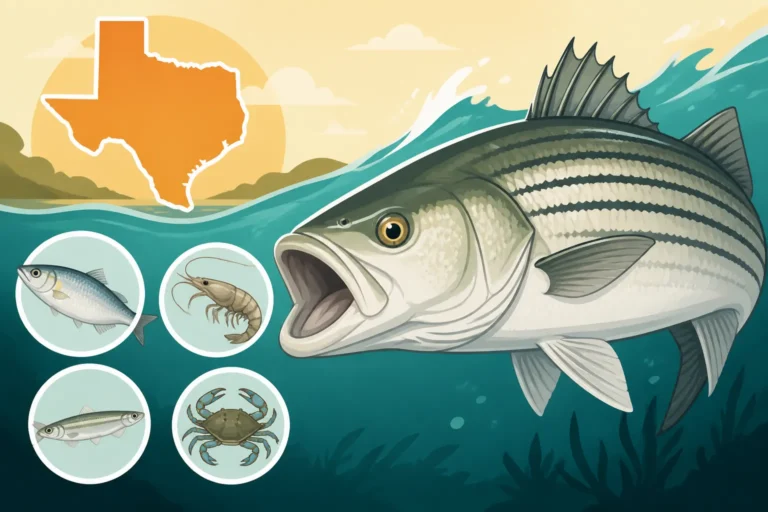
Given those impressive teeth, it's probably no surprise that the sheepshead's diet consists primarily of hard-shelled invertebrates. They are true bottom feeders with a penchant for crustaceans and mollusks. Their favorite meals include fiddler crabs, blue crabs, shrimp, oysters, and barnacles. They’ll also munch on small mussels and other shelled organisms that cling to the structures they inhabit.
This specialized diet is why selecting the right bait is absolutely critical when targeting sheepshead. You're trying to mimic their natural forage, and a tough, shelled offering is often the most effective. While they might occasionally pick at a piece of fish or squid, they truly prefer a crunchy meal. Understanding their natural inclination for these hard-shelled foods is the first step in outsmarting these incredibly picky eaters.
Where to Find Sheepshead in Texas Waters
The great thing about sheepshead is that they are widely distributed along the entire Texas coast, making them accessible to many anglers. From the upper coast bays to the Laguna Madre, if there's structure, there's a good chance you'll find them. Knowing where to look within these vast areas is the key to consistent success.
Prime Coastal Structures: Docks, Piers, and Jetties
When you think "sheepshead," you should immediately think "structure." These fish are rarely found swimming in open water far from cover. Docks, piers, and jetties are absolute magnets for sheepshead because they offer a smorgasbord of their favorite foods – barnacles, mussels, and crabs – growing directly on the pilings and rocks.
Consider the massive granite rocks of the Galveston Jetties or the Port Aransas Jetties. These offer countless crevices and surfaces for sheepshead to forage. When fishing these areas, focus your efforts close to the structure. You don't want to cast far out; rather, drop your bait right up against the rocks, pilings, or seawalls. The same goes for fishing under boat docks or along the pilings of fishing piers. Sheepshead will hang tight to these vertical structures, using them as both a cafeteria and a refuge. Places like the Galveston Fishing Pier or various public piers in Corpus Christi Bay are prime examples where you can find these fish. For more on accessing these spots, check out Best Texas Piers for Fishing Without a Boat.
Inshore and Nearshore Hotspots: Reefs, Rigs, and Oyster Beds
Beyond the obvious man-made structures, sheepshead also thrive in natural and artificial reefs, as well as expansive oyster beds throughout Texas bays. These submerged structures provide the same combination of food and protection. Oyster reefs, in particular, are sheepshead heavens, offering a constant supply of their favorite shelled snacks.
You'll find these areas in places like Galveston Bay, Matagorda Bay, and Aransas Bay. Look for subtle humps or darker patches on your fish finder, which can indicate submerged oyster reefs or rock piles. Nearshore oil and gas rigs, even the smaller ones closer to shore, are also fantastic sheepshead spots. These platforms become artificial reefs, covered in barnacles and attracting a full ecosystem of marine life, including plenty of sheepshead. When fishing these spots, you'll need to position your boat carefully to get your bait right down into the structure without getting instantly snagged.
Targeting Sheepshead in Different Water Depths
Sheepshead can be found in a surprising range of depths, depending on the season and location. In the shallow back bays and estuaries, you might find them in just a few feet of water, especially around oyster beds or along marsh edges. This is often where smaller, younger fish are prevalent, though larger ones can certainly be found.
As you move to jetties, piers, and nearshore rigs, sheepshead will occupy deeper water. They might be concentrated anywhere from 5 to 25 feet deep, often preferring the cooler, more stable temperatures found further down. During colder months, they might move into deeper channels or holes within the bays to escape extreme temperature drops. Conversely, in the heat of summer, they might seek deeper, slightly cooler water around structures. The key is always to fish on or very close to the structure itself, regardless of the depth.
Essential Gear for Texas Sheepshead Fishing
Successfully catching sheepshead requires a bit of finesse and the right tackle, mainly because of their peculiar bite and powerful build. You don't need highly specialized, expensive equipment, but choosing components designed for sensitivity and strength will significantly improve your chances. When looking for gear, a quick search on Amazon can yield a wide range of options to fit any budget.
Rods and Reels: The Right Balance of Power and Sensitivity
For sheepshead, you'll want a rod that offers a delicate balance: enough sensitivity to detect their notoriously subtle bite, but enough backbone to haul them away from heavy structure. A medium-light to medium power spinning rod, typically 6'6" to 7' long, with a fast action tip is a popular choice. The fast action tip allows you to feel those tiny taps, while the medium power gives you the leverage to pull a strong sheepshead out from under a dock.
Pair this with a reliable 2500 to 3000 series spinning reel. Brands like Penn or Shimano offer excellent saltwater-ready options that are smooth and durable, perfect for the corrosive marine environment. Spool your reel with 10-20 lb braided line. Braid is essential here because it has no stretch, which maximizes sensitivity, allowing you to feel even the faintest nibble. It also cuts through the water well, helping you maintain direct contact with your bait.
Terminal Tackle: Hooks, Weights, and Leaders for Finesse
Your terminal tackle is where the real finesse comes into play. Sheepshead have small mouths despite those intimidating teeth, so smaller hooks are usually more effective. Khale or octopus style hooks in sizes #1 to 1/0 are generally perfect. These hooks have a short shank and wide gap, which is ideal for securing small baits and getting a good hookset in their tough mouths.
For weights, you'll typically use egg sinkers or small split shot. The amount of weight depends entirely on the current. You want just enough weight to get your bait to the bottom and hold it near the structure without it washing away. Sometimes, just a small split shot or two is all you need for a natural presentation, especially when fishing very light current or shallower water. In stronger currents or deeper areas, you might need a heavier egg sinker, up to 1/2 or 3/4 ounce.
A fluorocarbon leader is also a must. Tie a 12-20 lb fluorocarbon leader, about 18-24 inches long, to your braided main line using an FG knot or a double-uni knot. Fluorocarbon is nearly invisible underwater, which can make a big difference with wary sheepshead. It's also more abrasion-resistant than mono, a huge plus when fishing around barnacle-encrusted pilings. You can find quality fluorocarbon leader material on Amazon from brands like Seaguar or Berkley.
The Best Baits: Crabs, Shrimp, and Other Irresistible Morsels
This is arguably the most critical component for sheepshead success: the bait. Sheepshead are absolute crab fanatics. Fiddler crabs are the gold standard, often considered the best bait for sheepshead. Their small size and tough shell make them perfect. Thread a #1 or 1/0 hook through the bottom of the crab, pushing it out through the top shell. Make sure the hook point is exposed.
Live shrimp are also highly effective. Sheepshead love shrimp, but they are also masters at stealing them off the hook, so presentation is key. Hook the shrimp through the tail or just behind the head, making sure the hook is exposed. Some anglers will even "peel" a small section of the shrimp to release more scent.
Other productive baits include small pieces of blue crab, cut into small, bite-sized chunks, or even oysters removed from their shell. Some anglers swear by using small sections of barnacles pried directly from the structure you're fishing. The trick is always to use fresh bait and keep your bait pieces small, matching the size of a sheepshead's mouth. If you’re having trouble finding fiddler crabs locally, sometimes you can even find live or frozen options for other crustaceans online, though local bait shops are usually your best bet.
Mastering Sheepshead Fishing Techniques
Sheepshead fishing isn't about power casting or intricate lure presentations. It's about patience, subtle detection, and precise bait placement. Many anglers, especially those new to targeting sheepshead, get frustrated because they simply can't feel the bite. But once you learn their tell-tale signs, you'll start connecting.
Baiting and Presentation: Tricking the Smartest Fish
Your bait presentation needs to be natural and precise. The goal is to get your small, delectable bait right into the sheepshead's strike zone, which is usually right up against or inside the structure. When fishing docks or bridge pilings, drop your bait straight down, letting the current carry it just enough to hug the structure. You don't want it swinging wildly in the current; you want it to look like a natural piece of food that has come loose from the piling.
If you're using a small egg sinker, let it rest on the bottom, with your leader and bait just fluttering above. This is often called a "knocker rig" or a simple Carolina rig without a bead. For extremely wary fish, you might even opt for a free-lined bait (no weight) if the current is slow enough to let it sink naturally near the structure. Always keep your line as vertical as possible directly below your rod tip. This minimizes slack and maximizes your ability to feel that incredibly light bite.
Detecting the Elusive Bite: Feeling the "Mouth"
Here's where sheepshead get their reputation as bait stealers. They don't strike aggressively like a redfish or bass. Instead, they gently nibble, scrape, or "mouth" the bait. It often feels like nothing more than a slight tick, a subtle pressure change, or a sudden weightlessness. Sometimes, it's just your line going slack as they pick up the bait and swim a few inches.
The key to detecting these bites is constant focus and keeping a keen eye on your line. Watch for any unnatural movement in your line, even a slight twitch or a change in its angle. Hold your rod tip low and keep a finger on your line to feel for pressure. Don't be afraid to pull up gently every few seconds to feel if there's any weight. This delicate dance of feeling for the bite is what makes sheepshead fishing so engaging and, yes, sometimes maddening. Many experienced sheepshead anglers will tell you that by the time you feel the definitive bite, it's often too late – they've already stripped your hook.
The Art of the Hookset: Timing is Everything
Once you detect that subtle pressure or twitch, you need to react instantly and decisively. This is not a powerful, sweeping hookset like you'd use for a bass. Instead, it's more of a quick, sharp wrist flick, a rapid upward snap of the rod tip. Think "pop" rather than "yank." The goal is to set the hook quickly before the sheepshead has a chance to fully crunch down and spit the bait or cut your line with their molars.
Because their mouths are tough and bony, a sharp hook is absolutely crucial. If you miss a few bites, check your hook point. If it's dull, change it immediately. You'll likely miss more hooksets than you connect with, even with practice. Don't get discouraged! Each missed bite is a learning opportunity. Pay attention to what you felt, how you reacted, and try to adjust. It's a game of microseconds and intuition, but when you hit it just right, the reward of that powerful sheepshead fight is absolutely worth it.
Seasonal Considerations for Sheepshead Success
Sheepshead can be caught year-round in Texas, but like most fish, their behavior and concentrations change with the seasons. Understanding these patterns will help you plan your trips and adapt your tactics for better results.
Spring and Fall Spawning Runs: Peak Action
Without a doubt, late winter and early spring (typically February through April) offer some of the absolute best sheepshead fishing opportunities. This is when large numbers of sheepshead move from the bays to the nearshore Gulf and jetties to spawn. They congregate in massive schools around these structures, making them easier to locate and target. The fish during this period are often larger, packing on weight for the spawn. This is prime time to find them around the rock jetties and nearshore reefs.
The fall months (October and November) can also be incredibly productive as sheepshead feed heavily in preparation for winter, and sometimes you'll see secondary movements. The water temperatures are comfortable, and they're actively looking for food. During these periods, focus on areas with strong tidal flow and abundant structure, as the fish will be aggressively feeding.
Summer Tactics: Adapting to Warm Water
As Texas summers heat up, sheepshead often spread out more, and their bite can become even more finicky. They might move into deeper, cooler water around larger structures like offshore platforms or the deeper sections of major jetties. In the bays, they might retreat to areas with more shade, like under large boat docks or deeper channels.
During the summer, fishing early in the morning or late in the evening can be more productive as the water temperatures are slightly cooler. You might need to scale down your leader and hook sizes even further to tempt them. Keep your baits fresh and lively, and continue to focus on precise placement right on the structure. Fishing moving tides is still crucial, as it brings them food and oxygenated water. Remember, while they're still there, you might just have to work a little harder for each bite.
Winter Challenges: Finding Them in Colder Months
Winter fishing for sheepshead can be feast or famine. During mild winters, they can remain quite active, particularly during warming trends or on sunny days that warm up shallow areas. However, during severe cold fronts, sheepshead might move into deeper, more stable waters, such as deep channels within the bays or further offshore. They can become more lethargic, and their bites can be even more subtle than usual.
On the other hand, a warming trend after a cold snap can trigger a feeding spree as they try to recover. Look for these fish around deep bridge pilings, rock piles, or oyster reefs in bayou systems where water temperatures might be slightly higher. Live shrimp can be particularly effective in winter when other baits might be harder to come by or less appealing to sluggish fish. Don't underestimate the power of a good fish finder to locate schools in deeper holes during the colder months.
Regulations and Conservation for Texas Sheepshead
Fishing responsibly is paramount for preserving the sheepshead population and ensuring that future generations of anglers can enjoy targeting these unique fish. Texas has specific regulations in place to manage sheepshead, and it's every angler's responsibility to know and follow them.
Understanding Texas Sheepshead Bag and Size Limits
Like all saltwater species in Texas, sheepshead are subject to specific bag and length limits designed to protect their populations. These limits can change, so it's vital to always consult the current Outdoor Annual published by the Texas Parks and Wildlife Department (TPWD) before you head out. Generally, sheepshead have a minimum size limit and a daily bag limit per person. For specific details on these limits, you'll want to review resources like Texas Saltwater Fishing Regulations and Texas Saltwater Bag Limits by Species.
It's crucial to measure your fish accurately from the tip of the snout to the farthest tip of the tail (pinched). If a fish is undersized, it must be immediately released unharmed. Keeping undersized fish can result in significant fines. Over-harvesting not only impacts the ecosystem but also diminishes the quality of fishing for everyone.
Practicing Responsible Angling: Catch and Release Tips
While sheepshead are delicious table fare, there will be times when you catch more than you need, or you might land an undersized fish. Practicing proper catch and release techniques is essential for the survival of those fish you send back into the water.
- Handle with Care: Minimize the time the fish spends out of the water. Support its body horizontally, especially if it's a larger fish, to avoid damaging its internal organs.
- Dehooking Tools: Keep a pair of long-nosed pliers or a dehooking tool handy. Sheepshead have tough mouths, and hooks can sometimes be deeply embedded.
- Avoid Excessive Handling: Try not to touch their gills or eyes.
- Revive If Necessary: If a fish looks sluggish, gently hold it in the water, facing into the current, until it regains its strength and swims away on its own.
- Barbless Hooks: Consider using barbless hooks or crimping down the barbs on your hooks. This makes dehooking much easier and causes less damage to the fish.
By following these simple guidelines, you contribute to a healthy and sustainable fishery for sheepshead and all other species you encounter, like the Texas Redfish Fishing Guide and Texas Speckled Trout Fishing Guide.
Protecting Sheepshead Habitat for Future Generations
The sheepshead, being so reliant on structure, is particularly vulnerable to habitat degradation. Damage to oyster reefs, the removal of natural rock formations, or pollution of coastal waters can severely impact their populations. As anglers, we have a role to play in protecting these vital habitats.
- Minimize Your Impact: Always pack out what you pack in. Never leave trash, fishing line, or broken tackle behind. Even small pieces of plastic can harm marine life.
- Respect No-Wake Zones: When boating, observe no-wake zones, especially around sensitive marsh grass or oyster reef areas, to prevent erosion and habitat destruction.
- Report Violations: If you witness illegal dumping, poaching, or habitat damage, report it to the authorities (e.g., Texas Parks and Wildlife game wardens).
- Support Conservation: Consider supporting organizations dedicated to coastal habitat restoration and conservation.
Every small action contributes to the bigger picture of keeping Texas waters healthy and productive for generations to come. The sheepshead, with its distinct character and challenging fight, is a true gem of our coastal fishery, and it's up to all of us to ensure its future.
| Bait Type | Key Characteristics | Best For | Notes |
|---|---|---|---|
| Fiddler Crab | Tough shell, small size, natural scent | Picky Eaters | The undisputed king of sheepshead baits; harder to steal. |
| Live Shrimp | Strong scent, natural movement | All Seasons | Highly attractive, but sheepshead are masters at stealing. |
| Cut Blue Crab | Durable, good scent, easy to obtain | Strong Currents | Use small, firm pieces; good alternative to fiddlers. |
| Peeled Oyster | Soft, very strong scent | Finicky Fish | Releases a lot of scent, but very easy for them to steal. |
| Barnacles | Hyper-local, tough | Challenging Spots | Free if you can harvest them, but a bit of work. |
Disclaimer
This article is for general informational purposes only and does not constitute professional advice. Laws, prices and regulations vary by location and change over time. Consult a qualified professional for guidance on your specific situation.