How big do crappie get in Texas
If you've ever spent a quiet afternoon on a Texas lake, cane pole in hand or casting from a boat, you've likely dreamt of reeling in a magnificent crappie. There's just something about those papermouths that captures an angler's heart, whether it's their delicate bite or their delicious taste. But one question I hear all the time from folks, especially those new to crappie fishing in the Lone Star State, is: "Just how big do crappie actually get in Texas?" It's a fair question, and the answer isn't always as straightforward as you might think. This guide will dive deep into the world of Texas crappie, exploring their size potential, what makes them grow big, and how you can increase your chances of landing a true Texas slab.
Understanding Crappie Growth and the "Slab" Status in Texas
Crappie are beloved panfish, known for their flaky white meat and their tendency to congregate in schools, making them a blast to catch. In Texas, we primarily deal with two species: the White Crappie and the Black Crappie. While they share many similarities, there are subtle differences in their appearance and often in their preferred habitats, which can sometimes influence their growth patterns. Understanding what contributes to their size is key to appreciating the "slab" you might eventually pull in.
Factors Influencing Crappie Size
Crappie growth isn't just a matter of time; it's a complex dance of genetics, environment, and opportunity. A crappie's size is a direct reflection of the conditions it lives in, much like how a garden plant thrives with the right soil and sunlight.
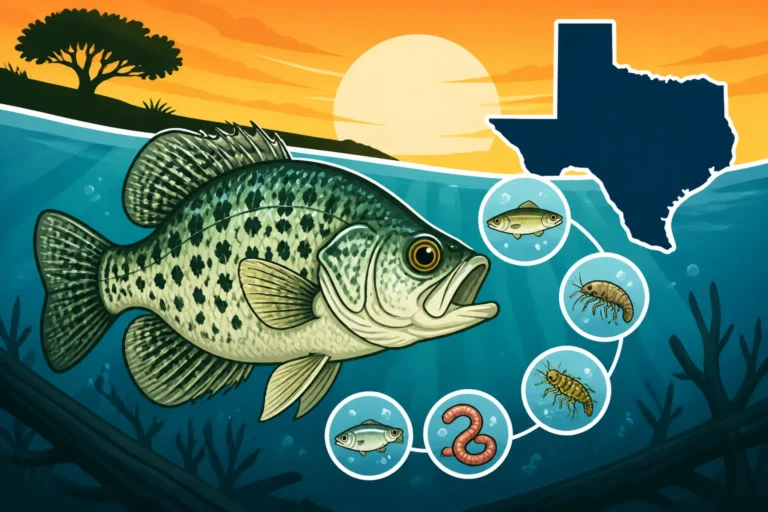
- Food Availability: This is perhaps the most critical factor. Lakes and reservoirs with abundant baitfish, like shad and minnows, tend to produce larger crappie. If a crappie has a consistent, high-quality food source, it can grow faster and achieve a larger size. Conversely, a lake with a scarcity of food will result in stunted, smaller crappie, even if they're older. Think of it like a buffet: unlimited options mean a bigger appetite met, leading to more growth. What do crappie eat delves deeper into their diet.
- Water Quality and Habitat: Clear, well-oxygenated water with plenty of structure (like submerged timber, brush piles, and creek channels) provides ideal conditions for crappie to thrive. Healthy habitats offer not only food but also protection from predators and good spawning grounds. A lake that experiences frequent droughts or poor water quality might see slower crappie growth. Lakes managed specifically for crappie often have habitat improvements to support healthier fish populations.
- Genetics: Just like us, some crappie are simply predisposed to grow larger due to their genetic makeup. While this isn't something anglers can control, fisheries biologists often consider the genetic potential of fish stocks when managing lakes. Sometimes, certain lakes just have a superior genetic strain of crappie that consistently grow bigger than those in other bodies of water.
- Age: Naturally, older fish tend to be larger fish, provided they have access to sufficient food and a healthy environment. Crappie typically live for several years, with some reaching ages of 7-10 years in prime conditions. Catching an old, wise crappie is often what leads to those impressive "slab" catches. However, fishing pressure and natural predation can limit how many crappie reach these advanced ages.
- Species Differences (White vs. Black Crappie): While both species can grow to impressive sizes, White Crappie are generally thought to have a slightly faster growth rate and often achieve larger average sizes in many Texas waters. However, Black Crappie are often found in clearer, cooler waters with more vegetation, and can certainly grow into absolute giants under the right conditions. For a closer look at these distinctions, check out Texas White Crappie vs Black Crappie.
Defining a "Slab" Crappie
When Texas anglers talk about a "slab" crappie, they're not just talking about any crappie. They're referring to a truly impressive specimen – a fish that stands out from the rest. While the exact definition can vary from one angler to another, there's a general consensus:
- 10-12 Inches: This is often considered a "keeper" size by many, a good solid fish that's worth cleaning. It's a nice meal, but not yet slab status.
- 12-14 Inches: Now we're getting into slab territory! A crappie in this size range is a chunky, thick-bodied fish that will make your reel sing. These are the fish that bring smiles to faces and fill up fryers with delicious fillets. Many anglers consider a 13-inch crappie a true accomplishment.
- 15+ Inches: This is the realm of the trophy crappie, the kind of fish that earns bragging rights and gets its picture taken before being carefully released (or sometimes kept for a very special meal). A crappie measuring 15 inches or more is a rare and remarkable catch in Texas, a testament to its age, luck, and the quality of its environment. These are truly exceptional fish.
Texas Crappie Records and the Dream of a Giant
Every angler, deep down, holds onto the hope of catching "the big one." When it comes to crappie in Texas, that means dreaming of a fish that rivals the state records. These record-setting fish aren't just big; they're legendary, showing just what these humble panfish are capable of.
Current Texas State Records
The Texas Parks and Wildlife Department (TPWD) keeps track of state records for various species, including both White and Black Crappie. While I can't give you exact weights or dates as of this very moment (those numbers can shift with new catches!), I can tell you that the records for crappie are truly astounding. These fish typically weigh in at several pounds, often pushing the 4-pound mark or even exceeding it, and measure well over 17 or 18 inches.
Imagine holding a crappie that weighs more than a bag of sugar and is longer than your forearm – that's the kind of fish we're talking about for a state record. These are the fish that defy expectations, showcasing the incredible growth potential of crappie in some of our nutrient-rich Texas waters. Catching one is often a once-in-a-lifetime event, requiring a perfect storm of conditions, skilled angling, and a lot of luck. If you're curious about the specifics of these giants, you can always check out What is the Texas record crappie.
The Quest for Trophy Crappie
For many passionate crappie anglers, the pursuit of a trophy-sized fish is a lifelong quest. It’s not just about setting a record; it's about the challenge, the strategy, and the sheer thrill of feeling that heavy thump on your line.
- Dedicated Pursuit: Catching a trophy crappie isn't usually an accident. Anglers who consistently land larger crappie often dedicate themselves to understanding crappie behavior, preferred habitats, and seasonal patterns. They might focus on specific lakes known for producing big fish, like Lake Fork, Toledo Bend, or Lake Palestine, or even lesser-known honey holes where the crappie face less pressure. Lake Palestine crappie fishing spots can give you a head start.
- Specialized Gear and Techniques: While crappie can be caught on simple gear, targeting trophy fish often involves more refined techniques. This could mean using sensitive rods to detect subtle bites, employing advanced electronics to locate brush piles and deep schools, or experimenting with different baits and jig colors. Many anglers swear by particular brands of jigs or soft plastics, which you can easily find on platforms like Amazon to stock your tackle box.
- Patience and Persistence: Big fish are smart fish. They've survived longer than their smaller counterparts and are often more cautious. This means trophy hunters need to exercise a great deal of patience, sometimes waiting for hours or even days for that one special bite. It's a game of wits, and the reward is truly unparalleled.
Realistic Expectations: Average Crappie Sizes in Texas
While the state record crappie are awe-inspiring, it's important to set realistic expectations for your typical fishing trip. The average crappie you encounter in Texas lakes will generally fall into a more common size range, which is still fantastic for a day of fun and a great meal.
Common Crappie Sizes for Anglers
Most crappie caught across Texas lakes will measure between 8 and 12 inches. These are healthy, abundant fish that provide consistent action and are perfect for a family fish fry. Don't underestimate the joy of catching a cooler full of these pan-sized beauties!
| Size Range (Inches) | Description | Common Occurrence | Angler Sentiment |
|---|---|---|---|
| Under 8 inches | Smaller, juvenile crappie | Fairly common | Often released to grow, some kept for bait. |
| 8-10 inches | Standard "eater" crappie | Very common | Excellent for fillets, consistent action. |
| 10-12 inches | Good "keeper" crappie | Common | Solid fish, satisfying catch, great table fare. |
| 12-14 inches | "Slab" crappie | Less common | Highly sought after, bragging rights. |
| 14+ inches | "Trophy" or "Giant Slab" | Rare | Exceptional catch, potential state record contender. |
These are general guidelines, of course. A 12-inch crappie in one lake might be considered a trophy, while in another, it might be just a good average. It truly depends on the specific fishery and its unique ecosystem. However, consistently catching fish in the 10-12 inch range is a sign of a healthy crappie population and good angling skill.
Regional Variations and Lake-Specific Growth
Texas is a massive state, and its lakes are incredibly diverse. What constitutes an "average" or "big" crappie can vary significantly depending on where you're fishing.
- East Texas Lakes: Lakes like Toledo Bend, Sam Rayburn, and Lake Fork are renowned for producing larger-than-average crappie. These reservoirs are often rich in nutrients and baitfish, providing ideal conditions for crappie to grow. Anglers here might find their "average" keeper crappie is closer to 10-11 inches, with 14-inch fish being a more frequent (though still exciting) occurrence.
- Central and North Texas Lakes: Reservoirs such as Lake Whitney, Lake Grapevine, and Cedar Creek Reservoir also offer excellent crappie fishing. While they might not consistently produce the same number of giants as the East Texas powerhouses, they certainly hold plenty of 10-12 inch crappie, with occasional slabs. Cedar Creek Reservoir Fishing Guide can tell you more about this area.
- Smaller Ponds and Community Lakes: In smaller, less-managed waters, crappie populations can sometimes become stunted due to overpopulation or lack of food. In these areas, an 8-inch crappie might be considered a good fish. Conversely, a well-managed private pond with limited pressure and ample food could produce some surprisingly large fish.
The key takeaway here is not to be discouraged if you're not pulling in 15-inch crappie every trip. Enjoy the fish you catch, learn about the specific lake you're fishing, and celebrate every "keeper" as a win.
Tips for Catching Bigger Crappie in Texas
So, you're dreaming of those big Texas slabs? Great! While some luck is always involved, there are definitely strategies and techniques you can employ to increase your odds of hooking into a truly impressive crappie. It's about understanding their habits and presenting your bait effectively.
Locating Slab Crappie
Big crappie, especially during certain times of the year, can be a bit more elusive than their smaller counterparts. They often prefer specific types of cover and depths.
- Deep Water Structure: As crappie grow larger, they often prefer deeper water, especially during hot summer months or cold winter periods. Look for them around submerged timber, brush piles, rock formations, and creek channel drop-offs. These structures provide ambush points for feeding and protection. A good fish finder, readily available on Amazon, can be invaluable for pinpointing these hidden gems. Knowing Best depth to find crappie in summer is crucial.
- Brush Piles: This is crappie 101, but it bears repeating for a reason. Both natural and man-made brush piles are magnets for crappie. They offer shade, protection, and a place for baitfish to hide, creating a perfect ecosystem. Learning How to catch crappie around brush piles is a fundamental skill for any serious crappie angler.
- Bridges and Docks: Don't overlook the shade and structure provided by bridge pilings, large docks, and marina structures. These areas can hold crappie, particularly if there's sufficient depth underneath.
- Open Water Schooling (Winter): In colder months, crappie can sometimes school up in open water, suspending over deep channels or flats. This is when vertical jigging or slow trolling can be incredibly effective. Understanding How to find crappie in the winter is key for cold-weather success.
Effective Techniques and Baits for Larger Fish
Once you've located potential crappie hotspots, the next step is to present your bait in a way that appeals to those bigger, more cautious fish.
- Live Minnows: It's hard to beat a live minnow for attracting larger crappie. Fished under a bobber or on a tight line, a lively minnow is often irresistible. Consider using slightly larger minnows if you're specifically targeting bigger crappie.
- Jigging with Soft Plastics: Small jigs tipped with soft plastic bodies are incredibly versatile. Experiment with colors (chartreuse, white, black/chartreuse are popular in Texas) and sizes. Often, a slightly larger profile jig can tempt a bigger fish. Best Crappie Jigs for Texas Lakes provides excellent recommendations. You can find a vast array of these on Amazon, allowing you to try different styles and colors.
- Trolling: Slow trolling with multiple rods, using either jigs or minnows, is a fantastic way to cover water and find active fish. This is especially effective in open water or along deep channels.
- Finesse Presentations: Sometimes, especially when crappie are pressured or lethargic, a subtle approach is needed. Light line, small jigs, and a very slow retrieve can make all the difference. Best bait for crappie in cold water often involves finesse tactics.
Seasonal Strategies for Slab Success
Crappie behavior, and therefore their location and willingness to bite, changes significantly throughout the year. Adapting your approach to the season is crucial for consistent success.
- Spring (Spawn): The spring spawn is perhaps the most famous time for crappie fishing. Crappie move to shallower water (often 2-10 feet) to spawn around brush, submerged grass, and woody cover. This is a prime time to catch large numbers, including some of the biggest females full of eggs. Look for slightly deeper staging areas just outside the shallow spawning beds.
- Summer: As waters warm, crappie retreat to deeper, cooler water. They'll often suspend in thermoclines or hug deep structure. This is when vertical jigging over brush piles, trolling, and fishing at night can be very productive. You'll need to know Best depth to find crappie in summer.
- Fall: As water temperatures begin to cool, crappie become more active and start feeding aggressively to prepare for winter. They can often be found in a variety of depths, from shallower coves to deeper main lake points, chasing baitfish. This is a fantastic time for both numbers and size.
- Winter: Crappie tend to school tightly in deep water during the winter, often around brush piles or creek channels. While the bite can be subtle, when you find them, you can often catch many from the same spot. Slow presentations and sensitive equipment are key. For more on this, check out How to Catch Crappie in Cold Water.
Remember, while the pursuit of a giant crappie is thrilling, every fish caught is a success. Texas offers incredible opportunities for crappie anglers of all skill levels, and with a little knowledge and persistence, you'll be well on your way to catching your own Texas slabs.
Disclaimer
This article is for general informational purposes only and does not constitute professional advice. Laws, prices and regulations vary by location and change over time. Consult a qualified professional for guidance on your specific situation.