Are redfish and red drum the same fish
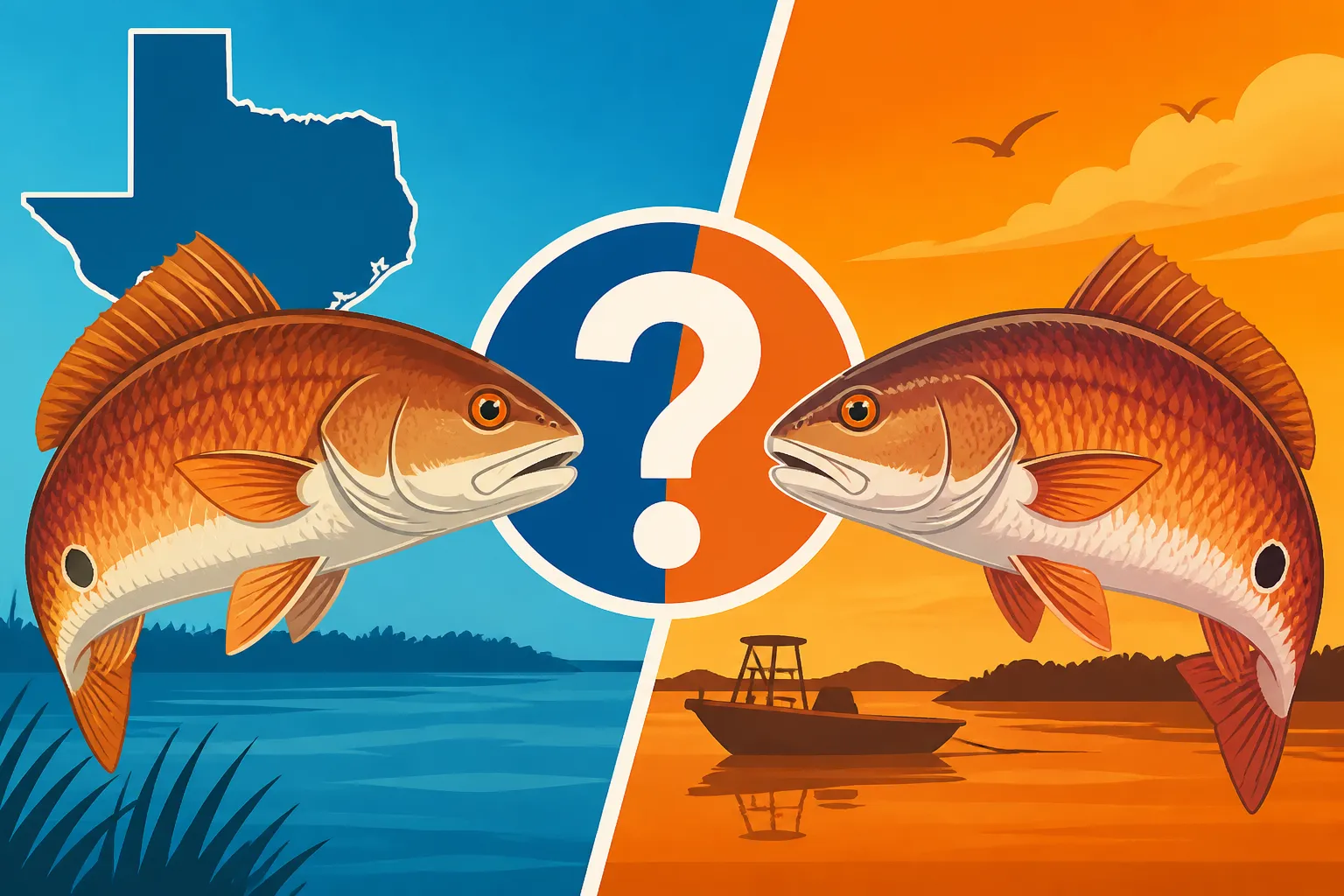
It's a common question that pops up in conversations among anglers, especially those new to Texas's incredible coastal fisheries: are redfish and red drum the same fish? You hear both names thrown around, sometimes interchangeably, sometimes as if they're two distinct creatures. This often leads to a bit of head-scratching when you're trying to figure out what bait to buy or what regulations apply. This guide is here to clear up that confusion once and for all, explaining the fascinating truth behind these names and what it means for you on the water.
The Short Answer: Yes, They Are Indeed the Same Fish!
Let's cut right to the chase and settle this once and for all: yes, "redfish" and "red drum" refer to the exact same species of fish. It's not a different species, a subspecies, or even a regional variant with unique characteristics. They are one and the same, scientifically known as Sciaenops ocellatus. Think of it like a beloved family member who goes by both their formal name and a cherished nickname. Both are correct, both refer to the same individual, and everyone understands who you're talking about.
For anglers, "redfish" is almost universally the preferred common name, especially here in Texas. When you're talking about chasing reds in the flats of Galveston Bay or wading the Laguna Madre, you'll hear "redfish" far more often. However, "red drum" is the more formal, scientific name for the species, and it's what you'll typically find in academic papers, fisheries management reports, and often in official state regulations from the Texas Parks and Wildlife Department (TPWD). This distinction, while seemingly small, is important for clarity and ensures everyone from recreational anglers to marine biologists is on the same page when discussing the species.
Why the Different Names? Understanding Common vs. Scientific Nomenclature
The reason we have these two names for the same fish boils down to how language evolves, especially in the context of wildlife and local cultures. Common names are, well, common. They develop naturally over time within communities of people who interact with the species. They can be descriptive of the fish's appearance, behavior, or even its culinary qualities. Scientific names, on the other hand, are part of a global, standardized system designed to avoid confusion.
Imagine trying to talk about fish with someone from another country, or even just another state, if everyone used completely different local names for the same species. It would be a mess! That's where scientific names come in. They are Latin-based and follow a hierarchical system (kingdom, phylum, class, order, family, genus, species) that ensures a specific organism has one unique scientific name, regardless of where in the world it's found.
In the case of Sciaenops ocellatus, "redfish" likely arose from its distinctive coppery-red coloration, which is especially vibrant in fish caught from clear, shallow waters. It's a straightforward, descriptive name. The "red drum" name also highlights an obvious characteristic – the drumming sound these fish make, particularly during spawning season. Other species, like the spotted seatrout, are also known by multiple names, such as "speckled trout" in Texas, as you'd find in discussions about Texas Speckled Trout Bag Limits. It’s a natural linguistic phenomenon, but it's important to remember that in Texas, when someone says "redfish" or "red drum," they're talking about the same magnificent creature.
Diving Deeper: What's in a Name, Anyway?
Beyond just knowing they're the same, understanding why they earned both "red" and "drum" in their names offers a deeper appreciation for this iconic Texas game fish. It’s not just arbitrary; these names directly reflect some of their most defining characteristics, traits that anglers and scientists alike have observed for generations.
The "Red" in Redfish and Red Drum: A Signature Hue
The "red" part of their name is probably the most obvious. Redfish, especially those caught in clear, shallow waters over sandy or grassy bottoms, possess a stunning coppery-red to bronze coloration on their backs and sides, fading to a white belly. This vibrant hue is a signature look that immediately distinguishes them from many other species in the Texas bays.
However, it's worth noting that the intensity of this red can vary quite a bit. Fish caught from deeper, muddier waters or those that spend more time in darker environments might have a duller, more bronze or even golden-brown appearance. This color variation is a natural adaptation, allowing them to blend into their surroundings. Think of it like camouflage; a redfish living amongst red mangroves might be more intensely red than one cruising over white sand flats. Regardless of the exact shade, that underlying red pigment is always present, making "redfish" an incredibly fitting common name. This vibrant coloration is a big part of why they are such a prized catch and a beautiful sight to behold once landed.
The "Drum" in Red Drum: A Sound Like No Other
Now, for the "drum" part. This is where things get truly interesting and give a nod to a unique biological trait. Red drum get their name from the distinctive drumming or croaking sound they produce, particularly during their spawning season. If you've ever been around redfish during a fall run or near a spawning aggregation, you might have heard this low, throbbing sound, almost like a distant drumbeat reverberating through the water.
This sound is produced by specialized muscles vibrating rapidly against their swim bladder, which acts like a natural amplifier. It's primarily used by males to attract females during courtship and to communicate their presence. This "drumming" is a key part of their reproductive strategy and something they share with other members of the drum family (Sciaenidae), such as the Texas Black Drum Fishing Guide or the freshwater drum found in rivers. It’s a remarkable adaptation that lends itself perfectly to their scientific designation as a "drum" species. So, next time you hook into a big red, take a moment to consider the fascinating biological reasons behind its names!
Common Misconceptions and Identifying Features
Even with the clarification that redfish and red drum are the same, there can still be some lingering confusion, especially when trying to differentiate them from other fish that might look similar or share part of their name. Understanding their unique identifying features is crucial for anglers, not just for bragging rights, but for adhering to regulations like Texas Fish Bag and Length Limits.
The Tell-Tale Spot: A Key Identifier
One of the most defining characteristics of a redfish (red drum) is the prominent black spot, or sometimes several spots, located at the base of their tail, specifically on the caudal peduncle. While some individuals might have multiple spots, or even rarely no spots at all, the vast majority of redfish you'll encounter will have at least one distinct black spot. This spot is almost like their fingerprint, an unmistakable marker.
Scientists believe this spot serves as a defense mechanism, a false eye that can confuse predators. If a shark or another large predator targets the spot, thinking it's the fish's eye, the redfish might still be able to escape with just a damaged tail, rather than a fatal blow to the head. This spot helps distinguish them from other drum species, such as the black drum, which typically lack this prominent caudal spot, though they might have faint vertical bars when young. When you’re at the dock or out on the water, that tail spot is the quickest way to confirm you’ve got a redfish.
Habitat and Behavior: Where You'll Find Your Red Drum (Redfish)
Knowing where to find them is just as important as knowing what they look like. Redfish are predominantly a shallow-water coastal species, thriving in the estuarine systems and bays along the Texas Gulf Coast. You'll typically find them in:
- Shallow Flats: Over seagrass beds, sandy bottoms, and muddy flats, often with their backs breaking the surface or their tails waving as they "tail" while foraging.
- Mangrove Edges and Shorelines: Cruising along the protection offered by vegetation, often ambushing baitfish.
- Oyster Reefs: These structures provide abundant food and cover, attracting redfish looking for a meal.
- Bayous and Creeks: Especially during cooler months, they might push further up into calmer, protected waters.
- Near Passes and Jetties: Larger redfish, often called "bull reds," can be found in deeper channels, passes, and near jetties, especially during spawning migrations.
Younger redfish often form large schools, offering exciting opportunities for sight casting. As they grow older and larger, they tend to become more solitary or gather in smaller groups of similarly sized fish. Understanding these habitat preferences is key to successful Texas Saltwater Fishing Techniques, as their location often dictates the best approach and bait choice. Whether you're targeting juvenile "rat reds" in a skinny back lake or a brute bull red on a jetties trip, knowing their preferred haunts is half the battle.
Fishing for Redfish (Red Drum) in Texas
For Texas anglers, the distinction between "redfish" and "red drum" becomes irrelevant once you're on the water and that familiar copper flash zips across the flat. What matters then is how to hook into one of these powerful, beautiful fish. They are one of the most popular inshore game fish in the state, offering fantastic opportunities for anglers of all skill levels.
Tackle and Techniques for Texas Redfish
Catching redfish can be incredibly diverse, ranging from fly fishing in mere inches of water to heavy tackle jigging in deep passes. Here’s a quick overview of popular approaches:
- Bait Fishing: Redfish are opportunistic feeders. Live shrimp, finger mullet, mud minnows, and blue crabs are all excellent choices. Many anglers use a simple Carolina rig or a popping cork setup. For dead bait, cut mullet or cut blue crab can be irresistible.
- Lure Fishing: Artificial lures are incredibly effective. Soft plastic "gulf shrimp" imitations, paddle tails, and grub tails rigged on jig heads are staples. Topwater lures can provide explosive strikes in the early morning or late evening, while spoons and spinnerbaits are great for covering water. You can find a huge variety of these on Amazon to get your tackle box ready.
- Fly Fishing: For those seeking a challenge, sight casting flies to tailing redfish on the flats is an exhilarating experience. Crab and shrimp patterns are often the most productive.
For tackle, a medium-heavy spinning rod or baitcasting rod, typically 7-7.5 feet long, paired with a reliable reel spooled with 15-30 pound braided line and a fluorocarbon leader is a versatile setup. You'll want something sturdy enough to handle their powerful runs. Many anglers will head to retailers or browse options on Amazon for their specific needs, from basic setups to more advanced gear.
Texas Regulations and Conservation Efforts
Because redfish are such a prized and important part of the Texas coastal ecosystem, their populations are carefully managed by the Texas Parks and Wildlife Department. These regulations are designed to ensure sustainable fishing for generations to come. It’s absolutely critical that every angler understands and adheres to these rules.
Regulations typically include:
- Slot Limits: This means you can only keep fish within a specific length range (e.g., between 20 and 28 inches). This protects smaller, juvenile fish so they can grow, and larger, mature fish (breeders) so they can reproduce.
- Bag Limits: This dictates the maximum number of fish you can keep per day.
- State-Wide vs. Special Regulations: While most regulations are statewide, always double-check for any specific areas that might have unique rules.
Before heading out, always consult the most current official TPWD Outdoor Annual for precise and up-to-date regulations. Ignoring these rules can result in hefty fines and jeopardize the health of this amazing fishery. Information on these regulations, such as Texas Redfish Size and Bag Limits, is readily available and vital for responsible angling. Remember, conservation is a team effort, and every angler plays a part in protecting our precious redfish population.
To summarize the key attributes of the Redfish / Red Drum:
| Feature | Description |
|---|---|
| Common Name(s) | Redfish, Red Drum |
| Scientific Name | Sciaenops ocellatus |
| Family | Sciaenidae (Drum family) |
| Distinguishing Mark | Prominent black spot(s) at the base of the tail (caudal peduncle) |
| Coloration | Coppery-red to bronze on back and sides, fading to white belly; color can vary with habitat |
| Sound Production | Males produce a "drumming" sound, especially during spawning, using swim bladder and specialized muscles |
| Habitat | Shallow coastal waters, estuaries, bays, tidal creeks, oyster reefs, seagrass flats |
| Diet | Crabs, shrimp, mullet, mud minnows, other small fish |
| Typical Size in Texas | 15-35 inches, but can grow much larger ("bull reds") |
| Conservation Status | Carefully managed in Texas with slot and bag limits to ensure sustainable populations |
So, whether you call them redfish or red drum, just know you're talking about one of Texas's most magnificent and sought-after game fish. Understanding their characteristics, habitats, and the rules that protect them will only enhance your experience chasing these copper-colored beauties across our incredible coastal waters. Happy fishing, y'all!
Disclaimer
This article is for general informational purposes only and does not constitute professional advice. Laws, prices and regulations vary by location and change over time. Consult a qualified professional for guidance on your specific situation.