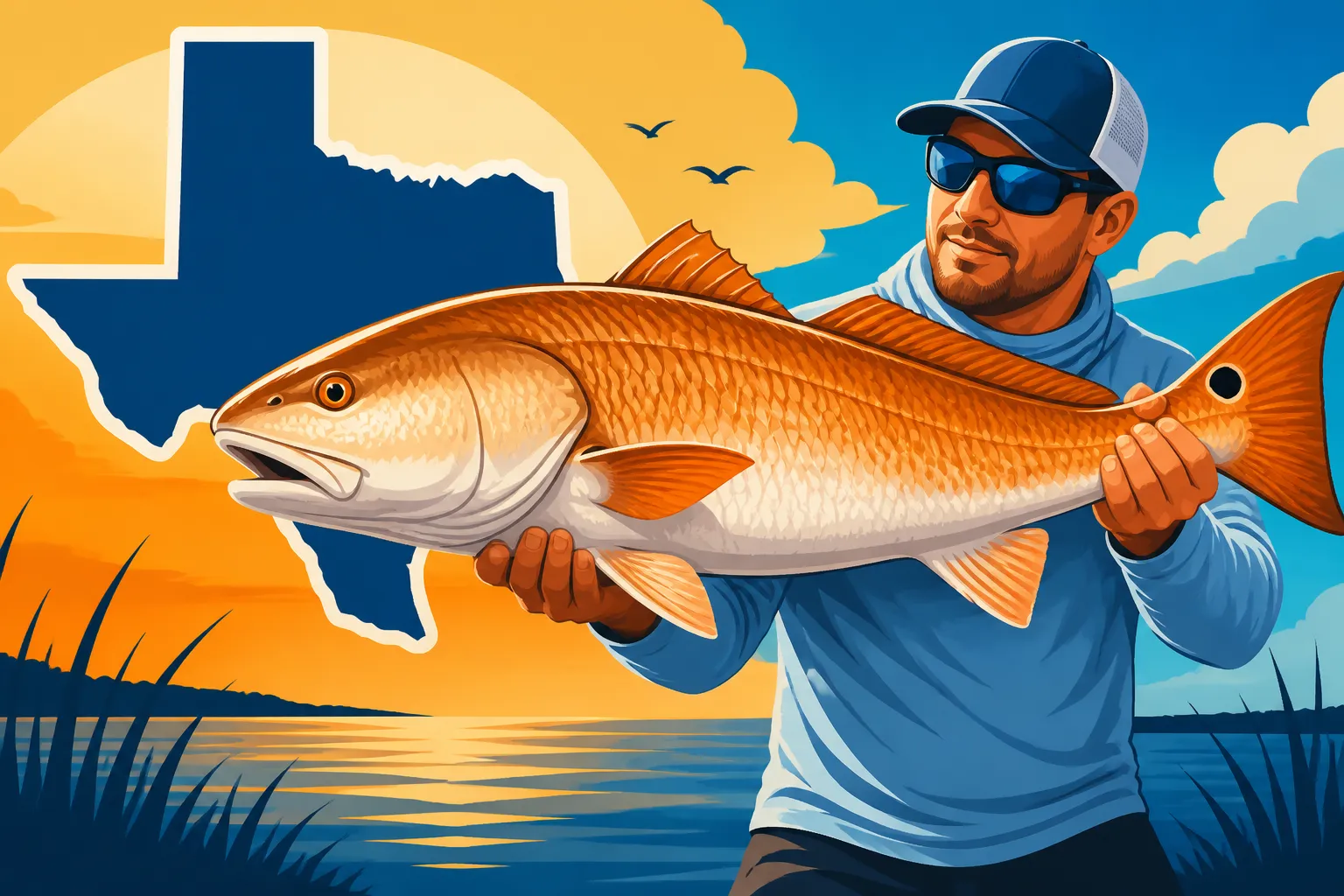
What is the Texas record redfish
The quest for a state record fish is a dream many anglers share, especially when it comes to a powerful, iconic species like the redfish in Texas. While most of us are thrilled just to land a respectable "slot" red, there's a unique kind of excitement that comes with pursuing a true lunker – a bull red that could potentially etch your name into the Texas fishing history books. This guide will dive into the elusive world of the Texas record redfish, exploring what makes these magnificent creatures so special, how such records are recognized, and what it takes to even dream of catching one.
The Allure of the Texas Record Redfish
There's something inherently captivating about a redfish. Their vibrant copper and bronze hues, the distinctive spot on their tail, and their brute strength make them a favorite among saltwater anglers up and down the Texas coast. But it's the sheer size and power of the largest redfish that truly capture the imagination.
What Makes a Redfish So Prized?
Redfish, or red drum as they are officially known, are the undisputed champions of many Texas saltwater anglers' hearts. They offer an incredible fight, whether you're battling them in shallow, skinny water on light tackle or pulling them from deep channels with heavy gear. The raw power these fish possess, coupled with their willingness to strike a variety of baits and lures, makes every hook-up an adrenaline-pumping experience. Beyond the fight, their firm, white meat makes them a highly sought-after culinary catch, though many trophy anglers practice catch-and-release to preserve the big breeders.
Their iconic status also stems from their availability across diverse habitats. From the marshy backlakes of Sabine Pass to the vast expanse of the Laguna Madre, redfish are a consistent presence, adapting to different environments and always offering a challenge. This widespread appeal only adds to the mystique of the truly massive specimens that become the stuff of local legend and, sometimes, official records. If you're looking for more details on this species, check out our Texas Redfish Fishing Guide.
The Dream of the "Bull Red"
When anglers talk about chasing record redfish, they're almost always talking about "bull reds." These are the mature, oversized redfish that have grown beyond the typical slot limits. While the Texas Parks and Wildlife Department (TPWD) has specific slot limits to protect these valuable spawners, anglers can still target and release these giants, and even pursue official records through categories like the "catch and release" records or historical all-tackle records.
A bull red can weigh in the tens of pounds, sometimes even pushing past the 50-pound mark. Imagine the thrill of hooking into something that feels like a freight train, peeling line off your reel with relentless power. It's a test of skill, endurance, and tackle. Many anglers dedicate their entire careers to seeking out these colossal fish, understanding that landing one is a crowning achievement in their saltwater fishing journey. The sheer size and power of these fish are a major reason why they are so revered and why the state record for such a species is so highly regarded.
Unpacking the Official Texas Record Redfish
Understanding what constitutes an official record redfish in Texas involves looking at both historical catches and the diligent process TPWD uses to verify these monumental feats. While specific numbers for records can change over time and are best verified directly with TPWD, the journey to becoming a record holder remains consistent.
The Current All-Tackle State Record
Texas has a rich history of trophy redfish catches. The all-tackle state record redfish represents the heaviest redfish ever officially documented by an angler using conventional gear. This isn't just about a big fish; it's about a fish so exceptionally large that it stands apart from all others. These historical records often come from anglers who were simply out fishing, perhaps not even expecting to land such a monumental catch, but were prepared with the right gear and knowledge when the opportunity arose.
To discover the exact current all-tackle state record, including its weight, the angler's name, and the year and location of the catch, the best resource is always the official Texas Parks and Wildlife Department website. They maintain the definitive list of state fishing records across various species and categories. These records are not just numbers; they tell a story of dedication, luck, and the incredible bounty of Texas waters. For instance, sometimes these record-breaking fish are caught near iconic spots such as the jetties of Galveston or Port Aransas, or in the deeper channels of the larger bay systems.
How Records Are Verified in Texas
Catching a potential state record redfish is only half the battle; getting it officially recognized requires a strict adherence to TPWD's regulations and verification procedures. This process ensures fairness and accuracy, giving legitimacy to every record holder.
Here's a general overview of what's involved:
- Official Weigh Stations: The fish must be weighed on a certified scale at an official TPWD weigh station. These are often tackle shops or marinas that have met specific standards for their weighing equipment.
- Witnesses: Typically, multiple credible witnesses are required to observe the weighing process and sign affidavits confirming the catch details.
- Documentation: Clear, legible photographs of the fish, the angler, the scale reading, and sometimes the tackle used are essential. TPWD biologists may also need to examine the fish to confirm its species identification.
- Application: A formal application form must be completed, detailing the date, time, location, angler information, tackle used, and witness details.
- Timeliness: There's usually a timeframe within which the fish must be weighed and the application submitted after the catch, ensuring the integrity of the data.
This rigorous process is why state records are so highly respected. It weeds out fraudulent claims and ensures that only the most impressive and legitimately caught fish earn a place in the record books. If you ever find yourself in the incredible position of thinking you've caught a record, knowing these steps beforehand is crucial.
Beyond the Record: Catching Your Own Trophy Redfish
While breaking the state record is a long shot for most of us, catching your own personal best or even a trophy-sized bull red is an entirely achievable goal with the right approach. These massive redfish patrol specific areas and respond to particular techniques.
Best Times and Places to Hunt for Big Reds
Targeting trophy redfish often means understanding their seasonal movements and preferred habitats. The Texas coast offers prime opportunities, especially during certain times of the year.
- Fall Run: Without a doubt, the fall is a legendary time for redfish in Texas. As water temperatures begin to cool, huge schools of bull reds migrate from the bays out to the Gulf passes and jetties to spawn. This "fall run" offers some of the most exciting big redfish action. Areas like Port Aransas jetties, the Sabine Pass jetties, and the passes connecting the bays to the Gulf become prime hunting grounds. You can also find them in places like Galveston Bay Redfish Fishing Spots.
- Cooler Months: While the fall run is famous, even through the late fall and into winter, bull reds can be found in deeper channels, guts, and around pronounced structures within the bay systems, especially those with good tidal flow. They often school up in these deeper, more stable temperature zones.
- Summer Nights: Don't count out summer entirely! While the heat can make daytime fishing tough, large reds will often feed aggressively during cooler nighttime hours, particularly around well-lit piers, bridges, or structure that attracts baitfish.
Understanding the specific habits of redfish during different seasons will greatly increase your chances. Deeper channels, passes, major jetties, and areas with oyster reefs or submerged structure where baitfish congregate are always good bets. Matagorda Bay Fishing Spots is another excellent place to explore.
Essential Gear for Targeting Bull Reds
You can't bring a knife to a gunfight, and you certainly can't bring light freshwater tackle to battle a bull red. These fish demand robust gear that can handle their incredible power and endurance.
- Rods and Reels: Look for heavy-duty saltwater spinning or conventional setups. A medium-heavy to heavy action rod, typically 7 to 8 feet long, paired with a reel capable of holding at least 250-300 yards of strong line is essential. Reels with a smooth, powerful drag system are non-negotiable. Many anglers find reliable options when browsing for "best saltwater rods" or "heavy duty spinning reels" on platforms like Amazon.
- Line: Braided line in the 30-60 pound test range is a popular choice due to its strength, thin diameter, and sensitivity. Pair this with a fluorocarbon or monofilament leader of 40-80 pound test, as redfish have abrasive mouths and can be found in areas with sharp oysters or barnacles.
- Terminal Tackle: Heavy-duty circle hooks (sized 5/0 to 9/0 depending on bait) are excellent for targeting redfish, as they often result in a corner-of-the-mouth hookup, which is better for the fish if you plan to release it. Swivels, sinkers (pyramid or egg sinkers in 2-6 oz, depending on current), and strong snaps are also crucial.
- Bait: Live bait like mullet, pinfish, or croaker are irresistible to big reds. Fresh cut bait (mullet, menhaden, shad) also works wonders, especially when soaked on the bottom. For artificials, large soft plastics, spoons, and heavy jigs can be effective, particularly for How to Sight Cast for Redfish.
- Accessories: Don't forget a sturdy net or lip-grip device for landing and safely handling these large fish. A good pair of pliers for hook removal is also key. When searching for any of these items, a quick search on Amazon for "heavy duty fishing pliers" or "saltwater landing net" will yield plenty of options. For more specific recommendations, our guide on Best Saltwater Rods for Texas Redfish offers a deeper dive.
Techniques for Landing a Lunker Redfish
Landing a bull red is often less about finesse and more about brute strength, patience, and knowing how to leverage your tackle.
- Bottom Fishing: This is a classic and highly effective method for bull reds, especially when using cut bait or live bait. Position your boat or cast from shore/jetty into deeper channels, troughs, or along drop-offs where reds are likely to patrol. Let your bait sit on the bottom and wait for that powerful pull.
- Drifting: In larger bay systems, drifting with the current using live or cut bait can cover more ground and help you locate schools of feeding fish. Pay attention to structure as you drift, as reds often hold near oyster reefs, submerged rocks, or channel edges.
- Anchoring on Structure: If you locate a promising piece of structure, anchoring upcurrent or upwind and casting baits to the target area can be incredibly productive. The scent of your bait will travel with the current, attracting fish.
- Artificial Lures: While live and cut bait are kings for bull reds, large spoons, heavy jigs with soft plastics, and even big topwater lures can entice aggressive strikes, particularly during low light conditions or when reds are actively schooling. How to Catch Redfish in Shallow Water can offer great insights into this technique.
- The Fight: Once hooked, a bull red will test your drag and your arms. Keep your rod tip up, maintain steady pressure, and pump the fish toward you. Don't try to horse it in too quickly, or you risk breaking your line or pulling the hook. Let the fish make its runs, but retrieve line whenever it pauses. It's a dance, and the bigger the fish, the longer the song. Understanding the Best Time of Day to Catch Redfish can also influence your success rate with these powerful fighters.
Responsible Angling and Conservation
The pursuit of trophy redfish comes with a great responsibility to protect and conserve this incredible resource for future generations. Texas is blessed with abundant redfish populations, but sound management and angler ethics are vital.
Understanding Redfish Regulations
The Texas Parks and Wildlife Department (TPWD) implements strict regulations to ensure the sustainability of redfish populations. These rules are designed to protect the breeding stock and allow younger fish to grow.
- Bag Limits: This specifies the number of legal-sized redfish you can keep per day.
- Slot Limits: This is perhaps the most critical regulation for redfish. It dictates that you can only keep redfish within a specific length range. Fish that are too small ("underslots") or too large ("overslots" or "bull reds") must be immediately released. The slot limit is specifically designed to protect the mature, large breeding fish that are essential for the health of the fishery.
- Special Regulations: Be aware that specific areas or times of year might have additional regulations. It's always your responsibility to know the current rules before you hit the water.
Before every trip, make it a habit to check the latest TPWD Outdoor Annual or their website for any updates. Familiarize yourself with Texas Saltwater Fishing Regulations and especially Texas Redfish Size and Bag Limits to ensure you're fishing legally and responsibly. These regulations are in place for a reason – to ensure that the thrill of catching a redfish, even a potential record, remains a possibility for years to come.
Catch and Release for Future Generations
Given the slot limits and the fact that bull reds are the most important breeders, practicing proper catch and release techniques for these larger fish is paramount. A record fish, or any oversized redfish, holds immense value to the ecosystem.
Here are some best practices for releasing large redfish:
- Minimize Fight Time: While enjoying the battle, try to land the fish as quickly as possible without over-stressing it.
- Handle with Care: Support the fish horizontally, especially if it's a large one, to avoid damaging its internal organs. Avoid holding it vertically by the tail or gills alone.
- Wet Hands: Always wet your hands before touching the fish to protect its slime coat, which is vital for its health and disease prevention.
- Quick Hook Removal: Use pliers or a de-hooking tool to remove the hook quickly. If the hook is deeply swallowed, cut the line as close to the hook as possible rather than trying to dig it out. Using circle hooks can significantly reduce gut hooking.
- Minimize Time Out of Water: The less time a fish spends out of the water, the better its chances of survival. Get your photos quickly and efficiently.
- Revive the Fish: If the fish appears sluggish, hold it gently in the water, facing into the current, and move it back and forth to force water over its gills until it regains its strength and swims away on its own.
By adhering to these practices, you're not just ensuring that the fish swims off to fight another day, but you're also contributing to the health and longevity of the Texas redfish population. The pursuit of a record should always be balanced with a deep respect for the fish and the environment.
Conclusion
The Texas record redfish stands as a testament to the incredible angling opportunities our state offers and the sheer power of these magnificent fish. While the exact figures are held by the Texas Parks and Wildlife Department, the pursuit of such a monumental catch ignites the imagination of every saltwater angler. Whether you're actively chasing a state record or simply dreaming of landing your personal best bull red, the journey involves understanding the fish, using the right gear, mastering effective techniques, and, crucially, practicing responsible conservation. Texas offers some of the best redfish action in the world, and by respecting the regulations and the fish, we ensure that the dream of a trophy redfish remains alive for generations to come.
Disclaimer
This article is for general informational purposes only and does not constitute professional advice. Laws, prices and regulations vary by location and change over time. Consult a qualified professional for guidance on your specific situation.