Are tilapia found in Texas lakes
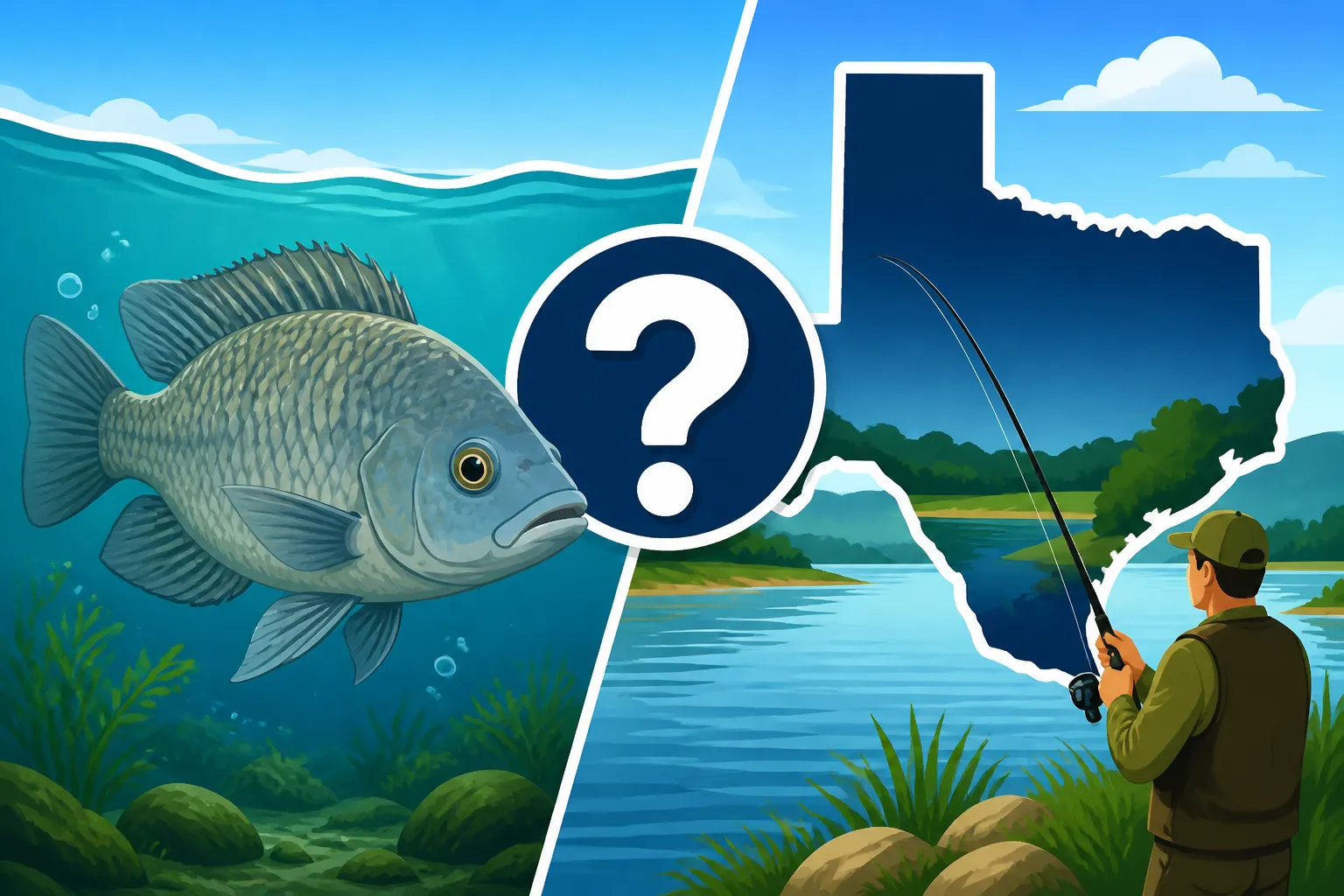
It's a question many Texas anglers, especially those new to our waters or folks moving in from other states, often ponder: "Are tilapia found in Texas lakes?" You might have heard whispers, seen photos, or even mistakenly caught one yourself. The short answer is a resounding yes, they are present in many of our freshwater bodies, and understanding their presence, impact, and the rules around them is absolutely crucial for responsible angling in the Lone Star State. This guide will clarify everything you need to know about tilapia in Texas, from why they're here to how to deal with them ethically.
The Truth About Tilapia in Texas Waters
It's easy to assume that all fish swimming in a Texas lake are part of the natural ecosystem, but with tilapia, that's simply not the case. These fish are a significant and often problematic presence, posing challenges for our native aquatic life.
Yes, They Are Here, and Why
Tilapia are not native to North America; their origins trace back to Africa and the Middle East. So, how did they become such a common sight in Texas lakes and ponds? It's a classic story of human intervention and unintended consequences. They were initially introduced into the United States for various reasons, primarily aquaculture – fish farming – because they grow quickly, tolerate a wide range of conditions, and are a popular food source globally. They were also used in some cases for vegetation control in ponds or even as baitfish.
However, tilapia are incredibly hardy and prolific breeders. Escapes from aquaculture facilities, intentional releases by individuals hoping to start their own backyard fish supply, or even accidental transport via bait buckets have led to their widespread establishment in our waterways. Once they get a foothold, especially in the warmer waters characteristic of Texas, they can reproduce rapidly and thrive, outcompeting native species.
Common Tilapia Species You Might Encounter
While there are many species of tilapia worldwide, a few tend to dominate in Texas waters. The most common varieties you're likely to stumble upon include the Nile Tilapia, Blue Tilapia, and Mozambique Tilapia.
- Nile Tilapia: Often recognized by vertical bars on their bodies, especially when young, and a distinct dark spot near the top of their gill plate. They can grow quite large.
- Blue Tilapia: These tend to have a bluish-gray body, sometimes with faint vertical bars, and typically possess a more pointed snout. They're very tolerant of varying salinity, allowing them to sometimes venture into brackish waters.
- Mozambique Tilapia: Generally darker, often with reddish fins, and a pronounced, somewhat downturned mouth. Like their blue cousins, they are also quite tolerant of brackish conditions.
Distinguishing between them in the field can sometimes be tricky, but for regulatory purposes, the specific species often matters less than simply identifying them as tilapia.
Understanding Tilapia as an Invasive Species
The presence of tilapia isn't just an interesting biological quirk; it's a significant ecological concern for Texas Parks and Wildlife Department (TPWD) and conservationists across the state. They are classified as an invasive species, meaning they are non-native and their introduction causes, or is likely to cause, environmental or economic harm, or harm to human health.
The Ecological Impact of Tilapia on Native Fish
Tilapia aren't just taking up space; they actively disrupt our delicate aquatic ecosystems. Their detrimental impact can be seen in several key areas:
- Competition for Resources: Tilapia are voracious eaters, consuming algae, aquatic vegetation, and even the eggs and fry of other fish. This puts them in direct competition with native Texas fish species like sunfish, shiners, and even the young of game fish like Texas Largemouth Bass Fishing Guide or Texas Crappie Fishing Guide for vital food sources. When an invasive species outcompetes natives, it can lead to declines in native populations, impacting the entire food web.
- Habitat Degradation: Many tilapia species are "nest builders." They create depressions in the substrate for spawning, which can stir up sediment, increasing water turbidity. This muddying of the water can reduce light penetration, harming submerged vegetation essential for other fish and invertebrate habitats, and can even clog the gills of native fish.
- Predation and Nest Disturbance: While not typically apex predators, tilapia will readily consume the eggs and fry of other fish. During their own spawning cycles, their aggressive territorial behavior can also disturb the nests of native species, preventing them from successfully reproducing.
It's a chain reaction, and the health of our native populations, which are perfectly adapted to the Texas environment, is at stake.
The Legalities of Catching and Possessing Tilapia in Texas
This is where it gets really important for every angler in Texas. Because tilapia are an invasive species, they are not considered game fish, and as such, there are specific regulations governing their harvest. The core rule is straightforward and critical: you may not release tilapia back into the public waters of Texas once caught. This "no return" policy is designed to help control their populations and mitigate their invasive impact.
This regulation applies whether you catch one or a dozen. You don't need to worry about bag limits or length limits with tilapia – in fact, it's quite the opposite. The state encourages anglers to remove as many as possible. Of course, all general fishing rules still apply, such as having a valid Texas Fishing License Requirements Explained. You should always be familiar with Texas Freshwater Fishing Regulations to ensure you're compliant with all aspects of fishing.
| Characteristic | Native Texas Sunfish/Bream (e.g., Bluegill) | Tilapia (e.g., Blue, Nile, Mozambique) |
|---|---|---|
| Origin | Native to Texas and North America | Non-native, introduced from Africa |
| Dorsal Fin | Typically has a notched or separated dorsal fin | Usually a continuous dorsal fin |
| Lateral Line | Present, usually distinct | Often less distinct or broken |
| Body Shape | Generally rounder, "panfish" shape | More elongated or "football" shaped |
| Mouth | Smaller, often upturned | Larger, often protrusible, can be downturned |
| Coloration | Varies (greens, blues, oranges); often distinct markings (e.g., "ear flap") | Varies (gray, blue, olive, sometimes barred); generally duller overall |
| Regulation | Game fish, subject to bag/length limits | Invasive, cannot be returned to water once caught |
Remember, if you're ever unsure whether a fish is a tilapia or a native species like a bluegill or green sunfish, it's better to err on the side of caution and identify it correctly before releasing it. Take a photo, consult a fishing guide, or check your TPWD identification guide.
Where You Might Find Tilapia in Texas Lakes and Rivers
Understanding where these fish thrive can help you target them for removal or simply be prepared if you encounter them. They aren't evenly distributed across all Texas waterways.
Preferred Habitats and Water Conditions
Tilapia are warm-water fish, which is one reason Texas provides such a welcoming environment for them. They absolutely love temperatures above 70°F and really start to struggle when water temperatures drop below 50-60°F. This preference means you'll find them abundant during our long, hot summers, but their populations can be knocked back significantly during harsh winters in shallower, less stable waters.
You'll often find them in:
- Shallow, Vegetated Coves: These areas offer food, cover, and warmer water for spawning. Look for them in areas with lily pads, cattails, or submerged hydrilla.
- Areas with Urban Runoff or Discharge: Tilapia are incredibly tolerant of poorer water quality, including higher nutrient levels often found near city outflows or power plant cooling lakes. These discharge areas also tend to keep water warmer year-round, creating ideal conditions.
- Ponds and Small Lakes: Especially those that are less managed or have seen introductions. Many smaller community ponds or private impoundments can be teeming with them.
- Slow-Moving River Sections: Backwaters, oxbows, and slower sections of rivers like the Trinity or Brazos can hold tilapia, particularly downstream from urban areas.
Some specific locations that are well-known for tilapia populations include certain urban lakes around Dallas, Houston, and San Antonio, as well as heated reservoirs associated with power plants. If you're planning a trip to one of these spots, it's wise to check local reports or ask at a bait shop if tilapia are prevalent. Knowing the Best Time of Year to Fish in Texas will also help you anticipate when their activity will be at its peak.
How to Identify Tilapia from Native Species
It's paramount to be able to tell a tilapia from our native sunfish and other panfish. Accidentally keeping a native species or releasing a tilapia are both things we want to avoid! Here are some key characteristics to look for:
- Continuous Dorsal Fin: Many native sunfish, like bluegill or crappie, have a dorsal fin that appears notched or clearly separated into spiny and soft-rayed sections. Tilapia, on the other hand, typically have a continuous dorsal fin, without a deep separation, though the spiny part is usually longer.
- Body Shape: While some can be quite round, many tilapia species are more elongated or oval-shaped compared to the very "pan-shaped" bluegill or crappie.
- Mouth: Tilapia often have a larger, more protrusible mouth than most native sunfish, sometimes appearing to be downturned.
- Coloration and Markings: This can vary, but generally, tilapia tend to be duller in color (grays, olives, blues) and might have vertical bars or splotches that fade. Native sunfish often have vibrant blues, greens, oranges, and very distinct markings like the "ear flap" on bluegill or the red spot on a redear sunfish.
- Tail Shape: The caudal fin (tail) of a tilapia is often somewhat rounded or truncated, lacking the deeply forked tail of a crappie or the slight fork of many bass.
Always study reliable fish identification guides or consult the TPWD website if you're unsure. Taking a quick photo on your phone can also help you look it up later, but if you're on the water and certain it's a tilapia, remember the "no return" rule.
Fishing for Tilapia: Ethics, Techniques, and Disposal
Since we're encouraged to remove tilapia from the ecosystem, why not make a day of it? Catching tilapia can be a lot of fun, especially for kids, and you're doing a service to our native fish populations. Plus, they're quite good to eat!
Ethical Angling and the "No Release" Rule
The most critical ethical consideration when fishing for tilapia is the strict "no release" rule. Once you've positively identified a fish as a tilapia and brought it to hand, it absolutely cannot go back into the water. This is not just a suggestion; it's a legal requirement designed to protect our native species from further ecological damage. Every tilapia removed is one less competitor for food and habitat, and one less fish to reproduce and expand their invasive footprint.
So, when you head out specifically targeting tilapia, go with the intent to keep what you catch. Don't simply catch them for sport and then illegally release them. Be prepared with a cooler or bucket if you plan to keep them for the table. This practice is part of being a responsible angler in Texas. You're actively participating in conservation efforts, even if it's just one fish at a time.
Simple Techniques for Catching Tilapia
Tilapia aren't usually picky eaters, which makes them quite accessible to catch. You don't need fancy gear or complex techniques, making it a great option for beginners or family fishing trips.
- Bait of Choice: They are largely omnivores and bottom feeders. Simple baits work wonders. Bread balls (especially stale white bread rolled into a tight ball), corn, small pieces of hot dog, earthworms, or even small chunks of cut bait will often do the trick. A common trick is to use dough bait made from flour and water. You can find many of these items in your pantry, or pick up classic baits at any tackle shop or even on Amazon if you're planning ahead.
- Tackle Setup: Light tackle is best. A light-action spinning rod and reel combo with 4-8 pound test line is usually sufficient. Small hooks, size 8 or 10, are ideal for their mouths. A bobber can help you detect subtle bites, and a small split shot weight will get your bait down.
- Where to Cast: Look for them in shallow, warmer areas, especially around any structure like submerged logs, weed lines, or even boat docks. Areas where there's a gentle current or a natural food source accumulating are also hotspots. Don't be afraid to fish just off the bottom.
- Patience and Persistence: Tilapia often feed in schools, so if you catch one, there are likely more around. Keep presenting your bait in the same area. They can sometimes be finicky, nibbling gently, so a sensitive rod tip or a watchful eye on your bobber is helpful.
You don't need a special Best Bait and Lures for Texas Fishing arsenal just for tilapia; your basic panfish setup will work perfectly.
Disposing of Caught Tilapia Responsibly
Once you've caught a tilapia and brought it ashore, what's next? You have a couple of responsible options:
- Human Consumption: Tilapia are widely consumed around the world and are quite tasty! Filleting them and cooking them is an excellent way to utilize your catch. Many anglers enjoy them fried, grilled, or baked. This is arguably the best outcome, as it provides a food source and completely removes the fish from the ecosystem.
- Responsible Disposal: If you don't plan to eat them, you must dispose of them in a way that prevents them from returning to any body of water, and that also prevents their spread. This means not just tossing them back on the bank where they could potentially flop back into the water. Burying them well away from the waterline, or bagging them and putting them in a trash receptacle, are appropriate methods. Never use live tilapia as bait, and never, ever transport them live to another body of water.
By understanding these nuances and embracing responsible practices, you can enjoy fishing in Texas while also contributing to the health of our precious native fisheries. It's a win-win for everyone, especially for our native bass, crappie, and sunfish that call Texas home.
Disclaimer
This article is for general informational purposes only and does not constitute professional advice. Laws, prices and regulations vary by location and change over time. Consult a qualified professional for guidance on your specific situation.