What is a freshwater drum
If you've spent any time fishing the lakes and rivers of Texas, chances are you've hooked into a fish that left you scratching your head. Maybe it was a solid fighter, but it didn't quite look like a bass or a catfish, and you weren't sure what to call it. This often happens with the freshwater drum, a species frequently overlooked but a true resident of our Texas waters. This guide will pull back the curtain on this unique fish, helping you identify it, understand its habits, and appreciate its place in our aquatic ecosystems.
What Exactly Is a Freshwater Drum?
Let's get straight to it: the freshwater drum is one of those fish that many anglers recognize once they see it, but might not know by name, or perhaps confuse with other species. It's often misunderstood, sometimes even unfairly labeled a "trash fish," but trust me, there's more to this creature than meets the eye.
Scientific Classification and Common Names
The freshwater drum's official scientific name is Aplodinotus grunniens. "Grunniens" actually refers to the drumming sound they can make, which is pretty cool! But you'll rarely hear someone on the bank rattling off its scientific name. More often, you'll hear it called a "gaspergou," "googan," or even a "sheepshead." The "sheepshead" name can be especially confusing because there's also a saltwater sheepshead (Archosargus probatocephalus) that looks completely different and lives in our coastal bays. So, when someone says "sheepshead" while you're on a Texas lake, they're almost certainly talking about our freshwater drum. It’s important to know the difference, especially when you're discussing Texas Freshwater Fishing Regulations with fellow anglers or local tackle shop owners.
Physical Characteristics
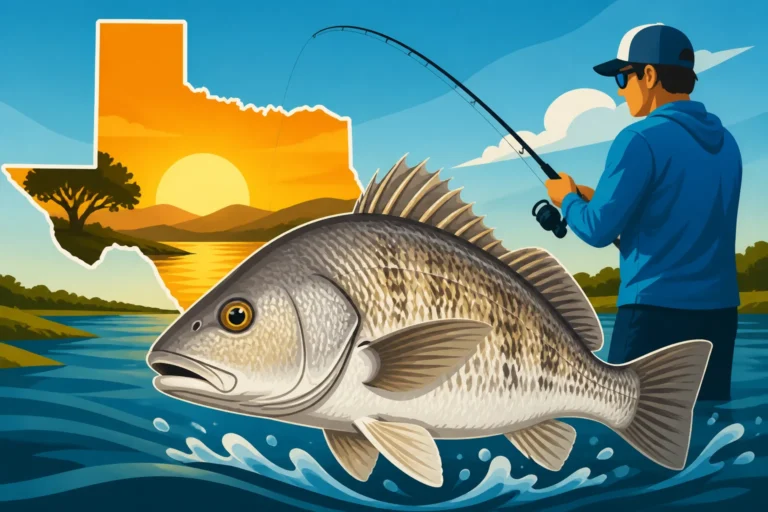
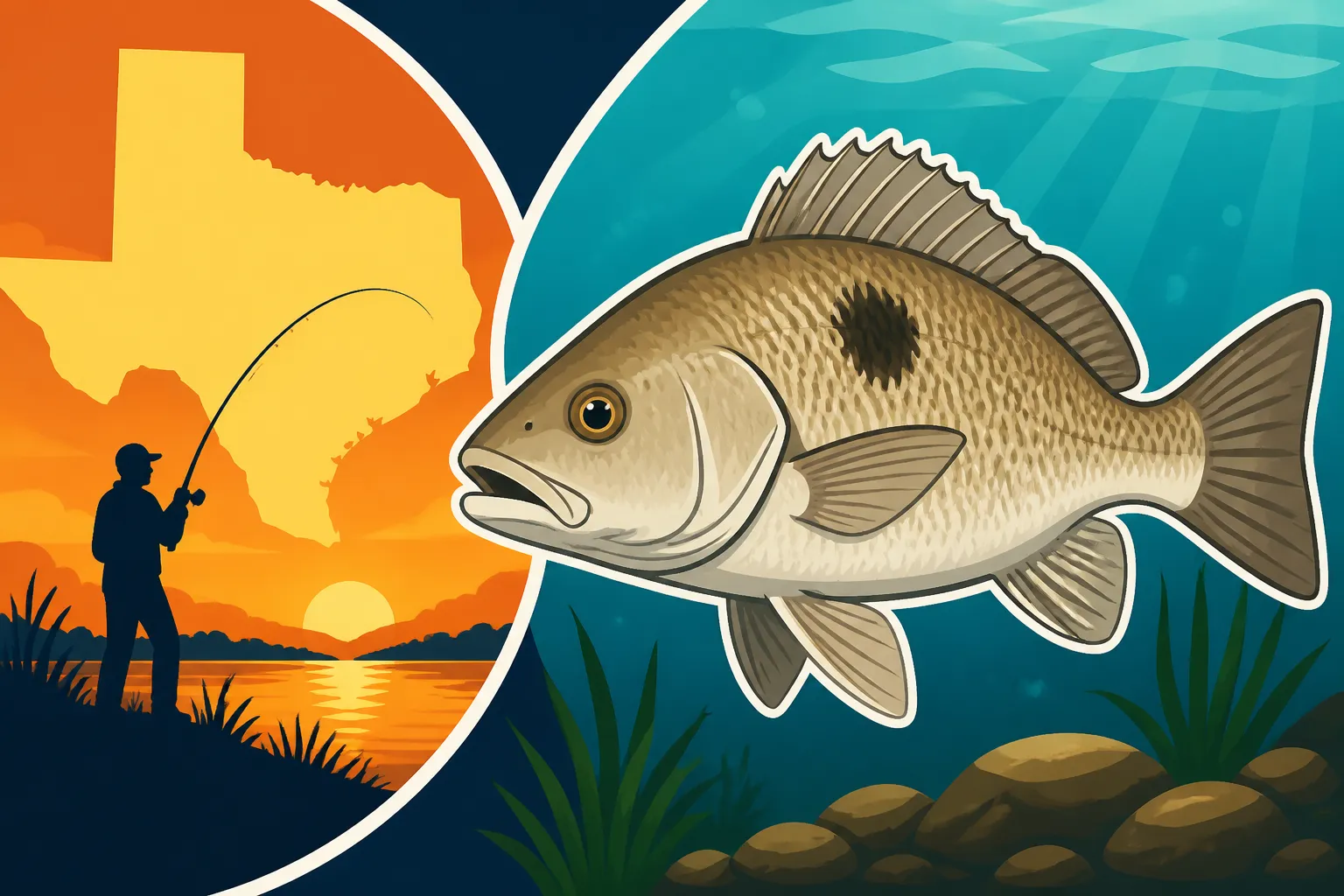
The freshwater drum has a distinct look once you know what to spot. They typically have a deep, somewhat compressed body, often with a silvery-bronze color that can vary depending on the water clarity. Their fins are usually dusky, and they possess a long, continuous dorsal fin. One of their most noticeable features is their lateral line, which is prominently arched and extends all the way to the end of their caudal (tail) fin – a characteristic that sets them apart from many other freshwater species.
Another fascinating feature, though not visible until you've caught one, are their otoliths, or "ear bones." These bony structures are located in their heads and are quite large and distinctive. Historically, some cultures collected these as good luck charms! A mature freshwater drum can grow to be quite large, with some specimens reaching over 20 pounds, though most you'll encounter will be in the 1-5 pound range. Don't let their bottom-dwelling reputation fool you; these fish are built to last and can put up a surprisingly strong fight on the line.
Habitat and Distribution in Texas
One of the great things about freshwater drum is how widespread they are in Texas. You'll find them in almost every major river system and large reservoir across the state. They're incredibly adaptable and thrive in a variety of conditions, from clear lakes to murky river stretches. They particularly favor deeper, open water areas with soft, silty, or sandy bottoms, often congregating around submerged timber, rock piles, or ledges where they can forage for food. Think about those long, sweeping bends in the Trinity River or the deep channels of Lake Texoma, and you're imagining classic drum territory. You might not always target them, but they're a consistent presence.
They’re a hardy species, capable of tolerating a wide range of water temperatures and oxygen levels. This resilience is a big part of why they've successfully colonized so many of our Texas waterways, quietly going about their business at the bottom of the food chain.
The Freshwater Drum's Role in the Ecosystem and Fishing World
It's easy to overlook a fish that spends most of its time rooting around on the bottom, but the freshwater drum plays a vital role in our aquatic environments. Plus, for anglers in the know, they offer a unique and often unexpected fishing experience.
Diet and Feeding Habits
Freshwater drum are primarily bottom feeders, and they're not picky about their menu. Their diet consists mostly of aquatic insects, small crustaceans like crayfish, and mollusks such as snails and mussels. They have strong pharyngeal teeth (located in their throat) that are perfectly designed for crushing the shells of their hard-shelled prey. This makes them an important part of the ecosystem, helping to control populations of bottom-dwelling invertebrates.
Because of their feeding habits, you'll often find them lurking near shell beds or areas with abundant clam and mussel populations. This bottom-dwelling nature also influences the best ways to catch them, which we'll get into a bit later. They're like the quiet cleanup crew of our lakes and rivers, diligently sifting through the substrate for their next meal.
Why Anglers Love (or Overlook) Them
Alright, let's address the elephant in the room. Freshwater drum have a bit of a mixed reputation. Some anglers consider them a nuisance, a "trash fish" that gets in the way of catching more glamorous species like bass or catfish. They might pull them in and toss them back without a second thought. However, a growing number of Texas anglers are starting to appreciate the freshwater drum for what it is: a surprisingly strong fighter. When you hook into a big one, especially in current, it can truly put your tackle to the test. They make powerful runs and headshakes, providing an exciting battle that can rival many other game fish. If you’re looking for a fun challenge, targeting these fish can be incredibly rewarding. For a more detailed look at catching them, you might want to check out a Texas Freshwater Drum Fish Guide.
Edibility and Preparation
This is where the "trash fish" moniker really gets debunked. Despite what some old-school anglers might tell you, freshwater drum are absolutely edible and, in many people's opinion, quite delicious. The key, like with many fish, is proper handling and preparation. Their flesh is firm, white, and flaky, with a mild flavor that can be quite versatile in the kitchen. Many people compare their taste and texture to that of their saltwater cousin, the red drum (redfish), which is highly prized for its table fare on the Texas coast.
To get the best eating experience, it’s recommended to clean them quickly after catching, especially on hot Texas days. Filet them, remove any red meat along the lateral line (which can impart a stronger flavor), and then cook them up. They're excellent fried, baked, or grilled. If you've been hesitant to try one, I highly encourage you to give it a shot. You might be surprised by how good they are. For more details on this particular aspect, definitely read up on Is freshwater drum good to eat.
Fishing for Freshwater Drum in Texas
Now that you know what they are and why they're worth a second look, let's talk about how you can actually get them on the hook. You don't need fancy gear or obscure techniques; often, the simplest approaches are the most effective.
Best Baits and Rigs
Given their bottom-feeding nature, the best baits for freshwater drum are typically natural offerings presented on or near the bottom. Think about what they naturally eat:
- Shrimp: This is a fantastic all-around bait. Fresh or frozen, drum can't resist it.
- Worms: Nightcrawlers or red wigglers are always a good bet for almost any bottom feeder.
- Mussels/Clams: If you can find them fresh, these are exactly what drum are designed to eat.
- Crawfish: Live or dead, these are a natural food source for bigger drum.
For rigging, a basic bottom rig is usually all you need. A Carolina rig or a simple sinker-and-hook setup works wonders. I like to use a small to medium-sized circle hook (size 1 to 3/0, depending on the bait size) because it's effective for drum and minimizes gut-hooking. Attach a weight heavy enough to keep your bait on the bottom, especially in current, and you're good to go. You can find a lot of great basic gear for these setups, like hooks and sinkers, on sites like Amazon, making it easy to stock up. When you're choosing your bait and tackle, remember to consider what works for other bottom feeders; you can even consult a guide like Best Bait and Lures for Texas Fishing for more ideas.
Where and When to Target Them
One of the beauties of freshwater drum is their year-round activity. They don't typically shut down in cold weather or become impossible to catch in the heat.
- Season: While you can catch them any time of year, they can be particularly active during warmer months when their natural food sources are abundant. However, they'll still bite well in winter in deeper holes.
- Time of Day: Early morning and late evening often yield the best results, but they'll bite throughout the day, especially if you're hitting active spots. Night fishing for drum can also be incredibly productive.
- Location: Focus on areas with soft bottoms, deeper channels, and submerged structures.
- Rivers: Look for deep bends, log jams, and areas where current creates natural depressions.
- Lakes/Reservoirs: Target creek channels, old river beds, ledges, and humps. They'll also congregate around bridge pilings and rip-rap. If you're looking for general ideas on where to cast your line, Best Places to Fish in Texas can offer some excellent starting points for your next trip.
Gear Recommendations
You don't need highly specialized gear to catch freshwater drum, which is another point in their favor. A medium-heavy spinning or baitcasting rod and reel combo with a decent drag will handle most drum you encounter.
- Rod and Reel: A 6'6" to 7' medium-heavy rod paired with a 3000-4000 series spinning reel or a baitcaster capable of handling 12-20 pound test line is ideal. This setup provides enough backbone to fight a strong fish and enough sensitivity to feel those subtle bottom bites. Check out guides like Best Fishing Rods for Texas Anglers and Best Fishing Reels for Texas Anglers to help you pick the right equipment for any type of fishing you might do in Texas.
- Line: Monofilament or fluorocarbon in the 12-17 pound range works well. If you're fishing around heavy cover, consider bumping up to 20-pound test or using braided line with a fluorocarbon leader for abrasion resistance.
- Terminal Tackle: As mentioned, 1/0 to 3/0 circle hooks, various sizes of egg sinkers or barrel weights (1/2 oz to 1 oz), and some sturdy swivels and snaps for quick rig changes. These essentials can easily be found online or at your local tackle shop.
Freshwater Drum Regulations in Texas
Even though freshwater drum are not typically considered a "glamour species," it's always important to know the rules when you're out on the water. Responsible angling means understanding and adhering to local regulations.
Bag and Length Limits
Good news for freshwater drum enthusiasts: in most Texas public waters, there are no statewide daily bag or length limits for freshwater drum. This means you can keep as many as you wish, provided they are of any size. However, it is absolutely crucial to always double-check the current regulations published by the Texas Parks and Wildlife Department (TPWD) before you head out, as special regulations can apply to specific lakes or river segments. While statewide rules are generally consistent, it's always best to be certain. You can typically find detailed information about species-specific rules in documents like Texas Fish Bag and Length Limits.
License Requirements
This one is simple and non-negotiable: yes, you absolutely need a valid Texas fishing license to legally fish for freshwater drum, or any other fish, in Texas public waters. This applies whether you're targeting them specifically or just catching them incidentally while fishing for something else. There are very few exceptions to this rule, primarily related to very young anglers or those fishing on Free Fishing Day. If you're 17 years old or older, you need a license. It's the law, and it's how our state funds important conservation and management programs that keep our fisheries healthy. Make sure you're up-to-date on your Texas Fishing License Requirements Explained before your next outing.
| Feature | Freshwater Drum | Notes |
|---|---|---|
| Scientific Name | Aplodinotus grunniens | "Grunniens" means "grunting" or "drumming" |
| Common Names | Gaspergou, Sheepshead | Don't confuse with saltwater sheepshead! |
| Primary Habitat | Rivers, Lakes, Reservoirs | Found across Texas, favors soft bottoms, deep channels, and structures |
| Diet | Invertebrates, Mollusks | Crushes shells with pharyngeal teeth; important bottom cleaner |
| Fight | Strong, surprising | Often underestimated, provides a good battle, especially larger specimens |
| Edibility | Excellent | White, flaky, mild flesh; similar to red drum when properly prepared |
| Texas Limits | No statewide limits | Always check TPWD for local exceptions, but generally unlimited |
| License Req. | Yes | Standard Texas fishing license required for anglers 17 and older |
Disclaimer
This article is for general informational purposes only and does not constitute professional advice. Laws, prices and regulations vary by location and change over time. Consult a qualified professional for guidance on your specific situation.