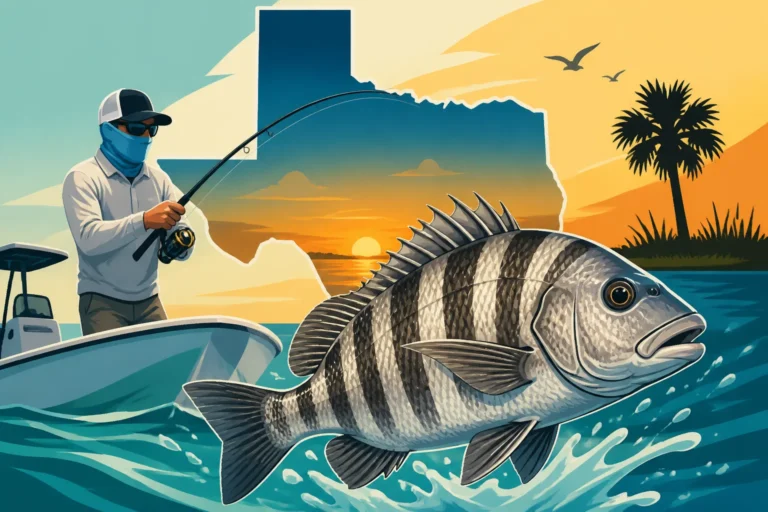
How big do speckled trout get in Texas
Oh, the elusive Texas speckled trout! It's a question that's probably crossed every saltwater angler's mind when they hook into one of these beautiful fish: "Just how big can this thing get?" We all dream of landing that monster "gator trout" that stretches the tape and pulls the scales down, but the reality is, most of what we catch are much smaller. This guide is dedicated to pulling back the curtain on speckled trout sizes in Texas, diving deep into what makes them grow, what constitutes a trophy, and what you can realistically expect from our bountiful Texas bays.
How Big Do Speckled Trout Really Get in Texas? Demystifying the Numbers
There's a significant difference between the average speckled trout you might reel in on a typical weekend and those truly legendary fish that make the local tackle shop wall of fame. Many anglers, especially those new to saltwater, often have grand expectations, only to find that catching a truly large "spec" requires a blend of skill, patience, and often, a little bit of luck in the right spot at the right time. Let's break down what's common and what's truly exceptional.
The Average Speckled Trout vs. The Legend
When you spend a day out on Galveston Bay, Matagorda Bay, or the Laguna Madre, you'll likely encounter a lot of speckled trout in the 15 to 20-inch range. These are fantastic fish, offering a good fight and excellent table fare, and they represent the bread and butter of our Texas trout fishery. They’re healthy, abundant, and keep us coming back for more. This size range is typical for trout that are a couple of years old and have grown well in our fertile bay systems.
However, the "legend" is what many call a "gator trout" – a speckled trout exceeding 25 inches, sometimes pushing well into the 30-inch mark. These fish are rare, much older, and often much heavier than their length might suggest, with broad shoulders and powerful tails. They are the apex predators of the flats, surviving numerous challenges to reach such impressive sizes. Catching one of these requires not just the right spot, but often specialized techniques and gear. Many anglers spend years, even decades, chasing these giants, and they are truly a prized catch. When you're out there, you might hear tales of these giants, but actually seeing one in person, let alone catching it, is an experience you won't soon forget.
Texas State Record and Notable Trophy Catches
The pinnacle of speckled trout size in Texas is, of course, the state record. For many years, the Texas Parks and Wildlife Department (TPWD) has meticulously tracked these records, showcasing the incredible potential of our waters. The current state record for a speckled trout stands at an astounding 15 pounds, 6 ounces, caught in 1996 in the Lower Laguna Madre. This fish was a true anomaly, a testament to the rich ecosystem and the potential for a trout to grow to an incredible size under optimal conditions. Imagine the thrill of reeling in a fish that large! It's the kind of story that gets told around campfires for generations.
Beyond the official state record, many anglers catch and release "trophy" speckled trout every year. These might be fish that weigh 8, 9, or even 10 pounds – giants in their own right, even if they don't break a record. Tournaments often have divisions for "big trout," and a 30-inch speckled trout, even if it's not the heaviest, is widely considered a true trophy. These are the fish that dominate fishing reports and social media feeds, igniting the passion of other anglers. They're proof that our Texas coastal waters hold incredible potential, and they serve as inspiration for those of us who spend countless hours casting. When you are preparing for such a trip, make sure to check Texas Saltwater Bag Limits by Species to understand what you can legally keep.
Factors That Influence Speckled Trout Size in Texas
The size a speckled trout attains isn't just a matter of random chance; it's a complex interplay of environmental factors, food availability, and even the fish's own genetic makeup. Understanding these elements can give you a better appreciation for these incredible fish and even help you target bigger ones.
Food Abundance and Habitat Quality
Just like any creature, speckled trout need a steady and abundant food supply to grow large. Our Texas bays are teeming with baitfish and crustaceans, which form the cornerstone of a trout's diet. Shrimp, mullet, menhaden, pinfish, and croaker are all on the menu, and when these forage species are plentiful, trout have the fuel they need to pack on the pounds. Bays with healthy grass flats, expansive oyster reefs, and deep channels tend to hold more bait, and consequently, bigger trout. Areas like the vast Laguna Madre, known for its hypersalinity and extensive seagrass beds, are prime examples of ecosystems that consistently produce larger-than-average speckled trout. The intricate structure of these habitats provides both ambush points for trout and shelter for their prey.
On the flip side, areas with depleted bait populations or degraded habitats might still hold trout, but these fish are likely to be smaller due to a constant struggle for food. Pollution, habitat destruction, and even severe weather events can all impact the health of a bay system and, by extension, the growth potential of its speckled trout population. Maintaining the quality of our coastal ecosystems is paramount for fostering those impressive gator trout. If you are interested in where to find good fishing spots, consider checking out Best Texas Gulf Coast Fishing Spots.
Environmental Conditions: Salinity, Temperature, and Health
Speckled trout are fairly resilient, but specific environmental conditions play a massive role in their growth and overall health. Salinity, or the salt content of the water, is particularly important. Speckled trout thrive in brackish to high-salinity waters, with many of the largest fish being caught in the saltier lower bays. Fluctuations due to heavy rains or prolonged droughts can affect trout, and while they can tolerate a range, consistent, favorable salinity helps them grow without stress.
Water temperature is another critical factor. Trout are cold-blooded, so their metabolism is directly tied to water temperature. Mild winters, where temperatures don't drop too low for too long, allow trout to continue feeding and growing throughout the year. Conversely, harsh freezes can cause significant trout kills, impacting the population's age structure and the number of large fish. Summer heat also plays a role; while trout feed actively, extremely hot, stagnant water can stress them, pushing them to deeper, cooler areas. Keeping the water clean and free of pollutants also ensures a healthier fish population, allowing them to allocate energy to growth rather than fighting off disease or stress. Many anglers look for specific water conditions that influence fish behavior, which is why resources like How to Read a Texas Lake Fishing Report can be helpful, even for saltwater.
Genetics and Age: The Role of Time
Ultimately, a speckled trout's potential size is limited by its genetics. Some trout are simply predisposed to grow larger and faster than others. While all trout benefit from good conditions, a trophy-sized fish often has that genetic edge. However, even with the best genetics, time is the most crucial ingredient for a truly massive speckled trout. It takes years for a trout to reach those impressive 25-inch-plus sizes. A 15-inch trout might be 1-2 years old, while a 25-inch trout could be 5-8 years old, and a true gator trout pushing 30 inches might be a decade old or more. These older fish have survived countless challenges – predators, anglers, storms, and environmental shifts.
The fact that Texas still produces such large speckled trout is a testament to the effectiveness of our conservation efforts, including bag and length limits. These regulations help ensure enough fish survive to reach trophy sizes, allowing them to reproduce and pass on their strong genetics. Without these measures, the chances of encountering a truly giant speckled trout would be significantly diminished. You can find more information about regulations in articles like Texas Fish Bag and Length Limits.
Growth Rates and Lifespan of Speckled Trout
Understanding how speckled trout grow and how long they live helps us appreciate the magnitude of catching a true giant. It also underscores the importance of conservation, particularly catch and release, for these older, larger fish.
From Fingerling to Feeder: The Trout's Growth Journey
Speckled trout begin their lives as tiny fingerlings, growing rapidly in the nutrient-rich estuarine nurseries. In their first year, they can reach lengths of 8-12 inches, feeding voraciously on small shrimp and baitfish. This initial growth spurt is critical, setting the stage for their future development. As they mature, their growth rate slows down, but they continue to add length and, more significantly, weight. By age two, they might be in the 15-18 inch range, becoming strong, active predators.
The environment plays a huge role here; if food is plentiful and conditions are stable, trout will grow faster and healthier. Conversely, harsh conditions or a scarcity of prey can stunt their growth. A trout that reaches 20 inches by its third year is considered a good-sized fish, indicative of a healthy environment. It’s a remarkable transformation from a tiny speck to a formidable predator in just a few years. For beginners looking to get into saltwater fishing, learning about the full range of species can be fun, such as what is covered in Texas Saltwater Game Fish Species Guide.
How Age Relates to Length and Weight
There's a general correlation between a speckled trout's age, length, and weight, though individual fish can vary widely. Scientists often use otoliths (ear bones) to accurately determine a fish's age, much like counting rings on a tree. For anglers, however, length is the most common indicator.
Here's a rough approximation for speckled trout in Texas:
| Age (Years) | Average Length (Inches) | Average Weight (Pounds) | Notes |
|---|---|---|---|
| 1 | 8-12 | <1 | Fast initial growth, often just reaching legal size |
| 2 | 15-18 | 1-2 | Common keeper size, good fighters |
| 3-4 | 18-23 | 2-4 | Strong, mature fish, good eating size |
| 5-7 | 24-28 | 4-8 | Entering "gator trout" territory, highly prized |
| 8+ | 29-33+ | 8-15+ | True trophy fish, very rare, often broad-shouldered |
Note: These are averages, and actual growth can vary significantly based on genetics, food availability, and environmental stress.
As you can see, the jump in weight from a 24-inch fish to a 28-inch fish can be quite substantial, as these older fish really begin to bulk up. This table highlights why those extra inches on a measuring board mean so much to seasoned anglers.
Why Older Trout are Often Bigger Trout
It's simple: the longer a speckled trout lives, the more opportunities it has to grow. Older trout have spent more years feeding, developing muscle, and avoiding predators. They've also successfully navigated numerous spawning cycles, contributing to future generations. These older, larger fish are often the most experienced and cunning, making them a challenge to catch. They are masters of their environment, understanding tidal flows, bait movements, and prime ambush points.
Catching an old, large speckled trout is a testament not just to your angling skill, but also to the health and vitality of the ecosystem it calls home. That's why many anglers advocate for the catch-and-release of these truly big fish. Releasing a large gator trout ensures it can continue to spawn, passing on its superior genetics and contributing to a robust population of future giants. It also means another angler might have the thrill of catching that same fish down the line. Many of the best fishing spots in Texas are home to these older, wiser fish.
Angling Strategies for Pursuing Texas Trophy Speckled Trout
While catching a massive speckled trout might seem like pure luck, there are definitely strategies you can employ to increase your odds. It's about understanding their behavior, knowing their preferred habitats, and using the right tools for the job.
Targeting Prime Habitats for Larger Fish
If you're serious about landing a gator trout, you need to focus on specific areas. Bigger trout aren't usually found in the same shallow, open water where you might catch a bunch of smaller ones. They prefer deeper grass beds, particularly those with access to deeper channels or guts, where they can ambush bait and retreat to safety. Large oyster reefs, especially those with good tidal flow, are also prime locations, as they attract a variety of forage species. During colder months, bigger trout often move into deeper channels, guts, and near structure like jetties or submerged reefs, seeking more stable water temperatures. Texas Speckled Trout Bag Limits are important to know before heading out.
Areas with significant baitfish concentrations are key. Look for diving birds, slicks on the water, or nervous baitfish jumping. These are all signs that predators, including large trout, are actively feeding. Focus your efforts during periods of good tidal movement, as this pushes bait and makes trout more active. Pay attention to subtle changes in bottom contour, even a foot or two difference in depth can hold a school of larger fish. Many anglers find great resources, including specialized maps and fishing reports, on platforms like Amazon to help pinpoint these prime locations.
Selecting the Right Gear and Techniques
Catching a truly big speckled trout often requires a bit of an adjustment in your gear and technique compared to fishing for average-sized fish. While lighter tackle is fun for smaller trout, a heavy gator trout can put a serious bend in a light rod and test your line strength.
Here’s a look at some common gear considerations:
| Gear Category | Standard Trout Fishing | Trophy Trout Fishing |
|---|---|---|
| Rod | Medium-light action, 7 ft | Medium-heavy action, 7-7.5 ft |
| Reel | 2500-3000 series spinning | 3000-4000 series spinning or low-profile baitcaster |
| Main Line | 10-15 lb braided | 15-20 lb braided |
| Leader | 15-20 lb fluorocarbon | 25-30 lb fluorocarbon |
| Lures | 1/8 – 1/4 oz jigs, small soft plastics, suspending twitchbaits | 1/4 – 1/2 oz heavier jigs, larger soft plastics (5-6 inches), topwaters, slow-sinking plugs |
| Hooks | Standard jig hooks, treble hooks | Heavier gauge jig hooks, stout treble hooks |
You'll want a rod with enough backbone to handle a powerful fish and a reel with a smooth, reliable drag. For lures, while smaller baits catch plenty of fish, bigger trout often key in on larger meals. Don't be afraid to throw a 5 or 6-inch soft plastic paddle tail or a hefty topwater plug. These larger baits often deter smaller trout, leaving your offering more visible to a true giant. Stronger fluorocarbon leader material, in the 25-30 pound range, is also crucial to withstand the rough mouths and strong runs of a big speckled trout. Many anglers stock up on their favorite brands of line and lures from popular online retailers like Amazon. For specific advice on different times of the year, you might want to read How to Catch Speckled Trout in Winter.
Conservation and Catch-and-Release for Future Giants
Given that it takes many years for a speckled trout to reach trophy size, conservation is incredibly important. The largest trout are often the most prolific spawners, contributing significantly to the overall health of the fishery. Catch-and-release practices, especially for fish over 25 inches, are highly encouraged. If you do catch a trophy trout and plan to release it, handle it with care. Minimize its time out of the water, support its body horizontally, and revive it gently before letting it go. Using a rubberized landing net can also help protect its slime coat and fins.
By practicing responsible angling, we can all contribute to ensuring that future generations of Texas anglers will continue to have the opportunity to chase and land those awe-inspiring, massive speckled trout that make our coastal waters so legendary.
Disclaimer
This article is for general informational purposes only and does not constitute professional advice. Laws, prices and regulations vary by location and change over time. Consult a qualified professional for guidance on your specific situation.