What is the Texas record speckled trout
Every angler who's ever waded a Texas bay or cast a line into the surf dreams of that one legendary fish – the kind that makes your heart pound and your arms ache. For many of us, especially along our incredible coastline, that dream fish is a giant speckled trout. It's easy to get caught up in the tales and wonder just how big these beautiful, aggressive predators can truly get. This guide is here to pull back the curtain on the incredible Texas state record speckled trout, diving into the details of this magnificent catch and what it means for those of us still out there chasing our own personal bests.
The Legendary Texas State Record Speckled Trout
Let's talk about the big one, the fish that etched its name into Texas angling history and set the bar incredibly high for every speckled trout enthusiast. The state record speckled trout in Texas is more than just a number; it's a testament to patience, skill, and a little bit of good old Texas luck. This isn't just a fish; it's a legend that whispers through every tide and across every oyster shell.
The Fish That Broke the Scales
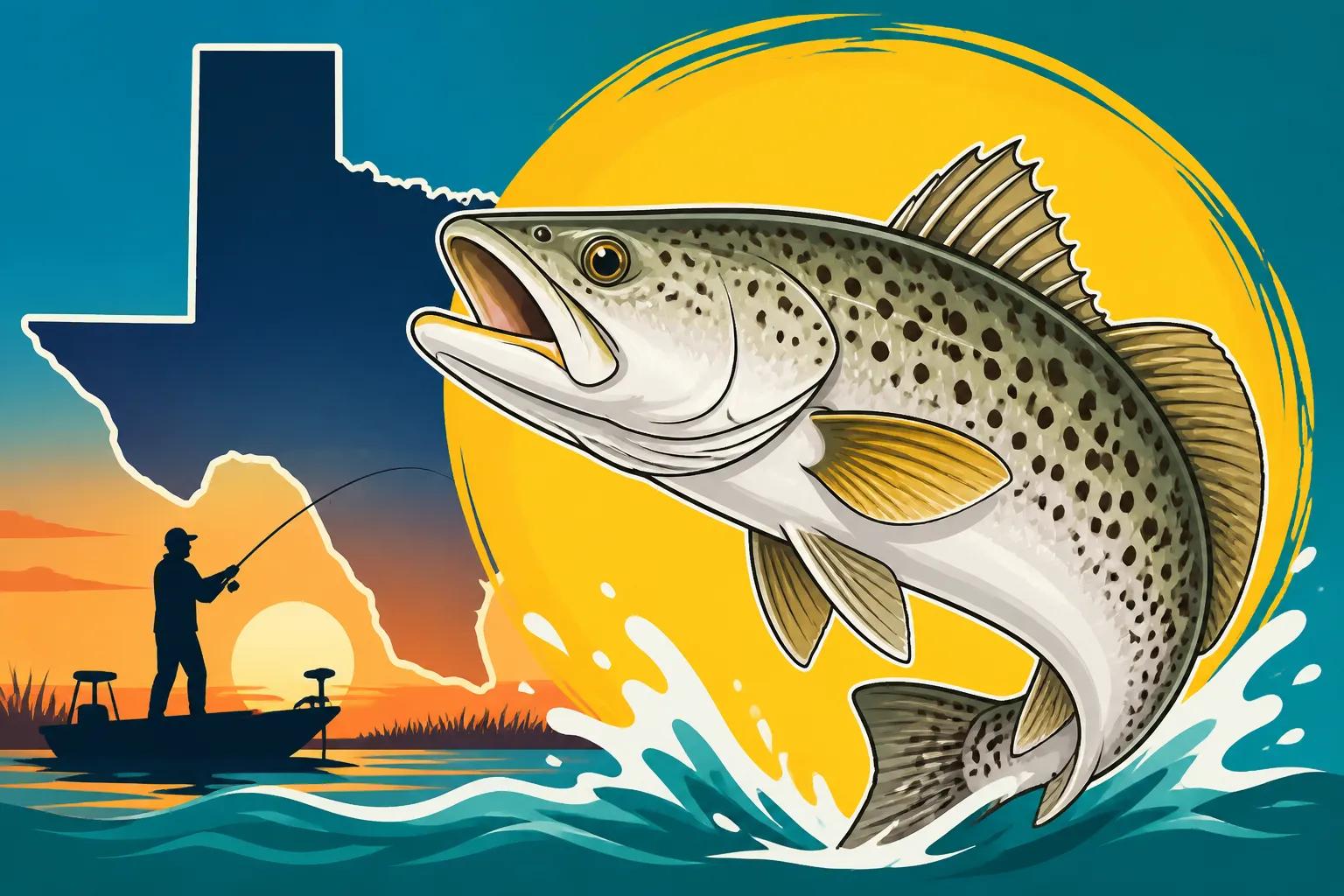
The Texas state record speckled trout stands as a monumental achievement in saltwater fishing. This incredible fish weighed in at a staggering 15 pounds, 6 ounces. Imagine the fight, the sheer power of a fish of that size pulling on your line! It was caught by a dedicated angler, Tony Campise, back in May of 1975. This record has stood the test of time, proving just how rare and special a catch of this magnitude truly is. It's a reminder that sometimes, those old stories about giant fish are absolutely true.
The sheer size of this speckled trout is truly remarkable. Most anglers are thrilled to land a "gator" trout in the 5 to 8-pound range, and even those are considered trophies. To push past that into the double digits is an experience few will ever know. The fact that this record has remained unbroken for so many decades speaks volumes about the challenge of finding and landing such a beast. It wasn't just a big fish; it was a perfect storm of conditions, angler skill, and an incredibly healthy, mature trout.
The Story Behind the Catch
Tony Campise's record-breaking speckled trout was reportedly caught in the Lower Laguna Madre, a shallow, hypersaline lagoon system known for its gin-clear waters and abundant marine life. This area, stretching along the southernmost part of the Texas coast, is famed for producing enormous speckled trout, redfish, and flounder. The Lower Laguna Madre's unique ecosystem, with its vast grass flats and productive channels, provides an ideal habitat for speckled trout to grow to incredible sizes.
The lore around such a catch often includes details about the bait, the tackle, and the specific conditions of the day. While the exact setup might be lost to common knowledge, what's clear is that Campise was in the right place at the right time, employing the right techniques to subdue such a formidable opponent. It underscores the importance of local knowledge, understanding the tides, and knowing how to present your bait in a way that tempts these discerning predators. For many of us, hearing these stories fuels our own ambitions and sends us back to the water with renewed hope. Texas Redfish Size and Bag Limits can give you a good idea of how other popular species stack up in this same productive water.
Chasing the Dream: What It Takes to Hook a Trophy Speckled Trout
While catching a 15-pound trout might seem like a once-in-a-lifetime fluke, dedicated anglers spend years, even decades, honing their skills and understanding the nuances of these incredible fish. Chasing trophy speckled trout requires a blend of knowledge, patience, the right gear, and a deep respect for the fishery. It's not just about luck; it's about making your own luck through preparation and persistence.
Prime Locations and Seasons for Giant Trout
If you're dreaming of a speckled trout that pushes past the 25-inch mark, let alone approaches double-digit weights, you need to be in the right spots during the right times. While the Lower Laguna Madre holds the state record, other bay systems along the Texas coast are also renowned for their trophy trout potential. Areas like Galveston Bay, Matagorda Bay, and Aransas Bay all have reputations for producing some truly massive specks, especially during specific times of the year.
Often, the cooler months, from late fall through early spring, are considered prime time for targeting big trout. During these periods, trout tend to school up in deeper guts, channels, and around oyster reefs, where they feed aggressively on baitfish and shrimp. They are often less scattered than in the warmer months, making them more predictable for dedicated anglers. Look for areas with good current, ambush points, and proximity to deeper water, as these are classic holding spots for larger trout. Understanding Texas Speckled Trout Bag Limits is crucial before you even hit these prime spots, so you know what you can legally keep.
| Season | Typical Behavior | Prime Locations | Common Baits/Lures |
|---|---|---|---|
| Fall | Migrating and feeding heavily, pre-spawn | Passes, jetties, deeper bay channels, grass flats | Live shrimp, topwater, soft plastics, suspending lures |
| Winter | Schooling in deeper waters, slower metabolism | Deep guts, protected channels, bayou mouths, near oyster reefs | Slow-moving soft plastics, live shrimp, Corkies |
| Spring | Pre-spawn and early spawn, moving to shallower flats | Shallow grass flats, sand pockets, protected coves | Topwater, soft plastics, MirrOlures |
| Summer | Scattered, feeding in low light or deeper, cooler areas | Early morning/late evening flats, deeper reefs, guts | Topwater (early/late), soft plastics, live croaker |
Essential Gear and Techniques for Big Specks
Trophy speckled trout don't get big by being easy to catch. They are wary, powerful, and demand appropriate gear. Forget the ultralight tackle you might use for panfish; you need equipment that can handle a serious fight. A medium-light to medium power rod with a fast action, paired with a reliable spinning reel spooled with 15-20 lb braided line and a fluorocarbon leader of 20-30 lb, is a good starting point. Having a high-quality fishing line that won't snap under pressure is paramount, and many anglers swear by specific brands they can easily find on Amazon.
When it comes to techniques, patience is key. Big trout often won't chase down a frantic retrieve. Slow, deliberate presentations of natural baits like live shrimp, croaker, or mullet are highly effective. For artificials, larger soft plastic paddle tails rigged on heavier jig heads, suspending twitch baits, and big topwater plugs can entice explosive strikes. Early morning and late evening are often the most productive times, especially for topwater action when these predators are most active. Always check the tides and look for moving water, which often signals feeding activity. Understanding how to use your chosen lure effectively is critical; for example, learning How to Fish Topwater Lures Early in the Morning can significantly improve your chances.
Beyond the Record: The Thrill of Chasing Trophy Speckled Trout
While breaking the state record is an incredible feat that few will ever achieve, the pursuit of a personal best or simply a genuinely large speckled trout is a thrilling endeavor that keeps countless Texas anglers coming back to the coast. It's about the challenge, the beauty of the fish, and the connection to the incredible Texas coastal environment.
The Allure of a "Gator" Trout
For most of us, a "gator" trout—a speckled trout pushing 25 inches or more—is the ultimate trophy. These fish are typically mature females, often referred to as "sow trout," and are vital to the health of the speckled trout population due to their spawning capabilities. Catching one of these magnificent creatures is an unforgettable experience. Their aggressive strikes, powerful runs, and beautiful spotted flanks make them one of the most sought-after game fish in Texas.
The pursuit of gator trout often involves specific strategies, like targeting areas with ample forage, structure, and current. Anglers might focus on specific lunar phases or tidal movements, believing these factors influence when big trout feed most actively. It’s also often about stealth; big trout are smart and wary. Minimize noise, make accurate casts, and present your bait naturally. Landing a gator trout is a culmination of many factors coming together, and it's a feeling of accomplishment that few other fishing experiences can match.
Conservation and the Future of Big Trout Fishing
With the immense popularity of speckled trout fishing, especially the pursuit of trophy fish, conservation efforts are more critical than ever. Many anglers who target larger trout practice catch and release, particularly with the biggest "sow trout," to ensure these valuable breeders can continue to contribute to the population. Regulations like slot limits and daily bag limits are also in place to help manage the fishery and protect larger, older fish. Always familiarize yourself with Texas Saltwater Fishing Regulations before heading out.
Supporting organizations that work to conserve coastal habitats and advocate for sustainable fishing practices is also vital. The health of our bay systems directly impacts the ability of speckled trout to grow to trophy sizes. By being responsible anglers, respecting limits, and practicing sound conservation principles, we can help ensure that future generations of Texans will also have the opportunity to chase their own dream speckled trout. Consider carrying a quality measuring device and camera (many can be found on Amazon) to quickly document your catch before a careful release. This way, you can celebrate your trophy without removing it from the ecosystem.
Disclaimer
This article is for general informational purposes only and does not constitute professional advice. Laws, prices and regulations vary by location and change over time. Consult a qualified professional for guidance on your specific situation.