What invasive fish species are found in Texas lakes
There’s nothing quite like the feeling of reeling in a beautiful fish from a Texas lake – the tug on the line, the splash, and the sheer satisfaction. But beneath those shimmering waters, a silent, persistent battle is being waged, one that directly impacts our beloved native fish species and, let’s be honest, our entire fishing experience. We're talking about invasive fish species, and they're a bigger deal than many anglers realize, posing a real threat to the delicate balance of our aquatic ecosystems. This guide is here to shed light on who these unwelcome guests are, why they're a problem, and what we can all do to protect the incredible fisheries we cherish here in Texas.
What Exactly Are Invasive Fish Species and Why Should Anglers Care?
You might hear terms like "non-native" or "exotic" floating around, and while these are related, an invasive species is a whole different ballgame. A non-native species is simply one that isn't originally from a particular ecosystem. Think of it like a new kid moving to town – they're new, but they might integrate just fine. An invasive species, however, is that new kid who comes in, bullies everyone, eats all the snacks, and generally causes chaos. They are non-native species that cause or are likely to cause economic or environmental harm or harm to human health. When we talk about fish, this often means they reproduce quickly, have no natural predators, and aggressively compete with or prey upon our native species.
Why should this matter to you, the angler? Well, imagine your favorite fishing spot. Perhaps it's a quiet cove on Lake Fork known for its trophy largemouth bass, or a stretch of the Trinity River where you consistently pull out impressive channel catfish. When invasive fish take hold, they disrupt the entire food web. They might gobble up the same insects and smaller fish that our native bass or crappie rely on for food, or they might even eat the eggs and fry of those desirable game fish directly. This competition and predation can lead to fewer native fish, smaller fish, and a generally less healthy fishery. It’s incredibly frustrating to see a lake overrun with undesirable species when you're hoping for a good fight from a native catch. Over time, invasive species can fundamentally change the entire character of a lake or river, making it a much less enjoyable place to fish, or even worse, severely impacting its biodiversity forever. Understanding Texas Freshwater Fishing Regulations and Texas Saltwater Fishing Regulations becomes even more critical when considering how to manage these threats.
Beyond the direct impact on fish populations, invasive species can also alter the physical environment. Some invasive bottom-feeders, for instance, stir up sediment, reducing water clarity and making it harder for native sight-feeders to hunt, and for aquatic vegetation (which provides crucial cover and food) to thrive. This can make the water murky, affect aquatic plant life, and frankly, make the whole experience of being out on the water less appealing. It's not just about what's biting; it's about the health of the entire waterway we depend on for our outdoor recreation.
The Most Common and Troublesome Invasive Fish in Texas Lakes
Texas is a big state with diverse aquatic environments, and unfortunately, we’ve seen our share of unwanted aquatic residents. While you might encounter various non-native species, some truly stand out as invasive because of their detrimental impacts. It’s good to be aware of what to look for, not just for identification, but so you can understand their impact on your target species like those discussed in the Texas Largemouth Bass Fishing Guide or Texas Crappie Fishing Guide.
Here are a few of the more notorious finned invaders you might come across in Texas waters:
Tilapia
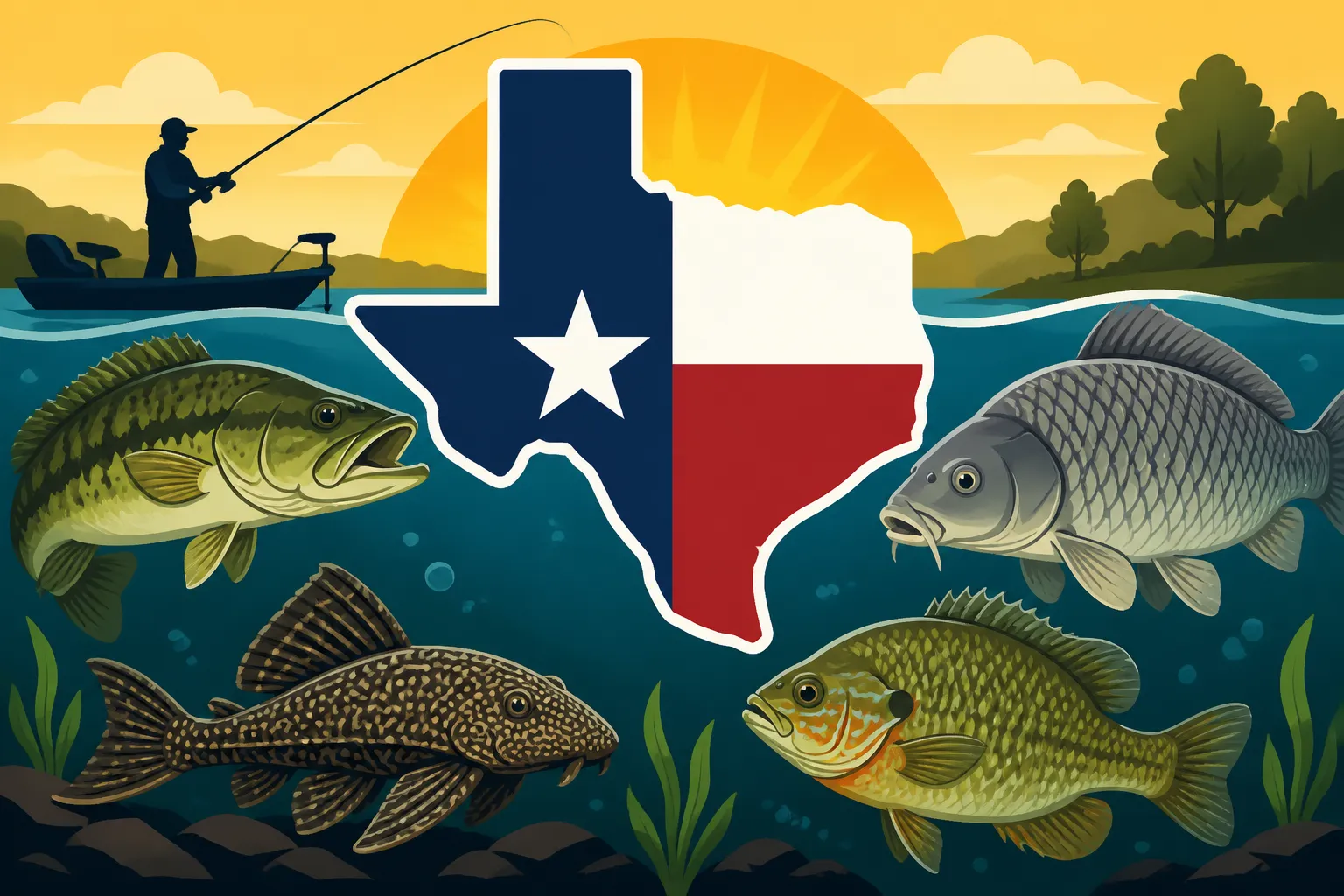
Oh, Tilapia. While often raised for food in aquaculture and even stocked in some private ponds, when they escape into public waters, they can become a serious problem. You might think, "Hey, a fish is a fish, right?" Not always. Tilapia are highly prolific, meaning they reproduce at an alarming rate, often several times a year. They're also incredibly hardy and can tolerate a wide range of water conditions, from warm, low-oxygen water to slightly brackish environments.
Their biggest offense, however, is their diet and behavior. Tilapia are primarily vegetarians, grazing on algae and aquatic plants, but they’ll also eat detritus and even small invertebrates. When they populate an area in large numbers, they directly compete with native species like sunfish and baitfish for food resources. Furthermore, some species of tilapia are nest builders, creating depressions in the lakebed that can disturb the spawning beds of native fish. Imagine a bunch of these fish churning up the bottom where our beloved Texas largemouth bass fish are trying to lay their eggs. It's a real disruption to the natural order, and their aggressive feeding can strip a lake of vegetation that other species depend on for cover and food. You might even find yourself catching more tilapia than the sport fish you set out for, which can be a real letdown.
Suckermouth Catfish (Plecostomus)
These guys are instantly recognizable with their armored bodies and large, suckermouths. Often sold as "algae eaters" for home aquariums (sometimes under the general name "pleco"), these fish are unfortunately dumped into local waterways when they outgrow their tanks. This is a common tale for many invasives, and it's a terrible practice. Once established, they can grow quite large – some species reach over a foot in length!
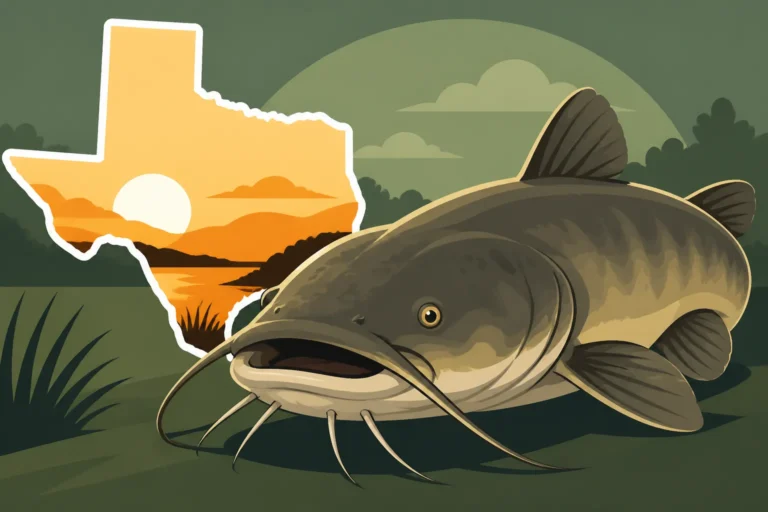
Suckermouth catfish are primarily herbivores, using their unique mouths to scrape algae and biofilm off surfaces. While "algae eater" might sound benign, their impact is anything but. Like tilapia, they can stir up immense amounts of sediment, clouding the water and making it difficult for native species to forage or for sight-feeding predators to hunt. This constant agitation of the bottom can also uproot beneficial aquatic vegetation. Furthermore, they compete with native bottom-dwellers for food and habitat. Their armored bodies and lack of natural predators in Texas waters mean their populations can explode, creating a huge ecological imbalance. They're tough to get rid of once they're there, making them a significant concern for the long-term health of our lakes. It's a frustrating catch for many anglers, not offering the fight or table fare of a native Texas Catfish Species Guide channel or blue cat.
Asian Carp (Grass Carp)
The term "Asian carp" actually refers to several species, but the Grass Carp is one you might encounter, especially in larger Texas systems. Originally introduced to control aquatic vegetation, sterile versions of these fish are still used for this purpose in contained environments. However, fertile populations have made their way into some public waters. These fish are big, can grow very fast, and are voracious plant eaters.
While controlling overabundant vegetation might sound good, non-native grass carp can decimate beneficial native vegetation that provides critical habitat, food, and cover for a wide array of fish, insects, and waterfowl. This can drastically alter the aquatic ecosystem, leading to a cascade of negative effects throughout the food chain. Without vegetation, water quality can decline, and the very structure of the habitat that our native game fish rely on can be destroyed. They also compete with native species that feed on vegetation or the insects living in it. You might not always see them, but their impact can be felt in the health of the entire system.
Here's a quick overview of some common invasive species you might find:
| Invasive Fish Species | Primary Impact in Texas Waters | Key Identification Features |
|---|---|---|
| Tilapia | Rapid reproduction, outcompete native sunfish/baitfish, disturb spawning beds, consume beneficial vegetation. | Deep, compressed body; often silvery or olive-brown; small mouth; single dorsal fin typically spiny in front and soft-rayed in back. |
| Suckermouth Catfish (Pleco) | Stir up sediment, reduce water clarity, uproot vegetation, compete with native bottom-feeders. | Armored plates covering body; flattened underside; distinct suckermouth; varied color patterns (browns, blacks, spots). |
| Grass Carp | Voracious consumption of aquatic vegetation, destroying habitat and food sources for native species. | Large, torpedo-shaped body; silvery-gray to olive; large scales; typically no barbels (unlike native carp). |
| Giant Salvinia | (Though a plant, it’s a major aquatic invasive that impacts fishing, often transported with fish/boats.) | Free-floating fern, forms dense mats that block sunlight, reduce oxygen, make fishing impossible. |
Note: While Giant Salvinia isn't a fish, it's such a pervasive and damaging aquatic invasive that anglers frequently encounter its effects when trying to fish. It often hitches rides on boats and gear, just like invasive fish eggs or larvae.
How Invasive Species Get Here and What You Can Do to Help
It's easy to point fingers, but the truth is, many invasive species arrive in our waters through accidental or well-intentioned but misguided human actions. Understanding these pathways is the first step in preventing further introductions. We all have a role to play, from weekend warriors to seasoned pros.
One of the biggest culprits is the unwanted aquarium or water garden pet. Remember those cute little plecos or goldfish? They grow, and sometimes people, rather than properly rehoming them or euthanizing them, release them into a local pond or stream, thinking they’re "setting them free." This is perhaps one of the most damaging actions an individual can take. That small act of perceived kindness can introduce a species that will wreak havoc for decades. Instead, explore local pet stores for rehoming options, check with zoos or educational facilities, or consult humane euthanasia methods. Never, ever release non-native pets into the wild.
Another significant pathway is live bait. It’s common practice to use live bait, but if you have leftover baitfish, it's crucial not to release them into the water body you’re leaving. Those minnows or shad might be a species native to a different watershed or even carry diseases or parasites that could decimate the local fish populations. Always dispose of unused bait in the trash, far away from any water source. This simple act of vigilance can prevent countless problems. This applies whether you're fishing freshwater or saltwater, because certain bait can cause problems in either environment.
Finally, and perhaps most importantly for many of us, is the transport of boats and fishing gear. This is where the mantra "Clean, Drain, Dry" comes into play, especially for things like zebra mussels (a mollusk, not a fish, but a huge invasive threat in Texas that often travels with boats). Even microscopic larvae or plant fragments can hitch a ride on your boat hull, trailer, fishing lines, waders, or even your boots. If you move your equipment from an infested lake to a clean one, you could be unknowingly carrying the next invasive problem.
Here’s how you can be a hero for Texas waters:
- Clean: Inspect your boat, trailer, and all fishing gear (lines, lures, nets, waders, boots) for any visible plants, mud, or organisms. Remove it all before you leave the boat ramp. You can find robust boot brushes or even portable pressure washers on platforms like Amazon that can make this process quicker and more thorough.
- Drain: Pull your drain plug and drain all water from your boat, livewell, and bait buckets before you leave the lake. Standing water can harbor microscopic larvae and organisms. For those carrying fish in a livewell, consider how you might need to adapt if you catch an invasive species.
- Dry: Allow all equipment to thoroughly dry for at least a week before using it in a different water body. If drying isn't possible (e.g., you're fishing multiple lakes in a short period), a good hot water rinse (over 140°F) or a high-pressure wash can help eliminate hitchhikers. This isn't just a suggestion; it's a critical preventative measure. Understanding Texas Boat Registration Requirements also means understanding the responsibility that comes with boat ownership.
Every angler has a responsibility to adopt these practices. It’s not just about compliance; it's about being a good steward of our natural resources and protecting the fisheries for future generations. For more general guidelines, see Texas Fishing License Requirements Explained.
Reporting and Eradication Efforts: Your Role in the Bigger Picture
What happens if you actually catch an invasive fish, or spot something suspicious that looks like an invasive species? Your immediate actions can make a real difference. First and foremost, do not release it back into the water. This is a critical step. While you might feel a pang of guilt, releasing an invasive fish back simply allows it to continue its harmful impact.
For many invasive fish species, particularly those like tilapia or suckermouth catfish, the general rule is to humanely dispatch them and do not return them to the water. Some anglers choose to keep them for consumption (some invasive species, like tilapia, are indeed edible), but the main goal is removal. Always check the specific Texas Fish Bag and Length Limits for any regulations on non-native species, as rules can sometimes differ, though generally, there are no limits on invasives if they are identified correctly.
Equally important is reporting your find. The Texas Parks and Wildlife Department (TPWD) relies heavily on citizen reports to track the spread of invasive species. If you catch an invasive fish, take clear photos of it, note the exact location (GPS coordinates if possible, or very specific landmarks), and report it to TPWD. You can usually find a dedicated reporting portal or contact information for aquatic invasive species on their official website. This data helps biologists understand where these species are spreading, how quickly, and helps inform management and eradication strategies. Knowing Where to Buy a Texas Fishing License In Person also means you often interact with local tackle shops or TPWD agents who can provide guidance.
Eradication of established invasive fish populations is incredibly challenging, often costly, and sometimes impossible in large, complex ecosystems. Methods can include targeted netting, electrofishing, or even chemical treatments in contained systems. The focus often shifts from complete eradication to containment and management to minimize their impact. However, prevention, as discussed, is by far the most effective and least expensive solution.
As anglers, we are on the front lines. We are often the first to notice changes in a fishery, the appearance of new species, or unusual plant growth. Being informed, being vigilant, and taking action are our best tools. Don't underestimate the power of simply taking a good photo and making a report; it helps TPWD monitor these threats. By working together, adhering to simple prevention guidelines, and reporting what we find, we can all contribute to keeping Texas lakes healthy, vibrant, and teeming with the native fish we love to catch.
Disclaimer
This article is for general informational purposes only and does not constitute professional advice. Laws, prices and regulations vary by location and change over time. Consult a qualified professional for guidance on your specific situation.