What is the Texas record crappie
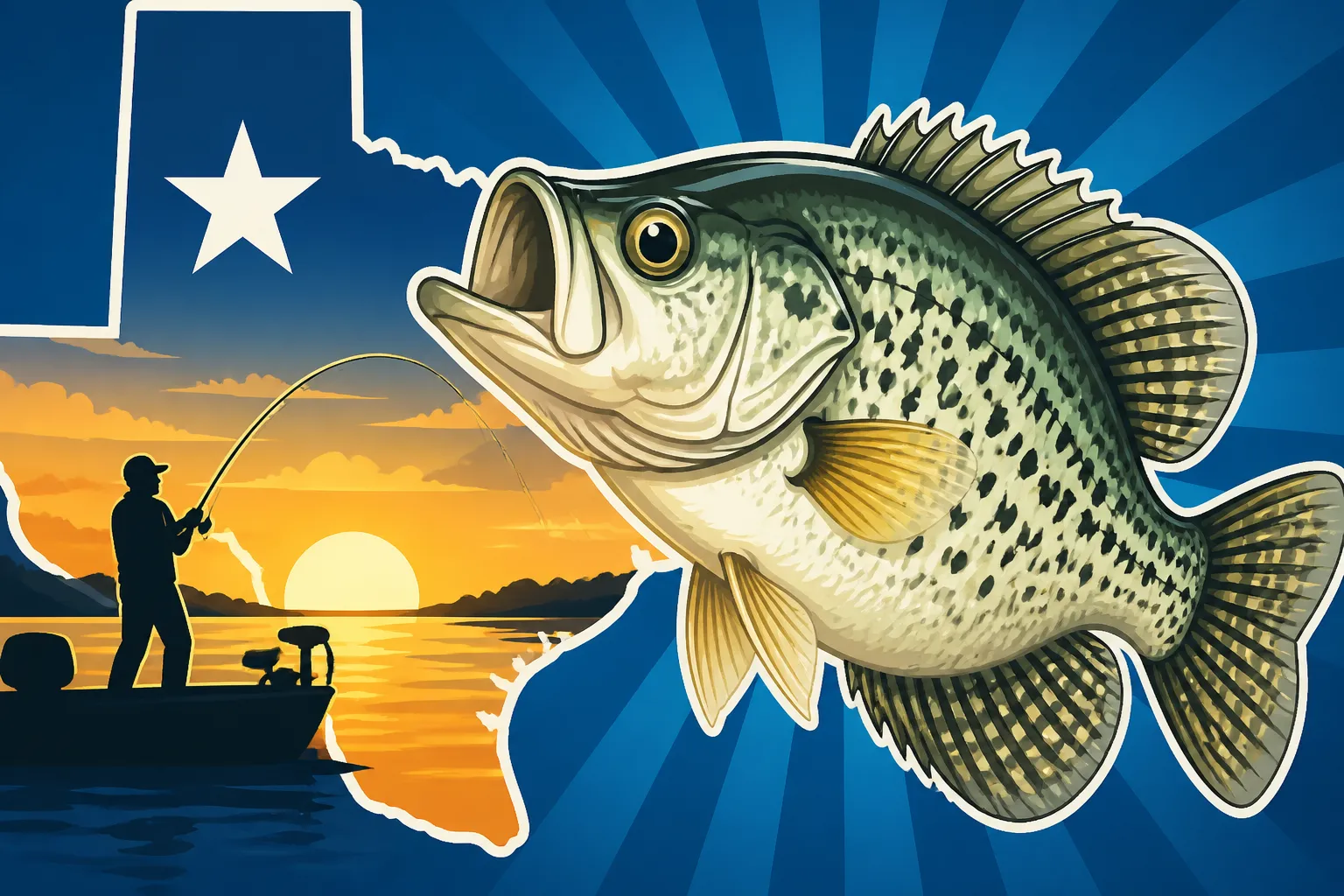
For many Texas anglers, there's a certain thrill in chasing a true "slab" crappie – those elusive, oversized fish that make every tug on the line feel like a potential record-breaker. It’s easy to get lost in the stories of monster bass or giant redfish, but the humble crappie holds a special place in our hearts, providing both a fun challenge and excellent table fare. If you've ever found yourself wondering about the biggest crappie ever pulled from Texas waters, you're in the right place, because this guide is all about the legendary Texas record crappie, how to find similar giants, and what makes these fish so special.
The Allure of Trophy Crappie Fishing in Texas
There’s something uniquely satisfying about crappie fishing. Maybe it’s the sheer numbers you can catch on a good day, or perhaps it's their delicate, flaky white meat that makes for an incredible fish fry. But for many, the ultimate goal is to land a true trophy, a "slab" that pushes the limits of what these panfish can become.
Why Anglers Chase Record Crappie
The pursuit of a record crappie isn't just about getting your name in the books; it's about the challenge, the dedication, and the sheer thrill of it all. Imagine the moment your ultralight rod bends double, and you realize you've hooked into something truly exceptional. It's a testament to your skill, your knowledge of the water, and a bit of good old-fashioned luck. Landing a crappie that weighs over three or four pounds is a rare feat, the kind of fish that makes you recount the story for years to come. It’s a validation of all those early mornings and late evenings spent on the water, meticulously working brush piles and creek channels.
Crappie as a Texas Favorite
Crappie are undeniably one of the most popular game fish in Texas. They're accessible to anglers of all skill levels, from kids dropping a minnow under a bobber off a pier to seasoned pros using advanced sonar to locate deep-water schools. They thrive in countless lakes and reservoirs across the state, offering fantastic fishing opportunities year-round. Plus, their reputation as delicious table fare means that a successful crappie trip often leads to a delightful meal with family and friends. This combination of challenge, accessibility, and culinary reward firmly cements crappie as a Texas angling favorite. If you're looking for more general tips, check out our guide on How to Fish for Crappie.
Unveiling the Texas Record Crappie
So, let's get down to brass tacks: what is the record crappie in Texas? It's important to know that the Texas Parks and Wildlife Department (TPWD) actually maintains two distinct state records for crappie: one for white crappie and one for black crappie. This distinction is crucial because while they look similar, they are different species with slightly different habits and growth patterns.
The Current Texas State Record for White Crappie
The state record for White Crappie is a truly impressive fish. This monster weighed in at 4.56 pounds and measured 18 inches long. It was caught by Donald S. Hubbard on March 31, 2017, from Lake Fork, a body of water already famous for producing trophy fish of all kinds. Imagine the fight a fish of that size would put up on light crappie tackle! Lake Fork consistently proves itself as a crappie factory, not just for sheer numbers but for true giants. Our Lake Fork Fishing Guide has more details on this incredible fishery.
The Current Texas State Record for Black Crappie
Not to be outdone, the record for Black Crappie is also a formidable specimen. This slab weighed 3.22 pounds and measured 17 inches long. It was caught by Kevin LaBoeuf on March 29, 2022, from Lake Raven, a beautiful state park lake in Huntsville. While slightly smaller than the white crappie record, a three-pound black crappie is still an absolute behemoth for its species and a testament to the healthy waters of Lake Raven.
Why Two Records?
The reason for having separate records for white and black crappie comes down to their biological differences and how they are classified by fisheries management. While both are members of the Pomoxis genus and are often collectively referred to as "crappie," they are distinct species. White crappie generally have a more elongated body and tend to grow larger on average, making that 4.56-pound record particularly special. Black crappie are typically rounder and often found in clearer, more vegetated waters. TPWD keeps separate records to fairly recognize exceptional catches of each species. For a deeper dive into their differences, you can read our guide on Texas White Crappie vs Black Crappie.
Here's a quick summary of the current Texas state crappie records:
| Species | Weight (lbs) | Length (in) | Date Caught | Angler | Lake |
|---|---|---|---|---|---|
| White Crappie | 4.56 | 18 | March 31, 2017 | Donald S. Hubbard | Lake Fork |
| Black Crappie | 3.22 | 17 | March 29, 2022 | Kevin LaBoeuf | Lake Raven |
Understanding Crappie Species in Texas
To truly appreciate these record-breaking fish, it helps to understand a bit more about the two crappie species that call Texas home. Knowing how to identify them and what their typical habitats are can make you a more successful angler, especially if you're targeting a specific species.
Distinguishing White Crappie from Black Crappie
While they share a common name, white and black crappie have distinct features that help distinguish them.
- Dorsal Spines: This is often the easiest way to tell them apart. White crappie typically have 5 or 6 dorsal spines, while black crappie usually have 7 or 8. Count those pointy bits on their top fin!
- Body Pattern: White crappie usually have distinct vertical bars along their sides, which can sometimes be faint. Black crappie, on the other hand, tend to have a more mottled or speckled pattern, often with irregular dark spots scattered across their body, giving them a "peppered" look.
- Body Shape: White crappie tend to have a more elongated, somewhat streamlined body. Black crappie are generally deeper-bodied and more rounded.
- Head Shape: The snout of a white crappie can appear slightly more pointed compared to the black crappie, which has a more convex, almost dished-in profile above the eyes.
Knowing these differences isn't just for record keeping; it can help you understand where to find them. White crappie are often found in larger, more turbid waters, while black crappie prefer clearer water with more aquatic vegetation.
Typical Sizes and Lifespan of Texas Crappie
Most crappie you'll catch in Texas lakes will fall into the 0.5 to 1.5-pound range, and they'll likely be between 8 and 12 inches long. These are the fish that provide consistent action and fill many a cooler. A "slab" crappie, often considered anything over 2 pounds, is a rarer and highly prized catch. Fish pushing 3 pounds are truly exceptional, and anything above that is in legitimate trophy territory.
Crappie generally have a relatively short lifespan compared to some other game fish, usually living for about 3-7 years in most Texas waters. However, in lakes with abundant food sources, ideal water temperatures, and good habitat, they can live a bit longer and reach those impressive record-breaking sizes. Factors like water quality, forage availability (especially shad and other small baitfish), and fishing pressure all play a significant role in how large crappie can grow in a particular body of water.
Strategies for Catching Your Own Trophy Crappie
Dreaming of your own record-setting slab? It takes more than just luck. Understanding crappie behavior, choosing the right gear, and employing effective techniques can significantly increase your chances of hooking into a truly memorable fish.
Locating Large Crappie
Trophy crappie, like any large fish, are often solitary or found in smaller groups than their schooling brethren. They seek out areas with abundant cover and structure, often deeper than where you'd find smaller crappie.
- Structure: Look for submerged timber, brush piles, old roadbeds, creek channels, and bridge pilings. Crappie absolutely love to hide in these areas. Modern fish finders (you can find excellent models on Amazon) with side-imaging or down-imaging capabilities are invaluable for locating these hidden sanctuaries.
- Depth: While crappie will move shallow during the spawn, big crappie often hold in deeper water, especially during hot summers or cold winters. They'll relate to the thermocline in summer, or suspend over deep creek channels in winter. Understanding How to Catch Crappie in Cold Water can be key.
- Time of Year: Spring is prime time for big crappie as they move shallow to spawn. This is when they are most accessible to bank anglers and easy to locate. However, large crappie can be caught year-round if you adjust your tactics to their seasonal movements.
- Baitfish: Crappie are predators, and big crappie eat big bait. Look for schools of shad or minnows on your electronics; where the bait is, the crappie often follow.
Baits and Lures for Big Crappie
When targeting trophy crappie, you'll want to present something a little more substantial than what you might use for smaller fish.
- Live Minnows: A shiner or a large minnow hooked through the lip or back and suspended under a bobber or fished on a tight line is a classic crappie getter. For bigger fish, don't be afraid to use a slightly larger minnow than you normally would.
- Jigs: Small jigs (1/32 to 1/8 ounce) paired with soft plastic bodies are incredibly effective. For bigger crappie, don't shy away from slightly larger jigs or those with more realistic profiles, like small shad imitations. Colors can be crucial; chartreuse, white, black/chartreuse, and electric chicken are consistent producers. There's a huge selection of excellent crappie jigs available on Amazon to experiment with. Be sure to check out our guide on Best Crappie Jigs for Texas Lakes for more specific recommendations.
- Jigging Spoons: In deeper water, a small jigging spoon can be irresistible to crappie. They mimic dying baitfish and can call in fish from a distance.
- Grubs and Tubes: Soft plastic grubs and tube baits, especially those with some glitter or reflective flakes, are also excellent choices, particularly when tipped with a small piece of minnow or scent.
Techniques for Targeting Slab Crappie
- Vertical Jigging: This is a deadly technique, especially when you've pinpointed a brush pile or school of fish on your electronics. Drop your jig directly down to the fish, barely twitching your rod tip to impart action. This is often done from a boat, positioned directly over the structure.
- Spider Rigging: This method involves deploying multiple rods (often 4-8 or more) from the front or sides of a boat, typically slowly trolling with jigs or minnows at various depths. This allows you to cover a lot of water and present baits at different levels until you find where the fish are holding. It's a fantastic way to target crappie actively moving along a contour or suspended over a channel.
- Casting and Retrieving: In shallower water or around visible cover, simply casting a jig and slowly retrieving it with subtle twitches can be very effective. Vary your retrieve speed and depth until you find what triggers a bite.
- Electronics are Key: A quality fish finder isn't just for locating structure; it's for seeing the fish themselves. Learning to interpret those arches and blobs on your screen can tell you if fish are active, how deep they are, and whether they're worth targeting. Investing in a good unit (many fantastic options are available through Amazon) and learning its features will dramatically improve your success.
Famous Texas Lakes Known for Big Crappie
While the record crappie came from Lake Fork and Lake Raven, many other Texas lakes are renowned for producing not only good numbers of crappie but also the kind of "slabs" that make anglers drool.
Lake Fork
Even though it's most famous for its giant largemouth bass, Lake Fork in East Texas is also a crappie paradise. The same submerged timber, hydrilla, and deep creek channels that hold trophy bass also provide ideal habitat for crappie to grow to immense sizes. Anglers regularly pull 2-3 pound crappie from Lake Fork, especially around submerged trees and brush piles. The sheer abundance of forage fish like shad allows crappie to bulk up quickly. If you're planning a trip, our Lake Fork Fishing Guide has everything you need to know.
Sam Rayburn Reservoir
Another East Texas giant, Sam Rayburn is a consistent producer of big crappie. Known for its vast acres of standing timber and hydrilla beds, "Big Sam" offers endless opportunities for crappie anglers. Similar to Lake Fork, the crappie here benefit from a rich food source, allowing them to reach impressive weights. During the spring, crappie move into the shallower timber, making them easier to target, but deep-water structure fishing is key for trophy fish throughout the rest of the year. Don't miss our Sam Rayburn Reservoir Fishing Guide for more details.
Lake Palestine and Cedar Creek Reservoir
These two reservoirs, also in East Texas, are often overlooked in the shadow of Lake Fork and Sam Rayburn, but they are absolutely stellar crappie fisheries. Lake Palestine is known for its excellent populations of both white and black crappie, with many fish exceeding the 2-pound mark. Its extensive timber, brush piles, and creek channels provide perfect crappie habitat. Our Lake Palestine Fishing Guide offers a comprehensive look at this lake.
Cedar Creek Reservoir, one of the largest lakes in Texas, is another consistent crappie producer. Its diverse bottom structure, from stumps and laydowns to submerged points and channels, holds a healthy population of slab crappie, especially in the cooler months. The crappie here are generally healthy and plentiful, making it a great destination for both numbers and size. Check out the Cedar Creek Reservoir Fishing Guide for more information on this East Texas gem.
Texas Crappie Regulations and Conservation
While the dream of catching a record crappie is exhilarating, it's crucial to always be mindful of Texas fishing regulations. These rules are in place to protect our fisheries and ensure that future generations can enjoy the same opportunities we have.
Bag and Length Limits for Crappie
Texas has specific bag and length limits for crappie, which can vary by lake. Generally, for most public waters, the statewide crappie regulations apply:
- Daily Bag Limit: Usually 25 crappie per angler.
- Minimum Length Limit: Usually 10 inches.
However, it is absolutely critical to always check the most current regulations for the specific lake you are fishing. Many lakes have special regulations that differ from the statewide rules to help manage their unique crappie populations. For example, some lakes might have an 11-inch minimum length limit, or even slot limits, to protect larger breeding fish. The TPWD website is your go-to source for this information. You can also review our general guide on Texas Crappie Bag Limits.
Ignorance of the law is not an excuse, and getting caught with undersized fish or over the bag limit can result in significant penalties. So, before you head out, take a few minutes to verify the rules for your chosen destination.
Practicing Catch and Release for Trophy Fish
If your goal is to land a true trophy crappie or even contribute to the next state record, practicing responsible catch and release for larger fish is paramount. While crappie are delicious, releasing those exceptional "slab" crappie helps maintain the genetic quality of the fishery and ensures there are plenty of big breeders to pass on their strong genes.
When you do catch a potential record or a truly huge fish you wish to release:
- Minimize Handling: Touch the fish as little as possible. Wet your hands before handling to protect their slime coat.
- Quick Photo: If you want a photo, take it quickly, supporting the fish horizontally to avoid damaging its jaw or internal organs.
- Proper Release: Gently lower the fish back into the water, allowing it to swim away on its own. If it seems stunned, hold it upright in the water and move it gently back and forth to push water over its gills until it regains its strength.
By following regulations and practicing ethical catch and release, we can all contribute to the health and vitality of Texas's crappie fisheries, ensuring that the dream of catching a record-breaker remains a possibility for years to come.
Disclaimer
This article is for general informational purposes only and does not constitute professional advice. Laws, prices and regulations vary by location and change over time. Consult a qualified professional for guidance on your specific situation.