What is the largest fish ever caught in a Texas lake
It’s a question that sparks lively debates at every Texas fishing camp, bait shop, and family barbecue: "What's the absolute biggest fish ever caught in a Texas lake?" We all dream of landing that legendary lunker, the one that makes headlines and forever etches our name in the record books. But with so many amazing species swimming in our vast freshwater systems, pinpointing the largest can be a bit tricky, and separating tall tales from official records can be even harder. This comprehensive guide will cut through the rumors to unveil the true titans of Texas lakes, focusing on the official state records that capture the sheer enormity of our underwater wildlife.
The Reigning Freshwater Monarch: Alligator Gar
When we talk about the largest fish by sheer weight and length in Texas freshwater lakes, one species undeniably dominates the conversation: the alligator gar. These prehistoric giants are truly a sight to behold, and they command respect from even the most seasoned anglers. It’s not just a big fish; it’s a living dinosaur that can reach astounding proportions.
The Sheer Scale of the Alligator Gar
Imagine a fish that can grow longer than a grown man and weigh more than a small motorcycle. That's the reality of a trophy alligator gar. Their powerful, torpedo-shaped bodies and toothy, elongated jaws are built for ambush predation, making them formidable inhabitants of our deeper, slower-moving waters. Catching one is an epic battle of strength and endurance, a true test of an angler's mettle. These fish aren't just big; they're incredibly tough, and their fight often mirrors their size. Many anglers spend years, even decades, pursuing one of these magnificent creatures, often traveling to specific rivers and reservoirs known for their robust gar populations.
The Legendary Catch from the Trinity River
While many might associate record fish with obscure, remote locations, Texas’s current rod-and-reel state record for an alligator gar actually came from one of our most iconic rivers, the Trinity. The officially recognized Texas rod-and-reel record alligator gar was caught in the lower Trinity River and weighed an astounding 279 pounds! Just think about that for a moment – nearly 300 pounds of pure muscle, scales, and ancient instinct. This gargantuan fish truly highlights the incredible potential of Texas waters. The Trinity River, especially its lower stretches, is widely known as a stronghold for these magnificent beasts. It’s a testament to the health of the river system and the conservation efforts that allow these fish to thrive and reach such impressive sizes. The sheer effort and planning involved in landing a fish of this magnitude are immense, requiring specialized heavy-duty gear that can withstand incredible stress. You won't find conventional bass rods holding up to that kind of power; we're talking about robust setups designed for offshore big game or serious river monsters. How to Catch Gar in Texas provides more insight into targeting these incredible fish.
Why Gar Records are Unique
It's important to note that while the 279-pound gar is the rod-and-reel state record, the overall largest alligator gar ever officially recognized by the Texas Parks and Wildlife Department (TPWD) was caught via trotline and weighed an incredible 302 pounds! This one also came from the Trinity River. This distinction between rod-and-reel records and "unrestricted gear" records is crucial when discussing "largest fish." Unrestricted gear, like trotlines or juglines, often allows for the capture of even larger specimens due to the passive nature of the fishing method and the sheer number of hooks involved. Regardless of the method, these numbers firmly establish the alligator gar as the undisputed heavyweight champion of Texas's freshwater realm. Their longevity and ability to grow to such immense sizes set them apart from virtually every other freshwater species in the state.
Other Record-Breaking Giants by Species
While the alligator gar holds the title for overall weight, many other popular game fish species also reach impressive, even monstrous, sizes in Texas lakes. For many anglers, catching a record largemouth bass or a massive blue catfish is just as much, if not more, of a lifelong goal. Each species presents its own unique challenge and thrill, and Texas waters are legendary for producing giants across the board.
Unraveling the Texas Largemouth Bass Record
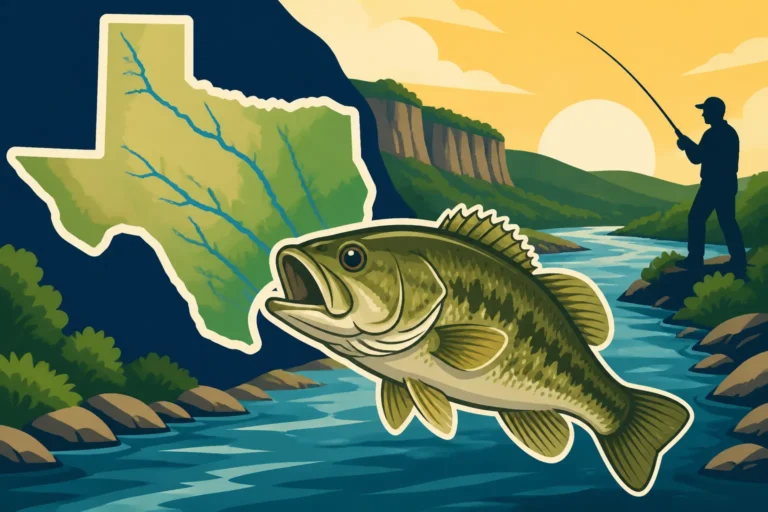
Ah, the largemouth bass – the king of freshwater sportfishing for so many Texans. The pursuit of a double-digit bass is a pilgrimage for countless anglers, and some of our lakes are world-renowned for producing truly colossal bucketmouths. The Texas state record largemouth bass, a fish of legendary status, weighed an astonishing 18.18 pounds. This magnificent fish was caught in Lake Fork, a reservoir that is practically synonymous with trophy bass fishing. Texas Largemouth Bass Fishing Guide details how anglers specifically target these giants. Lake Fork has produced numerous ShareLunker entries, the state's program for collecting and breeding monster bass, and its reputation as a big bass factory is well-earned. The sheer power and aggression of an 18-pound bass ripping line off your reel is an unforgettable experience, a moment that defines an angling career for many. Catching a fish of this caliber requires not only skill but also the right gear and a whole lot of luck. Anglers often spend countless hours perfecting their techniques, studying lake contours, and experimenting with various lures to tempt these elusive giants. For many, finding the right tackle on Amazon is a crucial part of preparing for these expeditions.
Monster Catfish: Blue, Channel, and Flathead Records
Texas is also a mecca for catfish anglers, and our lakes are home to true whiskered leviathans. The blue catfish, in particular, can reach truly staggering sizes, making them another strong contender for "largest fish" in many anglers' minds.
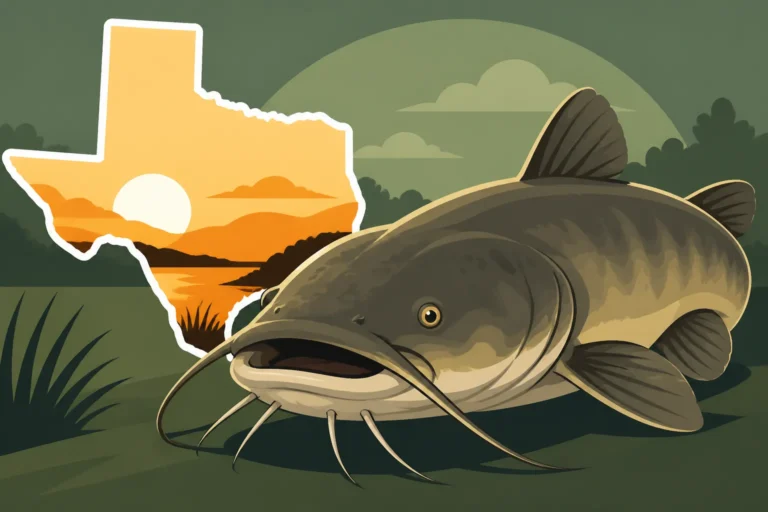
- Blue Catfish: The state record blue catfish from a Texas lake weighed a jaw-dropping 121.5 pounds, caught from Lake Tawakoni. This is a fish that would barely fit in a standard cooler, requiring serious strength and specialized equipment to bring to the boat. Lake Tawakoni, along with other large reservoirs like Lake Palestine and Lake Livingston, consistently produces blue cats of monumental proportions. These fish are powerful fighters, especially in open water, and are a favorite target for those looking to bend a heavy rod.
- Flathead Catfish: Not to be outdone, the flathead catfish also grows to impressive sizes. The Texas state record flathead weighed 88 pounds and was caught from Lake Palestine. Flatheads are solitary ambush predators, often found lurking near submerged timber or rocky ledges. They are known for their incredibly strong pull and their preference for live bait.
- Channel Catfish: While generally not reaching the behemoth sizes of blues or flatheads, channel catfish are still a beloved game fish, and the state record for a channel cat is a respectable 36.5 pounds, caught from a private lake in Bosque County. Texas Catfish Species Guide offers more specific details about these incredible fish.
These records underscore the incredible diversity and potential for trophy catches across Texas's freshwater fisheries, demonstrating that "largest" isn't just about one species.
The Powerhouse Striped Bass Records
For those who love a hard-fighting, schooling fish that can pull like a freight train, the striped bass offers another opportunity for truly massive catches. While many of our striped bass are hybrid varieties, the pure-strain striped bass can also reach impressive sizes. The Texas state record for a pure striped bass, caught from Lake Texoma, weighed an incredible 35.12 pounds. Lake Texoma, straddling the Texas-Oklahoma border, is famous for its robust striped bass fishery, often seeing massive schools of these predators chasing baitfish. Texas Striped Bass Fishing Guide covers everything you need to know about targeting these powerful fish. The fight of a large striper is relentless, often involving long runs and deep dives, requiring stout rods and reels and plenty of line. Anglers often employ trolling techniques or chase surface boils to connect with these powerful fish, making them a thrilling target for many.
Where and How These Titans are Hooked
Catching a record-breaking fish, no matter the species, isn't typically a casual affair. It often involves dedicated planning, specialized gear, and an intimate understanding of the fish's habitat and behavior. Texas has vast and varied freshwater ecosystems, each with its own secrets and giants lurking beneath the surface.
Prime Habitats for Record-Setting Fish
Record fish don't just appear anywhere; they typically come from waters that offer an abundance of food, ample cover, and a suitable environment for growth and longevity. For alligator gar, this often means large, slow-moving rivers and their associated oxbow lakes, as well as vast reservoirs with extensive shallow, vegetated areas and deep channels. The Trinity River, for instance, provides a perfect combination of deep holes, ample baitfish, and warm water for gar to thrive.
For trophy largemouth bass, lakes like Lake Fork, Alan Henry, and O.H. Ivie are prime examples. These lakes are often managed specifically for big bass, with slot limits and catch-and-release practices that allow fish to grow to extreme sizes. They typically feature diverse underwater structures like submerged timber, hydrilla beds, and sharp drop-offs. When looking for tackle, browsing the extensive selection of fishing gear on Amazon can help you find the specialized items needed for these specific habitats.
Catfish giants, especially blue cats, prefer large, nutrient-rich reservoirs with abundant baitfish, like Lake Tawakoni, Lake Livingston, and the Brazos and Trinity river systems. They often congregate in deeper channels, around submerged riverbeds, and near dams where currents bring food to them. Understanding Texas Freshwater Fishing Regulations and bag limits is essential when fishing these productive waters.
Tackling the Giants: Gear and Techniques
You can't bring a knife to a gunfight, and you certainly can't expect to land a 200-pound gar or a 100-pound blue cat with ultralight tackle. For these colossal fish, heavy-duty gear is absolutely paramount.
- Rods and Reels: For alligator gar and monster catfish, anglers are looking at stout saltwater-grade rods, often rated for 50-80 pound line or more, paired with large conventional or heavy-duty spinning reels with substantial line capacity. Think big game fishing gear, but for freshwater. For trophy bass, while still needing strong gear, it's more about balancing power with finesse. Heavy action baitcasting rods with powerful reels spooled with strong fluorocarbon or braided line are common. You can find many options for Best Fishing Rods for Texas Anglers and Best Fishing Reels for Texas Anglers on the market.
- Line: Braided line is almost universally preferred for its incredible strength-to-diameter ratio and lack of stretch, which is crucial for setting hooks on tough-mouthed fish like gar or feeling subtle bites in deep water. High-pound test monofilament is also sometimes used for its abrasion resistance and shock absorption.
- Baits and Lures: Live bait is king for record-breaking gar and catfish. Large live carp, shad, or sunfish are commonly used for gar and flatheads, while cut bait (especially oily varieties like shad or carp) is highly effective for blue catfish. For trophy bass, anglers employ a variety of large artificial lures, including big swimbaits, deep-diving crankbaits, and heavy jigs, often focusing on imitating the large forage fish these monster bass prefer.
- Boating: For accessing the best spots and safely landing giant fish, a well-equipped boat is often essential. From powerful bass boats for chasing lunkers to sturdy jon boats or bay boats for navigating rivers and open reservoirs for catfish and gar, your vessel plays a crucial role. Always ensure your boat meets all Texas Boat Registration Requirements and safety standards.
The Role of Local Knowledge and Persistence
While the records are often caught by experienced anglers, many have spent a lifetime on the water, meticulously learning the patterns and haunts of these big fish. They've read countless How to Read a Texas Lake Fishing Report, studied maps, and put in the time. Local guides, often found advertising their services at marinas or online, possess invaluable knowledge of specific lakes and rivers and can dramatically increase your chances of hooking into a trophy. They understand the nuances of the water, the seasonal movements of the fish, and the specific presentations that work best. But even with the best guide, persistence is key. Record fish are not caught every day, and often require multiple trips and a lot of patience.
Chasing Your Own Texas Lake Record
The dream of catching a state record is a powerful motivator for many anglers. While it might seem like an impossible feat, understanding the process and staying prepared can turn that dream into a reality. Texas has a robust system for recognizing record catches, and every year, new entries are made in various categories.
Understanding Record Categories and Reporting
The Texas Parks and Wildlife Department maintains official state records for both rod-and-reel and unrestricted gear catches across numerous freshwater and saltwater species. If you believe you've caught a potential record, there are specific steps you need to follow:
- Identify the Species: Accurate identification is crucial. Make sure you know exactly what species you’ve caught.
- Weigh the Fish: The fish must be weighed on a certified scale, usually found at official weigh stations, tackle shops, or marinas. The scale must be inspected and certified. You'll need an official present to witness and verify the weight.
- Measure the Fish: Length and girth measurements are also required, often for species identification and comparison.
- Photographs: Clear, well-lit photographs of the fish, the angler, the weighing process, and the measuring process are essential documentation.
- Official Application: You'll need to fill out an official application provided by TPWD, often requiring witness signatures.
- Catch-and-Release Considerations: While most records involve harvested fish, TPWD also recognizes "Big Fish Awards" for exceptional catch-and-release fish that meet certain minimum length requirements, allowing anglers to celebrate large catches without harvesting them.
Understanding Texas Fish Bag and Length Limits is also paramount, as you must adhere to all regulations, even when attempting a record. Remember, adherence to these rules is part of the integrity of the record-keeping process.
Essential Gear for Targeting Big Fish
Beyond the specialized rods, reels, and lines we discussed earlier, there are a few other gear considerations for those aspiring to catch a giant:
- Large Landing Net or Gaff: Safely landing a massive fish requires proper tools. A large, sturdy landing net designed for big game, or a gaff (where legal and appropriate for the species), is indispensable. Attempting to hoist a 50+ pound fish into a boat by hand is not only dangerous for you but also stressful for the fish if you intend to release it.
- Measuring Tape and Scale: Always carry your own reliable measuring tape and a personal scale (though remember, for an official record, a certified scale is required). This allows you to quickly assess if your catch is even in the ballpark of a record, saving you time and effort. Many portable digital scales available on Amazon can provide a good initial reading.
- Camera: A good camera or smartphone is essential for documenting your catch, whether it’s for a record application or just bragging rights among friends. Clear photos are vital for verification.
- Livewell/Cooler: If you intend to weigh a potential record fish for harvest, a large, well-aerated livewell or an ice-filled cooler is necessary to keep the fish in good condition until it can be officially weighed. For specific tips on keeping your catch fresh, check out advice on Best Ice Chests for Keeping Fish Fresh in Texas Heat.
Patience, Persistence, and the Thrill of the Hunt
Ultimately, catching the largest fish in a Texas lake, or even a personal best, is a journey that requires immense patience and persistence. It’s about putting in the time, learning the water, adapting to conditions, and continuously refining your skills. There will be slow days, frustrating moments, and missed opportunities. But it’s these challenges that make the eventual success so incredibly rewarding. The thrill of the hunt, the quiet moments on the water, and the camaraderie with fellow anglers are all part of the Texas fishing experience. Whether you're chasing the next state record alligator gar or hoping to land a personal best bass, the waters of Texas are full of possibilities, waiting for your next cast.
Disclaimer
This article is for general informational purposes only and does not constitute professional advice. Laws, prices and regulations vary by location and change over time. Consult a qualified professional for guidance on your specific situation.