Why do flounder migrate offshore in the fall
It’s a tale as old as time for Texas anglers: one day, you're happily catching flounder in your favorite bay, and the next, it feels like they’ve simply vanished. That frustration of having a hot spot suddenly go cold, especially in the crisp air of fall, is something every coastal angler knows. But those flatfish haven't disappeared into thin air; they're answering an ancient call, embarking on a critical journey offshore. This guide will dive deep into the fascinating reasons behind the Texas flounder's annual fall migration, helping you understand their movements and perhaps even intercept them along the way.
Understanding the "Flounder Run" Phenomenon
The "flounder run" is more than just a season; it's a monumental event in the Texas coastal fishing calendar. For weeks, sometimes months, leading up to the peak of fall, anglers anticipate this grand movement. It’s a period of intense activity, both for the fish themselves and for those of us trying to catch them before they make their escape. What exactly is this phenomenon, and why does it command so much attention from the fishing community?
The Annual Disappearing Act
Think about your favorite shallow grass flats, the sandy bottoms near oyster reefs, or the marsh drains that were teeming with flounder during the warmer months. You could wade fish, target them from a kayak, or even cruise in a shallow-draft boat, consistently finding these camouflaged predators. But as autumn breezes roll in, bringing cooler temperatures, those familiar haunts start to feel a little empty. It's not that the flounder just pick up and leave overnight, but their numbers in the shallow, inshore waters noticeably dwindle.
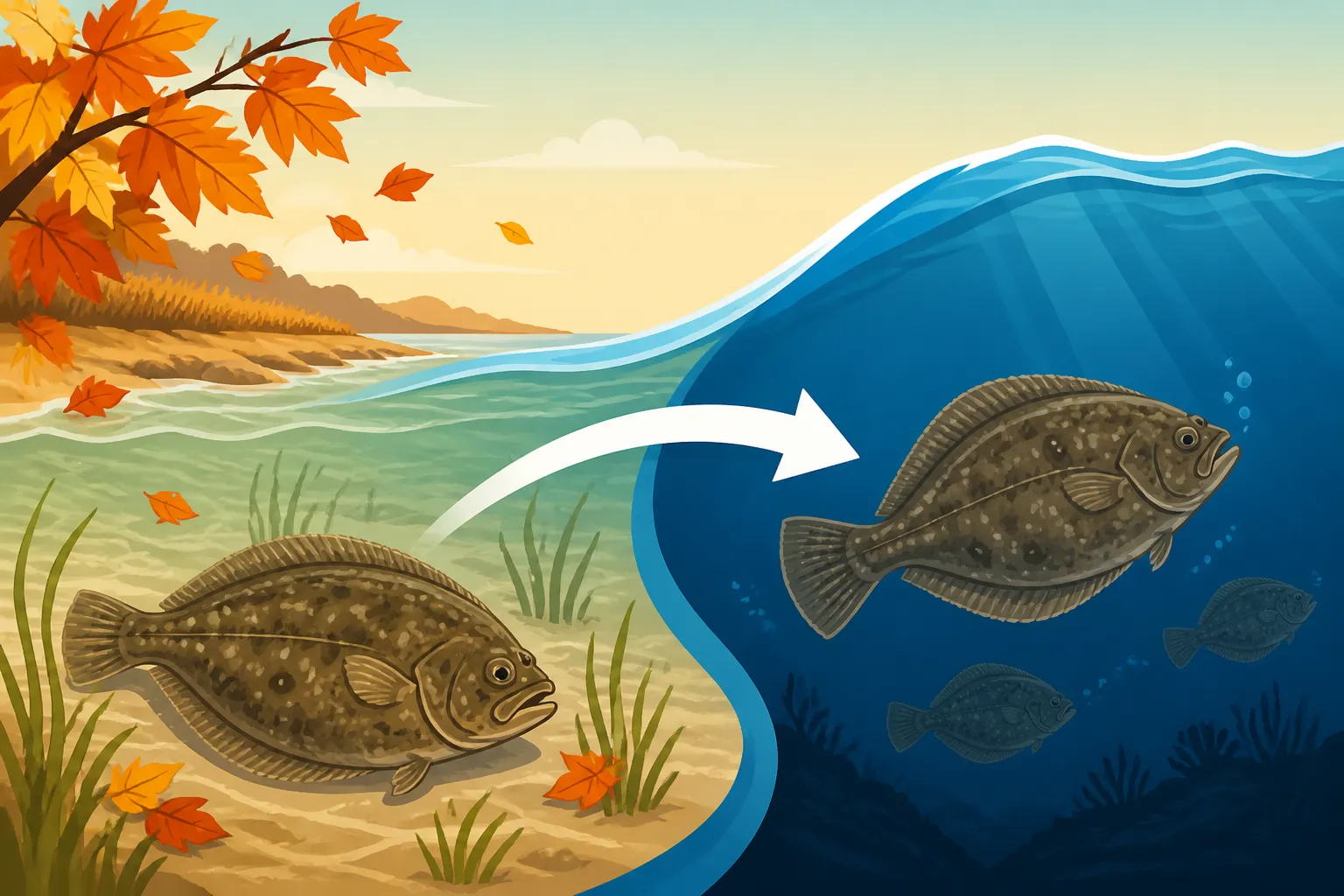
This "disappearing act" is actually a concerted effort by thousands upon thousands of southern flounder to move from their summer feeding grounds in the bays, estuaries, and nearshore waters out into the deeper, more stable environment of the Gulf of Mexico. This mass exodus isn't random; it's a highly choreographed biological response to an ancient imperative. While it might feel like they're just gone, they're actually congregating and pushing towards specific exit points, creating what we lovingly call the "flounder run." This concentration of fish is precisely what makes the brief window of the run so exciting, and often so productive, for anglers who know where to look.
A Beloved Texas Tradition
For many Texas coastal anglers, the flounder run isn't just another fishing season; it's a revered tradition, almost a holiday. The anticipation builds through late summer, with whispers and rumors of the first migrating fish starting to stir around the jetties and passes. There’s a unique challenge and reward in trying to intercept these fish as they make their journey. Anglers will shift their focus from the shallow bay flats to the deeper channels, passes, and Gulf-facing beaches, often braving cooler temperatures and stronger currents.
It's a time for camaraderie on the jetties, late-night gigging expeditions, and trying different strategies to tempt these migratory fish. The window of opportunity can feel fleeting, adding to the urgency and excitement. Knowing the Texas Flounder Fishing Guide really helps you understand not just how to catch them, but also why this period is so special and culturally significant along the Texas coast. It's a true test of an angler's understanding of flounder behavior and the coastal environment.
The Biological Imperative: Driven by Spawning
At the heart of the flounder's offshore migration lies one undeniable, biological truth: reproduction. Every instinct, every environmental cue, ultimately directs these fish towards the goal of creating the next generation. It’s a demanding journey, requiring a significant energy investment, but it's absolutely essential for the survival of the species.
The Urge to Reproduce
As fall progresses, adult southern flounder, both male and female, feel an innate urge to reproduce. Unlike some freshwater species that might spawn in rivers or shallow lake coves, flounder need very specific conditions that are typically found in the deeper, more stable waters of the continental shelf offshore in the Gulf of Mexico. Their eggs and subsequent larval stages require a relatively consistent salinity, temperature, and current regime to develop successfully.
The journey offshore isn't just about finding a good spot; it’s about preparing their bodies for the rigors of spawning. The fish will often feed heavily in the bays before making their move, building up energy reserves. Once they reach the offshore spawning grounds, females release hundreds of thousands, sometimes millions, of eggs, which are then externally fertilized by the males. These eggs are pelagic, meaning they float freely in the water column, eventually hatching into tiny larvae that are at the mercy of the currents.
Ideal Spawning Grounds Offshore
So, what makes the offshore environment so ideal for flounder spawning? It primarily comes down to stability and depth. Inshore bays and estuaries are dynamic environments, prone to rapid fluctuations in salinity due to rainfall, and quick changes in temperature with the passage of cold fronts. These drastic shifts can be detrimental to delicate eggs and larvae.
The deeper waters of the Gulf, generally starting a few miles offshore and extending further out onto the continental shelf, offer a more stable environment. Temperatures are more consistent, salinity remains high, and specific offshore currents can help disperse the developing larvae. After hatching, these larval flounder undergo a metamorphosis, changing from a normal, upright fish into their characteristic flat shape, with one eye migrating to the other side of their head. These tiny, transforming flounder then use currents to make their way back inshore, often settling in the very same estuaries and bays their parents left. It’s a remarkable life cycle, truly demonstrating the importance of both inshore and offshore habitats.
Environmental Triggers and Cues
While the ultimate goal is reproduction, flounder don't just decide one day in October, "Hey, let's swim offshore!" Their migration is a finely tuned response to a series of environmental signals that collectively tell them it's time to move. These cues are deeply ingrained in their biology, ensuring they make the journey at the optimal time for spawning success.
Cooling Water Temperatures
Perhaps the most significant and noticeable trigger for the flounder run is the gradual cooling of inshore bay waters. Throughout the scorching Texas summer, bay temperatures can climb well into the 80s and even low 90s Fahrenheit. Flounder tolerate this heat, but as fall arrives, those first few crisp cold fronts push through, dropping air temperatures and, subsequently, the surface water temperatures in the shallow bays.
When the water temperatures start consistently dropping into the low to mid-70s and then into the 60s, it's a strong signal for the flounder. While they can handle cooler water, the deeper, more stable temperatures offshore are more conducive to the long-term process of spawning. This temperature drop also reduces the metabolism of many inshore baitfish, potentially impacting the flounder's feeding efficiency. You can often track these changes, much like you might monitor conditions when trying to how to fish a Texas reservoir after a cold front. This cooling trend is the biological alarm clock ringing for the flounder.
Shortening Daylight Hours
Beyond just temperature, the amount of daylight, or photoperiod, plays a crucial role. As fall progresses, the days visibly shorten, and the nights grow longer. This reduction in daylight hours is an ancient, reliable cue for many migratory species, including flounder. It acts as a primary hormonal trigger, signaling to the fish's endocrine system that the season is changing and it’s time to prepare for their reproductive journey.
This cue is particularly important because it's consistent year after year, regardless of minor fluctuations in weather. While an unseasonably warm spell might delay the peak of the migration, the shortening days will still get the flounder thinking about their offshore move. It’s a subtle yet powerful force guiding their biological clocks, preparing them for the arduous journey ahead.
Increased Tidal Activity and Fall Fronts
Another potent environmental cue that often coincides with the flounder run is the increased tidal activity and the stronger push of fall cold fronts. As these fronts move through, they often bring higher winds that can create stronger tides, flushing water out of the shallow back lakes and marsh systems into the deeper bay channels and passes. This increased water movement essentially "pushes" flounder out of their shallow feeding grounds.
These strong outgoing tides act like a conveyor belt, aiding the flounder's journey toward the Gulf. Furthermore, the fronts themselves can stir up baitfish, providing a final feeding opportunity for the migrating flounder before they venture into the open Gulf. This combination of strong tides and cooler water provides both a physical push and a clear signal that the time for offshore migration has arrived.
The Offshore Journey and Its Aftermath
The migration of flounder from the shallow bays to the deep Gulf is a perilous journey, yet a necessary one for the species. It's a time of intense activity, both for the fish and for the anglers hoping to intercept them. But what exactly happens once they leave the familiar confines of the bays?
The Gauntlet of the Passes and Jetties
As flounder begin their offshore migration, they don't just swim directly into the open Gulf from anywhere in the bay. Instead, they funnel through specific choke points: the major passes, inlets, and jetties that connect the bay systems to the Gulf of Mexico. Places like the Galveston Jetties, San Luis Pass, Rollover Pass (when it was open), and the jetties at Port Aransas become superhighways for these migrating fish. This concentration of fish in predictable areas is what makes the "flounder run" such a renowned fishing event.
Anglers will often set up along these passes and jetties, casting live bait like mullet or shrimp, or working artificial lures like soft plastics and spoons, hoping to intercept the passing flounder. The action can be fast and furious, especially on strong outgoing tides after a cold front. It’s a challenging but rewarding fishery, and understanding these pathways is key to success. Knowing How to Fish the Texas Flounder Run often means knowing these specific migratory routes.
Deep Water Life and Spawning Success
Once they successfully navigate the passes, flounder disperse into the deeper, more stable waters of the Gulf of Mexico, typically on the continental shelf. Here, they gather in significant numbers, sometimes congregating on specific ledges, reefs, or bottom structures. This is where the actual spawning takes place, with females releasing their eggs and males fertilizing them.
After spawning, adult flounder typically do not return immediately to the bays en masse. Some may gradually drift back inshore over the winter and spring, but many will remain in deeper waters until the following year's migration, or even for several years, continuing to spawn annually. The sheer abundance of successful spawning events offshore is crucial for maintaining healthy flounder populations in our bays, providing a steady supply of new recruits.
The "Closed Season" and Conservation Efforts
Because the fall migration is so critical for spawning, and because flounder are so vulnerable when concentrated in the passes, the Texas Parks and Wildlife Department (TPWD) implements a temporary closure of the flounder fishery during a specific part of the fall. This "closed season," which traditionally runs for the month of November, allows the vast majority of spawning-bound flounder to make their journey and reproduce undisturbed.
This conservation measure is absolutely vital for the long-term health and sustainability of the southern flounder population along the Texas coast. Without it, the pressure on these migrating fish during their most vulnerable period could severely impact their numbers. It’s why you'll hear so much discussion and sometimes even frustration around Why does flounder season close in November – but ultimately, it's for the greater good of the fishery, ensuring there will be flounder for future generations to enjoy.
What This Means for Texas Anglers
Understanding the flounder migration isn't just about biological curiosity; it has direct, practical implications for how and when you fish. Knowing why and when these fish move can significantly improve your chances of success during the brief but exciting "flounder run."
Timing Your Flounder Fishing
The key to intercepting migrating flounder is timing. While you might still catch a few resident fish in the bays during early fall, the real action for the "run" typically kicks off later in the season. You'll want to pay close attention to weather forecasts, specifically looking for those first strong cold fronts that drop water temperatures significantly. These fronts, especially when followed by strong outgoing tides, are prime indicators that the flounder are on the move.
Historically, late October into early November is often the peak of the migration before the annual closure, but this can shift slightly depending on the year's weather patterns. Keep an eye on local fishing reports and heed the advice of experienced coastal anglers who understand these nuanced seasonal shifts. Being out there just before the closure, when the migration is in full swing, can lead to some of the most memorable fishing of the year. For specific tips on how to maximize your chances, check out resources on the Best time to fish for flounder before the season closes.
Where to Find Them During the Migration
During the migration, your usual summer flounder spots in shallow grass or sandy potholes might not be as productive. Instead, shift your focus to the deeper channels, cuts, and passes that lead directly to the Gulf. Jetties are prime locations, offering deep water access and current breaks that flounder use as staging areas. Areas around bridges connecting bays to the Gulf, or deep marsh drains that empty into larger bay systems, can also be hotspots.
Don't forget the Gulf-facing beaches, especially near passes, where flounder might stage just before heading into deeper water. Wade fishing can be highly effective in these areas, as can fishing from a boat that can navigate the strong currents. Locations like Matagorda Bay flounder fishing spots often highlight these types of migratory corridors, where the flounder bottleneck on their way out.
Gear for the Flounder Run
When targeting migrating flounder, you'll want gear that can handle potential strong currents and larger, often more aggressive fish. A medium-light to medium power spinning or casting rod, around 6'6" to 7'6" in length, is a good all-around choice. Pair it with a reliable reel spooled with 10-15 lb braided line, which offers sensitivity and casting distance, along with a 20-30 lb fluorocarbon leader for abrasion resistance against sharp shells and rocks.
For bait, live mullet (finger mullet or small mud minnows) are king for flounder. Rig them on a Carolina rig with a 1/2 to 1-ounce egg sinker and a kahle or treble hook appropriate for the bait size. Artificial lures also work well, particularly scent-infused soft plastics in natural colors (like new penny, white, or chartreuse) on a 1/4 to 1/2-ounce jig head. You can find a fantastic selection of these baits and tackle, often with convenient delivery, through online retailers like Amazon. Don't forget a sturdy landing net and a good pair of pliers for hook removal!
Here's a quick rundown of the main reasons for the flounder's fall migration:
| Reason for Migration | Description | Impact on Anglers |
|---|---|---|
| Spawning Urge | Flounder must reproduce, and they need the stable, deep, high-salinity waters of the Gulf of Mexico for their eggs and larvae to develop successfully. | Explains why they leave the bays; targets shifts to passes and offshore areas. |
| Cooling Water Temperatures | As fall cold fronts arrive, shallow bay waters cool down rapidly, signaling to flounder that it's time to move to the warmer, more stable deep Gulf waters. | Triggers the "run"; prime fishing after initial cold fronts. |
| Shortening Daylight Hours | Decreasing daylight acts as a consistent biological clock, initiating hormonal changes that prompt the migration, regardless of minor weather fluctuations. | Helps predict the general timing of the run each year. |
| Increased Tidal Activity | Strong outgoing tides, often amplified by fall fronts, physically flush flounder out of shallow backwaters and into main channels and passes leading to the Gulf. | Focus fishing during strong outgoing tides; concentrate efforts in passes and channels. |
| Conservation Efforts | A temporary closed season (e.g., November) is implemented to protect concentrated spawning flounder, ensuring the long-term health of the population. | Anglers must respect the closure; reinforces the importance of the migration for species survival. |
Ultimately, the fall migration of Texas flounder is a testament to the incredible cycles of nature and the resilience of our coastal fisheries. It’s a period of intense activity, both for the fish completing their life cycle and for the dedicated anglers who seek to understand and participate in this unique seasonal event. Armed with this knowledge, you can approach the next flounder run with greater insight and, hopefully, greater success.
Disclaimer
This article is for general informational purposes only and does not constitute professional advice. Laws, prices and regulations vary by location and change over time. Consult a qualified professional for guidance on your specific situation.