Why does flounder season close in November
It’s a tale as old as time for Texas anglers: the crisp fall air rolls in, the fish start getting active, and then, bam! Just when the flounder bite really seems to be heating up, November arrives, and with it, the dreaded annual closure. It can feel incredibly frustrating when you know those delicious flatfish are staging for their run, only to have the season shut down. But there's a very good, deeply biological reason behind why the Texas Parks and Wildlife Department (TPWD) implements this specific closure, and understanding it can actually help us appreciate the long-term health of our fisheries. This comprehensive guide will explain exactly why flounder season closes in November in Texas, shedding light on the critical conservation efforts that make these regulations so essential for ensuring flounder populations thrive for generations to come.
Understanding the Texas Flounder Season Closure
For many Texas anglers, November represents a prime opportunity for flounder fishing. The temperatures are dropping, the baitfish are moving, and the flounder are known to be active, making their way from the shallow bays and estuaries out into the deeper waters of the Gulf. So, when the season suddenly closes, it can feel like a missed opportunity or an unnecessary restriction. However, this seemingly inconvenient timing is a calculated decision based on the life cycle of the Southern Flounder, our primary target species here on the Texas coast.
The Frustration of a Closed Season
Let's be honest, it's a real bummer when you've been looking forward to that fall flounder run, meticulously checking your tides and planning your trips, only for the calendar to hit November 1st and everything to grind to a halt. You might hear stories from fellow anglers about past years when the season was different, or perhaps you've fished in other states where the rules vary. This leads to a lot of head-scratching and often, a bit of grumbling. Many feel like they're being cut off just as the best fishing begins. It's a valid sentiment, but behind that closure is a science-backed effort to protect a vulnerable population during its most critical time. The Texas Parks and Wildlife Department (TPWD) works tirelessly to balance recreational opportunities with the imperative of conservation, and the flounder closure is a prime example of this delicate balance.
The Core Reason: Spawning Migration
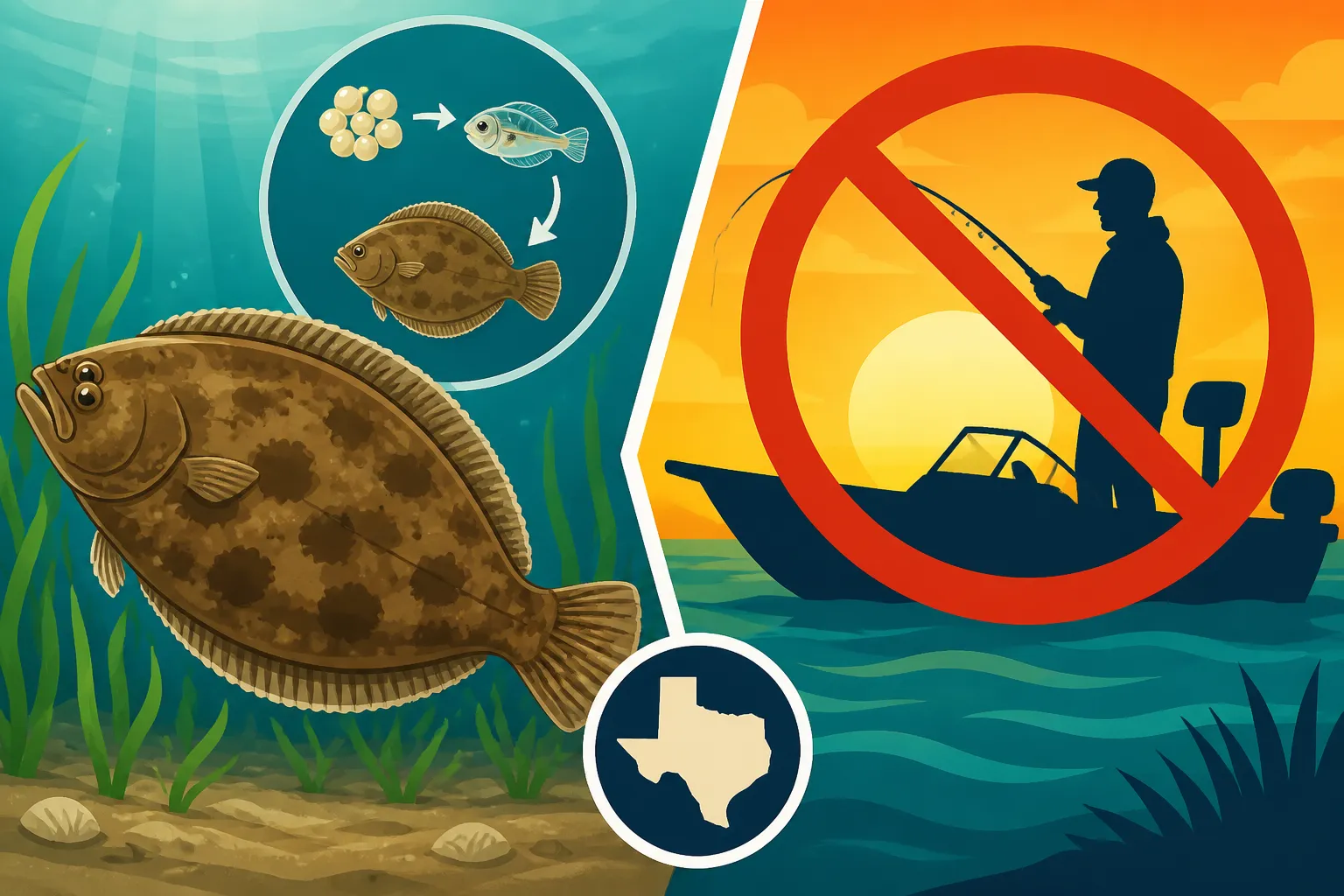
The absolute core reason the Texas flounder season closes in November is to protect the Southern Flounder during their annual spawning migration. Think of it like a fish highway: as the water temperatures begin to drop in the fall, adult flounder, both male and female, begin a mass exodus from the shallow bay systems where they spend most of their lives. Their destination? The deeper, saltier waters of the Gulf of Mexico, often miles offshore. This journey is purely for one purpose: to reproduce.
During this migration, flounder congregate in predictable areas, often in channels, passes, and near the mouths of bays, making them particularly vulnerable to harvest. If fishing pressure were allowed to continue unabated during this crucial period, it could severely impact the number of fish able to successfully spawn. By closing the season, especially to gigging and recreational fishing, TPWD ensures that a significant portion of the adult flounder population can make their journey and reproduce without excessive human interference. It's an investment in the future of the species, even if it means sacrificing some prime fishing days in the present.
The Role of Texas Parks and Wildlife Department (TPWD)
The Texas Parks and Wildlife Department is the state agency responsible for managing and conserving Texas's natural and cultural resources, including our fisheries. Their decisions regarding fishing regulations, like the annual flounder closure, are not arbitrary. They are meticulously researched and based on decades of scientific data collected through stock assessments, angler harvest reports, and biological studies. TPWD biologists monitor flounder populations closely, looking at trends in abundance, recruitment (how many young fish are joining the population), and overall health.
When evidence suggests that a species is experiencing pressure or that reproductive success needs a boost, regulations are adjusted. The flounder closure in November is a direct outcome of this scientific monitoring. It's a conservation tool designed to allow a critical mass of spawning-age flounder to reach their offshore spawning grounds, ensuring future generations. They analyze factors like water temperature, migration timing, and harvest rates to pinpoint the most effective period for protection. This is part of a broader strategy for all species, as outlined in the Texas Saltwater Fishing Regulations.
The Biological Imperative: Flounder Spawning and Conservation
To truly grasp why the November closure is so vital, we need to dive a little deeper into the amazing life cycle of the Southern Flounder. It’s a fascinating journey that highlights their unique vulnerabilities and the necessity of targeted conservation efforts.
The Fall Flounder Run
Before the closure takes effect, the Texas coast experiences what anglers affectionately call the "fall flounder run." This is a period of heightened activity as flounder, fattened up from a summer of feeding in the bays, begin to feel the instinctual pull towards the Gulf. They stage in deeper cuts, channels, and near passes, often stacked up as they prepare for their offshore journey. For anglers, this can be an incredibly productive time, offering some of the best opportunities to catch larger flounder.
However, this congregation is precisely what makes them so vulnerable. When fish are concentrated in specific areas, especially during a predictable migration, they become easier to locate and catch in large numbers. Without regulations, it would be all too easy for anglers, particularly those utilizing methods like gigging at night, to harvest an unsustainable number of these migrating fish. The closure steps in to provide a sanctuary, allowing these crucial spawning adults to pass through the bottleneck areas and safely reach their offshore destinations. Understanding this "run" helps us appreciate the timing of the closure, as it directly intercepts this period of vulnerability.
Protecting the Next Generation
The primary goal of the November flounder closure is quite simple: to protect the spawning population. When flounder reach the offshore waters, they release their eggs and sperm, often in large batches, leading to fertilization. These tiny eggs and subsequent larval flounder then drift with the currents back into the calmer, nutrient-rich estuarine nursery grounds. If too many adult flounder are harvested before they have a chance to spawn, the overall reproductive output of the population can decline significantly. This would mean fewer larval flounder making it back into the bays, and ultimately, fewer adult flounder available for future fishing seasons.
By allowing the adult flounder to complete their spawning cycle largely undisturbed, TPWD aims to ensure a strong "year class" – a healthy number of young fish that will grow up to replenish the fishery. It’s a long-term investment in sustainability. Imagine a farmer harvesting all their seed crops before planting season; there would be no harvest next year. This is the biological reality the closure addresses, directly contributing to the health of the species. It's a crucial component of broader conservation strategies, much like the regulations surrounding Texas Fish Bag and Length Limits.
Historical Context and Conservation Efforts
The current flounder regulations, including the November closure, weren't just pulled out of thin air. They are the result of years of observation, data, and a recognition that flounder populations were facing significant challenges. In the past, there were periods when flounder numbers showed signs of stress, prompting biologists and regulators to act. Overfishing, especially during the vulnerable fall migration, combined with habitat loss, contributed to concerns about the long-term viability of the species.
The implementation of stricter rules, like the November closure and changes to the daily bag and length limits (you can learn more about specific regulations in articles like Texas Flounder Minimum Length Limit), were critical steps taken to reverse these trends. These efforts are part of a continuous cycle of monitoring, research, and adaptation by TPWD. Their goal is not to stop people from fishing, but to ensure that everyone can continue to enjoy fishing for flounder in Texas for many years to come. These conservation efforts often involve a delicate balance, and sometimes that means temporary sacrifices for long-term gains.
What This Means for Anglers and How to Adapt
While the annual flounder closure might feel like a roadblock in your fall fishing plans, it doesn't mean you have to hang up your rods entirely. It simply encourages adaptation and perhaps even an exploration of other fantastic fishing opportunities that Texas has to offer.
Planning Around the Closure
The most straightforward way to deal with the November flounder closure is to plan your fishing calendar around it. If flounder is your primary target, you'll want to maximize your efforts in late September and October, when the flounder run is typically in full swing and the season is open. Keep a close eye on the official TPWD Outdoor Annual, which is updated annually and clearly states the opening and closing dates for all species. Historically, the flounder season has been closed for recreational harvest in November, though the exact dates can vary slightly from year to year, sometimes extending into early December or having specific rules for gigging versus rod-and-reel.
It’s always a good idea to check the most current regulations before heading out, as they are subject to change based on the latest scientific assessments. This proactive approach ensures you're fishing legally and making the most of the open season. Staying informed is your best tackle box tool for these situations.
Alternative Fishing Opportunities
Just because flounder are off-limits doesn't mean the Texas coast goes quiet. Far from it! November can still be an incredible month for saltwater fishing, with many other popular species actively feeding. This is a perfect opportunity to broaden your horizons and try targeting something new.
- Redfish: Redfish are often abundant in the bays and flats during the fall, especially on warmer days. They're a fantastic fight and can be caught on a variety of lures and baits. If you're looking for more details, check out our Texas Redfish Fishing Guide.
- Speckled Trout: While some trout might be moving to deeper bayou holes as temperatures drop, many are still actively feeding in the bays. Topwater lures can still be effective on calm mornings, and soft plastics fished under a popping cork or on a jig head can produce great results. Our Texas Speckled Trout Fishing Guide has plenty of tips.
- Sheepshead and Black Drum: These species are often present around structure like jetties, piers, and oyster reefs. They can provide excellent action, especially as the water cools, and are a fun challenge on light tackle.
- Freshwater Alternatives: If you're willing to make a short drive inland, Texas boasts some incredible freshwater fishing as well. Fall is prime time for bass, crappie, and catfish in many of our reservoirs.
This downtime can also be a great excuse to finally tackle that honey-do list, clean and organize your tackle, or scout new locations for when the season reopens. Consider exploring Best Time of Year to Fish in Texas or Texas Fishing Seasons Month by Month for ideas throughout the year.
Supporting Flounder Conservation Even During Closure
Even when the season is closed, anglers can continue to play a vital role in flounder conservation. If you're targeting other species and accidentally catch a flounder, it's crucial to practice responsible catch and release. Minimize handling, use a de-hooking tool if necessary, and release the fish quickly and gently. Every spawned fish contributes to the health of the population.
Furthermore, staying informed about TPWD's conservation initiatives and participating in angler surveys or citizen science programs, if available, can make a real difference. Your observations and experiences contribute valuable data that helps biologists manage fisheries more effectively. Understanding why these rules exist, as explained in articles like Do you need a saltwater endorsement to fish Texas bays?, fosters a greater appreciation for our natural resources and encourages responsible angling habits.
Key Regulations Beyond the November Closure
While the November closure is a significant aspect of flounder conservation, it's just one piece of a larger regulatory framework designed to protect the species. Even when the season is open, there are other important rules to follow to ensure sustainable fishing practices.
Daily Bag and Possession Limits
When the flounder season is open, anglers are still subject to strict daily bag and possession limits. These limits dictate how many flounder you can keep per day and how many you can have in your possession (e.g., in your cooler, at home). These numbers are carefully determined by TPWD to allow for recreational harvest while preventing overfishing. For example, there's usually a specific daily bag limit, and often the possession limit is twice the daily bag. Exceeding these limits is a serious offense and can result in significant penalties.
Similarly, there are typically minimum length limits in place. Any flounder caught that does not meet the legal length must be immediately released back into the water. These size limits ensure that fish have a chance to grow and mature, contributing to at least one spawning cycle before they are harvested. These rules are detailed in the Texas Fish Bag and Length Limits and specific to flounder in Texas Saltwater Bag Limits by Species.
Legal Gear and Gigging Rules
Texas regulations also dictate the legal methods you can use to catch flounder. While rod-and-reel fishing is generally permitted, gigging, a popular method for flounder, often has its own set of rules. Gigging, which involves using a spear to harvest flounder, is particularly effective at night when flounder are shallower and less active. Because of its efficiency, gigging can be subject to even stricter limitations, sometimes including a shorter open season or different bag limits than rod-and-reel fishing.
For instance, there might be specific periods when gigging is entirely prohibited, even if rod-and-reel fishing is open for flounder. Understanding these nuances is crucial, especially if you plan to target flounder using a gig. Always consult the most current regulations for details on legal gear and specific rules for gigging, which can be explored further in topics like How to gig flounder legally in Texas.
The Importance of Checking Current Regulations
Fishing regulations, while designed for long-term stability, are not set in stone forever. TPWD continuously monitors fish populations and adjusts rules as needed based on new scientific data, environmental factors, and harvest trends. What was true last year might not be true this year. For example, changes in environmental conditions, like a severe freeze or a hurricane, could prompt temporary or long-term adjustments to limits or seasons to help a species recover.
Therefore, the most critical piece of advice for any angler in Texas is to always check the latest official TPWD Outdoor Annual before you go fishing. This comprehensive guide is available online, at license retailers, and often as a mobile app. It's your definitive source for all regulations, including season dates, bag limits, length limits, and legal gear. Don't rely on outdated information or word-of-mouth. A quick check can save you from inadvertent violations and ensure you're contributing to the conservation efforts that keep Texas fishing vibrant.
Here’s a quick overview of the typical flounder season patterns:
| Aspect | Open Season (Typical) | November (Typical) | January-February (Typical) |
|---|---|---|---|
| Rod-and-Reel Fishing | Open (e.g., Dec 1 – Oct 31) | Closed | Open |
| Gigging | Open (e.g., Dec 1 – Oct 31) | Closed | Open |
| Primary Purpose | Recreational Harvest | Spawning Protection | Recreational Harvest |
| Fish Movement | Inshore bays/estuaries | Offshore migration | Return to bays/estuaries |
| Conservation Focus | Daily & Length Limits | Protecting Spawners | Daily & Length Limits |
Note: Specific dates and rules can change. Always check the official TPWD Outdoor Annual for the most current information.
Disclaimer
This article is for general informational purposes only and does not constitute professional advice. Laws, prices and regulations vary by location and change over time. Consult a qualified professional for guidance on your specific situation.