How to catch flounder during the fall run
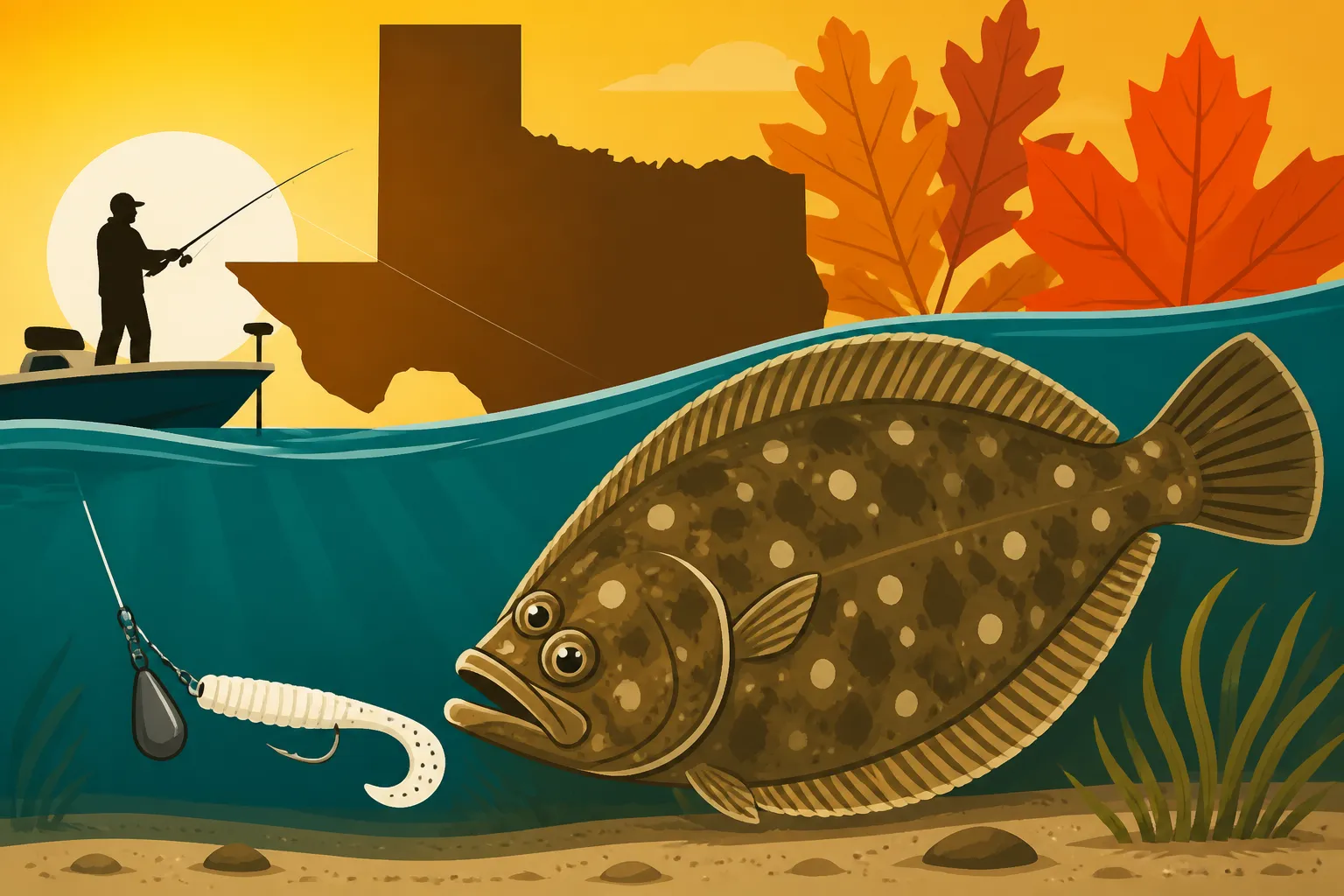
There's a special kind of electricity in the air along the Texas coast when autumn rolls around, and it's not just the cooler temperatures. It's the hum of anticipation for the annual fall flounder run – a migration that many anglers dream about but sometimes struggle to conquer. This comprehensive guide will peel back the layers of mystery surrounding this exciting event, equipping you with the knowledge and tactics to successfully target these elusive flatfish as they make their journey.
Decoding the Texas Fall Flounder Run
The fall flounder run is a highly anticipated event for coastal anglers in Texas, marking a significant shift in fish behavior and offering some of the best opportunities to catch these delicious flatfish. Understanding why and when this migration happens is the first step toward putting more flounder on your stringer. It’s not just a random movement; it’s a biological imperative that drives these fish.
The Biological Drive: Why Flounder Migrate
Southern flounder, the primary species we target here in Texas, are fascinating creatures with a unique life cycle. As the days shorten and the water temperatures in our bays and estuaries begin to cool in late summer and early fall, a powerful instinct kicks in. This signals the start of their annual migration from the shallow, nutrient-rich bay systems out into the deeper, more stable waters of the Gulf of Mexico. This journey is entirely about reproduction. They head offshore to spawn, ensuring the continuation of their species.
During this migration, flounder become highly concentrated in specific areas as they funnel towards the passes and channels leading to the Gulf. They are actively feeding to build up energy reserves for the spawning journey, making them more aggressive and, crucially, more susceptible to anglers' baits. This is why the "run" is such a big deal—it’s a relatively brief window where a large number of fish are moving predictably and actively feeding, creating prime conditions for a successful fishing trip. You'll often hear veteran anglers talking about how productive it can be if you hit the timing just right.
Timing is Everything: Peak Windows for the Run
While "fall" is the general season, the peak of the Texas flounder run isn't a single, fixed date on the calendar. It's a dynamic period influenced heavily by weather patterns and water temperatures. Generally, the run kicks off in earnest around October, building in intensity through November. However, a strong cold front in late September or early October can jumpstart the migration, sending flounder packing earlier than expected. Conversely, a prolonged warm spell might delay it.
The most productive fishing often occurs when a series of cool fronts begin to drop bay water temperatures consistently. This cools the shallower flats and pushes the flounder into deeper guts, channels, and eventually towards the passes. Anglers often pay close attention to the Texas Flounder Season and Limits as well as local fishing reports and water temperature readings to pinpoint the ideal time. It’s a bit of a cat-and-mouse game with Mother Nature, but when you catch that window, the rewards can be incredible. Many seasoned anglers will tell you that the couple of weeks leading up to the Why is Texas flounder season closed in November are often some of the most frantic and productive times to be on the water.
Essential Arsenal for Flounder Success
To successfully intercept flounder during their fall migration, you need the right tools for the job. These aren't necessarily specialized, expensive setups, but rather gear that allows for proper bait presentation and the ability to detect those subtle flounder bites. Let's break down what you'll want to have in your tackle box and on your boat or in your wader bag.
Rods, Reels, and Line: Precision and Power
For flounder fishing, especially when wading or fishing from a pier, a medium-light to medium power spinning rod, typically 6'6" to 7' in length, is a fantastic choice. This offers enough backbone to handle a decent flounder while still providing the sensitivity needed to feel their often light bites. Look for a rod with a fast or extra-fast action, meaning the tip is very sensitive but the rod quickly transitions to power, allowing for quick hook sets. Paired with a quality spinning reel in the 2500-3000 size range, you'll have a balanced and capable setup. For those who prefer baitcasting, a similar power and action rod will work, perhaps a touch shorter for more accurate casting in tight spots.
When it comes to line, a good choice is 10-15 pound braided line, which offers incredible sensitivity and casting distance without much stretch. The no-stretch nature of braid is crucial for feeling those subtle "thumps" or even just added weight that often signals a flounder. To this, you'll want to tie a 2-3 foot leader of 15-20 pound fluorocarbon. Fluorocarbon is nearly invisible underwater, which is a huge advantage when targeting wary flounder in clear water, and its abrasion resistance protects your main line from oyster shells and other underwater structure. You can find quality braided lines and fluorocarbon leaders from various reputable brands, and even on online retailers like Amazon.
The Right Rigs and Baits: Natural vs. Artificial
Flounder are ambush predators, often lying camouflaged on the bottom, waiting for an unsuspecting meal to swim by. Therefore, your bait presentation needs to mimic this natural prey as closely as possible. The most effective rigs for flounder during the run are simple yet effective. A basic Carolina rig is a perennial favorite, consisting of an egg sinker (1/4 to 1/2 ounce, depending on current), a small swivel, and an 18-24 inch fluorocarbon leader tied to a worm hook (1/0 to 3/0) or a jighook. This rig keeps your bait right on the bottom where flounder live.
When it comes to bait, live mud minnows (also called finger mullet or killifish) are king. Their frantic swimming action is irresistible to a flounder. Hook them lightly through the lips or just behind the dorsal fin. If live bait isn't available, cut bait such as a strip of mullet or a peeled shrimp can also be effective. For artificials, soft plastic lures are incredibly productive. Paddle-tail or Gulp! shrimp imitations, rigged on a 1/8 to 1/4 ounce jig head, are deadly. Colors like "new penny," "chartreuse," "pearl," or "motor oil" are often flounder favorites. The key with soft plastics is to slowly drag and hop them along the bottom, mimicking an injured baitfish. Having a variety of these baits on hand, easily purchased through online marketplaces or local tackle shops, will increase your chances of success. For more insight into what tempts these flatfish, check out our guide on the Best Bait and Lures for Texas Fishing.
| Bait Type | Pros | Cons | Presentation Tip |
|---|---|---|---|
| Live Mud Minnows | Irresistible natural action, strong scent | Can be harder to keep alive, expensive | Hook through lips, slow drag with Carolina rig |
| Cut Mullet/Shrimp | Good scent trail, readily available | Less action than live bait | Small strips, fish on bottom with Carolina rig |
| Soft Plastics | Durable, versatile, wide color range | Requires more angler input for action | Slow drag and hop on jig head, mimic injured prey |
| Gulp! Baits | Strong scent, excellent action | Can be pricey, not as durable as other plastics | Same as soft plastics, great for slow retrieves |
Specialized Gear for Gigging and Wading
Flounder gigging is a popular and effective method, especially during the fall run when the fish are concentrated. For gigging, you'll need a specialized flounder gig (a long pole with a barbed spear at the end), a powerful waterproof light source, and appropriate wading attire. Headlamps are great, but dedicated handheld gigging lights or even boat-mounted lights provide superior illumination. These lights often feature LED technology for maximum brightness and battery life, and many anglers source their specialized gigging lights from retailers like Amazon for convenience and selection.
When wade fishing, the proper attire makes all the difference, especially as bay water temperatures drop. Good quality chest waders are essential for staying dry and warm. Depending on the conditions, neoprene waders offer excellent insulation, while lighter breathable waders might be preferred on milder days. Investing in sturdy wading boots with good grip will protect your feet and provide stability on slippery bay bottoms. A small wade fishing belt or stringer is also crucial for holding your catch, keeping your hands free for fishing. When the weather turns cool, investing in good waders, easily found on Amazon, will make your trip much more comfortable.
Mastering the Techniques: From Wading to Gigging
Catching flounder during the fall run isn't just about having the right gear; it's about understanding their behavior and employing the right techniques. Whether you prefer the stealth of wading, the coverage of a boat, or the thrill of gigging under the moonlight, there are specific strategies that will boost your success.
Wade Fishing: Stealth and Presentation
Wade fishing is arguably one of the most popular and productive ways to target fall flounder. The stealth you gain by quietly moving through the water allows you to approach fishing hot spots without spooking the fish. Flounder tend to lie in ambush along specific bottom structures where baitfish are likely to pass. Think about fishing along grass lines, oyster reefs, sand pockets within muddy areas, and the edges of channels. These are prime ambush points.
When wading, focus on a slow, methodical retrieve. Flounder aren't usually chasing bait down; they're waiting for it to come to them. Cast your bait (live minnow on a Carolina rig or soft plastic on a jig head) ahead of you and work it back with short, subtle drags and pauses. Imagine your bait crawling along the bottom. The bite can often feel like a heavy weight, a slight "thump," or just a sudden increase in resistance. Don't set the hook immediately; often, flounder will "mouth" the bait first. Give them a few seconds to fully engulf it before a firm, sweeping hook set. Moving slowly, shuffling your feet (to avoid stingrays!), and covering ground thoroughly are key. This patient approach is covered in more detail in our guide on Texas Saltwater Fishing Techniques.
Boat Fishing: Covering More Ground
Fishing for flounder from a boat allows you to access deeper channels, cuts, and passes that might be out of reach for waders. It also enables you to cover a lot more territory efficiently. During the fall run, flounder congregate in these deeper areas as they stage for their journey offshore. Focus on fishing the mouths of bayous, tidal guts, and the main shipping channels that lead to the Gulf. Look for distinct depth changes, ledges, and areas where current creates eddies or funnels bait.
Drifting with the current using live bait on a Carolina rig is a highly effective boat technique. Position your boat upcurrent from a promising area and allow your bait to drift naturally along the bottom. This covers a lot of water and presents the bait in a realistic manner. Alternatively, anchoring strategically near a known flounder holding area (like a jetty or channel intersection) and fan-casting allows you to thoroughly work a specific spot. You can also use your trolling motor to slowly move along channel edges, dragging soft plastics or live bait. Pay close attention to your fish finder for baitfish schools or signs of structure that might hold flounder.
The Art of Flounder Gigging
Flounder gigging is an exhilarating nocturnal pursuit that becomes incredibly productive during the fall run. As flounder migrate, they move into shallower waters at night to feed under the cover of darkness. The primary method involves slowly wading or drifting in a very shallow-draft boat (like a jon boat or shallow-running skiff) equipped with powerful lights to illuminate the bottom. You literally spot the flounder lying flat on the bottom, perfectly camouflaged, and then "gig" them with a spear.
Success in gigging relies on calm, clear water. Wind-blown or turbid water makes it nearly impossible to spot the fish. The best conditions are often on calm nights with clear skies and a high tide cycle, allowing you to access shallower flats. As you move, keep your light beam focused on the bottom, sweeping it back and forth. Look for the distinct outline of a flounder, which might appear as an oval shape, sometimes with visible eyes, or simply a disturbance in the sand or mud. Once spotted, approach slowly and steadily, then use a quick, decisive thrust to gig the fish. Always be aware of your surroundings and shuffle your feet to avoid stingrays, just as you would when wade fishing. Knowing How to Gig Flounder Legally in Texas is crucial to ensure a safe and successful trip.
Navigating the Rules and Responsible Angling
Being a responsible angler means not only knowing how to catch fish but also understanding and respecting the regulations in place to protect our fisheries. This is especially true for flounder, as their populations are carefully managed due to their popularity and specific spawning habits.
Understanding Texas Flounder Regulations
The Texas Parks and Wildlife Department (TPWD) sets specific regulations for flounder, including bag limits, length limits, and season closures. These rules are put in place to ensure the long-term health of the flounder population, particularly during their critical spawning migration. For instance, there’s often a restricted gigging season during the peak of the fall run to give a portion of the spawning population a chance to migrate unmolested.
It's absolutely vital to know the current Texas Saltwater Bag Limits by Species and length limits before you head out. These can change, so always double-check the latest TPWD Outdoor Annual or their website. For flounder, this typically includes a daily bag limit (how many you can keep per day) and a minimum length limit (the smallest size you can keep). There might also be a maximum length limit on certain fish or specific restrictions on gigging versus rod-and-reel fishing. Always measure your fish carefully. Getting caught with undersized or over-the-limit fish can lead to significant fines. Also, remember that a saltwater fishing license with a Texas Saltwater Endorsement Explained is generally required for flounder fishing in coastal waters.
Conservation and Ethical Practices
Beyond just following the rules, ethical angling practices are paramount when targeting flounder during their vulnerable fall run. Consider practicing catch and release for any fish you don't intend to eat or that are outside the slot limits. If you are releasing fish, handle them gently with wet hands, minimize their time out of the water, and ensure they are revived before letting them go. This helps reduce stress and increases their chances of survival.
Another important aspect is to respect private property and other anglers. If you're wade fishing, give other waders plenty of space. If you're gigging, be mindful of boat traffic and other anglers on the water. Conservation efforts also extend to how you dispose of trash and waste. Always pack out everything you pack in, and avoid leaving behind fishing line, bait containers, or any other litter that can harm the marine environment. By being a thoughtful and responsible angler, we all contribute to the health and sustainability of Texas's incredible flounder fishery for generations to come.
Disclaimer
This article is for general informational purposes only and does not constitute professional advice. Laws, prices and regulations vary by location and change over time. Consult a qualified professional for guidance on your specific situation.