Are catfish good to eat from Texas lakes
One of the most common questions I hear from fellow anglers, especially those new to fishing our beautiful Texas lakes and rivers, is a simple one: "Are catfish from Texas lakes actually good to eat?" It's a completely valid concern. There's often a bit of trepidation, maybe even some old wives' tales, floating around about freshwater fish and their edibility. Well, let me tell you, that concern is entirely understandable, and this guide is here to help you confidently answer that question for yourself, offering practical advice on everything from catching to cooking your Texas catfish.
The Flavor Profile of Texas Catfish: What to Expect
Let's cut right to the chase: yes, catfish from Texas lakes can be absolutely delicious! However, like any wild-caught fish, their flavor and texture aren't always uniform. It's not like buying a packaged fillet from the grocery store where you know exactly what you're getting every time. The taste can vary quite a bit depending on a few key factors, and understanding these will help you appreciate why one catfish might taste a little different from another.
Distinguishing Taste by Catfish Species
Texas is home to several popular catfish species, and each has its own subtle nuances when it comes to flavor and texture. Knowing which one you've landed can give you a hint about what's in store for your dinner plate.
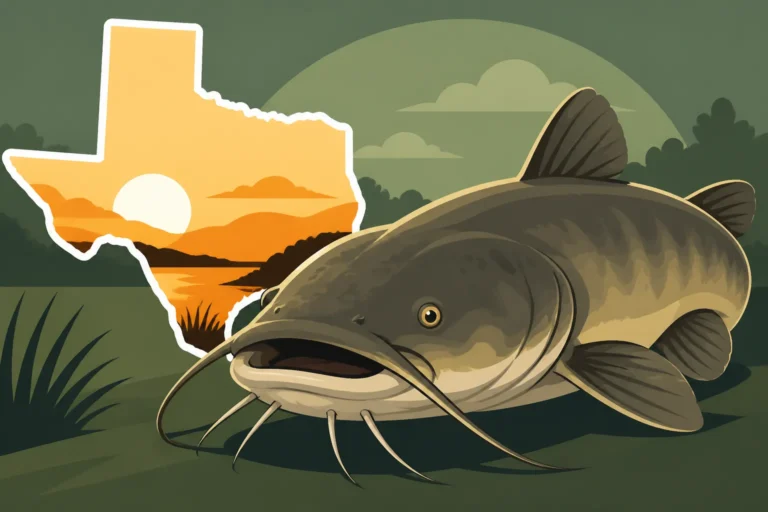
Channel catfish are arguably the most common and sought-after for the table. They typically have a milder, sweeter flavor and a firm, flaky white flesh. They're what most people picture when they think of "fried catfish" at a restaurant. Their diet often consists of a wide range of invertebrates and smaller fish, which generally contributes to their appealing taste. When you're cleaning a channel cat, you'll notice their flesh tends to be quite clean and white.
Blue catfish, especially smaller to medium-sized ones, also offer excellent eating. Their flesh is usually a bit firmer and whiter than channel catfish, with a slightly richer, almost sweet taste. As they get larger, blue cats can sometimes develop a stronger flavor, which some anglers love and others prefer to avoid. However, a nice 5-10 pound blue cat from clean water is a prized catch for the dinner table. If you're targeting these big boys, check out our Texas Blue Catfish Identification Guide to make sure you know what you've got.
Flathead catfish are unique in their diet, primarily eating live fish, which many believe gives them the best flavor of all the catfish species. Their flesh is typically very firm, white, and has a delicate, almost sweet, non-fishy taste. They're often compared to snapper or even lobster in flavor and texture. If you manage to catch a flathead, you're in for a treat! You can learn more about these fascinating fish in our Texas Flathead Catfish Identification Guide.
| Catfish Species | Typical Flavor Profile | Flesh Texture | Ideal Size for Eating |
|---|---|---|---|
| Channel Catfish | Mild, slightly sweet, clean | Firm, flaky white | 1-5 lbs |
| Blue Catfish | Milder to rich, sweet (can be stronger in larger fish) | Very firm, white | 1-15 lbs |
| Flathead Catfish | Delicate, sweet, non-fishy | Very firm, bright white | 3-20 lbs |
The "Muddy" Taste Phenomenon Explained
Ah, the infamous "muddy" taste! This is probably the biggest reason people hesitate when it comes to eating wild-caught catfish. It's a real thing, and it can definitely ruin a meal, but it's not a death sentence for all freshwater fish. This off-flavor is usually caused by compounds called geosmin and 2-methylisoborneol (MIB), produced by certain types of blue-green algae and actinomycetes bacteria found in stagnant or nutrient-rich waters.
These compounds are absorbed through the fish's gills and accumulate in their fatty tissues. Catfish, being bottom-dwellers and often living in warmer, shallower waters where these algae thrive, are more susceptible. The good news is that this taste is rarely present in fish from large, deep, clear lakes with good water flow or from cooler water. If you catch a catfish and are worried about the muddy taste, there are steps you can take, which we'll cover later, to minimize or eliminate it. Don't let a bad experience with one fish spoil the whole species for you!
Factors Affecting Catfish Quality and Safety
The quality and safety of catfish from Texas lakes aren't just about their species; they're heavily influenced by the environment they live in. Just like anything you eat, "you are what you eat" definitely applies to fish, and "you are where you live" also plays a huge role. Understanding these environmental factors can help you choose the best fish to keep for the dinner table.
Water Quality and Habitat
This is probably the most significant factor. Catfish from clean, clear, well-oxygenated lakes and rivers generally taste far better than those from murky, stagnant, or polluted waters. Think about a fish caught in the pristine waters of Canyon Lake versus one from a slow-moving, heavily polluted urban creek. The difference can be night and day. Fish from areas with strong currents or deeper, cooler water tend to have less exposure to the algae that cause the muddy taste.
Furthermore, water quality directly impacts the health of the fish and, consequently, its flesh. While Texas Parks and Wildlife Department (TPWD) monitors water quality in many public fishing areas, it's always wise to be aware of the specific conditions of the lake or river you're fishing. If a lake looks or smells off, or if there are active algal blooms, it might be best to practice catch and release, or at least be more discerning about which fish you keep. Local fishing reports often provide insights into water conditions, and you can often find information on TPWD's website about specific water body advisories if there are any concerning levels of contaminants in particular areas.
Diet and Size of the Fish
The old saying "you are what you eat" applies directly to fish flavor. Catfish that primarily feast on a varied diet of smaller fish, crayfish, and insects will typically have a cleaner, milder flavor. This is particularly true for flathead catfish, which are almost exclusively piscivorous (fish-eaters). Conversely, catfish that scavenge on less desirable food sources might develop stronger or less pleasant flavors. This is less about safety and more about palatability.
When it comes to size, there's a sweet spot. Generally, smaller to medium-sized catfish (say, 1 to 10 pounds for channel and blue cats, up to 20 pounds for flatheads) are considered the best eating. They tend to have more tender, flakier flesh and a milder flavor. Older, very large catfish can sometimes have tougher, fattier meat with a stronger, more "fishy" taste, and they also have a greater chance of accumulating contaminants over their longer lifespans. For example, a trophy blue cat from Lake Livingston Fishing Guide might be impressive to catch, but a smaller one is often preferred for eating. Always be sure to check the Texas Fish Bag and Length Limits for the species you're targeting before keeping any fish.
Contaminant Concerns: Mercury and PCBs
It's natural to worry about contaminants like mercury and PCBs (polychlorinated biphenyls) in wild-caught fish. These substances can accumulate in fish tissues over time. The good news is that TPWD, in conjunction with other state agencies, regularly monitors fish populations and issues consumption advisories for specific water bodies if contaminant levels are a concern. You can usually find these advisories on the TPWD website.
For most general fishing in Texas lakes, catfish are typically considered safe to eat in moderation, especially smaller ones. However, large, older fish, particularly those from industrial or historically contaminated areas, might warrant more caution. The general recommendation for most fish, including catfish, is to trim away fatty tissue and skin before cooking, as many contaminants accumulate in these areas. While it's important to be aware, don't let fear paralyze you; common sense and checking local advisories are your best guides.
Best Practices for Preparing and Cooking Texas Catfish
So, you've caught some beautiful Texas catfish, and you're ready to turn them into a delicious meal. How you handle and prepare your catch can make all the difference in its final flavor and texture. From the moment it leaves the water until it hits your plate, every step counts!
Field Care: Keeping Your Catch Fresh
The quality of your catfish starts the moment you catch it. Don't just throw your fish in a bucket and leave it in the sun for hours. Rapid cooling is essential to preserving flavor and preventing the meat from spoiling or developing off-tastes.
Ideally, bring a cooler full of ice with you, especially during those scorching Texas summers. As soon as you catch a fish you intend to keep, dispatch it humanely and immediately place it on ice. This chills the fish quickly, slows bacterial growth, and keeps the flesh firm. Some anglers even use a brine solution in their cooler to help purge any lingering muddy taste from the fish, though this is often an extra step for those truly dedicated to pristine flavor. If you're out for a long day, having a dedicated live well to keep them alive until you can process them at home is another excellent option; just make sure it's properly aerated. You can find some excellent live well aerators on Amazon, which are crucial for keeping your fish healthy until cleaning time.
Cleaning and Filleting for Optimal Flavor
This is where many people get intimidated, but cleaning catfish is straightforward once you get the hang of it. Unlike scaled fish, catfish have tough, leathery skin. You'll need a sharp fillet knife – a good one can be a game-changer, and you can find a wide selection of highly-rated fillet knives on Amazon – and a sturdy cleaning surface.
There are two main methods: skinning or filleting.
- Skinning the Catfish: Many anglers prefer to skin catfish whole, especially smaller ones, before filleting or cooking. You can use a pair of pliers to grab the skin near the head after making an initial cut around the head, then pull it off like a glove. This method ensures all the skin and the dark fatty layer just beneath it are removed, which is often where those "muddy" flavors or stronger tastes can reside.
- Filleting the Catfish: For larger fish, filleting is usually the way to go. Make a cut behind the pectoral fin down to the backbone, then turn the knife and run it along the backbone towards the tail, separating the fillet. Flip the fillet skin-side down and carefully slice the meat away from the skin. Be sure to trim away any dark red meat along the lateral line and any remaining belly fat, as these parts can also hold stronger flavors. This process, while a bit messy at first, leaves you with beautiful, boneless fillets ready for cooking. If you need a visual guide, there are countless tutorials online that can walk you through the process step-by-step.
Cooking Methods to Bring Out the Best
Once you have those clean, white fillets, the world of culinary possibilities opens up! Catfish is incredibly versatile, but some cooking methods truly make it shine.
- Frying: This is the classic, iconic way to enjoy catfish, especially in Texas. Dredge your fillets in a seasoned cornmeal or flour mixture and deep-fry them until golden brown and flaky. The crispy crust and moist, tender interior are simply irresistible. This method works wonders for masking any slight off-flavors if present, making it a go-to for many.
- Grilling: For a healthier option, grilling catfish is fantastic. Marinate the fillets in a zesty mixture of lemon, garlic, herbs, and a touch of olive oil. Grill over medium-high heat until cooked through. The smoky flavor from the grill complements the fish beautifully. This method highlights the natural sweetness of the fish.
- Baking or Broiling: If you're looking for minimal fuss, baking or broiling is a great choice. Place seasoned fillets on a baking sheet, maybe topped with some butter and breadcrumbs, and bake until flaky. Broiling offers a quicker cooking time and can give the fish a nice crust.
- Stewing or Soups: Catfish also holds up well in hearty stews, gumbos, or fish soups, especially those with bold flavors. The firm flesh won't fall apart easily, making it an excellent addition to these simmering dishes.
Regardless of your chosen method, always cook catfish until it flakes easily with a fork, ensuring it's thoroughly cooked and delicious.
Common Concerns and Misconceptions
Despite its popularity, catfish, particularly wild-caught ones, often come with a baggage of questions and even some old wives' tales. Let's tackle some of the most common ones head-on.
Is the "Muddy" Taste Permanent?
As we discussed earlier, the muddy taste is a very real phenomenon, but it's usually not permanent in the fish's system. It's caused by compounds that are absorbed and stored. If a fish is moved to clean water, or if water conditions improve, these compounds can be purged from its system over time.
For anglers, this means that if you catch a catfish and are concerned about the muddy taste, there are a few tricks you can try:
- Purging in Clean Water: Some anglers will keep live catfish in a large tank or even a bathtub filled with clean, fresh water (changed daily) for a few days to a week. The fish will naturally purge the undesirable compounds from its system. This is a bit of an effort, but highly effective for guaranteed clean flavor.
- Brining: Soaking fillets in a saltwater brine for a few hours before cooking can also help draw out some of the stronger flavors.
- Strong Seasoning: If all else fails, a robust marinade or heavy seasoning and frying can often mask any residual off-flavors, especially in classic Southern fried catfish preparations. Don't let a "muddy" experience deter you from trying catfish from different lakes or with different preparation methods.
Are Catfish "Bottom Feeders" and Therefore Unclean?
This is a very common misconception that often deters people from eating catfish. While it's true that catfish are often found near the bottom and will scavenge for food, calling them merely "bottom feeders" is an oversimplification. Their diet is actually quite varied. As mentioned, flatheads are ambush predators of live fish. Channel and blue catfish also actively hunt smaller fish, crayfish, mussels, and insects. They are opportunistic feeders, certainly, but they're not just sifting through mud for sustenance.
The term "bottom feeder" often carries a negative connotation, implying uncleanliness. However, a fish's diet and habitat are more complex than just where it spends its time. A healthy lake bottom can be teeming with life that makes for excellent catfish food. Focus more on the overall water quality of the lake rather than just the "bottom feeder" label. If you're concerned about mercury, consider reading up on Texas Fish Bag and Length Limits for guidance on which sizes are generally safest to consume.
Comparing Wild-Caught to Farm-Raised Catfish
Many people are familiar with farm-raised catfish from grocery stores or restaurants, and they often wonder how wild-caught compares. There are definite differences!
| Feature | Farm-Raised Catfish | Wild-Caught Catfish (Texas Lakes) |
|---|---|---|
| Diet | Controlled, often pellet feed | Natural, varied (fish, insects, crustaceans) |
| Flavor | Consistent, very mild, sometimes described as bland | Varies greatly by species, water, diet; can be mild to rich |
| Texture | Softer, often fattier | Firmer, leaner, more muscular |
| "Muddy" Taste | Rare, due to controlled water quality | Possible, depending on water conditions; manageable with care |
| Contaminants | Generally very low, due to controlled environment | Possible, depends on specific water body; consult advisories |
| Availability | Year-round in stores | Seasonal/opportunistic, requires fishing |
Many anglers, myself included, prefer the firmer texture and richer, more natural flavor of wild-caught Texas catfish. It feels like you've earned that meal, and the taste reflects its journey in the wild. If you've only ever had farm-raised, I highly encourage you to give a properly cared for and cooked wild Texas catfish a try. You might just find your new favorite meal! To increase your chances of catching good eating-sized fish, make sure you know How to Catch Catfish in Texas.
In conclusion, catfish from Texas lakes are not only good to eat but can be truly exceptional table fare. By understanding the species, considering water quality, practicing good field care, and employing proper cleaning and cooking techniques, you can enjoy delicious, healthy meals from your angling adventures. So next time you're out on the water, don't hesitate to keep a few nice catfish for dinner!
Disclaimer
This article is for general informational purposes only and does not constitute professional advice. Laws, prices and regulations vary by location and change over time. Consult a qualified professional for guidance on your specific situation.