Texas Freshwater Game Fish Species Guide
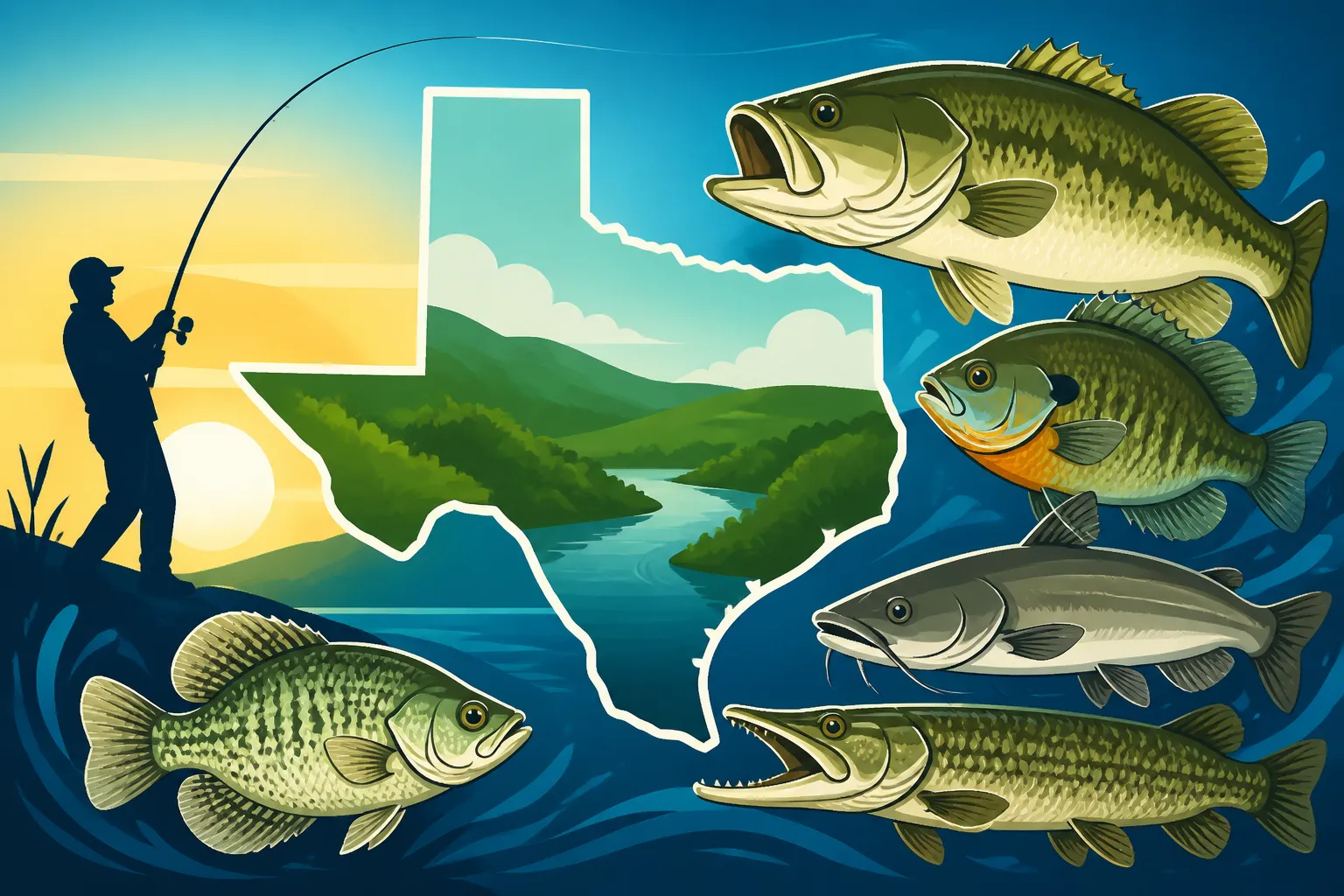
One of the biggest joys of fishing in Texas is the sheer variety of freshwater game fish that call our lakes and rivers home. But let's be honest, sometimes it can feel like you need a field guide and a magnifying glass just to figure out what you've actually reeled in! This comprehensive guide is here to demystify the incredible diversity of Texas freshwater game fish, helping you confidently identify your catch and understand what makes each species so special, so you can tailor your approach and have more success on the water.
The Kings of the Lakes: Texas Black Bass Species
When you talk about freshwater fishing in Texas, the conversation invariably starts with bass. These powerful, intelligent fish are the target for countless anglers, from casual weekend warriors to seasoned tournament pros. Texas is home to several distinct species, each with its own characteristics and preferred haunts.
Largemouth Bass: The Classic Texas Fighter
Ah, the largemouth bass! This is arguably the most iconic freshwater game fish in Texas, and for good reason. They are the quintessential fighters, known for their explosive strikes, acrobatic jumps, and strong runs. Many of us have childhood memories of catching our first big largemouth, feeling that incredible tug on the line that hooks you on fishing for life. These fish are characterized by their deeply notched dorsal fin, a jaw that extends past the eye when closed, and often a distinct horizontal band of dark blotches along their sides. They love structure – think submerged timber, hydrilla beds, lily pads, boat docks, and rocky points. If you're looking for a tackle box to hold all your favorite bass lures, you can find a huge selection on Amazon.
The frustration for many new anglers is that a "big" bass can sometimes feel elusive. You might catch a bunch of small ones and wonder if you're doing something wrong. But often, it's just about persistence and understanding their patterns. Largemouth bass are ambush predators, so presenting your bait effectively around their hiding spots is key. They feed heavily on smaller fish, crawfish, and even frogs, making them susceptible to a wide array of artificial lures and live baits. Understanding their seasonal movements and preferred water temperatures can dramatically increase your chances of landing that lunker. We’ve got a fantastic resource that dives deep into this topic: Texas Largemouth Bass Fishing Guide.
They thrive in warm, murky to moderately clear water, and you'll find them in almost every lake and pond across the state. From the renowned waters of Lake Fork to the more urban ponds, largemouth bass are a constant presence. Their prevalence and fighting spirit make them a favorite among anglers of all skill levels, ensuring that a day on the water chasing these green giants is always an adventure.
Spotted Bass: The Underestimated Scrappers
Often mistaken for their larger cousins, the spotted bass are truly scrappy fighters that deserve more recognition. You might reel one in and think it's a small largemouth, but take a closer look! The key difference is their mouth: a spotted bass's jaw typically does not extend past the eye, and they usually have a patch of teeth on their tongue – something a largemouth lacks. They also have distinct rows of small, dark spots below their lateral line, which give them their name. These spots are usually more pronounced than any markings you'd see on a largemouth.
Spotted bass prefer clearer, rockier waters and are often found in river systems and reservoirs with a stronger current, such as those found in the Texas Hill Country. They tend to school up more readily than largemouths, meaning if you catch one, there are likely more nearby. While they don't typically grow to the massive sizes of largemouths, they make up for it with their tenacious fight, often pulling harder pound-for-pound. This can be a delightful surprise when you're expecting a smaller fish!
Anglers often find them clinging to deep structure, bluff walls, and submerged rock piles. They are aggressive feeders, readily striking a variety of lures, especially jigs, shaky heads, and small crankbaits. Don't underestimate the thrill of hooking into a school of spotted bass; their energy and willingness to chase a bait can make for an incredibly fun day, especially when other species are being finicky.
Guadalupe Bass: Texas's Own Unique Gem
Now, if you want to talk about a true Texas native, you have to talk about the Guadalupe bass. This is our state fish, folks, and it's a species unique to the clear, spring-fed rivers and streams of the Edwards Plateau in Central Texas. You won't find these guys naturally anywhere else in the world, which makes them incredibly special. They are smaller than largemouths and spotted bass, typically topping out around a pound or two, but what they lack in size, they make up for in beauty and a feisty attitude.
Identifying a Guadalupe bass can be a bit tricky, as they share some characteristics with both largemouth and smallmouth bass. Look for a distinctive pattern of diamond-shaped or chevron-like markings along their sides, which are often more prominent than the irregular blotches of a largemouth. Their jaw also doesn't extend past the eye, similar to a spotted bass, but they generally lack the prominent rows of spots below the lateral line that spotted bass possess. Their overall coloration is often more olive-green with a lighter belly, perfectly camouflaging them in their rocky, clear-water habitats. You can learn more about this incredible fish in our Guadalupe Bass Texas State Fish Guide.
Catching a Guadalupe bass is a badge of honor for many Texas anglers. They are particularly responsive to small finesse lures, flies, and ultralight tackle, making them a fantastic target for fly fishing enthusiasts. Their preferred habitat includes rocky rapids, undercut banks, and swift-moving currents, making for an exciting challenge. Conservation efforts are vital for this unique species, so understanding their biology and practicing catch-and-release is often encouraged to preserve their populations for future generations to enjoy.
Whisker Fish Wonders: Texas Catfish Varieties
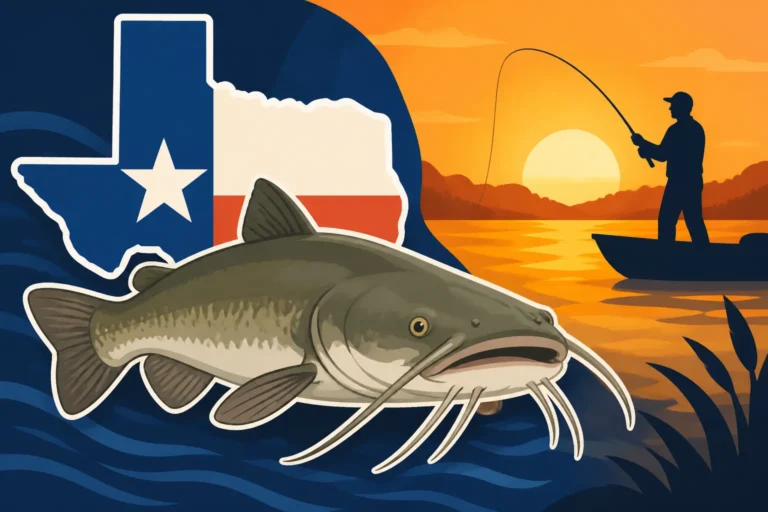
Catfish are a cornerstone of Texas fishing, beloved for their delicious meat and their powerful, dogged fights. They are incredibly diverse, adapting to a wide range of habitats, and offer some truly exciting angling opportunities. Whether you're setting trotlines or casting from the bank, these whiskered wonders provide plenty of action.
Channel Catfish: The Widespread Dinner Plate Staple
The channel catfish is probably the most commonly recognized and caught catfish in Texas. They're found in virtually every public water body, from small farm ponds to massive reservoirs and slow-moving rivers. Their widespread distribution and willingness to bite make them a fantastic target for anglers of all ages and skill levels, especially those looking for a tasty meal. They're easily identified by their deeply forked tail, smooth, scaleless skin, and scattered dark spots along their sides (though these spots can fade in older, larger fish). They typically range from 1 to 5 pounds, but bigger ones are certainly out there!
Channel cats are omnivorous scavengers, meaning they'll eat just about anything they can find. This makes them incredibly fun to fish for, as you can use a wide array of baits from stinky prepared "stink baits" and cut bait to worms, shrimp, and even hot dogs! Many of us grew up fishing for channel cats with a simple bobber and a glob of worms, patiently waiting for that tell-tale dip and pull. They prefer warm, slower-moving water and often congregate in deeper holes, around submerged brush, or near creek channels.
They put up a respectable fight, often making strong, steady runs, and are fantastic table fare. Many Texas state parks and community fishing lakes are regularly stocked with channel catfish, making them an accessible and enjoyable target, especially for families introducing kids to fishing. You can easily find various catfish rigs and baits on Amazon to help improve your catch rate.
Blue Catfish: The Giant Bottom Dwellers
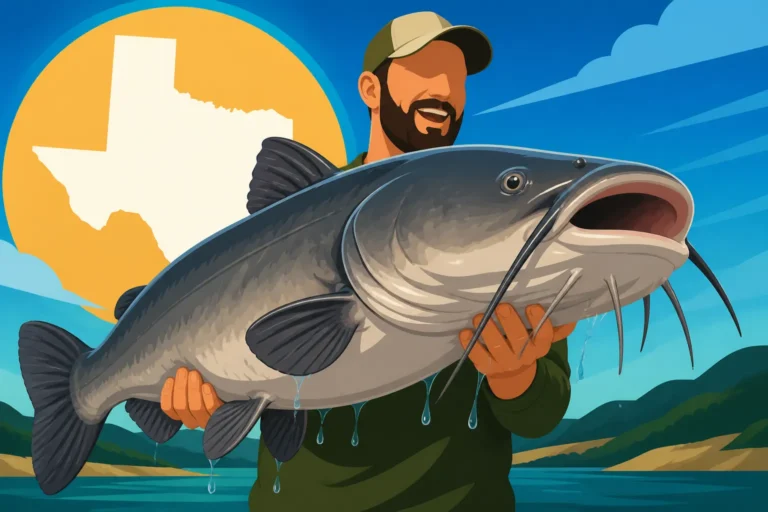
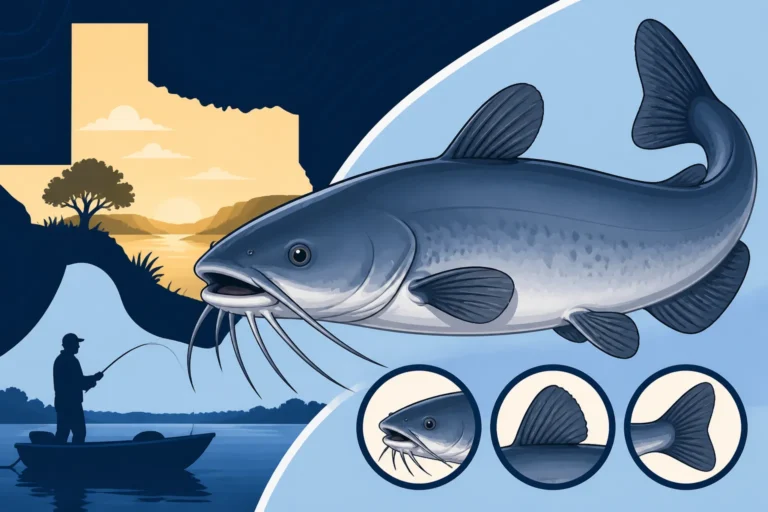
If you're looking to tangle with something truly massive, the blue catfish is your fish. These are the giants of the Texas freshwater system, with individuals regularly caught weighing 30, 50, or even over 100 pounds! The Texas state record blue cat is an absolute beast, inspiring many anglers to dedicate their time to pursuing these behemoths. Blue cats have a distinctly humped back, a deeply forked tail, and a uniform slate-blue to gray coloration, lacking the spots found on channel cats. Their head is also broader and flatter than a channel cat's. For a closer look at these impressive fish, check out our Texas Blue Catfish Identification Guide.
Blue catfish prefer large rivers and sprawling reservoirs, often congregating in deep river channels, submerged humps, and vast open water areas. They are primarily piscivores, meaning they prefer to eat other fish. Fresh cut bait from shad, carp, or even perch is often the most effective way to entice a strike from a big blue. Whole shad or large chunks of fresh bait are popular choices. They are incredibly powerful fighters, capable of long, sustained runs that will test your tackle and your stamina.
Many anglers consider chasing trophy blue catfish a serious endeavor, requiring heavy-duty rods, reels, and line. The thrill of hooking into a truly massive blue cat is an experience you won't soon forget, and the sheer power they exert can be awe-inspiring. They are also excellent eating, especially the smaller "eater" size fish, making them a dual-purpose species for both sport and sustenance.
Flathead Catfish: The Ambush Predators
Distinct from channel and blue cats, the flathead catfish is a unique and formidable predator. They have a more flattened head (hence the name), a protruding lower jaw, and a square or slightly rounded tail, unlike the deeply forked tails of their cousins. Their coloration is usually mottled yellow-brown to olive, allowing them to blend perfectly with their surroundings. Flatheads are solitary ambush predators, preferring to hide in logjams, undercut banks, and deep holes with plenty of cover, patiently waiting for their prey.
Unlike channel and blue cats, flatheads have a strong preference for live bait. Live perch, sunfish, or even small carp are prime offerings for these opportunistic hunters. They are not typically caught on stink baits or prepared baits. Setting up a heavy-duty rod with a large live bait under a float or on the bottom near heavy structure is a common and effective method for targeting flatheads. The waiting game can be long, but the reward is often a hard-fighting, impressive fish.
Flatheads can grow quite large, often reaching 30 to 60 pounds, with some exceeding 100 pounds. Their fights are characterized by powerful, stubborn tugs and dives, often trying to get back into the snags they call home. Landing a big flathead often requires strong arms and a bit of luck to steer them away from obstacles. They are prized for their firm, white, mild-tasting meat, making them another excellent choice for the dinner table.
Panfish Perfection: Crappie, Sunfish, and More
While bass and catfish often get the most headlines, let's not forget the incredible joy and accessibility of panfishing. These smaller species are abundant, fun to catch, and often some of the best-eating fish in freshwater. They're perfect for introducing kids to fishing or for a relaxing day of consistent action.
White and Black Crappie: Speckled Delights
Crappie, often called "sac-au-lait" in some regions, are an absolute blast to catch and are among the finest freshwater table fare. Texas is home to both white and black crappie, and while they share many similarities, there are distinct differences. Both have thin, plate-like bodies and large dorsal fins, but white crappie generally have distinct vertical bars on their sides, while black crappie have a more random, speckled pattern. Another key difference is the dorsal fin spines: white crappie usually have 6, while black crappie typically have 7 or 8. We’ve got a detailed comparison if you want to dive deeper: Texas White Crappie vs Black Crappie.
Crappie are schooling fish, often found congregating around submerged timber, brush piles, bridge pilings, and dock structures. They love cover and will often hold tight to it, especially during the colder months. When you find one, you're likely to find a whole school, leading to fast and furious action! They feed on small baitfish, insects, and crustaceans, and are readily caught on small jigs, minnows, and tiny spinners. Ultralight tackle makes the fight even more enjoyable.
They are known for their delicate bite, often just a subtle "tap," so a sensitive rod tip is crucial. Crappie fishing is a year-round pursuit in Texas, though spring and fall are often peak seasons when they move shallower. Many anglers enjoy "spider rigging" with multiple rods to cover different depths and locations around structure. Catching a cooler full of crappie is a common goal, and their flaky, white meat is a culinary delight.
Sunfish and Bream: Little Fighters, Big Fun
The world of sunfish (or "bream" as they're often collectively called) is vast and vibrant in Texas. These are the fish that spark a lifelong love of fishing for countless kids, but they're also a source of endless enjoyment for experienced anglers looking for consistent bites. The most common species you'll encounter include bluegill, redear sunfish (shellcrackers), and green sunfish. While relatively small, they are surprisingly strong fighters for their size, hence the nickname "panfish" – because they fit perfectly in a frying pan! To learn more about one of our popular panfish, check out Texas Bluegill Fishing Guide.
Bluegill are perhaps the most iconic, with their deep, disc-shaped bodies, often bluish-black ear flaps, and vibrant orange bellies during spawning season. They are found in nearly every freshwater body and are notoriously aggressive, biting almost any small bait. Redear sunfish are named for the distinctive red or orange margin on their ear flap, and they specialize in eating snails and other invertebrates. Green sunfish are a bit more elongated, with a larger mouth and often iridescent blue-green markings on their cheeks and gill covers.
These fish are absolute magnets for live bait like worms, crickets, and grasshoppers, and they'll readily strike tiny jigs, flies, and spinners. They love to hang out around weed beds, submerged logs, and docks in shallow water, especially during the warmer months. A day spent chasing sunfish with a light rod and reel can be incredibly therapeutic, offering constant action and the simple joy of a bending rod. Plus, a plate of crispy fried bluegill fillets is a true Southern delicacy!
Powerful Swimmers: Stripers and White Bass
Moving up the size ladder, Texas is also home to some incredibly powerful, fast-swimming game fish that provide an exhilarating challenge. These species, often schooling fish, are known for their voracious appetites and blistering runs, making them a favorite for anglers seeking a high-octane experience.
White Bass: The Spring Run Superstars
If you've ever experienced the white bass run in Texas, you know what I'm talking about! These dynamic, silver-sided fish offer some of the most exciting and fast-paced fishing opportunities the state has to offer, especially during their annual spawning migration up rivers and creeks in early spring. White bass are easily identified by their silvery bodies, typically with several dark horizontal stripes that may or may not be continuous. They have a deep body and are generally smaller than striped bass, usually ranging from 1 to 2 pounds, though larger ones are caught. We've got a great resource specifically about Texas White Bass Run Timing if you want to pinpoint that action.
White bass are ravenous predators, feeding on shad and other small baitfish. During the white bass run, they congregate in massive schools, chasing baitfish to the surface or herding them into tight balls. This is when the fishing can be truly phenomenal, with anglers often catching fish on nearly every cast. They hit small spoons, spinners, crankbaits, and soft plastic grubs with aggressive abandon. If you see birds diving into the water, there's a good chance white bass (or hybrid stripers) are driving bait to the surface below!
Outside of the spring run, white bass can be found schooling in open water in many large reservoirs across Texas. They'll often feed actively at dawn and dusk, or when conditions are right, erupting in "boils" on the surface as they crash through schools of baitfish. They are excellent eating, particularly when fresh, offering firm, flaky white meat. A day spent chasing white bass is almost guaranteed to be filled with action, making them a fantastic target for anglers of all ages.
Striped Bass & Hybrids: Hard-Fighting Imports
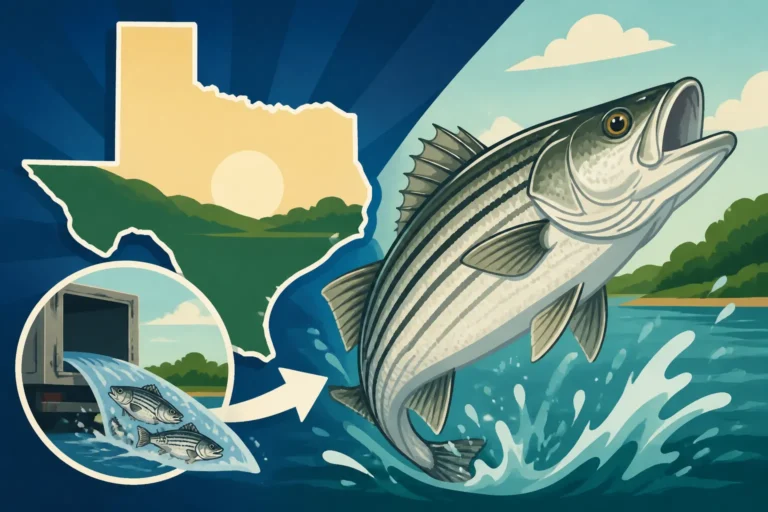
For those who crave the ultimate freshwater fight, the striped bass (often called "stripers") and their hybrid cousins (Wipers or Sunshine Bass) are truly in a league of their own. Pure striped bass are native to coastal waters but have been successfully stocked in several large Texas reservoirs like Lake Texoma, where they reproduce naturally. Hybrids are a cross between striped bass and white bass, created in hatcheries to provide a similar hard-fighting experience in lakes where pure stripers don't thrive. You can find detailed info on these fish in our Texas Striped Bass Fishing Guide.
Identifying the difference between pure stripers and hybrids can be subtle but important for regulations. Pure stripers typically have seven or eight unbroken horizontal stripes along their sides, while hybrids often have broken or irregular stripes, sometimes with a more "splotchy" appearance. Hybrids also tend to have a deeper body profile than pure stripers. Both grow to impressive sizes, with pure stripers reaching much larger sizes (50+ pounds in some lakes) than white bass, and hybrids typically topping out in the 10-20 pound range, though they can get bigger.
These fish are powerhouse predators, constantly on the move in open water, chasing down schools of shad. They require stout tackle and often involve techniques like trolling with large lures or live bait (like gizzard shad) in deeper water, or casting to schooling fish during active feeding frenzies on the surface. When a striper or hybrid hits, prepare for a battle; they make incredibly strong, fast, and long runs that will test your drag and your endurance. Finding quality gear, including heavy-duty rods and reels, is easy on Amazon. Texas lakes like Lake Texoma, Richland-Chambers, and Whitney are renowned for their striper and hybrid fishing, offering a truly world-class experience.
Ancient Anglers: Gar Species
Often misunderstood, gar are some of the most unique and ancient fish swimming in Texas waters. While not always considered "game fish" in the traditional sense by everyone, their immense size, prehistoric appearance, and challenging fight make them a thrilling target for many specialized anglers.
Alligator Gar: The Prehistoric Monster
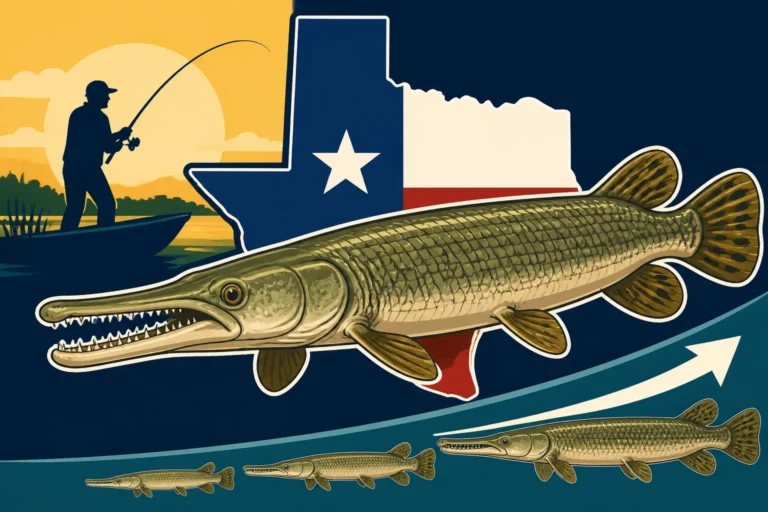
If you're looking for a true living dinosaur, the alligator gar is it. These incredible fish are the largest freshwater fish in Texas and one of the largest in North America, with some individuals reaching over 8 feet long and weighing well over 300 pounds! Their long, alligator-like snout filled with rows of sharp teeth, heavy armor-plated scales, and ancient lineage make them truly awe-inspiring. They're often found in slow-moving rivers and large lakes, preferring backwaters, oxbows, and sloughs with plenty of cover. For an in-depth look at these titans, our Texas Alligator Gar Fishing Guide is an essential read.
Alligator gar are apex predators, eating just about any fish they can overpower, as well as waterfowl and small mammals. Catching them requires specialized heavy-duty tackle, often using large live or cut bait (like carp, buffalo, or mullet) on strong braided line and steel leaders. Many anglers use trotlines, juglines, or even bowfishing equipment to target these giants. The fight from a big alligator gar is a test of strength, patience, and sheer will. They are not known for acrobatic jumps but for powerful, deliberate runs and an incredible ability to resist being reeled in.
Despite their intimidating appearance, alligator gar are not aggressive towards humans and play an important ecological role. Their populations are carefully managed, and harvesting limits are strict for the larger specimens, often requiring a tag or special permit. Many anglers release these magnificent creatures to ensure their populations continue to thrive. They are edible, with firm, white meat that is quite palatable when properly prepared, though their tough, armor-like scales make cleaning a significant chore.
Longnose Gar: More Common, Still Exciting
While not reaching the gargantuan sizes of their alligator gar cousins, the longnose gar is a widely distributed and still very exciting fish to encounter. You'll find longnose gar in nearly every major river system and many lakes across Texas. They are easily distinguished from alligator gar by their much longer, more slender snout, which is cylindrical and filled with many sharp, needle-like teeth. Their bodies are also typically more slender than alligator gar, and they rarely exceed 5-6 feet in length or 30-40 pounds.
Longnose gar are efficient predators, ambushing smaller fish from cover or patiently stalking them. They're often seen cruising just below the surface in clear, calm water, their distinctive silhouette easily spotted. Unlike alligator gar, which require very specific heavy tackle, longnose gar can often be caught on conventional fishing gear. Live minnows, small baitfish, or even artificial lures like spoons and jigs can entice a strike. Many anglers also find success using a unique method of frayed rope lures that entangle their teeth.
They are incredibly athletic fish, known for their powerful tail whips and impressive leaps out of the water when hooked. A longnose gar on the end of your line provides an exhilarating battle, often punctuated by their frantic head-shaking attempts to throw the hook. While not typically sought after for food as much as their alligator cousins, they are certainly edible and provide a strong fighting challenge for anglers looking for something a bit different than the usual bass or catfish.
Comparing Texas Freshwater Game Fish
To help you keep track of all these amazing species, here’s a quick comparison of some key features.
| Species | Max Size (Avg.) | Key ID Feature | Preferred Habitat | Primary Diet | Fight Style | Best Bait/Lure (General) |
|---|---|---|---|---|---|---|
| Largemouth Bass | 5-10 lbs (up to 18 lbs) | Jaw past eye, notched dorsal, horizontal blotches | Weeds, timber, structure, warm water | Baitfish, crawfish, frogs | Explosive, acrobatic jumps, strong runs | Plastics, cranks, jigs |
| Spotted Bass | 1-3 lbs (up to 5 lbs) | Jaw to eye, tooth patch on tongue, rows of spots | Clearer, rocky water, current | Baitfish, insects | Scrappy, hard pulling (pound for pound) | Jigs, shaky heads |
| Guadalupe Bass | 1-2 lbs (up to 3.5 lbs) | Diamond/chevron markings, jaw to eye, no tongue teeth | Clear, rocky rivers, swift current | Insects, small baitfish | Feisty, strong for size (light tackle) | Small flies, ultralight jigs |
| Channel Catfish | 1-5 lbs (up to 20+ lbs) | Forked tail, dark spots (often fade), smooth skin | All waters, varied structure | Omnivore (scavenger) | Strong, steady runs | Cut bait, stink bait, worms |
| Blue Catfish | 10-50 lbs (up to 100+ lbs) | Deeply forked tail, humped back, uniform slate color | Deep rivers, large reservoirs, open water | Piscivore (fish eater) | Powerful, long, sustained runs | Fresh cut bait |
| Flathead Catfish | 10-40 lbs (up to 100+ lbs) | Flat head, protruding jaw, square tail, mottled | Logjams, undercut banks, deep holes | Live baitfish | Powerful, stubborn dives | Live baitfish |
| Crappie (White/Black) | 0.5-2 lbs (up to 5 lbs) | Plate-like body, speckled or barred, large dorsal | Brush piles, timber, docks, cover | Minnows, insects | Delicate bite, short runs (light tackle) | Small jigs, minnows |
| White Bass | 1-2 lbs (up to 4 lbs) | Silvery, broken/unbroken stripes, deep body | Open water, rivers (spring run) | Shad, small baitfish | Aggressive, fast runs, schooling | Spoons, spinners, grubs |
| Striped Bass & Hybrid | 5-20 lbs (up to 50+ lbs for pure) | Unbroken (striper) vs. broken (hybrid) stripes | Open water, large reservoirs | Shad, large baitfish | Extremely powerful, long, fast runs | Trolling lures, live bait |
| Alligator Gar | 50-150 lbs (up to 300+ lbs) | Alligator-like snout, heavy scales, massive size | Slow rivers, oxbows, backwaters | All fish, waterfowl | Powerful, deliberate, stubborn resistance | Large cut/live bait |
| Longnose Gar | 5-20 lbs (up to 40 lbs) | Long, slender snout, slender body, needle teeth | Rivers, lakes, surface cruising | Small fish | Athletic, strong pulls, aerial jumps | Minnows, rope lures |
Disclaimer
This article is for general informational purposes only and does not constitute professional advice. Laws, prices and regulations vary by location and change over time. Consult a qualified professional for guidance on your specific situation.