Guadalupe Bass Texas State Fish Guide
If you've ever dreamt of battling a true Texas native on the fly or light tackle, then you know the unique allure of the Guadalupe bass. Many anglers get frustrated trying to distinguish this feisty fish from other black bass species, or simply don't know the best techniques to target them in their native Hill Country waters. This comprehensive guide is here to unravel the secrets of the Guadalupe bass, helping you identify them, understand their habitats, and master the tactics needed to experience the thrill of catching Texas' official state fish.
The Guadalupe Bass: A True Texas Original
There's something incredibly special about the Guadalupe bass. It's not just another fish; it's a living symbol of the pristine, flowing waters of the Texas Hill Country. For many Texans, myself included, catching a "Guad" is a rite of passage, a connection to the wild, rugged beauty that defines this part of our state. These fish might not grow to massive sizes like their largemouth cousins, but what they lack in heft, they more than make up for in sheer fight and elusive charm.
Why the Guadalupe Bass Holds a Special Place in Texas Hearts
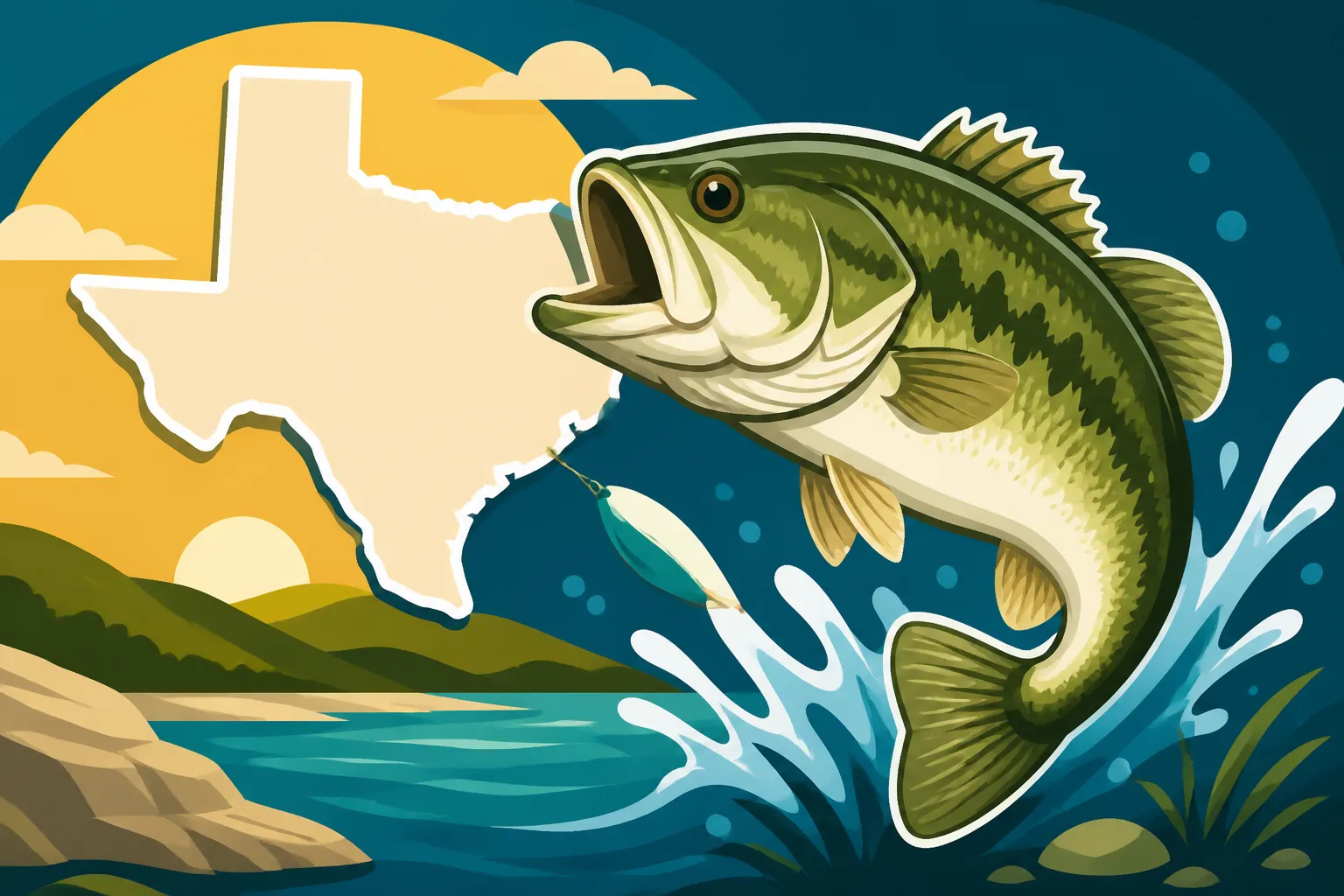
Imagine casting a small lure into a crystal-clear, spring-fed river, the sun dappling through ancient cypress trees, and suddenly, your line goes tight with a fish that fights with the intensity of something twice its size. That's the magic of the Guadalupe bass. Unlike other bass species that can be found in a multitude of states, the Guadalupe bass is unique to Texas. This exclusivity is a huge part of its appeal and why it was officially designated as the state fish back in 1989. It's truly a fish of our rivers and streams, embodying the spirit of Texas's aquatic ecosystems.
Beyond the official title, its appeal lies in the challenge it presents. These aren't pond fish; they thrive in moving water, requiring a different approach, more finesse, and a deeper understanding of riverine environments. Anglers often develop a profound respect for these fish, not just for their fighting spirit but for the beautiful, fragile habitats they call home. It's a reminder that some of the best fishing experiences come from pursuing native species in their natural, unspoiled settings.
Unraveling the Mystery: Identifying Your Catch
One of the biggest frustrations for new and even experienced anglers is telling the difference between a Guadalupe bass and other black bass species, especially the smallmouth bass, or even a spotted bass. They can look quite similar, leading to confusion and sometimes misidentification. The key to spotting a true Guadalupe bass lies in a few distinct characteristics that, once you know them, become much easier to discern. First, look for the horizontal rows of distinct, diamond-shaped spots that run along its sides below the lateral line. These spots often form a continuous chain.
Another tell-tale sign is the jaw structure. On a Guadalupe bass, when its mouth is closed, the upper jaw will not extend beyond the back of the eye. This is a crucial difference from a largemouth bass, whose jaw typically extends well past the eye. Furthermore, Guadalupe bass tend to have a slightly more slender body profile compared to a largemouth of similar length, and their coloration can vary from greenish-brown on the back to lighter sides and a white belly, often with a subtle bluish hue in clear waters. If you're ever unsure, especially if you're practicing catch and release, it's best to handle the fish minimally and get a clear photo for later identification, or better yet, release it promptly. You can find more details about how to differentiate them in our guide on Guadalupe Bass vs Smallmouth Bass.
Its Native Range: A Hill Country Treasure
The Guadalupe bass is not found just anywhere in Texas; it's a fish of specific, often breathtakingly beautiful, waters. Its native range is primarily confined to the Edwards Plateau region, the heart of the Texas Hill Country. This includes the Guadalupe River basin (which, of course, gives the fish its name), the San Marcos River, the Colorado River (specifically the middle and upper stretches), the Llano River, the Frio River, and the Nueces River system. These rivers are characterized by their clear, cool, flowing waters, often with limestone bottoms, significant instream cover like boulders and cypress roots, and a mix of riffles, runs, and deeper pools.
It's a testament to the rugged beauty of the Hill Country that this unique species thrives here. While some stocking efforts have expanded their presence slightly, the purest strains and most robust populations are found in these iconic natural waterways. Fishing for them often means exploring secluded stretches of river, wading through rapids, or navigating tight bends in a kayak. It's an immersive experience that goes beyond just the catch, connecting you deeply to the stunning Texan landscape. For a comprehensive look at their natural distribution, check out our article on Guadalupe Bass Native Range in Texas.
Understanding Guadalupe Bass Behavior and Habitat
To successfully target Guadalupe bass, you really need to get inside their heads and understand what makes them tick. These aren't lazy, structure-hugging largemouths sitting in murky water. They are adapted to dynamic, flowing environments, and their behavior is heavily influenced by water current, cover, and the availability of their favorite snacks. Understanding their patterns throughout the year is key to consistent success on the water.
Where to Find Them: Preferred Lairs and Structure
Guadalupe bass are ambush predators, and they love current. This means they are almost always found near some form of structure that breaks the flow of the water, allowing them to rest while waiting for unsuspecting prey to drift by. Think about those beautiful Hill Country rivers with their rocky bottoms and cypress-lined banks. Prime spots include behind large boulders, submerged logs, rootwads from riverside trees, and undercut banks. Any place where the current slows down, creating an eddy, or where there's a seam between fast and slow water, is a potential hotspot.
Riffles and rapids also hold fish, especially in the deeper pockets or scour holes just below the whitewater. These areas are oxygen-rich and often concentrate baitfish. Don't overlook aquatic vegetation like hydrilla or lily pads if present, as these can also provide excellent cover. The clearer the water, the more critical it is for these fish to have cover, both for ambush and for protection from predators like birds of prey. Learning to "read the water" – identifying these current breaks and forms of cover – is perhaps the most important skill for a successful Guadalupe bass angler.
Seasonal Movements and Feeding Patterns
Like most fish, the behavior of Guadalupe bass shifts with the seasons. In the cooler months of late fall and winter, they tend to move into deeper pools and stretches of river, often becoming less active. Their metabolism slows, and while they still feed, they might not chase a lure as aggressively. This is when slower presentations and smaller baits become crucial. As spring approaches and water temperatures begin to rise (typically in the 50s and 60s Fahrenheit), they become much more active. Pre-spawn activity sees them moving into shallower areas, actively feeding to build up energy for spawning. This is often a fantastic time for aggressive strikes.
During the peak of summer, when Texas temperatures soar, the Guadalupe bass will seek refuge in cooler, deeper pockets of water, often near springs or shaded areas. They may feed more actively during the early morning and late evening hours, or even at night, when the water is coolest. A typical summer midday fishing session might be slow, but if you target shaded banks, areas with strong current, or the deeper parts of larger pools, you can still find them. Fall brings a renewed burst of activity as temperatures drop again, and they feed heavily to prepare for winter. Understanding these seasonal shifts helps you choose the right time and place to fish.
Spawning Habits: Ensuring Future Generations
The reproductive cycle of the Guadalupe bass is vital for maintaining healthy populations. They typically spawn in the spring, generally from March through May, when water temperatures reach a consistent range, usually between 60 and 70 degrees Fahrenheit. Like other black bass, the male Guadalupe bass takes on the primary responsibility of preparing a nest. He will fan out a saucer-shaped depression on a clean, rocky, or gravelly bottom, often in shallower areas of the river or stream, typically in 1 to 3 feet of water.
Once the nest is ready, the female will deposit her eggs, and the male will fertilize them. After fertilization, the male diligently guards the nest, fanning the eggs to keep them oxygenated and protecting them from predators until they hatch. This parental care is crucial for the survival of the fry. During the spawn, these fish can be particularly aggressive if a lure or bait approaches their nest, but many ethical anglers choose to avoid targeting spawning fish to allow them to successfully reproduce and ensure strong populations for the future. Being mindful of these periods helps preserve this incredible Texas native.
Gear Up for Guadalupe Bass: Rods, Reels, and Line
When it comes to Guadalupe bass fishing, you can definitely leave your heavy-duty offshore gear at home. These fish, while spirited, are generally smaller than their largemouth cousins, and a refined, lighter approach will not only be more effective but also infinitely more enjoyable. Matching your gear to the size and fighting style of the Guadalupe bass is key to maximizing your experience and success.
The Art of Light Tackle: Why Finesse Matters
Finesse is the name of the game when targeting Guadalupe bass. These fish, often found in clear, relatively shallow waters, can be easily spooked by heavy lines, oversized lures, or clumsy presentations. Using light tackle allows for more natural presentations of smaller baits, which is precisely what these fish prefer. A sensitive rod helps you feel the subtle taps and bumps in the current, crucial when fishing small jigs or soft plastics. Light line is less visible in clear water, and it allows your lure to move more naturally with the current, mimicking real baitfish or insects.
Furthermore, fishing with light tackle simply makes the fight more thrilling. Even a 12-inch Guadalupe bass can put up an incredible battle on a light spinning rod, peeling line and diving into cover. It transforms the experience from merely "catching a fish" into a genuine one-on-one challenge. It's about precision, subtlety, and appreciating the fight, rather than overpowering the fish. You'll find a wide array of suitable light tackle options, including sensitive spinning rods and reels, on online retailers like Amazon.
Rod and Reel Pairings for Optimal Performance
For Guadalupe bass, a good quality spinning rod and reel combo is usually the top choice, especially for beginners. A light or ultralight action spinning rod, typically in the 6-foot to 7-foot range, with a fast or extra-fast tip, will give you the sensitivity to detect bites and the backbone to handle their spirited runs. This type of rod is perfect for casting small lures and baits with accuracy, which is essential when targeting specific pockets of water or current seams.
Pair that rod with a small spinning reel, something in the 1000 to 2500 series size. These reels are lightweight, balance well with lighter rods, and have smooth drags that are critical for protecting light lines during a strong fight. A smooth drag system allows the fish to take line when it makes a powerful run, preventing the line from breaking under sudden pressure. For more detailed insights on choosing the right equipment, you can refer to our guides on Best Fishing Rods for Texas Anglers and Best Fishing Reels for Texas Anglers.
Line Choices: Balancing Stealth and Strength
When it comes to line for Guadalupe bass, you need to strike a balance between being virtually invisible in clear water and having enough strength to land a feisty fish, especially if it dives into snags. Fluorocarbon line in the 4 to 8-pound test range is an excellent choice for a leader or even as your main line. Its low visibility underwater makes it incredibly stealthy, and its abrasion resistance is a huge plus when fishing around rocky bottoms and submerged timber.
Some anglers prefer to spool their reel with a light braided line (8-15 pound test) for its incredible sensitivity and casting distance, then attach a 4- to 6-foot fluorocarbon leader with a good knot, like a Double Uni or an FG knot. This gives you the best of both worlds: the feel and power of braid, with the stealth of fluorocarbon. Monofilament can also work, especially for topwater presentations, but it's generally more visible and less abrasion-resistant than fluorocarbon. Whatever you choose, periodically check your line for nicks and abrasions, especially after fishing around rough structure, and re-tie as needed.
The Best Baits and Lures for Guadalupe Bass
Guadalupe bass are opportunistic feeders, but they have a clear preference for smaller, natural-looking presentations. Forget the giant swimbaits and heavy jigs you might use for monster largemouths. Here, subtlety and imitation are your best friends. Whether you prefer natural bait, artificial lures, or the delicate art of fly fishing, there are proven options that will get these Texas natives to bite.
Natural Presentations: Mimicking Their Prey
When the bite is tough, or you're fishing pressured waters, nothing beats a natural presentation. Guadalupe bass primarily feed on small baitfish, crawfish, and aquatic insects. So, presenting live bait that imitates these food sources can be incredibly effective. Small live minnows, sometimes called "shiners," are a classic choice. Rig them with a small, light-wire hook (size 6 or 8) and a tiny split shot, letting them drift naturally with the current.
Live crawfish, if you can catch them or find them at a bait shop, are another fantastic option. Guadalupe bass absolutely devour crawfish. Rig them through the tail with a small hook and let them crawl along the bottom. Worms and crickets can also work, especially for smaller fish or when the bass are focused on insect hatches. The key with natural bait is to present it as unweighted and natural as possible, allowing it to tumble and drift as it would naturally in the current. You might even find some specialized small live bait hooks on Amazon.
Artificial Lures: Small Baits, Big Results
For artificial lures, think small and realistic. Downsized versions of classic bass lures are often the most productive. Small soft plastic baits are arguably the most versatile. Think 2- to 3-inch finesse worms, small grubs, or tiny crawfish imitations. Rig them on a lightweight jig head (1/16 to 1/8 ounce) and work them slowly along the bottom or twitch them through current seams. Colors like green pumpkin, watermelon red, or natural crawfish patterns are usually reliable.
Small crankbaits and jerkbaits, typically 1.5 to 2.5 inches long, are also very effective, especially those with natural baitfish patterns. These are great for covering water and triggering reaction strikes. Topwater lures, specifically tiny poppers or walking baits, can provide explosive action during low light conditions or when the bass are actively feeding on the surface. And don't forget small inline spinners or tiny spinnerbaits; their flash and vibration can be irresistible in certain situations. Keep your tackle box stocked with a variety of these small offerings.
Fly Fishing for Guadalupe Bass: A Unique Challenge
If you're looking for an even more immersive and challenging experience, fly fishing for Guadalupe bass is truly rewarding. It connects you deeply to the river environment and demands a keen eye for presentation. A 3- to 5-weight fly rod is ideal, offering the perfect balance of finesse for delicate casts and power to handle these feisty fish. Floating lines are most common, allowing for surface presentations and precise drifts.
As for flies, think small! Clouser Minnows, Woolly Buggers, and other small baitfish imitations in sizes 6-10 are great for subsurface action. For topwater excitement, try small poppers, deer hair bugs, or even tiny foam hoppers. And during insect hatches, matching the hatch with dry flies or nymphs can be incredibly productive. Fly fishing for Guadalupe bass often involves wading upstream, casting into eddies, current breaks, and around submerged structure. It's a dance between angler, fly, and river, offering an unparalleled sense of accomplishment with every fish caught. For suitable fly fishing gear, our guide on Fly fishing gear for the Guadalupe River has excellent recommendations.
Mastering Guadalupe Bass Fishing Techniques
Catching Guadalupe bass isn't just about having the right gear; it's about employing the right techniques for their specific habitat and behavior. These river dwellers require a more nuanced approach than stillwater bass, demanding stealth, precision, and an understanding of how current affects your presentation.
Wading and Bank Fishing: Stealth and Approach
Many of the prime Guadalupe bass spots are best accessed by wading or fishing from the bank. This offers a stealthy advantage, allowing you to approach fish without the disturbance of a boat. When wading, move slowly and deliberately, disturbing the water as little as possible. Wear polarized sunglasses to help spot fish, submerged structure, and changes in bottom composition. Cast upstream and allow your lure or bait to drift naturally downstream through current seams, behind rocks, or into eddies. The idea is to present your offering as if it were a natural food item tumbling with the current.
Focus your casts on the "upstream side" of structure, allowing your bait to wash into the strike zone. Pay close attention to subtle changes in current direction or speed, as these are often hotbeds for feeding fish. When fishing from the bank, look for deeper pools, undercut banks, or areas where fallen trees provide cover. Make long, accurate casts to reach these spots, and be prepared to move frequently to cover different types of water. Remember, quiet footsteps and minimal shadows will increase your success dramatically.
Kayak and Small Boat Tactics
For covering more water and accessing hard-to-reach stretches, kayaks and small, maneuverable boats are ideal for Guadalupe bass fishing. A kayak allows for stealthy navigation, letting you glide silently into prime fishing spots that might be inaccessible by wading or larger boats. Use a paddle or pedal drive to maintain position against the current, allowing you to thoroughly work an area. Position your kayak slightly upstream of a target zone, then drift your lure down into it, or hold steady and make multiple casts.
Small jon boats or drift boats can also be effective, especially for navigating wider river sections or moving between different pools. If you're using a motor, use it sparingly and carefully to avoid spooking fish. Anchor strategically upstream of your target, then fish downstream. These vessels are fantastic for exploring the winding rivers of the Hill Country, offering a comfortable platform for casting and battling fish. When choosing a vessel, consider checking out our guide on Best Kayaks for Texas Fishing for specific recommendations.
Reading the Water: Spotting Productive Zones
The ability to "read the water" is a skill that will elevate your Guadalupe bass fishing to the next level. This means understanding how current, depth, and structure interact to create prime holding and feeding areas for fish. Look for seams where faster current meets slower water – these are natural ambush points. Identify eddies, which are calm pockets of water behind obstacles, where fish can rest out of the main current while waiting for food.
Pay attention to color changes in the water, which might indicate depth changes or different bottom compositions. Look for submerged rocks, logs, and rootwads, as these provide crucial cover. Observe the river's flow: where does the water accelerate, where does it slow down? Where are the deepest holes, and where are the shallow riffles? Learning to interpret these visual cues will tell you where fish are most likely to be holding, even if you can't see them directly. It's a continuous learning process, but every trip out will sharpen your instincts.
| Feature | Ideal for Guadalupe Bass | Why it's Important |
|---|---|---|
| Current Breaks | Behind boulders, logs, eddies | Fish rest here, ambush passing prey. |
| Deep Pools | Often in bends or below rapids | Refuge in hot/cold weather, larger fish. |
| Undercut Banks | Shaded, protected areas | Excellent cover, cooler water, ambush points. |
| Aquatic Vegetation | Hydrilla, lily pads, moss | Provides cover, oxygen, and insect habitat. |
| Riffles/Rapids | Pockets just below turbulent water | High oxygen, concentrates baitfish. |
| Clear Water | Essential for sight feeding | Guadalupe bass are visual predators. |
| Rocky/Gravel Bottom | Preferred spawning grounds | Provides structure and stability for nests. |
Conservation and Regulations: Protecting Our State Fish
As the official state fish of Texas, the Guadalupe bass holds a special place, and its conservation is paramount. Anglers play a critical role in ensuring healthy populations for future generations. Understanding and adhering to regulations, practicing responsible angling, and supporting conservation efforts are vital responsibilities for anyone who enjoys pursuing these magnificent fish.
Understanding Bag and Length Limits
Like all game fish in Texas, Guadalupe bass are subject to specific bag and length limits designed to manage their populations sustainably. These regulations are set by the Texas Parks and Wildlife Department (TPWD) and are subject to change, so it's always crucial to check the most current Outdoor Annual before you head out. Generally, Guadalupe bass have a relatively conservative daily bag limit and a minimum length limit, often in the 12-inch range. This means you can only keep a certain number of fish per day, and they must be at least a minimum size to be legal.
The purpose of these limits is to allow enough fish to reach maturity and reproduce, ensuring a healthy breeding stock. It also protects larger, older fish that are often the best spawners. Sometimes, there are special regulations on specific water bodies, so always double-check the rules for the particular river or stream you plan to fish. Adhering to these rules is not just about avoiding a ticket; it's about being a responsible steward of our natural resources. You can find comprehensive details on Texas Fish Bag and Length Limits and Texas Freshwater Fishing Regulations.
Catch and Release: A Practice for Preservation
Given the special status of the Guadalupe bass and its relatively small native range, many anglers choose to practice catch and release exclusively, especially for larger specimens. This practice is widely encouraged for Guadalupe bass to help conserve their populations. When practicing catch and release, minimizing stress and harm to the fish is crucial. Use single, barbless hooks whenever possible, as they are much easier to remove. If you're using barbed hooks, consider pinching down the barb with pliers.
Handle the fish gently, supporting its body horizontally. Avoid touching its gills or eyes, and minimize its time out of the water. If you want a photo, get it quickly and return the fish to the water immediately. For deeply hooked fish, it's often best to cut the line as close to the hook as possible rather than attempting to rip it out, which can cause internal damage. A healthy release ensures that the fish can recover and potentially spawn again, contributing to the future of the species.
The TPWD's Efforts: Stocking and Habitat Restoration
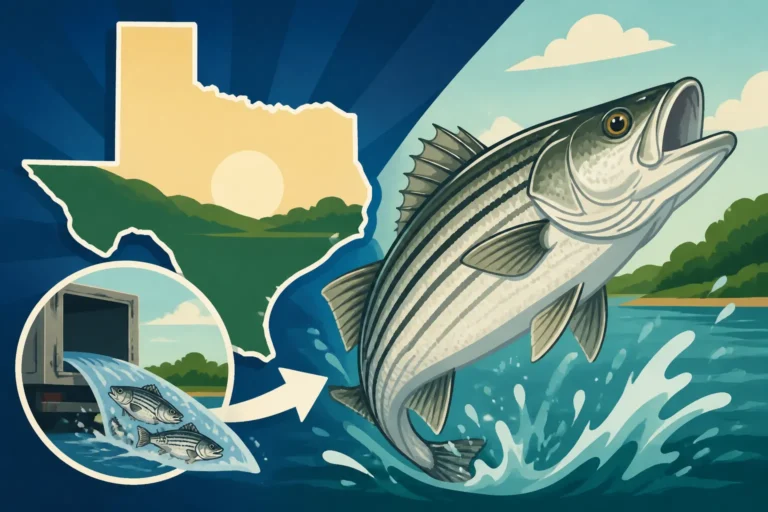
The Texas Parks and Wildlife Department is actively involved in conserving and restoring Guadalupe bass populations. One of their key initiatives has been the genetic restoration of the species. In some areas, hybridization with introduced smallmouth bass had diluted the pure Guadalupe bass gene pool. The TPWD has worked tirelessly to identify and propagate genetically pure Guadalupe bass, stocking them into appropriate river systems to outcompete hybrids and restore the native populations.
Beyond stocking, habitat restoration is a continuous effort. This includes protecting riparian zones (the areas alongside rivers), managing water flows to maintain healthy river ecosystems, and working with landowners and local communities to improve water quality and reduce habitat degradation. These efforts are vital because without the healthy, flowing rivers of the Texas Hill Country, the Guadalupe bass simply cannot thrive. Anglers can support these efforts by purchasing a Texas Fishing License Requirements Explained, as a portion of the fees often goes directly into conservation programs. You might also consider a Texas Combination Hunting and Fishing License if you enjoy both outdoor pursuits, further contributing to wildlife management.
Challenges and Rewards of Guadalupe Bass Fishing
Fishing for Guadalupe bass isn't always easy. They are often found in challenging environments, and their smaller size means you have to work for every bite. But these challenges are precisely what makes the rewards so much sweeter. It's an experience that tests your skill, your patience, and your appreciation for the natural world.
Overcoming Tough Conditions: Low Water and High Heat
Texas summers are legendary for their heat, and this can present significant challenges for Guadalupe bass fishing. High air temperatures often mean higher water temperatures, which can make fish lethargic and push them into deeper, cooler refuges. Low water levels, which can occur during extended droughts, further concentrate fish and make them more vulnerable to stress. In these conditions, patience is key. Fish during the cooler parts of the day – early morning or late evening – or even try night fishing.
Focus on areas with moving water, deep shade, or spring-fed sections where the water might be cooler. Downsize your lures even further, and work them slowly. Be extra mindful of catch and release practices, reviving fish thoroughly before letting them go. Sometimes, tough conditions mean you need to adapt your entire approach, perhaps switching from an active retrieve to a subtle, almost dead-stick presentation. But overcoming these environmental hurdles and still finding success makes the experience incredibly satisfying.
The Thrill of the Fight: Pound-for-Pound Excitement
For a fish that rarely exceeds 16-18 inches, the Guadalupe bass puts up an absolutely incredible fight. They are renowned for their aggressive strikes, powerful runs, and acrobatic jumps. On light tackle, even a 12-inch "Guad" feels like a monster. They'll dive for cover, use the current to their advantage, and generally do everything they can to spit the hook. This spirited nature is a huge part of their appeal. It's not just a tug-of-war; it's a dynamic battle that demands a skilled hand and a smooth drag.
Many anglers compare their fighting style to that of a smallmouth bass – tenacious, hard-hitting, and full of surprises. Hooking a Guadalupe bass in the swift current of a Hill Country river is an exhilarating experience, often leaving you with shaking hands and a wide grin. It’s this intense, pound-for-pound fight that keeps dedicated anglers returning to these rivers year after year, eager for another encounter with Texas's fighting state fish.
Beyond the Catch: Experiencing the Texas Hill Country
While catching a Guadalupe bass is undoubtedly the highlight of any trip, the experience of fishing for them goes far beyond just the fish itself. It's an immersion into the breathtaking beauty of the Texas Hill Country. Imagine spending your day surrounded by towering cypress trees, hearing the gentle rush of crystal-clear water over limestone rocks, and spotting diverse wildlife along the banks. It's a chance to escape the hustle and bustle, to reconnect with nature, and to appreciate one of Texas's most pristine environments.
Whether you're wading a remote stretch of the Llano River, paddling a kayak down the Guadalupe, or simply enjoying a quiet moment from the bank of a spring-fed creek, the scenery is a constant companion. The peace and tranquility, the fresh air, and the sheer beauty of the landscape are as much a part of the fishing experience as the tug on your line. Fishing for Guadalupe bass isn't just a sport; it's an adventure, a natural escape, and a profound way to experience the unique spirit of Texas. Even if the fish aren't biting, the beauty of the Hill Country offers its own profound rewards. For those looking to get their families involved, understanding Texas Youth Fishing License Rules can help make it an accessible adventure for everyone.
Disclaimer
This article is for general informational purposes only and does not constitute professional advice. Laws, prices and regulations vary by location and change over time. Consult a qualified professional for guidance on your specific situation.