Best fishing spots for catching trophy bass in Texas
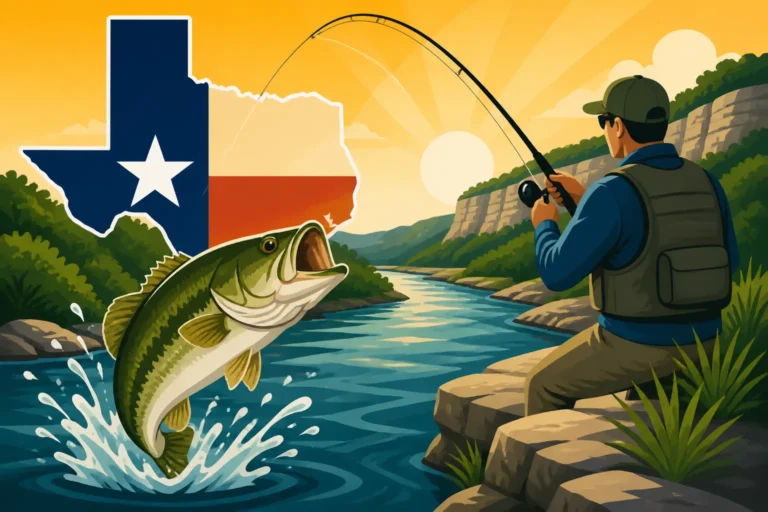
There’s nothing quite like the dream of hooking into a truly monstrous largemouth bass, especially here in Texas. We all know the feeling: you’re out on the water, casting relentlessly, hoping each retrieve brings that earth-shattering strike from a fish that could shatter state records. But with so many lakes, it can feel overwhelming trying to figure out where those giants actually live. This guide is here to cut through the noise, showing you the absolute best fishing spots in Texas renowned for producing those coveted trophy bass.
Understanding Trophy Bass Habitat in Texas
Before we dive into specific lakes, it's really important to understand why some bodies of water consistently kick out those bucket-mouth beasts while others, despite looking similar, just don't. It's not just luck; it's a combination of factors that create the perfect environment for bass to grow to truly epic proportions.
What Makes a Lake a "Trophy" Lake?
A trophy lake isn't just a big lake; it's a lake with a specific recipe for growing giant bass. Think of it like this: a healthy lake ecosystem acts as a high-performance training ground for fish. First and foremost, a trophy lake needs an abundant and high-quality forage base. We're talking about gizzard shad, threadfin shad, sunfish, and even smaller game fish like crappie. When bass have a consistent, easy-to-access buffet, they spend less energy hunting and more energy growing. Secondly, genetics play a huge role. Many of Texas's top lakes have been heavily stocked with Florida-strain largemouth bass, which are genetically predisposed to grow larger than their Northern counterparts. This stocking program has been a game-changer for producing those truly massive fish we all dream about. Beyond food and genetics, these lakes often feature diverse underwater structure – ledges, submerged timber, hydrilla beds, rock piles, and creek channels – which provide both ambush points for feeding and protection from predators. You can learn more about how to identify these giants in our comprehensive guide on Texas Largemouth Bass Identification Guide.
Key Environmental Factors for Giant Bass
The environment is everything when it comes to growing big bass. Water temperature is critical; bass are cold-blooded, and optimal temperatures allow for maximum metabolism and growth. In Texas, our generally warm climate extends the growing season significantly. Clear to moderately stained water also helps, allowing bass to visually hunt their prey effectively. However, too much clarity can make them spooky, so a little stain can actually be beneficial. Water quality, including dissolved oxygen levels and pH, must be consistent and healthy. A sudden drop in oxygen, for instance, can stress fish and hinder growth. Lastly, stable water levels, or at least predictable fluctuations, allow vegetation to establish and mature, providing crucial cover and nursery areas for baitfish. When a lake is consistently at a good level, the entire food chain thrives, leading to bigger, healthier bass.
Top Lakes for Landing Texas Lunkers
Alright, let's get down to the brass tacks: where do you go to find these elusive monsters? Texas is blessed with an incredible array of lakes, but a few stand head and shoulders above the rest when it comes to producing ShareLunker-sized bass.
Lake Fork: The Undisputed King
When someone mentions "trophy bass" in Texas, Lake Fork is usually the first place that springs to mind, and for good reason. Located in East Texas, this lake was intentionally designed and managed to produce giant largemouths, and it has absolutely delivered. It holds the state record for largemouth bass and has produced more ShareLunker entries (fish over 13 pounds, part of the Texas ShareLunker Program Explained) than any other lake in the state, by a long shot. Its abundant submerged timber, deep creek channels, and expansive hydrilla beds provide incredible habitat. The lake's slot limit regulations (which require bass between 16-24 inches to be immediately released) also contribute significantly to the number of oversized fish.
Fishing on Lake Fork can be a challenge due to its dense cover, but the rewards are unparalleled. Early spring during the Texas Bass Spawning Season Guide is legendary here, as giant females move shallow to spawn. Big swimbaits, jigs, and Texas-rigged plastics are staples. Many anglers opt to hire a local guide who knows the lake's secret spots and current patterns, and services like FishingBooker can connect you with experienced guides specializing in Lake Fork lunkers. If you're planning a trip, definitely check out our detailed Lake Fork Fishing Guide for more tips.
Sam Rayburn Reservoir: East Texas Giant
Often called "Big Sam," Sam Rayburn Reservoir is another East Texas powerhouse known for its consistent production of large bass. It's a massive lake, covering over 114,000 acres, which means there's always new water to explore and plenty of room for bass to grow. Sam Rayburn offers a different challenge than Fork, with vast expanses of hydrilla and grass beds, as well as significant timber and ledges. It's consistently ranked among the top bass fishing lakes in the nation, not just Texas.
Anglers targeting trophy bass on Sam Rayburn often focus on the edges of the hydrilla, especially where it meets deeper water or creek channels. Spinnerbaits, crankbaits, and big worms are popular choices. The lake's size can be intimidating, but its diverse habitat means that fish can be found in a variety of depths and structures throughout the year. Like Lake Fork, early spring is prime for chasing giants, but Sam Rayburn also boasts excellent fishing during the post-spawn and into the summer months. For an in-depth look, see our Sam Rayburn Reservoir Fishing Guide.
O.H. Ivie Reservoir: Western Oasis of Monsters
For many years, O.H. Ivie Reservoir was a hidden gem, but its recent explosion of truly gargantuan bass has put it firmly on the map as a premier trophy destination. Located in West Central Texas, Ivie has consistently produced double-digit bass, including several ShareLunker Legacy Class entries (over 13 pounds) in recent years, some even pushing into the 16-pound range. This arid region lake is unique, with vast expanses of standing timber, inundated brush, and rock features. The clear waters and incredible forage base, including large gizzard shad, have allowed bass to reach incredible sizes in a relatively short amount of time.
Fishing Ivie often involves working around the dense timber, especially isolated brush piles or humps in deeper water. Large swimbaits, heavy jigs, and crankbaits that can be retrieved through cover are essential. Given its remote location, preparation is key. It's a lake that can be feast or famine, but when it's good, it's truly phenomenal. The cooler months and early spring are typically the best for trophy hunting, as bass are more active and less pressured by the intense summer heat. Our O.H. Ivie Reservoir Fishing Guide offers more insights into this incredible fishery.
Falcon Lake: Southern Powerhouse
Down on the Texas-Mexico border, Falcon Lake is an international treasure known for its incredible bass fishing, especially for truly massive fish. While water levels can fluctuate significantly, when the lake is up, its submerged mesquite trees and brush provide unparalleled cover and structure for bass. Falcon has a well-deserved reputation for producing high numbers of big bass, and trophy-sized fish are a common occurrence. The lake's warm climate means a longer growing season, contributing to the size and aggressiveness of its bass.
Fishing Falcon often means pitching and flipping heavy Texas-rigged plastics or jigs into the dense brush. Crankbaits and spinnerbaits can also be effective when fish are more active in open water or along edges. It's a lake where you need stout tackle and patience, as many strikes happen in heavy cover. The remote nature of the lake means it sees less pressure than some other popular destinations, offering a more wild fishing experience. Consider looking for local guides through platforms like FishingBooker for an authentic experience on this unique border lake. Discover more about this lake in our Falcon Lake Fishing Guide.
Other Notable Trophy Bass Destinations
While the "big four" tend to steal the headlines, Texas has several other lakes that consistently produce excellent bass fishing and offer the chance at a true trophy.
- Choke Canyon Reservoir: Located in South Texas, this lake is known for its incredible cypress trees and dense submerged vegetation, offering fantastic flipping and pitching opportunities for big bass. It's a productive lake that can challenge even seasoned anglers.
- Toledo Bend Reservoir: Straddling the Texas-Louisiana border, Toledo Bend is a vast reservoir with diverse habitat, including expansive hydrilla beds and timber. It consistently ranks high for overall bass fishing quality and offers plenty of opportunities for trophy hunters. Check out our detailed Toledo Bend Reservoir Fishing Guide for more information.
- Lake Conroe: Closer to Houston, Lake Conroe is another lake that has produced ShareLunkers and offers excellent year-round bass fishing. Its diverse structure, including bulkheads, boat docks, and brush piles, holds plenty of big fish.
Strategies for Success on Trophy Waters
Just knowing where the big bass live isn't enough; you also need a solid strategy and the right approach to tempt them into biting. Trophy bass are often older, wiser, and more wary than their smaller counterparts, requiring a thoughtful game plan.
Timing Your Trip: Seasons and Spawns
Timing is absolutely everything when it comes to trophy bass fishing. The pre-spawn period, typically late winter through early spring (February-April in most of Texas), is arguably the best window for catching the largest bass of the year. During this time, female bass are gorging themselves to develop eggs, meaning they are at their heaviest and most aggressive. They also move shallower, making them more accessible to anglers. Understanding the Texas Largemouth Bass Spawning Months is key to maximizing your chances.
Post-spawn can also be excellent, as females recover and return to feeding heavily, often in slightly deeper water near spawning flats. Summer fishing for trophy bass usually means targeting deeper structure or fishing at night to avoid the heat. Conversely, fall can see bass aggressively feeding in preparation for winter, making them easier to catch. Generally, the Best Time of Year to Fish in Texas for big bass will revolve around cooler water temperatures and the spawning cycle.
Essential Gear and Techniques
Trophy bass demand heavy-duty gear. Forget your ultralight spinning combo; you'll want stout baitcasting rods, often in the 7-foot to 7-foot-6 inch range, with medium-heavy to heavy power. Pair these with high-quality baitcasting reels that have a strong drag system and a fast retrieve ratio. Line selection is also crucial; 17-25 lb fluorocarbon or even 50-65 lb braided line is often necessary to pull big bass out of dense cover. For specific recommendations, check out our guide on Best Fishing Rods for Texas Anglers.
As for lures, think big and imitate the local forage. Large jigs (1/2 oz to 1 oz), big Texas-rigged plastics (worms, creature baits 8-12 inches), oversized crankbaits, and swimbaits are all excellent choices. On Lake Fork, for example, the Best lures for Lake Fork bass in spring often include these larger profiles. Be prepared to fish slowly and thoroughly, dissecting every piece of cover. Trophy bass are often found in very specific, high-percentage spots, and it can take many casts to elicit a strike.
Hiring a Local Guide: An Edge You Need
Let's be honest, these trophy lakes are massive, complex, and can be incredibly intimidating, especially if it's your first time. That's where a local fishing guide becomes an invaluable asset. A good guide lives and breathes these waters; they know the current patterns, the best spots based on recent conditions, and which baits are producing. They can also teach you specific techniques tailored to that lake's unique challenges.
For anyone serious about catching a trophy bass, especially if you have limited time on the water, investing in a guided trip is highly recommended. Platforms like FishingBooker make it incredibly easy to find and book experienced, licensed guides for all the top trophy bass lakes in Texas. You'll not only increase your chances of landing that fish of a lifetime but also learn a tremendous amount about the lake and bass behavior that you can apply to future trips. A guide can navigate the dense timber of Lake Fork, or help you understand the nuances of the hydrilla on Sam Rayburn, saving you countless hours of trial and error.
| Lake Name | Primary Reputation | Best Season for Trophy Bass | Key Features for Anglers | Avg. Trophy Size Range |
|---|---|---|---|---|
| Lake Fork | State Record Holder, ShareLunker Capital | Early Spring, Late Winter | Abundant submerged timber, hydrilla, deep channels, slot limit | 10-15+ lbs |
| Sam Rayburn Reservoir | Consistent Production, National Rank | Early Spring, Fall | Extensive hydrilla/grass beds, standing timber, ledges | 8-12 lbs |
| O.H. Ivie Reservoir | Recent "Boom," Giant Largemouths | Late Winter, Early Spring | Dense standing timber, clear water, strong forage base | 10-16+ lbs |
| Falcon Lake | Massive Bass, Remote Challenge | Early Spring, Fall | Submerged mesquite trees, fluctuating water levels, warm climate | 9-14 lbs |
| Choke Canyon Reservoir | Heavy Cover, Unique Habitat | Early Spring, Fall | Cypress trees, dense submerged vegetation, strong structure | 8-12 lbs |
Disclaimer
The information provided in this guide is for general informational purposes only and is not intended as legal advice. Fishing regulations, license requirements, and local conditions can change frequently. Always consult the latest regulations from the Texas Parks and Wildlife Department (TPWD) before fishing. Stay safe and always practice responsible angling.