Best fishing spots near Galveston Island
Finding that perfect fishing spot near Galveston Island can feel like searching for a needle in a haystack, especially with so many bayous, bays, and open Gulf waters calling your name. It's easy to get overwhelmed trying to figure out where to cast your line for the best chance at a bite. This guide is here to cut through the confusion, offering a deep dive into the best fishing spots in and around Galveston, whether you're a seasoned angler or just looking for a relaxing day on the water.
Exploring the Abundant Galveston Bay System
The Galveston Bay complex is a massive, thriving estuary that offers an incredible variety of fishing opportunities. It's not just one big body of water; it's a intricate network of smaller bays, bayous, and channels, each with its own character and prime fishing locations. Understanding these different zones is key to success, as fish migrate and feed based on tides, seasons, and bait availability.
West Bay and Galveston Causeway Area
West Bay, located on the west side of Galveston Island, is a fantastic shallow-water fishery that holds a ton of redfish, speckled trout, and flounder. It's often less crowded than areas closer to the Bolivar Ferry, offering a more serene fishing experience. The key to West Bay is understanding its depth, which is generally quite shallow, making it ideal for wade fishing or using a shallow-draft boat. You'll find numerous reefs and scattered shell pads that hold baitfish and, consequently, hungry game fish.
When the tide is moving, especially an outgoing tide, look for fish congregating around the bayous and drains that empty into West Bay. These spots funnel bait out, creating an easy meal for predatory fish. Areas like Carancahua Bay and Chocolate Bay (technically part of West Galveston Bay) are known for excellent fishing, particularly in the spring and fall. The Galveston Causeway itself can also be a hotspot, especially for anglers targeting speckled trout and redfish during cooler months. The bridge pilings and adjacent shell bottoms offer structure and ambush points for fish. It's a prime location for those who want easy access without venturing too far into the bay. Remember to always be mindful of local regulations, including specific Texas Saltwater Fishing Regulations and bag limits, which can vary by species and season.
East Bay and Bolivar Peninsula Access
East Bay, stretching along the north side of the Bolivar Peninsula, offers a different flavor of fishing. It's generally a bit deeper than West Bay in certain areas, with more extensive oyster reefs and deeper channels. This makes it a great spot for targeting larger speckled trout, especially during their spring and fall runs. Anglers often access East Bay from marinas along the Bolivar Peninsula or by launching boats from Galveston itself. The Bolivar Pocket and the mouth of Rollover Pass (though the pass itself is now closed) used to be legendary spots, and the surrounding areas still hold significant potential.
Focus your efforts around the many shell reefs scattered throughout East Bay. These reefs are natural magnets for baitfish, shrimp, and crabs, which in turn attract redfish, trout, and flounder. During cooler months, fish will often hold in the deeper channels and cuts, seeking stable water temperatures. Conversely, in the warmer months, they might move onto the shallower flats to feed early in the morning or late in the evening. Keep an eye out for bird activity; diving birds often indicate schools of baitfish being pushed to the surface by predatory fish below, a common sight for those chasing speckled trout. Many anglers choose to use a professional guide service, perhaps booked through a platform like FishingBooker, to navigate the intricacies of these waters, ensuring they hit the most productive spots.
Trinity Bay and the Upper Bay System
While a bit further from Galveston Island itself, the upper reaches of the Galveston Bay system, particularly Trinity Bay, are absolutely worth the trip for certain species. Trinity Bay is known for its excellent populations of both speckled trout and redfish, especially during the colder months when fish move into the shallower, brackish waters. It's a vast expanse, so having a good understanding of the local geography is crucial. Areas around the Trinity River mouth and the numerous bayous feeding into the bay can be exceptionally productive.
When fishing Trinity Bay, pay close attention to the wind and tide. This large, relatively shallow bay can get choppy quickly, and water clarity can be an issue after heavy rains. However, when conditions are right, the fishing can be phenomenal. Look for subtle depth changes, shell reefs, and areas where marsh grass provides cover. Using a kayak or a small, maneuverable boat can give you an edge in these shallower zones. Many anglers swear by the mid-bay reefs, especially for trout. Booking a guided trip through FishingBooker with a captain specializing in Trinity Bay can dramatically increase your chances of a successful outing, particularly if you're unfamiliar with the area's vastness.
Piers, Jetties, and Shoreline Access Points
Not everyone has a boat, and that's perfectly fine! Galveston offers an abundance of easily accessible fishing spots right from the shore, providing fantastic opportunities for anglers of all skill levels. These locations are often bustling with activity, offering a social atmosphere alongside great fishing.
Galveston Seawall and Pleasure Pier
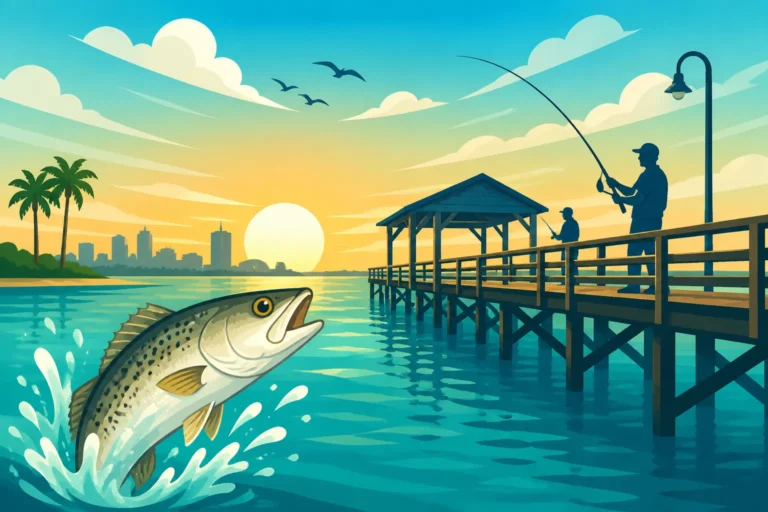
The Galveston Seawall offers miles of bank fishing access, though it's often better for bait fishing than serious artificial lure casting. You can catch various species here, including panfish, croaker, whiting, and occasionally smaller drum or redfish, especially after a good tide. It's a great spot for families or those just wanting to relax and cast a line. For a more structured experience, the Galveston Island Historic Pleasure Pier is a prominent landmark that also serves as a fantastic fishing platform. While it does require a fee for fishing, the pier extends far into the Gulf, providing access to deeper water and a wider array of species.
Anglers on the Pleasure Pier can expect to catch speckled trout, redfish, flounder, sheepshead, gafftopsail catfish, and even king mackerel or sharks further out, depending on the season. The structure of the pier itself attracts baitfish, which in turn draws in larger predators. There are often bait and tackle shops right on the pier, making it incredibly convenient. For more detailed information on pier fishing, you might want to check out our guide on the Best Texas Piers for Fishing Without a Boat. The currents around the pier can be strong, so be prepared with appropriate tackle and weights.
The North and South Jetties
The famous North and South Jetties at the mouth of Galveston Bay are legendary fishing spots. These massive rock structures extend for miles into the Gulf, forming a barrier that creates diverse habitats and funnels baitfish. The South Jetty is accessible from Galveston Island, requiring a walk, bike ride, or sometimes a golf cart shuttle for a fee to get out to the prime spots. The North Jetty is accessible via the Bolivar Peninsula, often requiring a similar trek or boat access from Port Bolivar.
Fishing the jetties offers incredible variety. Close to shore, you'll find speckled trout, redfish, flounder, and sheepshead. Further out, especially during spring and fall migrations, you can encounter Spanish mackerel, king mackerel, tarpon, cobia, and even snapper. The rocks themselves are home to oysters, barnacles, and crabs, providing a constant food source. Live bait, like shrimp or croaker, is incredibly effective here, but artificial lures such as soft plastics, spoons, and topwater baits also produce excellent results. Understanding the tides and currents is paramount when fishing the jetties, as strong movements can make fishing challenging but also bring in the big fish. For those focused on a specific species, knowing the Texas Redfish Size and Bag Limits or Texas Speckled Trout Bag Limits is crucial before heading out.
Nearshore and Offshore Adventures
For those with a boat or the desire to book a charter, the waters beyond the jetties open up a whole new world of fishing possibilities. From structure-rich nearshore wrecks to deep-sea oil rigs, Galveston's Gulf waters teem with impressive game fish.
Nearshore Reefs and Wrecks
Just a few miles offshore from Galveston, you'll find numerous artificial reefs, wrecks, and natural gas platforms. These structures act as underwater oases, attracting a diverse ecosystem of marine life. Red snapper, typically a deep-water fish, can often be found on these nearshore reefs during their open season, which is usually quite short, so staying updated on regulations is key. King mackerel, Spanish mackerel, cobia, ling, and various species of shark also frequent these areas, especially during warmer months.
Fishing these nearshore spots often involves a combination of techniques: trolling for mackerel, bottom fishing with live or cut bait for snapper and cobia, or even sight casting for ling around floating debris. The clearer, greener waters found just a few miles offshore are a stark contrast to the often murkier bay waters, and the species you encounter reflect that. A good fish finder is invaluable for locating these submerged structures, but often, the most productive spots are well-known among local anglers and charter captains. If you're looking to explore these grounds without owning a boat, consider hiring a local guide. Many professional guides list their services on platforms like FishingBooker, offering specialized trips for nearshore species.
Deep Sea Fishing Around Oil Rigs
For the ultimate offshore adventure, Galveston offers access to the prolific deep-sea fishing grounds around the numerous oil and gas platforms in the Gulf of Mexico. These colossal structures extend hundreds of feet into the water, creating massive artificial reefs that attract pelagic species and deep-dwelling bottom fish alike. This is where you target true giants like amberjack, mahi-mahi (dolphin), wahoo, tuna (blackfin, yellowfin), and large snapper and grouper species.
A trip to the offshore rigs is typically a full-day or even multi-day excursion, often requiring substantial fuel and a robust, seaworthy vessel. The fishing techniques are diverse: jigging for amberjack, trolling for tuna and mahi-mahi, or deep dropping for grouper and tilefish. The sheer abundance of life around these rigs is astounding, making for an unforgettable fishing experience. However, it's crucial to be well-prepared with heavy-duty tackle, plenty of ice, and an understanding of federal regulations, which often differ significantly from state rules, especially for species like red snapper and gag grouper. Again, for those new to offshore fishing, a charter booked through FishingBooker is an excellent way to experience these waters safely and effectively, benefiting from the captain's expertise and specialized equipment.
Best Times and Target Species
To maximize your success near Galveston Island, it's helpful to know which species are biting when, and where they tend to be. This changes throughout the year with the seasons and water temperatures.
Seasonal Hotspots and Species Movements
Texas's Gulf Coast experiences distinct fishing seasons. Spring (March-May) is fantastic as water temperatures rise, bringing speckled trout and redfish into the bays, and king mackerel and cobia closer to shore. Flounder are also active, though their peak migration happens in the fall. Summer (June-August) sees hot action offshore for king mackerel, mahi-mahi, and snapper (when open), while in the bays, redfish and trout can be found early mornings and late evenings, often near deeper guts or passes.
Fall (September-November) is arguably the best fishing season, marked by the infamous "flounder run" as they migrate offshore for spawning. Redfish and speckled trout are incredibly active, feeding aggressively in the bays. This is prime time for big schools of reds and trophy trout. Winter (December-February), while colder, can offer excellent fishing for large speckled trout in deeper bay channels and around the jetties, as well as blue catfish and drum in the bayous. Understanding these patterns, as detailed in our comprehensive Texas Fishing Seasons Month by Month guide, will help you plan your trips effectively.
| Fishing Spot Type | Primary Target Species | Best Seasons | Recommended Techniques |
|---|---|---|---|
| West Bay | Redfish, Speckled Trout, Flounder | Spring, Fall, Early Summer | Wade Fishing, Soft Plastics, Live Shrimp, Popping Corks |
| East Bay | Speckled Trout, Redfish, Flounder, Black Drum | Spring, Fall, Winter | Live Bait (Shrimp, Croaker), Topwaters, Jigging |
| Galveston Jetties | Speckled Trout, Redfish, Flounder, Sheepshead, Kings | Year-round (species vary seasonally) | Live Bait, Spoons, Soft Plastics, Heavy Bottom Rigs |
| Pleasure Pier | Speckled Trout, Redfish, Flounder, Kings, Sharks | Year-round (species vary seasonally) | Live Bait, Cut Bait, Jigs, Spoons |
| Nearshore Reefs/Wrecks | King Mackerel, Cobia, Red Snapper (when open), Ling | Spring, Summer, Fall | Trolling, Bottom Fishing, Jigging, Live Bait |
| Offshore Rigs | Tuna, Mahi-Mahi, Amberjack, Grouper, Snapper | Summer, Late Spring, Early Fall | Trolling, Deep Dropping, Jigging, Live Bait |
Choosing the Right Bait and Lures
Your choice of bait and lures can make or break your trip. For bay fishing around Galveston, live shrimp are almost always a winning ticket, whether under a popping cork or free-lined. Live croaker and mullet are also phenomenal, especially for larger trout and redfish. For artificials, soft plastic lures rigged on jig heads (like those from Bass Assassin or Down South Lures) are incredibly versatile and effective for both trout and reds. Topwater plugs like Heddon Super Spooks can create explosive strikes, particularly in calmer conditions.
When fishing the jetties, the same live baits work wonders, but don't shy away from cut mullet or crab for drum and sheepshead. Heavy spoons and Gotcha Plugs are great for mackerel, while heavier jig heads with soft plastics can reach fish deeper in the rocks. Offshore, live pilchards, cigar minnows, or ballyhoo are excellent for trolling. Large jigs, butterfly jigs, and heavy-duty bottom rigs with cut bait are essential for targeting deep-water species. For more on what to use, check out our guide on the Best Bait and Lures for Texas Fishing. No matter where you're casting your line, always ensure your tackle is appropriate for the target species and conditions to avoid frustrating break-offs.
Conclusion
Galveston Island is a true angler's paradise, offering an incredible diversity of fishing experiences from calm bay waters to the deep blue of the Gulf. Whether you prefer the simplicity of pier fishing, the challenge of wade fishing a shallow flat, or the thrill of an offshore battle, there's a perfect spot waiting for you. By understanding the different areas, knowing what species to target when, and equipping yourself with the right gear and knowledge, you're well on your way to a memorable fishing adventure. So pack your tackle, check the tides, and get ready to experience some of the best fishing the Texas coast has to offer.
Disclaimer
Fishing conditions and regulations in Texas can change frequently. Always consult the latest Texas Parks and Wildlife Department (TPWD) regulations before heading out. This guide is for informational purposes only and should not replace official TPWD resources.