Lake Tawakoni fishing guide
So you've heard the whispers about Lake Tawakoni, often called the "Catfish Capital of Texas," but maybe you're feeling a bit overwhelmed by its sheer size or unsure where to even begin your fishing adventure. It’s a common feeling when looking at a massive body of water known for its diverse species. This comprehensive guide is designed to cut through the confusion, offering you an insider's look at fishing Lake Tawakoni, from its unique characteristics to the best spots and techniques for a successful trip.
Understanding Lake Tawakoni's Unique Fishing Appeal
Lake Tawakoni isn't just another pretty lake in East Texas; it's a fishing paradise with a well-deserved reputation, particularly for catfish, but also for its feisty striped bass, abundant crappie, and solid largemouth bass population. What makes this 37,879-acre reservoir so special is its incredible productivity, fueled by the Sabine River, South Fork, and Cowleech Fork. This fertile environment creates a thriving ecosystem that supports a wide array of game fish, making it a truly remarkable spot for anglers of all skill levels. If you've ever felt like other lakes were "fished out," Tawakoni often feels like the opposite – brimming with life and opportunity.
Key Fish Species to Target
When you're out on Lake Tawakoni, you'll find a fantastic variety of species ready to test your angling prowess. It's not just a one-trick pony, despite its famous catfish moniker. Each species offers a unique challenge and rewards anglers willing to learn their habits.
- Channel, Blue, and Flathead Catfish: Oh, where to begin with Tawakoni's catfish! This lake is legendary for producing trophy blue catfish, with many anglers landing fish over 50 pounds, and even pushing the 100-pound mark isn't unheard of. Channel catfish are plentiful and provide consistent action, while flatheads lurk in the timber, offering a more challenging, but incredibly rewarding, fight. The sheer numbers and size of catfish here are a primary draw, making it a bucket-list destination for many catfishermen. If you're looking to understand these whiskered wonders better, our Texas Catfish Species Guide offers a deep dive.
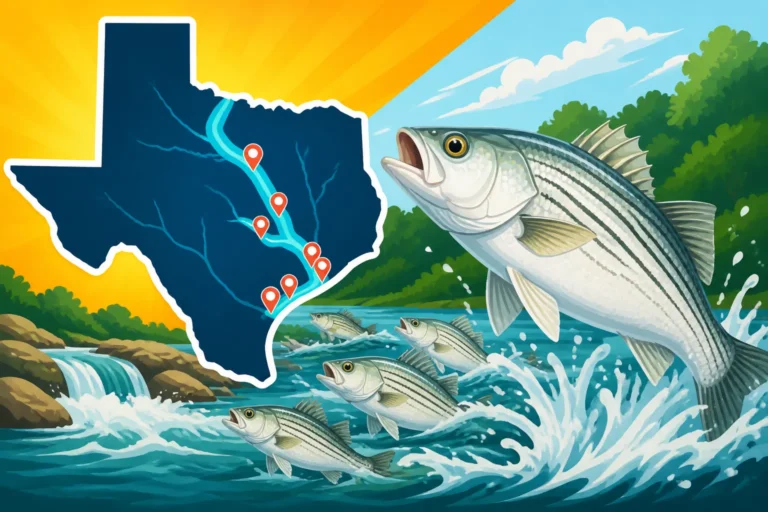
- Striped Bass and Hybrid Striped Bass: Tawakoni boasts a fantastic population of both purebred striped bass and their aggressive cousins, hybrid striped bass, often called "wipers." These hard-fighting fish provide exhilarating open-water action, especially when they're chasing shad on the surface. They’re a blast to catch, providing powerful runs that can really test your gear. The lake's vast open water and abundant baitfish create ideal conditions for these schooling predators, and many guides specialize in putting clients on these exciting fish. For more on these powerful fish, check out our Texas Striped Bass Fishing Guide.
- White Crappie: The crappie fishing on Tawakoni is consistently good, especially around submerged timber, brush piles, and bridge pilings. While they might not be as famous as the catfish, slabs of white crappie are regularly pulled from these waters, offering some fantastic table fare. Many anglers spend hours meticulously working brush piles, knowing that a limit of delicious crappie is often just a few jigs away. These fish provide a more relaxed, yet still highly rewarding, fishing experience. Our Texas Crappie Fishing Guide can help you refine your techniques.
- Largemouth Bass: While Tawakoni might not grab the headlines for largemouth bass quite like Lake Fork, it still holds a healthy population of quality bass. Anglers can find success targeting submerged timber, creek channels, and the abundant hydrilla and other vegetation when present. Don't underestimate Tawakoni for bass; there are definitely some true Texas giants lurking in its depths, offering a challenging but exciting hunt for those who pursue them. For a deeper understanding of these popular game fish, our Texas Largemouth Bass Fishing Guide is an excellent resource.
Lake Characteristics and Structure
Lake Tawakoni’s geography plays a huge role in its fishing productivity. It’s a large, relatively shallow reservoir with an average depth of around 12 feet, though it can reach over 40 feet in its deepest parts, especially near the dam and in old river channels. This mix of shallow flats and deeper channels provides diverse habitats.
- Submerged Timber and Brush Piles: One of Tawakoni's defining features is its extensive submerged timber. When the lake was impounded, much of the forest was left standing, creating an underwater labyrinth of trees, stumps, and brush. This provides incredible cover for crappie and bass, and often acts as a highway for catfish. It can be a tackle graveyard if you’re not careful, but it's also where the fish live. Anglers often create their own brush piles, adding to the wealth of fish-holding structure.
- River Channels and Creek Beds: The old river channels of the Sabine, South Fork, and Cowleech Fork wind through the lakebed, providing natural highways and deeper water sanctuaries for all species, especially catfish and striped bass. Learning to read your electronics to find these submerged contours is key to success.
- Open Water Flats: Much of Tawakoni consists of vast open-water flats, which are prime hunting grounds for schooling striped and hybrid bass when they push baitfish to the surface. These areas also hold large populations of baitfish like shad, which in turn attract the larger predators.
- Location and Accessibility: Located in Hunt, Rains, and Van Zandt counties, about 50 miles east of Dallas, Lake Tawakoni is incredibly accessible for a quick day trip or a longer fishing vacation. The surrounding towns like Quinlan, Emory, and Wills Point offer amenities and services, making it convenient for anglers.
Top Fishing Spots and Access Points on Lake Tawakoni
Knowing what to fish for is one thing, but knowing where to launch your boat or cast your line can make all the difference. Lake Tawakoni offers a variety of access points and specific areas that consistently produce good fishing, depending on your target species.
Public Ramps and Marinas
There are numerous public and private boat ramps scattered around Lake Tawakoni, making it easy to get on the water.
- Lake Tawakoni State Park: Located on the west side of the lake near Wills Point, the state park offers excellent multi-lane boat ramps, a fishing pier, and shoreline access. It’s a great option if you're looking for facilities and a well-maintained launch. You can also find some fantastic opportunities for Free Shoreline Fishing at Texas State Parks here.
- West Tawakoni City Park: On the western shore, this park also provides good boat access and typically has less congestion than some of the larger marinas.
- Oak Harbor Marina: Situated on the northern arm of the lake, Oak Harbor is a full-service marina with ramps, supplies, and often serves as a hub for local fishing guides.
- Two Mile Bridge West Park: Near the iconic Two Mile Bridge, this park offers convenient access to a popular fishing area.
Bank Fishing and Pier Opportunities
Not everyone has a boat, and that's perfectly fine on Lake Tawakoni! There are several spots where you can enjoy a productive day of fishing from shore or a pier.
- Lake Tawakoni State Park Pier and Shoreline: As mentioned, the state park boasts a 500-foot lighted fishing pier, perfect for night fishing for catfish or crappie, and extensive shoreline access. It's a prime spot, especially if you're bringing kids or want to test the waters without a boat.
- Two Mile Bridge: This bridge, connecting the east and west sides of the lake, is a well-known bank fishing hotspot. Anglers often fish near the causeway for catfish, crappie, and even white bass during their runs. Just be mindful of traffic and local regulations regarding parking and fishing locations.
- Other Roadside Access: Keep an eye out for smaller, less formal access points along county roads that dead-end near the lake. While not always equipped with facilities, they can offer secluded spots for bank fishing, especially for catfish. Always respect private property and be sure you're on public land.
Popular Fishing Areas by Species
Different fish prefer different habitats, and knowing where to focus your efforts can drastically improve your catch rate.
- Catfish Hotspots: For trophy blue catfish, focus on the old Sabine River and creek channels. Look for deeper holes, ledges, and submerged timber in these areas. The main lake basin, particularly around the Two Mile Bridge and the dam area, are also prime. For channel cats, shallower flats and areas with brush and structure work well. Flatheads will be tight to heavy cover, especially fallen trees and log jams. Many local guides on FishingBooker specialize in taking anglers to these prime catfish locations.
- Striped Bass and Hybrid Striper Zones: These schooling predators are often found in the main lake basin, especially around the middle to lower portions of the lake. Key areas include open water flats where baitfish congregate, and around the Two Mile Bridge. During certain times of the year, particularly spring and fall, they can be found chasing bait on the surface, offering exciting topwater action. Your fish finder will be your best friend here, looking for bait balls and predator arches.
- Crappie Haunts: Crappie on Tawakoni are almost synonymous with submerged timber and brush piles. The countless tree stumps and man-made brush piles, especially in the larger coves and up the river arms, are magnets for crappie. Docks and bridge pilings also provide excellent cover. Focus on the areas upstream in the South Fork and Cowleech Fork during the spring spawn, and deeper timber in the main lake during warmer months.
- Largemouth Bass Areas: For largemouth, target the vast hydrilla beds and other aquatic vegetation when present. Submerged timber in the coves and along creek channels are also productive. Points and humps in the main lake, particularly those with nearby drop-offs, can hold bigger bass. Early mornings and late evenings around visible cover are often productive times.
Essential Techniques and Gear for Lake Tawakoni Success
Once you've got your spots picked out, it's time to talk tactics. Fishing Lake Tawakoni effectively means adapting your techniques and gear to the target species and conditions. A little preparation goes a long way in landing those Texas giants.
Striped Bass and Hybrid Striper Tactics
These powerful fish require robust gear and a keen eye for finding bait.
- Trolling: This is a popular and effective method for covering large areas and finding schooling stripers. Use planer boards or downriggers with artificial lures like Sassy Shads, Road Runners, or deep-diving crankbaits. Matching the hatch with lures that mimic shad is often key.
- Live Bait: Live shad are deadly for stripers and hybrids. Use a cast net to catch fresh bait and rig them on a Carolina rig or under a slip bobber in open water, or freelined around schooling fish.
- Topwater Action: When stripers are actively busting bait on the surface (often called "jumps"), throwing topwater plugs like Spooks or Poppers can lead to explosive strikes. Always approach cautiously to avoid spooking the school.
- Electronics are Key: A good fish finder is invaluable for locating bait balls and predator schools in the open water. Look for arches around dense baitfish concentrations.
Catfish Rigging and Bait Choices
Tawakoni's catfish are plentiful, but specific rigs and baits will increase your success. Our How to Catch Catfish in Texas article has even more details.
- Standard Bottom Rigs: A simple Carolina rig or a slip-sinker rig with an appropriate weight (1-3 oz depending on current and depth) to hold bottom is standard. Use a strong swivel to prevent line twist and a heavy-duty leader (50-80 lb fluorocarbon or monofilament).
- Hook Selection: Circle hooks (6/0 to 10/0) are highly recommended for catfish as they tend to hook in the corner of the mouth, making for easier release and reducing harm.
- Bait for Blue Catfish: Fresh cut shad, carp, or perch are king. The fresher the better! Some anglers even use prepared stink baits, though cut bait is generally preferred for larger blues.
- Bait for Channel Catfish: Stink baits, punch baits, or small pieces of cut bait work wonders. Nightcrawlers and shrimp can also be effective.
- Bait for Flathead Catfish: Live bait is almost exclusively the best option for flatheads. Live perch, sunfish, or small carp are prime choices, rigged on a large circle hook near heavy cover.
Crappie Fishing Strategies
Crappie are masters of hiding in structure, so precision is important. You'll find a wealth of knowledge in our How to Fish for Crappie guide.
- Jigging Brush Piles: Vertical jigging small jigs (1/16 oz to 1/8 oz) tipped with minnows or soft plastic crappie tubes and grubs around submerged timber and brush piles is the most common and effective method. Use a sensitive rod to detect subtle bites.
- Trolling with Jigs/Minnows: "Spider rigging" or slow trolling multiple rods with jigs or minnows at varying depths can be effective for locating schools in open water or along contours.
- Slip Bobbers: For specific brush piles or areas where crappie are suspended, a slip bobber rig with a minnow can be deadly, allowing you to present bait at a precise depth.
- Best Time: The spring spawn is a prime time for crappie, as they move into shallower water in the backs of creeks and coves. During the heat of summer, they'll retreat to deeper, cooler water around brush piles.
Largemouth Bass Approaches
Tawakoni bass will test your versatility, but the rewards are there. Consider reviewing our How to Catch Bass in Summer in Texas for hot weather tips.
- Flipping and Pitching: Due to the abundance of submerged timber, flipping and pitching jigs, Texas-rigged soft plastics (like creature baits or worms), or senkos into dense cover is a highly effective technique for targeting bass holding tight to structure.
- Crankbaits and Spinnerbaits: These are excellent search baits for covering water, especially around points, humps, and the edges of vegetation. Match the depth of your crankbait to the structure you're fishing.
- Topwater Lures: Early mornings and late evenings, or during overcast conditions, can be fantastic for throwing topwater frogs over hydrilla mats or walking baits near sparse cover.
- Carolina and Texas Rigs: These versatile rigs are workhorses for Tawakoni bass, allowing you to present soft plastics effectively through timber and across varied bottom compositions.
Recommended Gear
Having the right tools for the job can make a world of difference.
- Rods and Reels: For catfish and striped bass, you'll want medium-heavy to heavy action rods (7-9 feet) paired with stout baitcasting or spinning reels capable of handling 20-50 lb test line. For crappie, light to ultralight rods (5-7 feet) with small spinning reels are ideal. Bass fishing typically calls for a range of medium-heavy rods for different techniques. You can find excellent recommendations in our Best Fishing Rods for Texas Anglers and Best Fishing Reels for Texas Anglers guides.
- Line: Braided line (30-65 lb) is popular for catfish and stripers due to its strength and sensitivity, often paired with a monofilament or fluorocarbon leader. For crappie, light monofilament (4-6 lb) or braid with a fluorocarbon leader works well. For bass, fluorocarbon (12-20 lb) is a favorite for its invisibility and sensitivity, though braid is popular for flipping and frogging.
- Lures and Baits: Stock up on fresh cut shad, stink baits, and live minnows for crappie. For artificials, bring a variety of crankbaits (deep and shallow divers), spinnerbaits, jigs (bass and crappie specific), Texas-rigged worms/creature baits, and topwater lures.
- Essential Accessories: Don't forget a large, sturdy net for big catfish or stripers, pliers for hook removal, a good cooler for your catch, and plenty of water to stay hydrated in the Texas heat. A well-stocked tackle box is always a good idea.
Planning Your Trip: Regulations and Practical Tips
A successful fishing trip isn't just about bait and technique; it's also about understanding the rules and preparing for the conditions. Don't let a simple oversight spoil your day on the water.
Texas Fishing License Requirements
This is a non-negotiable step before you even think about casting a line. Almost everyone 17 years of age or older needs a valid Texas fishing license to fish in public waters, including Lake Tawakoni.
- Who Needs One: If you're 17 or older and planning to fish, you need a license. This applies to both residents and non-residents.
- Where to Buy: You can purchase a license online through the Texas Parks and Wildlife Department (TPWD) website, by phone, or in person at most sporting goods stores like Academy Sports + Outdoors or Walmart, as well as many local bait shops and county clerk offices. It's usually a quick and painless process. For a detailed walkthrough, see our guide on How to Get a Texas Fishing License.
- Types of Licenses: Depending on whether you're a resident or non-resident, and what species you plan to target (freshwater only, saltwater only, or all-water), there are different license options. Most anglers fishing Tawakoni will opt for a freshwater or all-water license. Make sure you understand all the details by checking out Texas Fishing License Requirements Explained.
Important Bag and Length Limits for Lake Tawakoni
Texas Parks and Wildlife Department (TPWD) sets specific regulations to ensure healthy fish populations. These limits can vary by lake and species, so it's crucial to be informed.
- Know Before You Go: Always consult the current TPWD Outdoor Annual before your trip. Regulations can change annually. You can find specific details in our Texas Fish Bag and Length Limits guide.
- Key Species Limits (as of recent regulations, always double-check):
- Catfish (Blue and Channel): Usually a combined daily bag limit of 25 fish, with a 12-inch minimum length limit. For blue catfish, only one fish over 30 inches is allowed per day.
- Flathead Catfish: Typically a daily bag limit of 5 fish, with an 18-inch minimum length.
- Striped Bass/Hybrid Striped Bass: Often a combined daily bag limit of 5 fish, with an 18-inch minimum length.
- Crappie (White and Black): A combined daily bag limit of 25 fish, with a 10-inch minimum length.
- Largemouth Bass: Generally a 5 fish daily bag limit, with a 14-inch minimum length, though some lakes have special regulations.
It’s your responsibility as an angler to know and follow these rules. Game wardens regularly patrol Lake Tawakoni, and violations can result in hefty fines.
When to Visit and Weather Considerations
Lake Tawakoni offers year-round fishing opportunities, but certain seasons are definitely better for specific species, and weather plays a huge role in your comfort and safety. To plan your ultimate trip, consult our Best Time of Year to Fish in Texas guide.
- Spring (March-May): This is arguably the best time for crappie fishing as they move shallow to spawn. Largemouth bass are in their pre-spawn and spawn phases, and catfish become very active. Striped bass also start schooling up. The weather is generally pleasant, though spring storms can pop up quickly.
- Summer (June-August): Fishing in the Texas summer heat can be challenging, but still productive. Early mornings and late evenings are key for bass. Catfish can be caught deep during the day, and night fishing for catfish and crappie is popular. Striped bass often school on the surface in the mornings. Hydration and sun protection are paramount.
- Fall (September-November): Many consider fall to be one of the best times to fish Tawakoni. All species become very active as the water cools, feeding heavily in preparation for winter. Striped bass "jumps" are common, and crappie fishing picks up again. Bass will be feeding aggressively.
- Winter (December-February): Don't overlook winter fishing! While it can be chilly, deep-water crappie and large blue catfish can be caught. Striped bass also remain active, often schooling deep. Dress in layers and be prepared for cold winds.
Always check the local weather forecast before heading out. Strong winds can make large lakes like Tawakoni very choppy and dangerous, especially for smaller boats. Summer thunderstorms can also bring lightning and sudden downpours. Planning your trip with a reliable local guide, many of whom can be found on FishingBooker, can also provide invaluable insights into the best seasonal opportunities.
Disclaimer
Please remember that fishing regulations, conditions, and fish behavior can change. Always check the latest Texas Parks and Wildlife Department regulations before you head out on your trip. This guide is for informational purposes only and does not constitute legal advice. Stay safe and have fun on the water!