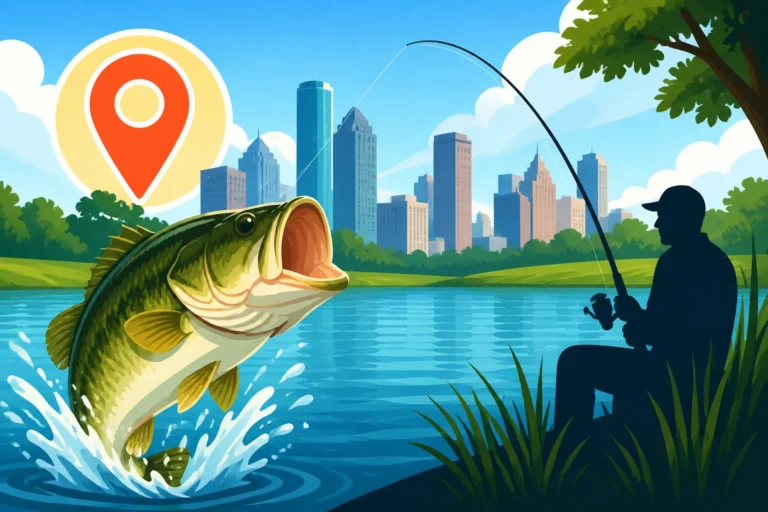
Lady Bird Lake fishing in downtown Austin
Fishing in the heart of downtown Austin on Lady Bird Lake can feel a little intimidating, or perhaps even a bit overlooked, when you're surrounded by bustling cityscapes, joggers, and kayakers. Many anglers assume quality fishing requires a remote, wilderness escape, but the truth is, Lady Bird Lake offers surprisingly diverse and accessible angling opportunities right in our backyard. This guide will help you navigate this unique urban fishery, covering everything from the fish you can expect to catch to the best techniques and crucial local regulations, ensuring your next Austin fishing adventure is a success.
The Unique Appeal of Lady Bird Lake Fishing in Austin
Lady Bird Lake, often simply called the "River" by locals, isn't your typical Texas fishing hole. It's a vibrant, urban reservoir that stretches through the very heart of Austin, offering a truly one-of-a-kind angling experience. Despite being surrounded by high-rises and busy streets, the lake maintains a surprisingly healthy ecosystem, providing both a peaceful escape and exciting fishing action.
Urban Oasis with Surprising Angling Opportunities
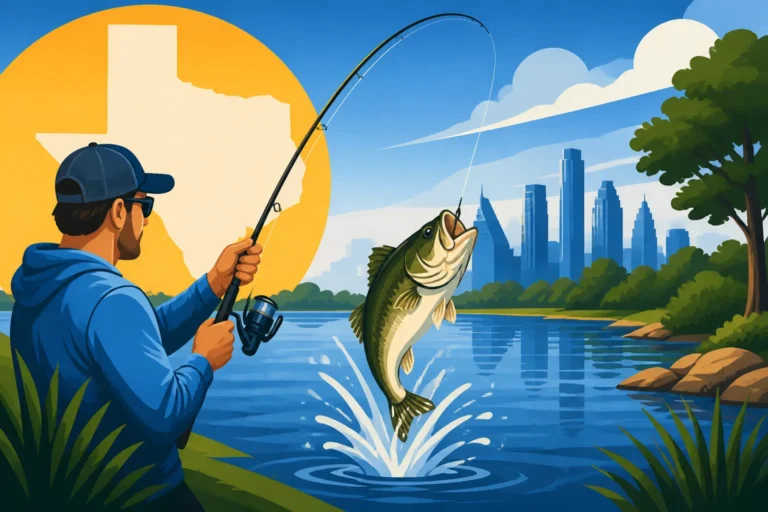
What truly sets Lady Bird Lake apart is its status as a "no-contact" lake for motorized boats, meaning only electric motors are allowed. This regulation fosters a remarkably serene environment, perfect for kayaking, canoeing, stand-up paddleboarding, and, of course, fishing from paddlecraft or the bank. You won't contend with roaring speedboats or massive wakes here, which dramatically enhances the peacefulness of your outing. Imagine casting a line with the Austin skyline as your backdrop – it’s an experience you just don't get in most places.
The accessibility is also a huge draw. With numerous parks, trails, and public access points lining its shores, it's easy to get to the water without a boat. From Auditorium Shores to Zilker Park, there are countless spots where you can literally walk up to the water's edge and start fishing. This makes it an ideal spot for spontaneous fishing trips, quick evening sessions, or introducing new anglers to the sport without needing a full-blown expedition. Don't let the urban setting fool you; beneath the surface lies a thriving fishery, thanks in part to careful management by the Texas Parks and Wildlife Department (TPWD).
Primary Fish Species You'll Find
Lady Bird Lake is a fantastic mixed-bag fishery, offering a variety of species that appeal to different angling preferences. While it's particularly renowned for its bass population, there's plenty more swimming in its waters.
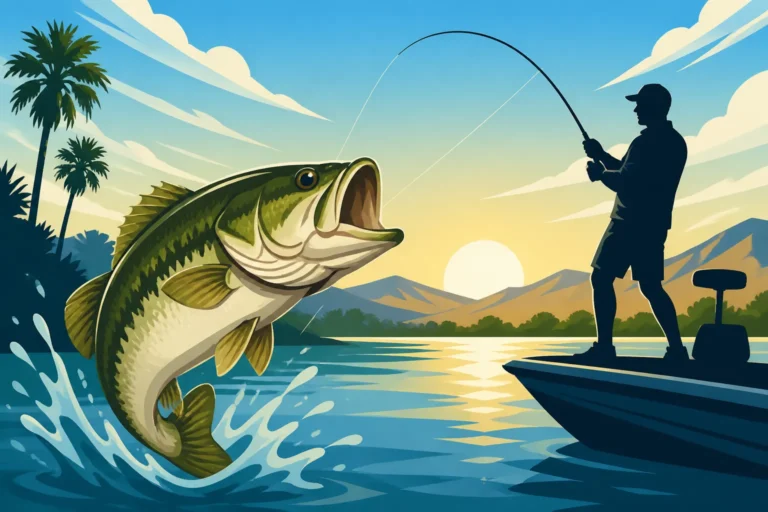
The undisputed heavyweight champion of Lady Bird Lake is the Largemouth Bass. These feisty fighters thrive in the lake's diverse habitat, from submerged vegetation to rocky banks and bridge pilings. What makes them particularly special here is the unique catch-and-release only regulation for Largemouth Bass, a conservation effort that has contributed to a healthy population of larger, more mature fish. Alongside the largemouth, you'll also find the much-coveted Guadalupe Bass, the official state fish of Texas. These smaller, hard-fighting bass are a true native gem, and catching one is a real treat for any Texas angler.
Beyond bass, Lady Bird Lake offers excellent opportunities for Catfish, primarily Channel Catfish and some Blue Catfish. These bottom dwellers are plentiful and can grow to respectable sizes, offering a strong fight and a delicious meal (where legal, of course – always check local regulations). For those looking for lighter tackle action, Sunfish species like Bluegill and Redear are abundant, making them perfect targets for kids or anyone looking for consistent bites. If you're lucky, especially during cooler months or around inflowing creeks, you might even encounter White Bass, known for their schooling behavior and aggressive strikes.
Targeting Lady Bird Lake's Prized Catches
Understanding the habits and preferred habitats of Lady Bird Lake's fish species is key to a successful outing. While the urban environment might seem challenging, the fish behave much like their counterparts in more rural settings, often seeking cover, current, and food sources.
Mastering Largemouth and Guadalupe Bass Techniques
Fishing for bass on Lady Bird Lake requires a bit of finesse and an understanding of their urban patterns. Largemouth Bass here love structure. Think about bridge pilings (especially under Mopac or I-35), submerged timber, and the abundant lily pads and hydrilla beds that line certain stretches of the lake. During warmer months, early mornings and late evenings are prime times, as bass move shallower to feed. For techniques, a weedless Texas rig or a weightless wacky worm fished around vegetation can be incredibly effective. Square bill crankbaits worked along rocky banks or near drop-offs can also entice strikes. If you're targeting the highly prized Guadalupe Bass, focus on areas with current, particularly near creek mouths or where water flows over shallow rocky sections. They tend to be smaller than largemouths but put up a fantastic fight on light tackle. Small topwater baits or finesse jigs can often trigger a strike. For more detailed strategies, you might want to explore guides like How to Fish for Bass in Texas or Texas Largemouth Bass Fishing Guide.
The challenge with bass in an urban environment like Lady Bird Lake is often adapting to the foot traffic and clearer water conditions. Being stealthy is often rewarded. Make long casts to avoid spooking fish in shallower areas, and use natural-colored lures when the water is particularly clear. Many local guides, some of whom you can find on platforms like FishingBooker, specialize in navigating these unique conditions and can quickly put you on fish, especially if you're new to the lake. They know the subtle nuances that can make all the difference, from the best current breaks to the most productive lily pad fields.
Strategies for Catfish and Panfish
Catfish on Lady Bird Lake are a reliable target and can provide steady action, often when other species are less cooperative. The lake holds a healthy population of Channel Catfish and some Blue Catfish, with anglers frequently pulling out fish in the 2-5 pound range, and occasionally much larger. These whiskered bottom dwellers are often found in deeper holes, areas with subtle current breaks, or near inflows and outflows where baitfish congregate. Traditional bottom fishing rigs with stink bait, punch bait, or cut bait (like shad or hot dogs) are highly effective. Using a basic Carolina rig with a 1/2 to 1-ounce sinker, a swivel, and an 18-inch leader with a 2/0 or 3/0 circle hook, will serve you well. Fishing at night can be particularly productive for catfish, as they become more active feeders after dark.
For panfish, Lady Bird Lake is an ideal spot to introduce children or novice anglers to fishing. Bluegill and other sunfish are abundant and eager biters, providing plenty of excitement. A simple setup—a light spinning rod, a small bobber, a tiny hook (size 8 or 10), and a piece of worm or a cricket—is all you need. Focus on calmer, shallower areas near docks, submerged vegetation, or rocky banks. These fish are often found schooling together, so once you find one, you'll likely find more. Fly fishing with small poppers or wet flies can also be incredibly effective and fun for panfish, adding another dimension to your angling experience on the lake. While crappie aren't a primary target here, many of the tactics for sunfish will also work if you happen upon a school.
| Fishing Method | Pros | Cons | Target Species | Gear Recommendations |
|---|---|---|---|---|
| Bank Fishing | Highly accessible, no boat needed | Limited range, can be crowded, less access to deeper structures | Catfish, Sunfish, Bass (near shore) | Medium-light spinning rod, worms/cut bait, jigs, small crankbaits |
| Kayak/Canoe | Quiet access to diverse spots, covers more water | Requires paddlecraft, can be tiring, wind sensitive | Bass (all areas), Catfish, White Bass | Light to medium spinning or baitcasting rod, diverse lures, PFD |
| Pier/Dock | Easy access, good for beginners/kids | Fixed location, may be heavily fished, limited to specific spots | Sunfish, Catfish, smaller Bass | Light spinning rod, bobber, live bait, small jigs |
Top Fishing Access Points and Methods on Lady Bird Lake
Lady Bird Lake is uniquely configured for easy access, but knowing the best spots for your preferred fishing method can make all the difference. Whether you're a land-based angler or prefer the tranquility of a paddlecraft, there are plenty of options.
Popular Bank Fishing Spots
One of the greatest advantages of Lady Bird Lake is the sheer amount of public bank access. The Ann and Roy Butler Hike-and-Bike Trail runs for miles along both sides of the lake, offering countless opportunities to cast a line. Auditorium Shores is a prime example, providing ample space and often producing good catfish and sunfish action near its edges. Its proximity to downtown makes it an easy stop for a quick fishing fix. Further west, Zilker Park offers extensive shoreline, and while it can be busy with other activities, quieter coves and sections can be found for focused fishing. The area near the Barton Creek confluence, especially, can be a hotspot for various species due to the inflowing cooler water and nutrients.
Another excellent spot is Butler Metro Park, particularly the areas around the Pfluger Pedestrian Bridge. The bridge pilings themselves act as structure, and the adjacent banks often hold fish. When bank fishing, try to find areas with submerged logs, rock piles, or dense vegetation. These provide cover for fish. Remember that this is a highly trafficked urban area, so always be mindful of other trail users and ensure you're not casting into swimming or boating lanes. Stealth and patience are paramount here, as fish can be wary of constant human presence.
Kayak, Canoe, and SUP Fishing Advantages
For those who crave more mobility and access to less-pressured waters, fishing from a kayak, canoe, or even a stand-up paddleboard is the absolute best way to experience Lady Bird Lake. The "no-contact" rule for gas motors means paddlecraft have the run of the lake, making for a peaceful and incredibly effective fishing platform. You can silently slip into coves, explore dense lily pad fields, and cast directly at bridge pilings or submerged timber that bank anglers can't reach. Many local outfits offer kayak rentals right on the lake, making it easy to get out on the water even if you don't own your own boat.
When fishing from a paddlecraft, focus on the abundant submerged vegetation beds, particularly hydrilla and lily pads, which provide excellent ambush points for Largemouth Bass. Pitching weedless jigs or soft plastics into these mats can be incredibly productive. The deeper channels and bends in the river section also hold good numbers of catfish and can be effectively explored from a kayak. Pay attention to current breaks, especially near the main dam or around islands. For ideas on suitable vessels, check out our guide on Best Kayaks for Texas Fishing. Remember, even though it's a calm lake, always wear your personal flotation device (PFD) and be aware of weather changes. While a fishing license is required for most, you typically won't need to worry about Do you need to register a kayak in Texas? if it's solely paddle-powered.
Pier and Dock Fishing Opportunities
While Lady Bird Lake isn't dotted with large fishing piers like some coastal bays or bigger reservoirs, there are still a few key spots and accessible docks that offer excellent fishing opportunities without needing a boat. The public boat ramps, such as the one near the I-35 underpass or the Texas Rowing Center, often have accessible dock areas where you can cast a line. These spots are frequently adjacent to deeper water or structural elements like bridge supports, attracting various species.
Additionally, certain parks along the shoreline might feature smaller, less formal pier-like structures or easy-access rocky points that function similarly. The key is to look for areas where the bank drops off quickly into deeper water or where there's existing cover like brush piles or submerged rocks. These locations tend to concentrate fish. When fishing near private docks (always respect private property and fish from public waters), keep an eye out for fish holding under the shade or around the dock pilings. This can be a prime spot for bass or sunfish. Using smaller, more subtle baits like worms, crickets, or finesse jigs often works best in these more confined and potentially pressured areas.
Essential Tips and Regulations for Lady Bird Lake Anglers
Fishing Lady Bird Lake offers a fantastic experience, but a little local knowledge and adherence to specific regulations will ensure a smooth and successful trip. Don't let the relaxed urban vibe trick you into overlooking important rules!
Understanding Local Regulations and License Requirements
First and foremost, nearly all anglers over the age of 17 (and under 65) will need a valid Texas fishing license. This is non-negotiable and applies to all public waters in the state, including Lady Bird Lake. You can get yours online, by phone, or at most sporting goods stores. For a full breakdown, refer to our comprehensive guide on Texas Fishing License Requirements Explained.
What makes Lady Bird Lake truly unique in terms of regulations is its catch-and-release only policy for Largemouth Bass. This means if you catch a largemouth, you must immediately and carefully return it to the water. This vital conservation effort has been instrumental in maintaining a healthy population of trophy-sized bass in an urban environment. While there aren't specific length or bag limits for Largemouth Bass on Lady Bird Lake because of this rule, other species do have limits. For instance, you’ll need to be aware of Texas Largemouth Bass Length Limits and Texas Fish Bag and Length Limits for statewide rules, but always remember the specific catch-and-release for largemouth on Lady Bird. For catfish and sunfish, standard statewide regulations apply, so always check the current TPWD Outdoor Annual before you head out. These regulations are designed to protect the fishery and ensure it remains a fantastic resource for years to come.
Best Practices for an Enjoyable and Responsible Trip
To make the most of your Lady Bird Lake fishing trip, consider these best practices. Timing is everything, especially during the scorching Texas summers. Early mornings, just as the sun peeks over the Austin skyline, or late evenings as twilight descends, are not only more comfortable temperature-wise but also when fish are typically most active. This avoids the mid-day heat and the peak crowds of recreational users.
When it comes to bait, live worms, crickets, and cut bait are reliable choices for panfish and catfish. For bass, a diverse tackle box with soft plastics, spinnerbaits, and topwater lures will serve you well. Many anglers find success matching the hatch with natural colors in the relatively clear waters of Lady Bird Lake. Always err on the side of lighter tackle for the best fight and presentation.
Finally, and this is crucial in an urban setting, leave no trace. Lady Bird Lake is a cherished community asset, used by countless people for recreation. Pack out everything you pack in, including fishing line, bait containers, and any other trash. Respect other users of the lake and trails, maintain a courteous distance, and practice safe fishing habits. If you're new to fishing in Texas or looking to hone your skills on this unique lake, consider booking a trip with a local guide. Platforms like FishingBooker list experienced guides who can provide invaluable insights into the best spots, techniques, and nuances of Lady Bird Lake, ensuring a productive and responsible outing. Their expertise can transform a good day into a truly memorable one.
Disclaimer
Please note that fishing regulations, license requirements, and local guidelines can change. It is always the angler's responsibility to check the latest official Texas Parks and Wildlife Department (TPWD) regulations before engaging in any fishing activity. This article is for informational purposes only and should not be considered a substitute for official legal guidance.