Lake Texoma vs Lake Whitney for striper fishing
The quest for striped bass in Texas is a thrilling pursuit, and for many anglers, the biggest hurdle isn't finding the fish, but deciding where to even begin. Two names consistently rise to the top of the conversation: Lake Texoma and Lake Whitney. Both are phenomenal striper fisheries, but they offer vastly different experiences, making the choice a genuine dilemma. This comprehensive guide will dissect the nuances of each lake, helping you understand their unique characteristics, fishing styles, and ultimately, which one will best fulfill your angling aspirations.
The Battle of the Striper Sanctuaries: Texoma vs. Whitney
When you talk about striped bass in Texas, you're essentially talking about two distinct dynasties. Lake Texoma, up on the Red River, holds a legendary status, while Lake Whitney, nestled in the heart of Central Texas, has quietly carved out its own formidable reputation. Understanding their fundamental differences is the first step to choosing your next striper battlefield.
Lake Texoma: The Striped Bass Mecca
Lake Texoma isn't just a lake; it's practically a pilgrimage site for striper enthusiasts across the country, not just Texas. Straddling the border between Texas and Oklahoma, this massive reservoir is renowned as one of the few inland lakes in the United States where striped bass naturally reproduce. This biological marvel is primarily due to the unique salinity of the Red and Washita Rivers, which feed into Texoma, mimicking the brackish waters where stripers typically spawn in coastal environments.
Because of this natural reproduction, Texoma boasts an incredibly robust and self-sustaining striper population. You'll find a staggering number of fish here, ranging from smaller "schoolie" stripers that provide non-stop action, to legitimate trophy-sized giants that will test your tackle and your resolve. The sheer abundance means that even on a slow day, you're likely to get some bites. Anglers flock here year-round, drawn by the promise of powerful runs and the thrill of battling a fish that can easily top 15-20 pounds, with the potential for even larger specimens. The sprawling open waters, numerous coves, and deep river channels offer a diverse range of fishing environments, though the sheer size can be intimidating for newcomers. Many visitors opt to hire a seasoned guide, and platforms like FishingBooker are excellent resources for finding local experts who can put you on the fish.
Lake Whitney: A Hidden Gem for Striped Bass
While Lake Texoma often hogs the limelight, Lake Whitney is a true Central Texas treasure that offers an exceptional, albeit different, striped bass experience. Located on the Brazos River, just southwest of Fort Worth, Whitney is characterized by its stunning limestone cliffs, clear waters, and deep canyons – a dramatic contrast to Texoma's more sprawling, often murkier expanses. Whitney's striper population isn't naturally reproducing; instead, it's meticulously managed and stocked by the Texas Parks and Wildlife Department (TPWD), which ensures a healthy and thriving fishery.
Don't let the "stocked" label fool you; Lake Whitney stripers grow big and fight hard. Anglers here regularly pull in fish in the 10-20 pound range, with occasional catches pushing the scales even higher. The fishing experience on Whitney can feel a bit more intimate, often focusing on distinct underwater structures, humps, and ledges along the river channel. Its clearer waters can also influence fishing techniques, sometimes favoring different presentations than those used on Texoma. For those living closer to the Dallas-Fort Worth or Austin areas, Lake Whitney offers a more convenient and often less crowded alternative to the journey north, without compromising on the quality of the striper fishing.
Key Differences in Striper Fishing Experience
Beyond their geographical locations, Lake Texoma and Lake Whitney present fundamental differences that shape the entire fishing adventure. Understanding these distinctions is crucial for aligning your expectations with the reality of each destination.
Natural Reproduction vs. Stocking Programs
The most significant difference between these two powerhouse lakes lies in how their striped bass populations are sustained. Lake Texoma is a true anomaly, a self-sustaining inland fishery where striped bass successfully spawn in the inflowing Red and Washita Rivers. This natural phenomenon means that Texoma's striper numbers are largely left to nature's whims, resulting in a population that can fluctuate but consistently remains robust. The natural cycle often produces an abundance of "schoolie" stripers – smaller, but incredibly fun to catch – interspersed with numerous larger fish that have matured over several years. This natural cycle contributes to its reputation as a consistent producer, though annual conditions can affect recruitment.
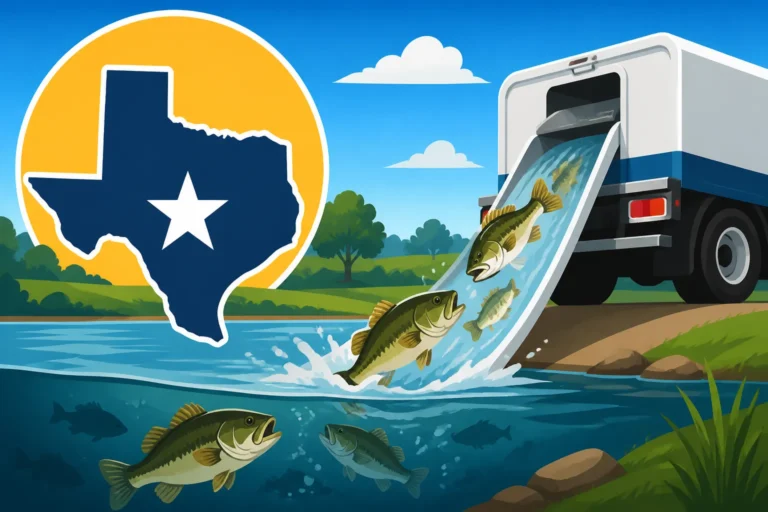
Lake Whitney, on the other hand, relies entirely on a dedicated stocking program by the Texas Parks and Wildlife Department. Each year, thousands of fingerling striped bass are released into the lake, carefully managed to ensure a healthy population. This controlled environment often leads to a more predictable average size of fish, as TPWD can adjust stocking rates to optimize growth and survival. While you might not encounter the sheer, overwhelming numbers of smaller fish that Texoma offers, Whitney's stocked stripers are known for their strong growth rates and excellent fighting qualities, providing a quality over pure quantity experience. Both methods yield fantastic fishing, but they speak to different ecological approaches and can subtly affect the overall fishing dynamic.
Water Characteristics and Habitat
The visual and hydrological characteristics of each lake also play a huge role in how you approach striper fishing. Lake Texoma, particularly in its upper reaches and major river channels, tends to have more turbid, nutrient-rich water. This can mean lower visibility, requiring anglers to rely more on sonar, scent, and vibration to attract fish. The lake's vast, open expanses often lead to stripers schooling heavily and chasing massive bait balls (primarily threadfin and gizzard shad) in open water. This open-water pursuit is a hallmark of Texoma fishing, where birds diving often signal feeding stripers below.
Lake Whitney, by contrast, generally boasts clearer waters, especially in its lower sections. This clarity means sight fishing can sometimes be an option, and lure choice might lean towards more natural colors and presentations. The lake's structure is also distinctly different, featuring dramatic limestone cliffs, deep creek channels, and numerous humps and ledges that provide excellent cover and ambush points for stripers. Anglers on Whitney often focus on these structural elements, employing techniques like vertical jigging, downrigging, or live bait fishing near defined contours. Understanding these habitat differences is key to choosing the right gear and approach; for instance, you might use heavier, more vibrantly colored lures in Texoma's stained waters, while finesse techniques might shine on Whitney.
Accessibility and Angler Crowds
Considering the sheer popularity of striped bass fishing, crowds can definitely be a factor, and there's a noticeable difference between these two lakes. Lake Texoma, as a nationally recognized destination, can get quite busy, especially during peak seasons like the spring white bass run or prime summer and fall striper bites. Its numerous boat ramps, marinas, and guide services are a testament to its draw, but also mean you might find yourself sharing the water with many other boats. For some, the camaraderie of a busy fishery is part of the appeal, while for others, the crowds can detract from the experience.
Lake Whitney, while certainly popular, generally experiences less intense pressure than Texoma. Its slightly more "off the beaten path" feel (at least compared to Texoma's colossal reputation) can offer a more peaceful fishing trip. Anglers often find more elbow room, especially on weekdays or during non-peak times. Its location, being more central in Texas, might also mean shorter travel times for a large segment of the state's population. If you prefer a quieter day on the water, or simply want to avoid the potential boat traffic of a massive, heavily fished lake, Whitney might be a more appealing choice. However, remember that "less crowded" doesn't mean "empty" – it's still a well-known and productive fishery.
Best Times and Techniques for Each Lake
Successfully targeting striped bass on either Lake Texoma or Lake Whitney involves understanding their seasonal patterns and adapting your techniques. What works wonders on one might be less effective on the other, largely due to their distinct characteristics and the fish's behavior.
Targeting Stripers on Lake Texoma
Lake Texoma is truly a year-round striper destination, but each season brings its own set of challenges and rewards. Knowing the seasonal patterns is critical, and many anglers often consult a guide found through platforms like FishingBooker to leverage local knowledge, especially for specific times of the year.
Spring (March-May): This is arguably the most exciting time for many anglers. As water temperatures rise, stripers become incredibly active, often chasing bait near the surface. The Texas White Bass Run Timing also kicks off in the feeder rivers, attracting stripers to these areas. Topwater action can be explosive, with fish crashing baits like Heddon Super Spooks or Cotton Cordell Redfins. Live bait, particularly gizzard shad, drifted or slow-trolled near submerged structures or humps in the main lake, is also highly effective. It's a time of high energy and aggressive feeding.
Summer (June-August): When the Texas heat sets in, Texoma stripers head for deeper, cooler water. This is prime time for downrigging with deep-diving crankbaits or live bait, targeting fish suspended in the thermocline (typically 20-40 feet deep). Trolling umbrella rigs or large spoons can also be very productive. "Deadsticking" live shad is a popular technique: dropping a live bait down to the desired depth and holding the rod still, letting the bait do all the work. Early mornings and late evenings can still offer some topwater or shallower action, but the midday sun usually pushes fish down. If you’re looking to perfect this deep-water approach, consider booking a trip through FishingBooker with a guide specializing in Texoma’s summer striper patterns.
Fall (September-November): As temperatures cool, Texoma stripers become incredibly active again, often forming massive schools and aggressively chasing baitfish. This period is famous for "bird action," where flocks of gulls and terns divebomb the surface, indicating stripers pushing shad from below. Anglers follow the birds and cast swimbaits, Sassy Shads, or topwater lures into the frenzied schools. How to Catch Striped Bass on Lake Texoma involves being mobile and covering a lot of water to find these roaming schools. Jigging spoons and slabs can also be deadly when fish are located deeper.
Winter (December-February): While activity slows, Texoma still offers excellent winter striper fishing. Fish tend to congregate in deep holes and river channels, seeking stable temperatures. Vertical jigging with heavy spoons or large soft plastics (like a Sassy Shad on a heavy jig head) can be very effective. Slower presentations with live bait fished near the bottom are also reliable. It's often a game of patience, but the potential for trophy-sized fish is still very real, especially when you can pinpoint their winter holding areas. The Best lures for striped bass on Lake Texoma will often change with the season.
Targeting Stripers on Lake Whitney
Lake Whitney’s unique structure and clearer water demand slightly different tactics, making it a rewarding challenge for anglers who enjoy dissecting a lake.
Spring (March-May): Similar to Texoma, spring brings stripers into shallower areas and main lake points as they chase baitfish. Trolling shallow-running crankbaits or lipless crankbaits along points and submerged humps can be highly effective. Topwater lures can also produce exciting strikes during low-light conditions. Live shad is always a strong contender, fished under a bobber or free-lined near active schools. Targeting areas where creeks feed into the main lake can also be productive, as baitfish gather there.
Summer (June-August): Like most Texas lakes in summer, Whitney's stripers retreat to deeper, cooler water. The clear water here means fish can be a bit more finicky, so presentation matters. Trolling with downriggers set to the thermocline is a primary method, often using spoons, deep-diving crankbaits, or umbrella rigs. Vertical jigging with heavy spoons or large soft plastics over deep humps, ledges, and the old river channel is another proven technique. Look for schools of baitfish on your fish finder and drop your baits directly into them. How to troll for striped bass in Texas is a technique that shines here.
Fall (September-November): The cooling water ignites a feeding frenzy on Lake Whitney. Stripers will often move shallower, particularly in the mornings and evenings, chasing baitfish. Look for schooling activity on the surface, often indicated by diving birds, especially in the larger coves and main lake areas. Casting swimbaits, lipless crankbaits, or topwater plugs into these schools can yield fast action. Trolling the main lake points and humps with medium-running crankbaits or spoons also remains a solid strategy.
Winter (December-February): Whitney's clear, deep waters provide excellent winter habitat for stripers. Fish will congregate in the deepest sections of the lake, particularly along the old Brazos River channel. Slower presentations are key. Vertical jigging with heavy spoons (like a S-Waver or Slab Spoon) or large soft plastics directly over schooling fish marked on your sonar is a staple. Live bait, such as shad or large shiners, fished slowly on downlines near the bottom, can also entice sluggish winter stripers. This is a great time to focus on specific structures and patiently work your baits. Best time to catch striped bass in Texas can actually be during the colder months for trophy potential if you know where to look.
Here’s a quick comparison of the two lakes for striper fishing:
| Feature | Lake Texoma | Lake Whitney |
|---|---|---|
| Striper Source | Natural Reproduction (Red & Washita Rivers) | Stocking Program (TPWD) |
| Water Characteristics | Often turbid, vast open water, nutrient-rich | Generally clearer, limestone cliffs, deep canyons |
| Average Striper Size | High numbers of "schoolies" & good trophies | Good average size, excellent trophies |
| Crowd Level | Can be very high, especially peak season | Generally less crowded, more serene |
| Primary Techniques | Open-water trolling, live bait, topwater, jigging | Structure fishing, downrigging, vertical jigging, live bait |
| Location | North Texas (TX/OK border) | Central Texas (Brazos River) |
| Key Lure/Bait | Live shad, Sassy Shads, topwater plugs | Live shad, spoons, deep crankbaits, umbrella rigs |
Which Lake is Right for Your Striper Adventure?
The choice between Lake Texoma and Lake Whitney ultimately comes down to your personal preferences, what kind of fishing experience you're seeking, and perhaps even your geographical convenience. Both lakes are phenomenal in their own right, and a true Texas striper enthusiast might eventually want to experience both.
When Lake Texoma Shines
Lake Texoma is your undisputed champion if you're chasing the sheer thrill of numbers and the unique experience of a self-sustaining inland striper fishery. If the idea of massive schools of fish pushing bait to the surface, bird-diving frenzies, and the constant possibility of a double hook-up excites you, then Texoma is calling your name. It's a fantastic destination for anglers who are comfortable with larger bodies of water, enjoy covering vast expanses, and don't mind sharing the lake with other passionate anglers.
It’s also the place for those truly unique ecological experiences, witnessing the natural lifecycle of striped bass far from the coast. For those seeking a guided experience, the density of experienced guides on Texoma is unmatched, and they often provide invaluable insight into current patterns. Booking a local guide, perhaps through FishingBooker, can turn a good trip into an unforgettable one, especially for newcomers navigating the immense lake and its varied regulations (like understanding Lake Texoma Fishing License Rules).
When Lake Whitney Offers a Great Alternative
Lake Whitney presents an excellent alternative for anglers who appreciate a more picturesque setting, generally clearer waters, and a focus on structure-oriented fishing. If you prefer a slightly less crowded experience, enjoy deciphering deep contours and ledges, or simply want a top-tier striper fishery closer to Central Texas, Whitney is a fantastic choice. It offers a consistently strong fishery, maintained through the dedicated efforts of TPWD's stocking program, yielding impressive catches regularly.
Whitney is also a great option for anglers who enjoy a bit more variety in their fishing tactics, as the clear water and diverse structure can allow for finesse techniques alongside power fishing. For those who prioritize a serene day on the water with the chance for a truly quality catch, without the potential hustle and bustle of a world-famous fishery, Lake Whitney delivers. While it doesn't have the natural reproduction story of Texoma, its Lake Whitney striped bass stocking history is a testament to effective fisheries management that provides incredible angling opportunities. Ultimately, both lakes are treasures, and your ideal striper adventure might just depend on the kind of experience you're dreaming of. Remember that even on Whitney, a valid Texas Fishing License Requirements Explained is always needed. You can check the Texas Fishing License Cost for Residents and Nonresidents to ensure you're prepared.
Disclaimer
Fishing conditions and regulations in Texas are subject to change. Always consult the latest Texas Parks and Wildlife Department (TPWD) regulations before heading out on the water. This guide is for informational purposes only and does not constitute legal advice.