Stillhouse Hollow Lake fishing spots
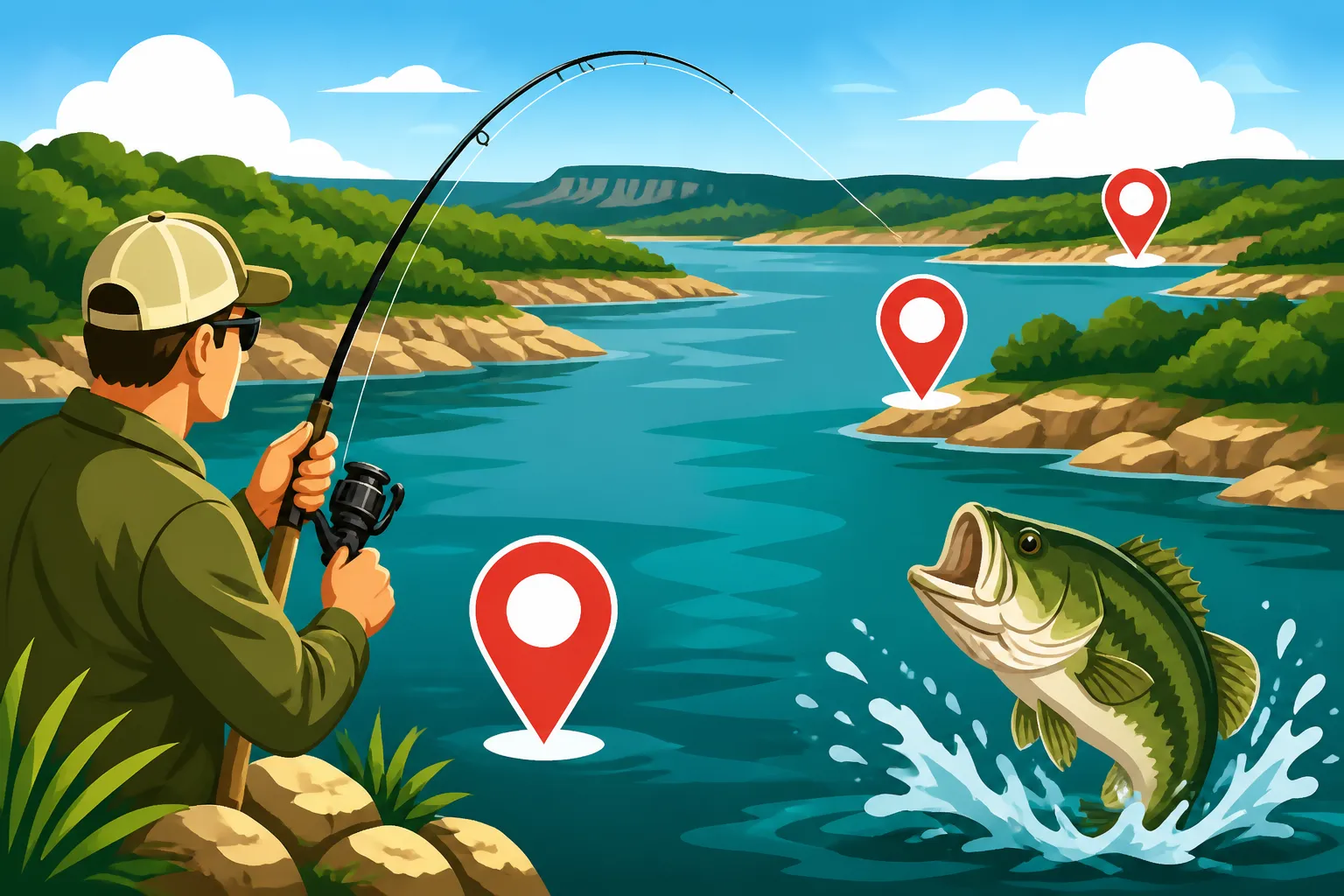
Ever stared at a map of Stillhouse Hollow Lake, feeling that familiar mix of excitement and overwhelm, wondering where on earth to even drop a line? You're not alone. This beautiful Central Texas reservoir, while a fantastic fishery, can be a bit intimidating if you don't know its secrets. This guide is designed to cut through that confusion, helping you unlock Stillhouse Hollow's best fishing spots and the techniques to make your next trip a success, whether you're chasing trophy bass or a cooler full of catfish.
Understanding Stillhouse Hollow Lake's Unique Character
Stillhouse Hollow Lake isn't just another body of water; it has its own distinct personality, shaped by its geology and the Lampasas River that feeds it. Understanding these characteristics is key to unlocking its fishing potential. This lake offers a diverse angling experience, from its rocky bluffs to its timbered coves and open water.
Lake Profile and Primary Fish Species
Stillhouse Hollow Lake, managed by the U.S. Army Corps of Engineers, is a relatively deep and clear lake, especially compared to some of its muddier Central Texas cousins. Located near Belton, it covers about 6,430 acres with a maximum depth of around 100 feet. The clarity can vary, but generally, it's quite good, which influences fish behavior and your bait choices.
The lake is a prime destination for a variety of popular game fish. Largemouth bass are undoubtedly the stars for many anglers, known for their strong fights and decent size. Stillhouse also boasts a healthy population of feisty smallmouth bass, which thrive in its rocky, clearer waters. For those who prefer a different kind of fight, the lake is absolutely loaded with catfish, including channel, blue, and flathead varieties, offering fantastic opportunities for anglers targeting these bottom dwellers. Crappie fishing can be excellent, particularly around timber and brush, while white bass make their seasonal runs up the river arm, providing fast action. You'll also find sunfish and other panfish, perfect for introducing kids to fishing.
Regulations and License Requirements
Before you even think about casting a line, it's crucial to be aware of the rules. Like all public waters in Texas, you'll need a valid Texas fishing license. This isn't just a suggestion; it's a legal requirement, and wardens do patrol. You can find all the specifics on the Texas Fishing License Requirements Explained page, which breaks down who needs one, where to get it, and how much it costs.
Beyond the license, Stillhouse Hollow Lake, being a freshwater reservoir, falls under general Texas Freshwater Fishing Regulations. These regulations cover things like daily bag limits, minimum length limits for certain species, and legal fishing methods. For instance, knowing the current Texas Largemouth Bass Length Limits is vital if you're targeting those bucketmouths. These rules are in place to ensure the sustainability of the fishery for everyone, so it's always worth taking a few minutes to review the latest guidelines from the Texas Parks and Wildlife Department (TPWD) before you head out. Don't forget, if you plan on using methods like trotlines or juglines, there are specific Texas Trotline and Jugline Rules you'll need to follow to avoid any issues.
Top Productive Fishing Spots on Stillhouse Hollow
Stillhouse Hollow offers a variety of underwater structures and habitats, each attracting different species at different times. Knowing where to focus your efforts can drastically improve your catch rate. It's not just about throwing a line anywhere; it's about understanding the fish's natural habitat preferences.
River Arm and Upper Reaches
The northern end of Stillhouse Hollow, where the Lampasas River flows into the lake, is a significant and often overlooked area. This "river arm" is typically shallower and can have more current, especially after rainfall. This influx of fresh, often muddier water carries nutrients and baitfish, making it a hotspot for several species.
During the spring, this area really comes alive, becoming a prime location for the white bass run. These feisty fish push upstream to spawn, providing some of the fastest action you'll find anywhere. Anglers often line the banks or navigate small boats up the river channel, casting small spinners, spoons, or roadrunners. It's also an excellent spot for catfish, particularly channel catfish and blue catfish, which are drawn to the current and the food it brings. They'll often stage in deeper holes along the old river channel or near submerged logjams. Even largemouth bass will move into these shallower, warmer waters during the pre-spawn phase, looking for baitfish. If you're struggling to find fish elsewhere, especially during periods of high water or early spring, head to the upper reaches – the active water often holds the key.
Deep Water Structure and Humps
Stillhouse Hollow is known for its clear, deep waters, which means fish often relate to submerged structure in significant depths. This isn't just random deep water; we're talking about old creek channels, roadbeds, submerged humps, and points that drop off sharply into deeper areas. These hidden gems act like underwater highways and neighborhoods for fish, especially bass and crappie.
Finding these spots often requires good electronics, a fish finder being almost essential here. Look for sudden depth changes, ledges, and isolated humps in the main lake basin or along major creek arms. Bass will stage on the edges of these structures, particularly during the hot summer months or cold winter periods when they seek stable temperatures. A Carolina rig is a fantastic technique for exploring these deep contours, slowly dragging a soft plastic bait along the bottom. Crappie will also suspend over or near these deep structures, especially if there's any submerged brush or timber present. Using a light jigging spoon or a drop-shot rig with a small minnow can be incredibly effective when you locate a school. If you're ever feeling lost on a new lake and need to quickly find fish, booking a local guide through platforms like FishingBooker can give you an invaluable advantage in learning these specific deep-water honey holes and the best ways to fish them.
Rocky Bluffs and Shoreline Cover
The shoreline of Stillhouse Hollow is characterized by numerous rocky bluffs, steep banks, and scattered laydowns. These features provide excellent cover and ambush points for bass, particularly smallmouth bass, which prefer rocky habitats. The clear water here also means you can often spot fish cruising the shallows or hiding in the shadows.
Focus on areas where the rocks transition into something else – perhaps a small pocket of timber, a gravel bottom, or a slight indentation in the bank. Largemouth bass will relate to these transitions, using the rocky cover for shade and protection. Throwing crankbaits that mimic crawfish, shaky heads, or finesse jigs can be very productive along these rock walls. Smallmouth bass, true rock dwellers, will often be found near deeper rock piles or points, readily hitting small crankbaits, tubes, or drop-shot rigs. Don't overlook the scattered shoreline cover like fallen trees or overhanging branches. These provide immediate shade and cover, attracting baitfish and hungry predators. Skipping a jig or a soft plastic under these overhangs can often coax out a lurking bass.
Timber and Brush Piles
While Stillhouse Hollow isn't as heavily timbered as some East Texas lakes, it still has significant areas of submerged timber and strategically placed brush piles that are absolute magnets for fish. These can be remnants of trees from before the lake was impounded or artificial structures placed by TPWD or local angling clubs to enhance habitat.
These woody havens are particularly good for crappie, which love to suspend within the branches, using them for shelter and feeding opportunities. Look for standing timber in creek channels or major coves, especially when they top out in 15-25 feet of water. Vertical jigging with small crappie jigs or live minnows is the go-to technique here. Bass also use these brush piles, especially during cooler months or when seeking shade during the scorching Texas summer. Flipping or pitching jigs and heavy Texas rigs into the densest parts of the timber can provoke explosive strikes. Always be prepared to get snagged, but the rewards are often worth the risk. If you're struggling to locate these hidden structures, a guided trip found on FishingBooker often focuses on these exact types of productive, hard-to-find areas.
Effective Techniques and Baits for Stillhouse Hollow
Having the right gear and knowing how to present your bait is just as important as knowing where to go. Stillhouse Hollow's clearer water and diverse structure demand a versatile approach.
Bass Fishing Strategies
Largemouth and smallmouth bass in Stillhouse Hollow respond to a wide array of techniques. For the largemouths, especially around timber and brush piles, a How to Fish a Texas Rig for Bass with a creature bait or worm is incredibly effective for penetrating cover and avoiding snags. In open water or along rocky points, crankbaits that dive to different depths can trigger bites, especially those in natural crawfish or shad patterns. Topwater lures shine during low-light conditions – think early mornings or late evenings – over shallower flats or near schooling baitfish. Don't forget spinnerbaits and chatterbaits in areas with scattered grass or timber, as their flash and vibration can draw strikes.
Smallmouth bass, with their preference for rocky areas, often respond well to finesse techniques. Drop-shot rigs with small worms, shaky head jigs, and small tube baits worked slowly along the bottom are deadly. When they're more aggressive, small jerkbaits or grubs cast along rocky points can be very productive. Remember, the clearer water often calls for lighter line and more subtle presentations, especially for the more cautious smallmouth.
Catfish and Crappie Tactics
Stillhouse Hollow is a fantastic lake for catching catfish, and there are several effective ways to target them. For channel and blue catfish, prepared stink baits, cut bait (like shad or carp), or punch bait are tried and true. You can target them from the bank in the river arm or anchor in deeper holes in coves and channels. Fishing on the bottom with a simple weight and hook rig is usually all it takes. For those looking for bigger blue and flathead catfish, live perch or shad are the baits of choice, often fished on heavy-duty trotlines or juglines, following all TPWD regulations, of course. For those who enjoy the thrill of fishing after sunset, learning How to Catch Catfish at Night in Texas can dramatically increase your success, as catfish become much more active under the cover of darkness.
Crappie fishing on Stillhouse often involves locating their preferred habitat: submerged brush, standing timber, and bridge pilings. Small jigs (1/32 to 1/16 ounce) tipped with a soft plastic body in chartreuse, white, or black-and-chartreuse are perennial favorites. Live minnows fished under a bobber or vertically jigged are also incredibly effective, especially in cooler water. A good fish finder can help you locate schools of crappie suspended at specific depths, allowing you to present your bait right into their feeding zone.
White Bass and Panfish Approaches
White bass are a blast to catch, especially during their spring run. The river arm is the prime location, and light spinning tackle is all you need. Small inline spinners, spoons (like Kastmasters or slab spoons), and small crankbaits are highly effective. Look for schooling fish breaking the surface or use your electronics to find them suspended in the river channel. They often hit aggressively, providing continuous action.
For panfish like bluegill and redear sunfish, which are abundant in Stillhouse, simplicity is key. A light spinning rod with a small hook, a bobber, and a piece of worm, a cricket, or even a small piece of corn will do the trick. Target areas with submerged vegetation, docks, or rocky banks, especially in shallower water. These are perfect targets for young anglers or anyone looking for some relaxed fishing action.
Seasonal Considerations for Stillhouse Hollow Anglers
Fish behavior changes dramatically with the seasons, driven by water temperature, available food, and spawning cycles. Understanding these shifts is crucial for consistent success on Stillhouse Hollow.
Spring Fishing Success
Spring is arguably the most anticipated season for many Stillhouse Hollow anglers, and for good reason! As water temperatures climb into the 50s and 60s, fish become incredibly active. This is when the Texas Bass Spawning Season Guide really comes into play. Largemouth bass move from deeper wintering holes to shallower spawning flats in protected coves, making them highly catchable. Look for them around emergent vegetation, brush piles, and shallow points. Jerkbaits, spinnerbaits, and soft plastics (like senkos or creature baits) are excellent choices during the pre-spawn and spawn.
The white bass run up the Lampasas River arm typically peaks in early to mid-spring, offering unparalleled action. Catfish also become more active, feeding heavily in preparation for their own spawning rituals. The key in spring is to follow the warming water and the fish's natural instincts to feed and reproduce. If you're planning a trip around this time, consider checking local fishing reports or even booking a guide through FishingBooker to pinpoint the peak action.
Summer Heat Tactics
Texas summers are no joke, and the scorching heat significantly impacts fishing on Stillhouse Hollow. The water temperatures soar, often pushing fish into deeper, cooler, more oxygenated waters. This doesn't mean fishing shuts down, but your tactics need to adapt.
During the summer, the most productive times are often early morning, late evening, or even at night. For bass, focus on deep structure – creek channels, humps, and points – where they'll suspend or hug the bottom in 20-40 feet of water. Deep-diving crankbaits, heavy jigs, and Carolina rigs become essential tools. Look for areas with a good thermocline where fish will congregate. Catfish, especially blues and flatheads, are often more active at night in the summer, cruising shallower flats to feed. This is when those How to Catch Catfish at Night in Texas tips really pay off. Crappie will suspend over deep brush piles or standing timber. Learning How to Fish in Hot Texas Summers means adapting your timing and your techniques to chase fish that are seeking refuge from the heat.
Fall Transition Patterns
As the brutal summer heat gives way to cooler autumn temperatures, Stillhouse Hollow undergoes a beautiful and productive fall transition. The dropping water temperatures signal to fish that it's time to feed heavily in preparation for winter. Baitfish become more active in shallower water, and predators follow.
Largemouth and smallmouth bass will often move out of their deep summer haunts and push into shallower coves, points, and flats, chasing schools of shad. This is a fantastic time for throwing topwater lures, spinnerbaits, and squarebill crankbaits, as fish are often aggressive and willing to chase. The white bass population also becomes active again, though not typically in the same concentrated runs as spring. They'll often school up in the main lake, chasing bait. Catfish remain active, often found in a variety of depths as they follow food sources. Fall on Stillhouse Hollow offers some of the most consistent and exciting fishing of the year, as fish are in full-on feeding mode.
Winter Challenges and Opportunities
Winter fishing on Stillhouse Hollow can be challenging, but it also offers unique opportunities for patient anglers. The cold water slows down fish metabolism, making them less active and more reluctant to chase fast-moving baits. However, fish are still there, often concentrated in predictable areas.
For bass, focus on deep-water staging areas near main lake points, creek channels, and vertical drops. Slowly working jigs, spoons, or small swimbaits along the bottom can be effective. Finesse techniques like a Ned rig or a drop shot become invaluable. Smallmouth bass will often hold tight to rocky ledges and deep rock piles. Catfish will also congregate in deeper holes, often in large schools, where they can be targeted with cut bait or punch bait fished patiently on the bottom. Crappie will be found tightly schooled around deep brush piles or bridge pilings, requiring precise jigging with small baits or minnows. While the bites might be fewer and farther between, the fish you do catch in winter are often healthy and robust, making the effort worthwhile.
Stillhouse Hollow Lake Fishing Guide Summary
| Species | Primary Spots | Key Techniques / Baits | Best Season(s) |
|---|---|---|---|
| Largemouth Bass | Timbered Coves, Rocky Points, Deep Humps | Texas Rigs, Crankbaits, Jigs, Spinnerbaits, Topwater | Spring, Fall |
| Smallmouth Bass | Rocky Bluffs, Deep Rock Piles, Clear Points | Finesse Jigs, Tubes, Drop Shots, Small Crankbaits | Spring, Fall, Winter |
| Catfish | River Arm, Deep Channels, Coves | Cut Bait, Stink Bait, Live Bait (Jug/Trotline) | Spring, Summer (Night), Fall |
| Crappie | Submerged Timber, Brush Piles, Bridge Pilings | Small Jigs, Live Minnows, Vertical Jigging | Spring, Fall, Winter |
| White Bass | River Arm (runs), Main Lake Schools | Small Spinners, Spoons, Small Crankbaits | Spring, Fall |
| Panfish | Shallow Cover, Docks, Vegetation | Worms, Crickets, Small Lures | Spring, Summer |
Stillhouse Hollow Lake is a fantastic fishery with something to offer every angler, regardless of their preferred species or fishing style. By understanding its unique characteristics, targeting the right spots, employing effective techniques, and adapting to seasonal changes, you'll be well on your way to a successful and enjoyable day on the water.
Disclaimer
Fishing involves inherent risks, including but not limited to drowning, injury from hooks or sharp objects, and exposure to the elements. Always prioritize safety, wear a life jacket when on a boat or near deep water, and be aware of your surroundings. Regulations and fish populations can change; always consult the latest Texas Parks and Wildlife Department guidelines before your trip. The information provided in this guide is for informational purposes only and does not guarantee fishing success.