Best winter fishing spots in Texas
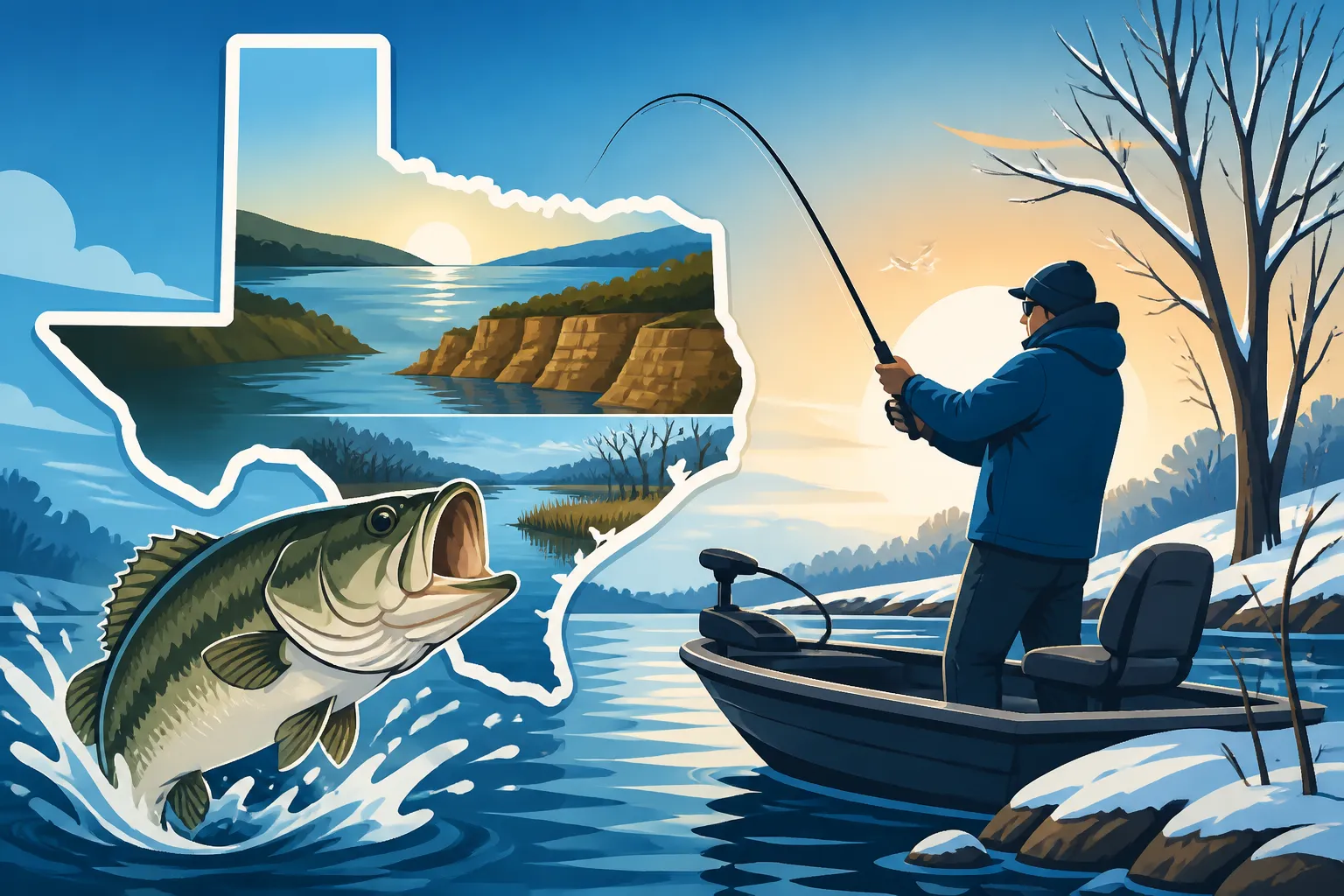
The Texas winter, while often milder than up north, can still present a challenge for anglers. Those crisp mornings and cooler water temperatures mean our finned friends change their habits, moving to different depths and becoming a bit more selective about what they'll bite. It's frustrating to head out to your usual summer hotspot only to find it deserted. This guide is here to ensure your winter fishing trips are productive and enjoyable, spotlighting some of the best places across the Lone Star State where you can still find incredible action when the mercury drops.
Chasing Winter Bass in Texas Lakes
When the water cools down, largemouth bass tend to follow baitfish into deeper, more stable water. They become less active, conserving energy, so your approach needs to shift from aggressive power fishing to slower, more methodical presentations. But don't let that deter you; winter can be prime time for catching genuinely large bass, as they're often grouped up.
Deepwater Bass Havens
Certain Texas lakes are renowned for their consistent deepwater fishing, even in the coldest months. These reservoirs typically have abundant structure and forage in their deeper sections, providing refuge for bass.
One such gem is Lake Fork, famous for its trophy largemouth bass. In winter, instead of targeting shallow cover, you'll want to focus on main lake points, creek channels, and submerged roadbeds, often in 15-30 feet of water. Big football jigs, deep-diving crankbaits, and slow-rolled swimbaits are excellent choices. The bass here often gang up, so if you find one, chances are there are more nearby. Lake Fork's reputation for giant bass means anglers are always hopeful for a personal best, even when the weather is chilly. Another excellent choice is Sam Rayburn Reservoir. Similar to Fork, winter fishing here means looking for fish in deeper creek channels and around the edges of submerged timber. Electronics become your best friend, helping you locate schools of baitfish and the bass lurking beneath them. A lot of seasoned anglers will tell you that patience and a slow hand are key to coaxing bites from winter bass in these renowned lakes.
Mid-Depth Reservoir Strategies
Not all winter bass fishing has to be super deep. Many reservoirs offer excellent opportunities in the mid-depth ranges, especially during stable weather patterns or after a few days of sunshine.
Consider Lake Conroe near Houston. While it's great year-round, winter can see impressive catches of both largemouth and even some hybrid striped bass. Look for areas with a mix of deep water access and secondary points or humps in 10-20 feet. Bass often relate to these transitional zones where they can quickly move deeper or shallower depending on light and temperature. Jigging spoons, Alabama rigs, and even some finesse presentations like a drop shot rig can be incredibly effective here. The key is to present your bait slowly and let it sit in the strike zone longer. Also, Lake Palestine offers a fantastic winter bite, especially for crappie, but its bass fishing shouldn't be overlooked. Focus on the main lake ledges and creek channels, particularly those with brush piles or stumps. Local guides often have honey holes in these areas, and it's worth considering a trip with one to learn the ropes, or checking out platforms like FishingBooker to find experienced pros who can put you on the fish. You can learn more about specific bass tactics in our detailed How to Catch Bass in Winter in Texas guide.
Productive Winter Catfish and Crappie Hotspots
While bass often steal the spotlight, winter is an incredible time for targeting catfish and crappie in Texas. These species remain active, often schooling up tightly, making for some truly memorable days on the water.
Deep Channel Catfish Action
Catfish are hearty eaters year-round, and winter is no exception. They tend to congregate in deep holes and channels, especially in major river systems and large reservoirs.
The Trinity River, particularly downstream from Lake Livingston, is a fantastic winter destination for blue and channel catfish. The fish stack up in the deepest scour holes and bends, escaping the cold currents. Using cut bait, stink bait, or even live perch on trotlines or juglines can yield impressive catches. These aren't just small catfish either; the Trinity is known for producing some absolute monster blue cats. Just remember to check the Texas Trotline and Jugline Rules to ensure you're compliant. Similarly, Lake Livingston itself offers exceptional winter catfishing, with large numbers of blue and channel catfish holding in the main river channel and around submerged timber in deeper areas. A common strategy is to anchor upcurrent from a deep hole and let baits drift into it, or use a fish finder to locate schools directly.
Crappie Slabs in Cooler Waters
Crappie fishing often hits its stride in the cooler months. These "slab" crappie are usually concentrated around structure in deeper water, making them easier to target once you find them.
Lake Fork again shines for crappie in winter. Anglers target brush piles, submerged timber, and bridge pilings in 15-30 feet of water. Small jigs (1/16 to 1/8 oz) tipped with a minnow or soft plastic are deadly. The key is a slow, vertical presentation, often bumping the structure gently to entice a bite. You might have to try several depths around a single structure to find where the crappie are holding. Another incredible crappie destination is Cedar Creek Reservoir. This lake is often overlooked but produces consistently good crappie catches through the winter. Look for deep brush piles and stake beds, particularly those near creek channels or main lake points. Spider rigging with multiple rods at different depths is a popular and effective technique here, allowing you to cover a wider water column and pinpoint the fish. You can dive deeper into catching these tasty fish with our Texas Crappie Fishing Guide.
Coastal Winter Wonders: Redfish, Speckled Trout, and Flounder
While freshwater fishing slows its pace, the Texas Gulf Coast often offers some of the most consistent and exciting winter fishing opportunities. The slightly warmer bay waters and the migration patterns of key species make it a prime time for saltwater anglers.
Speckled Trout and Redfish in the Bays
When northern fronts blow through, speckled trout and redfish will often seek refuge in deeper channels, bayous, and protected coves where water temperatures are more stable.
Galveston Bay is a fantastic winter destination. Speckled trout will often congregate in deep cuts, turning basins, and near structure like oyster reefs or pier pilings. Slow-sinking baits like MirrOlures or soft plastics rigged under a popping cork or on a jig head are highly effective. The key is to work your lures very slowly, mimicking a stunned baitfish. Redfish, always a powerful fight, can be found in deeper guts, around jetties, and in shallow, muddy back lakes that warm up faster on sunny days. Focus on the mud flats in areas like West Galveston Bay, where the darker bottom absorbs heat, drawing in baitfish and hungry reds. Finding a local guide through FishingBooker can be incredibly helpful for navigating the winter nuances of these complex bay systems. For specific details on coastal limits, be sure to consult Texas Saltwater Bag Limits by Species.
Flounder and Jetty Fishing
Winter also brings a unique opportunity for flounder, though their season can be restricted, and consistent jetty action for a variety of species.
The annual fall flounder run sees these flatfish migrating offshore, but good numbers can still be found in the bays and near passes through early winter, depending on regulations and temperature. Look for them lying in sandy depressions near structures, especially around passes and drains. Gigging is a popular technique during open seasons, but rod and reel anglers can find success with live mud minnows or Gulp! shrimp on a bottom rig. Additionally, the major jetties, like those at Port Aransas or Galveston, provide excellent winter fishing. The deep water and structure attract a variety of species seeking refuge, including sheepshead, drum, and even some oversized redfish. Fishing with dead shrimp, cut bait, or even fiddler crabs can be very productive. The key is to dress warmly and pick a day with lighter winds, as the jetties can be exposed.
Table of Top Texas Winter Fishing Spots and Target Species
To give you a quick overview, here's a table summarizing some of the best winter fishing spots and the primary species you can expect to target in each. This should help you plan your next cold-weather outing.
| Fishing Spot | Primary Target Species (Winter) | Typical Winter Depth/Habitat | Recommended Bait/Lure (Winter) | Key Winter Strategy |
|---|---|---|---|---|
| Lake Fork | Largemouth Bass, Crappie | Deep creek channels, brush piles | Jigs, deep crankbaits, minnows | Slow presentations, vertical jigging, electronics |
| Sam Rayburn Reservoir | Largemouth Bass, Catfish | Main lake points, submerged timber | Jigs, Carolina rigs, cut bait | Locate bait schools, patience with slow retrieves |
| Trinity River (Lower) | Blue Catfish, Channel Catfish | Deep holes, river bends | Cut bait, stink bait, live perch | Trotlines, juglines, bottom fishing |
| Lake Livingston | Blue Catfish, Crappie | River channel, deep timber, brush | Cut bait, jigs, minnows | Anchor upcurrent, spider rigging for crappie |
| Galveston Bay | Speckled Trout, Redfish | Deep channels, mud flats, jetties | MirrOlures, soft plastics, live bait | Slow retrieves, target warm mud, jigging |
| Port Aransas Jetties | Redfish, Sheepshead, Drum | Deep rocks, tidal currents | Dead shrimp, fiddler crabs, cut bait | Bottom fishing, heavy tackle |
| Guadalupe River | Rainbow Trout | Runs, riffles, deep pools | Flies, PowerBait, corn | Float fishing, fly fishing, target stocked areas |
Stocked Trout and Other Cool-Weather Opportunities
Beyond the major game fish, Texas Parks and Wildlife Department (TPWD) does an amazing job stocking rainbow trout in various community lakes and rivers during the cooler months, providing an accessible and fun winter fishing experience for everyone.
Winter Trout Stockings
The TPWD's Neighborhood Fishin' Program and various river stockings mean you don't always have to travel far to find excellent winter fishing. These efforts bring thousands of rainbow trout to waters that would otherwise be unproductive for cold-water species.
The Guadalupe River, especially the section below Canyon Lake Dam, is a premier trout fishery in Texas, maintained by cold-water releases from the dam and regular stockings. Here, fly fishing is incredibly popular, with anglers targeting runs and riffles with nymphs, streamers, and dry flies on warmer days. Spin fishing with small spinners or PowerBait is also highly effective. It’s a truly unique cold-water experience in the heart of Texas's Hill Country. Beyond the Guadalupe, numerous smaller ponds and urban lakes around cities like Dallas, Fort Worth, Houston, and San Antonio receive winter trout stockings. These are fantastic spots for families and beginners. You can find out more about these specific stockings by checking the TPWD website, but generally, small inline spinners, corn, or PowerBait fished on light tackle will do the trick. These programs are often highlighted on the Texas Fishing Seasons Month by Month guide, showing how diverse our winter fishing can be.
Targeting Less Common Species
Sometimes, the best winter fishing means expanding your horizons beyond the usual suspects. Crappie, white bass, and even some panfish can provide consistent action in winter.
When the white bass run kicks off in late winter/early spring, areas upstream on major rivers like the Trinity or the Brazos become alive with schooling white bass. These fish are incredibly aggressive and can provide non-stop action, often biting small spinners, sassy shads, or jigs. While the peak "run" is usually closer to February or March, savvy anglers can find early schools in deeper river bends during cold spells. Additionally, don't overlook common panfish like bluegill or sunfish, especially in smaller ponds or the backwaters of larger lakes. While they won't typically bite as aggressively as in summer, they still offer a fun challenge and are perfect for introducing kids to fishing. A small piece of worm under a bobber can often find you a willing panfish, even on a chilly day. Remember, you still need to adhere to Texas Freshwater Fishing Regulations and bag limits for these species.
Disclaimer
Fishing conditions, regulations, and fish behavior can change rapidly due to weather, water levels, and stocking schedules. Always consult the official Texas Parks and Wildlife Department (TPWD) website for the most current regulations, licensing requirements, and stocking information before heading out on your trip. This guide is for informational purposes only and does not supersede official state regulations. Tight lines and stay warm out there!