Trinity River catfish fishing spots
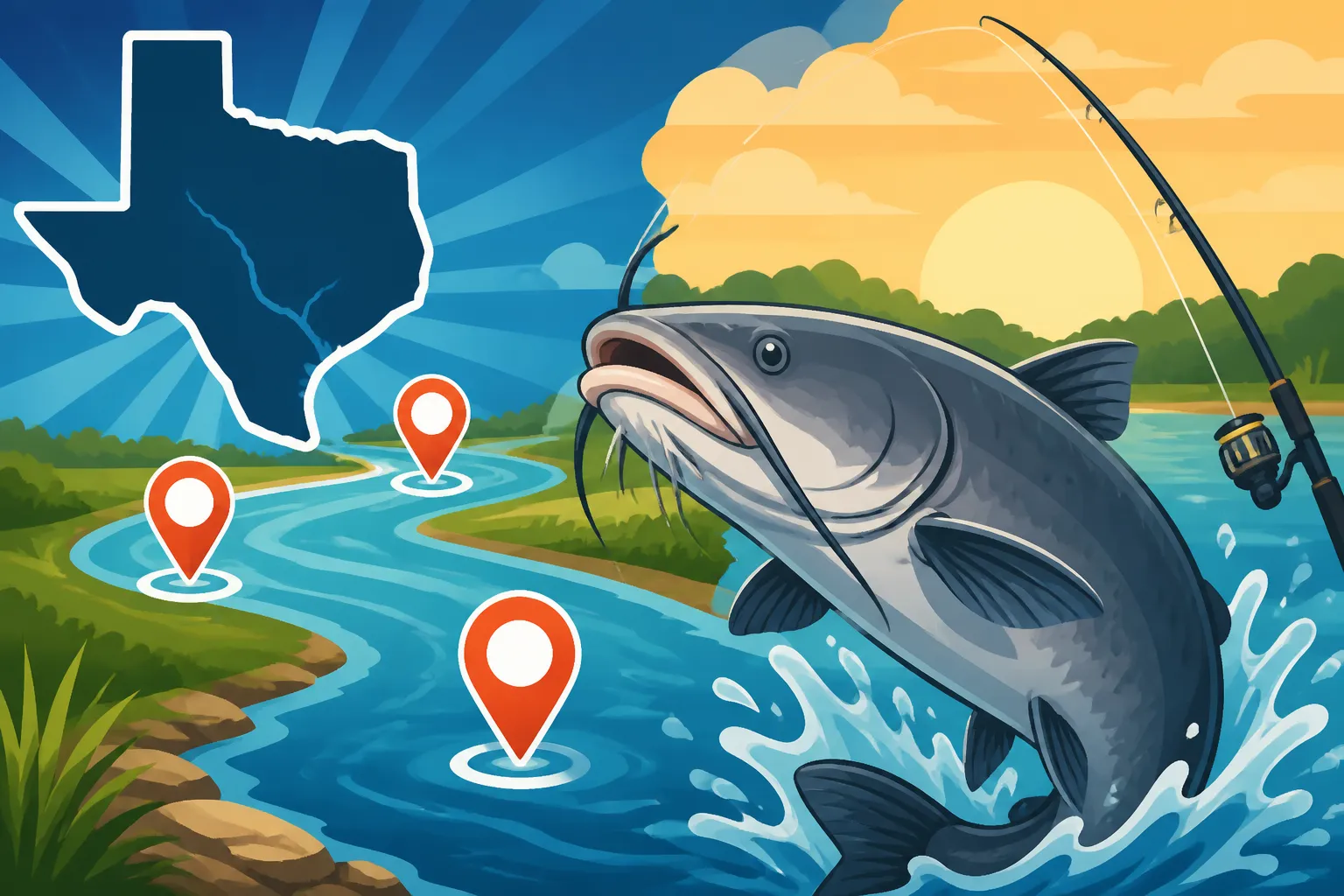
Trying to find prime catfish spots on the massive Trinity River can feel like an overwhelming task, especially when you're just staring at a map of its incredible 710-mile journey across Texas. This comprehensive guide is here to cut through the confusion, offering practical advice and local insights that will point you directly to the best places for reeling in those hard-fighting blue, channel, and flathead catfish along the Trinity's expansive stretch.
Understanding the Trinity River for Catfish
The Trinity River isn't just one long, uniform waterway; it's a dynamic system that changes dramatically from its headwaters in North Texas to where it empties into Galveston Bay. Understanding these diverse environments is key to consistently finding catfish, as different species prefer different conditions.
The Mighty Trinity's Diverse Habitats
From its numerous forks near Dallas and Fort Worth, the Trinity flows through varied landscapes, offering a smorgasbord of habitats for catfish. Upstream, you'll find narrower, more channelized sections, often with clearer water and rocky bottoms, especially near its tributary lakes like Lake Lewisville and Lake Ray Roberts. As it moves south, the river widens, slows, and becomes more meandering, carving out deep bends and oxbow lakes. Here, the bottom is often silty or sandy, with an abundance of woody debris, fallen trees, and mudflats – all prime catfish territory.
Further downstream, especially below Lake Livingston, the Trinity transforms into a sprawling, often marshy system, influenced by tidal movements and eventually blending into the brackish waters of Trinity Bay. This lower stretch has vast floodplains, bayous, and slow-moving sloughs. Each of these distinct environments holds different types of catfish and requires slightly different approaches. The river's flow can also fluctuate dramatically depending on rainfall, impacting water clarity and current, which are critical factors for active catfish.
Seasonal Patterns and Catfish Movement
Catfish, much like other species, have predictable seasonal movements that can significantly influence where you find them along the Trinity. In the cooler months of late fall and winter, blue and channel catfish often school up in deep holes, bends, and slow-moving pools, seeking stable water temperatures and ambush points for passing baitfish. During these times, targeting the deepest parts of the river, especially near drops or submerged structure, can be incredibly productive.
As spring arrives and water temperatures begin to climb, catfish become more active and start moving towards shallower areas to spawn. You'll often find them congregating around submerged logs, brush piles, rocky banks, or even undercut banks in moderate current. This is when they're particularly aggressive, making it a fantastic time to target them with a variety of baits. For a deeper dive into the specific movements and feeding patterns, our guide on How to Catch Catfish in Texas can offer even more tailored advice. Summer fishing on the Trinity usually means catfish retreating to deeper, cooler water during the heat of the day, often becoming most active in the low-light hours of dawn, dusk, or even throughout the night.
Key Catfish Species in the Trinity and Where to Find Them
The Trinity River is a catfish angler's paradise, boasting healthy populations of blue, channel, and flathead catfish. Each species has its preferred haunts and habits, understanding which will help you dial in your efforts. For a complete understanding of these fish, check out our comprehensive Texas Catfish Species Guide.
Blue Catfish Hotspots
Blue catfish are the undisputed heavyweight champions of the Trinity, known for their immense size and incredible fighting power. These fish thrive in large, open river channels with strong currents and abundant baitfish. Look for them in the deeper stretches of the main river, especially below dams and major impoundments like Lake Livingston, where water releases create significant current. The areas around navigation locks and dams, particularly below the Lake Livingston Dam near Goodrich, are legendary for trophy blue cats. Deep holes, sharp bends where the current sweeps along an undercut bank, and submerged timber are all prime locations.
You'll also find excellent blue catfishing in the lower Trinity River and its associated bayous as it approaches Trinity Bay, particularly in the Anahuac and Liberty areas. Here, the tidal influence brings in a steady supply of brackish water baitfish, and the expansive open water provides ample room for these nomadic giants. Many local guides, often found through platforms like FishingBooker, specialize in these areas and can offer invaluable insights into current patterns and hot spots. Targeting these behemoths requires robust gear and a patient approach, often with large cut bait.
Channel Catfish Abundance
Channel catfish are the most widespread and arguably the most popular catfish in the Trinity River, known for their eager bite and delicious table fare. Unlike their blue cat cousins, channel cats are more tolerant of a wider range of habitats, thriving in both swift currents and slower-moving waters, and are often found in tributaries and smaller creeks feeding into the main river. You'll encounter them from the upper reaches of the river near Dallas and Fort Worth, through the central sections, and all the way down to the coastal plains.
The key to finding channel cats is often to look for areas with structure and moderate cover. This includes brush piles, fallen trees, log jams, and even rocky riprap along bridge abutments and bank stabilization projects. They love to cruise along channel edges and drops where they can ambush smaller prey. Accessible bank fishing spots in city parks along the river, such as those within the Fort Worth Trinity Trails system or public access points in Dallas and Corsicana, are fantastic for channel cats. They're opportunistic feeders, making them relatively easy to catch with a variety of natural baits. For detailed identification, refer to our Texas Channel Catfish Identification Guide.
Flathead Catfish Haunts
Flathead catfish are the elusive, solitary predators of the Trinity. Unlike blue and channel cats, which often school, flatheads prefer to lie in wait, typically ambushing live prey. They favor woody cover – think massive log jams, deep-water brush piles, and undercut banks with significant overhead structure. You'll often find them in slower-moving sections of the river, especially around deep holes adjacent to heavy cover, or in the slack water just downstream from a current break. They are less common in the brackish lower river, preferring the freshwater stretches upstream.
The central and upper sections of the Trinity, particularly around cities like Palestine, Oakwood, and even stretches within the Dallas floodway system, can hold impressive flatheads if you know where to look. Their preference for live bait, such as sunfish, perch, or small carp, makes them a different challenge to target. While they are powerful fighters, their solitary nature means you might have to put in more effort to locate them. Persistence, coupled with a keen eye for prime woody structure, is essential for landing a true Trinity River flathead. Our Texas Flathead Catfish Identification Guide can help you distinguish them from other species.
Top Trinity River Catfish Fishing Spots
The sheer length of the Trinity River means there are countless potential catfish spots. Let's break down some of the most productive and accessible areas from north to south.
Upstream Tributaries and Reservoirs
The Trinity River's journey starts with several forks, eventually feeding major reservoirs before coalescing into the main channel. These areas offer distinct catfish opportunities.
- Lake Lewisville Outflow & Upper Trinity Forks (Near Dallas/Fort Worth): The outflow from Lake Lewisville dam into the Elm Fork of the Trinity can be fantastic, especially for blue and channel catfish. The increased current and cooler water create an ideal feeding zone. Further upstream, the Elm Fork and West Fork of the Trinity, particularly along the Fort Worth Trinity Trails, offer numerous access points for bank anglers. These urban stretches are regularly stocked and managed, providing consistent channel cat action, and occasionally surprise blue cats, especially during periods of higher flow. Public parks like those in Fort Worth, or access points near the Dallas Floodway Extension, are excellent starting points. Remember to check local city ordinances regarding fishing within park boundaries.
- Lake Ray Roberts Tailrace (Near Sanger): While not directly on the main Trinity, the Elm Fork below Lake Ray Roberts Dam is another highly productive area. Similar to Lake Lewisville, the dam releases create strong currents and deep pools that attract large blue and channel catfish. This area is known for strong currents, so be prepared with heavy tackle and secure footing if bank fishing. It's a bit further north, but it's a vital part of the Trinity's headwaters system and offers incredible opportunities.
Mid-River Accessible Banks and Parks
As the Trinity flows south through Central Texas, it becomes more defined, with numerous towns and cities providing access.
- Richland Chambers Reservoir and Cedar Creek Lake Tributaries: While these are separate reservoirs, their outflows and connecting creeks that eventually feed into the main Trinity are often overlooked hotspots. The inflowing and outflowing waters concentrate baitfish, drawing in all three species of catfish. Fishing bridges where these creeks cross roads can be particularly productive. The main stem of the Trinity itself, between these lakes and Lake Livingston, offers extensive, often remote, bank access. Look for county road crossings and small boat ramps.
- Palestinian & Riverside Stretches: The river around Palestine and Riverside offers classic mid-river fishing. Here, the river meanders, creating numerous deep bends, log jams, and sandbars. Public access is available at several points, including some county parks and bridge crossings. This area is particularly good for flathead catfish due to the abundance of woody structure, as well as decent numbers of channel and blue cats. If you're looking to explore deeper into the river's character, consider using a fishing charter service. You can often find local experts offering guided trips on this stretch through platforms like FishingBooker, which can be invaluable for navigating unfamiliar territory and locating those prime hidden spots.
- Texas State Highway 7 Bridge (Near Crockett): This bridge offers accessible bank fishing and often serves as a landmark for boaters. The pilings and surrounding structure attract catfish, and the deeper water in the main channel is a consistent producer. Always be mindful of safety when fishing near bridges with traffic. For those preferring to fish from shore, knowing Where to Buy a Texas Fishing License In Person might be useful before heading out.
Lower Trinity and Coastal Plains
The Trinity's final leg before the Gulf offers a unique, often vast, and highly productive fishery.
- Lake Livingston Tailrace & Below (Near Goodrich/Liberty): The area directly below the Lake Livingston Dam is legendary. Constant water releases attract an incredible number of blue and channel catfish. The current is strong, and the depths vary significantly. Further downstream, as the river passes through towns like Liberty, the water becomes wider and influenced by tides. This entire stretch is a blue catfish paradise, with fish frequently exceeding 50 pounds. Look for deep holes, old river channels, and submerged timber. Public boat ramps and some designated bank access areas are available in this region.
- Trinity River National Wildlife Refuge & Anahuac Area: As the Trinity approaches Trinity Bay, it spreads out into a massive delta system, including the Trinity River National Wildlife Refuge. This expansive area is a labyrinth of bayous, sloughs, and marshes, all interconnected with the main river. The brackish water here is exceptional for blue catfish, which tolerate salinity well, and you'll find plenty of robust channel cats too. Access can be challenging, often requiring a boat, but the rewards are substantial. Areas around the town of Anahuac, including public boat ramps and fishing piers along the bayous, offer excellent opportunities. This truly exemplifies some of the Best Places to Fish in Texas for big cats.
Essential Techniques and Gear for Trinity Catfish
Successfully landing catfish on the Trinity River requires the right approach and equipment, especially given the potential for truly massive fish.
Baiting Strategies for Trinity Catfish
When it comes to catfish, bait is king, and the Trinity offers plenty of options. For blue and channel catfish, fresh cut bait is often the most effective. Shad, carp, and mullet are top choices, as they are native to the river and what the catfish naturally feed on. A common strategy involves using a variety of cut bait sizes, from small chunks for channel cats to large fillets or even whole small fish for trophy blue cats. Prepared stink baits, punch baits, and chicken livers can also be incredibly effective for channel catfish, especially in slower-moving or urban areas.
Flathead catfish, being ambush predators, almost exclusively prefer live bait. Small sunfish, perch, or sturdy baitfish like bullheads are excellent options. Presenting live bait effectively means hooking it in a way that allows it to swim naturally and attract attention without tearing off. For a deeper dive into the best options, our guide on Best Bait and Lures for Texas Fishing has more specific recommendations. Always ensure your bait is fresh and lively for flatheads, as they are less likely to strike anything artificial or stale.
Recommended Rods, Reels, and Line
For the Trinity River's catfish, you'll need gear that can handle the power of these fish and the rugged river environment.
| Catfish Species | Rod Power & Action | Reel Size | Line Type & Weight | Hook Size | Sinkers/Weights |
|---|---|---|---|---|---|
| Channel Catfish | Medium to Medium-Heavy, Moderate-Fast Action | 3000-5000 Spinning or 40-50 Baitcaster | 15-25 lb Mono or Braid | 2/0 – 5/0 Circle or J-hook | 1/2 oz – 2 oz Egg, Pyramid |
| Blue Catfish | Heavy to Extra-Heavy, Moderate Action | 5000-8000 Spinning or 60-80 Baitcaster | 30-80 lb Braid (with 30-50 lb Mono leader) | 6/0 – 10/0 Circle Hook | 3 oz – 8 oz Pyramid, No-Roll |
| Flathead Catfish | Heavy to Extra-Heavy, Moderate Action | 6000-8000 Spinning or 60-80 Baitcaster | 30-60 lb Mono or 50-100 lb Braid (with heavy Mono leader) | 8/0 – 12/0 Circle Hook | 2 oz – 6 oz Egg, No-Roll |
- Rods: For channel catfish, a medium-heavy rod around 7-8 feet is versatile. For blue and flathead catfish, especially those trophy-sized fish, you'll want heavy to extra-heavy power rods, 7-10 feet in length, with a moderate action to absorb powerful runs. Fiberglass or composite rods are often preferred for their durability and forgiveness. You can find excellent options by checking out our guide on Best Rods for Texas Catfish Fishing.
- Reels: Durable spinning reels in the 5000-8000 size range or heavy-duty baitcasting reels (like Ambassadeur 6000-8000 series or similar) with strong drags are essential. Make sure your reel has ample line capacity.
- Line: For channel catfish, 15-25 lb monofilament or braided line is usually sufficient. For blue and flathead cats, especially in areas with snags, braided line of 50-80 lb test is recommended for its strength and abrasion resistance, often paired with a monofilament or fluorocarbon leader. When learning How to rig cut bait for catfish, strong line is a must.
Rigging typically involves a simple Carolina rig or a three-way swivel rig to keep your bait near the bottom. Always use circle hooks when fishing with natural bait, as they are far less likely to deep-hook a fish, making for easier release and better fish survival, especially crucial for species you plan to release.
Safety and Regulations on the River
Fishing on the Trinity, like any large river system, requires attention to safety and adherence to local regulations. Always be aware of changing weather conditions, especially sudden thunderstorms that can cause rapid rises in water levels and strong currents. If fishing from a boat, ensure all required safety equipment, including life jackets, is on board and accessible.
Before you cast a line, make sure you have a valid Texas Fishing License Requirements Explained. There are specific Texas Freshwater Fishing Regulations and Texas Fish Bag and Length Limits for each species of catfish. These limits can vary by water body, so always consult the current Texas Parks and Wildlife Department (TPWD) Outdoor Annual. Pay close attention to trotline and jugline rules if you plan to use those methods, as there are strict guidelines for gear tagging and usage, which you can read more about in Texas Trotline and Jugline Rules. Ignorance of the law is no excuse, and wardens patrol the Trinity actively.
Disclaimer
Fishing conditions and regulations in Texas can change. Always consult the latest Texas Parks and Wildlife Department (TPWD) Outdoor Annual for the most up-to-date information on licenses, bag limits, and specific water body regulations before you head out on the water. Stay safe and enjoy your time on the Trinity!