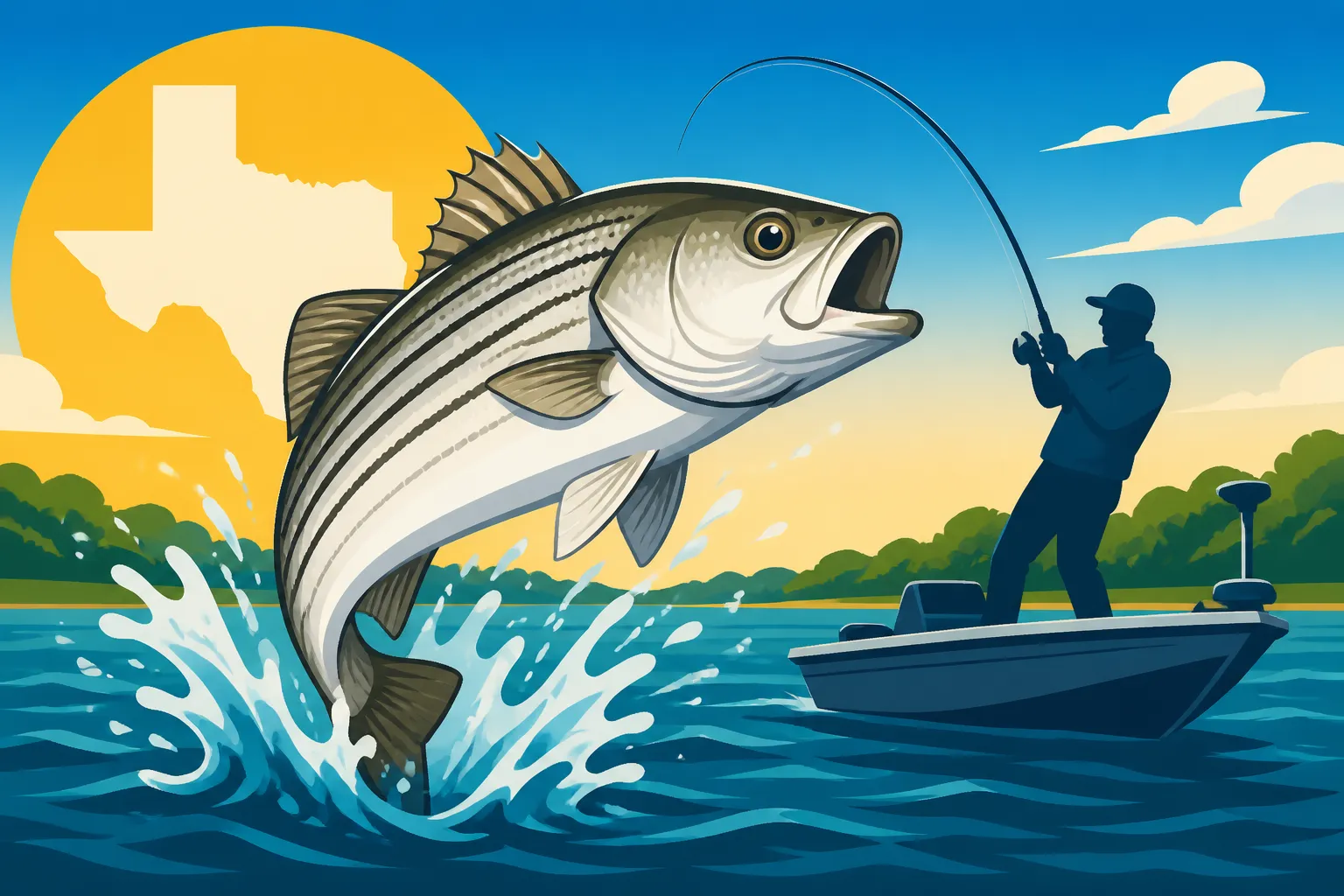
Richland Chambers Reservoir striper fishing
Trying to dial in on the elusive striped bass can be one of the most exciting, yet frustrating, pursuits for any angler in Texas. You've heard the whispers about Richland Chambers Reservoir holding some truly impressive stripers, but getting them to bite consistently can feel like cracking a secret code. This guide is dedicated to pulling back the curtain on striper fishing in this massive North Texas lake, offering deep insights into where to find them, what techniques actually work, and how to overcome the common challenges that keep many anglers from filling their cooler.
Richland Chambers Reservoir: A Striper Haven with Unique Challenges
Richland Chambers Reservoir isn't just another big lake; it's a behemoth that can feel intimidating if you don't know where to start. Situated in Navarro and Freestone counties, this reservoir covers over 41,000 acres, making it one of the largest inland lakes in Texas. Its sheer size, coupled with its diverse underwater terrain, provides an incredible habitat for striped bass, but it also means there's a lot of water to cover and a lot of factors to consider.
The Layout and Structure of Richland Chambers
Unlike some other Texas lakes that might be known for their dense timber or clear rocky coves, Richland Chambers offers a mixed bag, which is precisely why it's so appealing to stripers. The lake was formed by impounding the Richland and Chambers Creeks, and this dual creek system creates distinct arms and deep channels that serve as natural highways for schooling fish. You'll find expansive open water areas, especially in the central and lower portions of the lake, alongside submerged creek beds, points, and humps. The average depth hovers around 25-30 feet, but there are areas plunging well over 70 feet deep, particularly near the dam and along the old creek channels. This varied topography is critical because stripers are constantly on the move, chasing baitfish, and their location will often depend on the time of year and prevailing conditions. For instance, knowing the best boat for a shallow Texas lake won't do you much good if the stripers are holding in the deep main lake channels.
Why Stripers Thrive in This North Texas Lake
Striped bass require specific conditions to truly flourish, and Richland Chambers provides them in spades. First, the lake boasts an abundant forage base, primarily gizzard shad and threadfin shad, which are the main diet for these predatory fish. Where the bait goes, the stripers follow. Second, Richland Chambers is a power-generation lake, meaning the water levels can fluctuate, and the movement of water can create current, which stripers absolutely love. This current often concentrates baitfish and, consequently, the game fish. Third, the lake has sufficient oxygenated deep water during the oppressive Texas summers. Many shallower lakes struggle with oxygen depletion in their deeper sections when temperatures soar, but Richland Chambers generally maintains healthy conditions, allowing stripers to retreat to cooler, more comfortable depths, unlike some other species like the Texas Largemouth Bass which might seek different types of cover. This makes it a consistent producer even when other lakes might be suffering.
Common Frustrations for New Striper Anglers Here
Let's be real, striper fishing on a lake as vast as Richland Chambers can be incredibly frustrating, especially for newcomers. The biggest hurdle is often just finding the fish. Stripers are nomadic; they don't sit in one spot waiting to be caught. One day they might be busting the surface in a feeding frenzy, and the next they've vanished into the depths, requiring a completely different approach. This constant movement means relying on old fishing reports too heavily can lead to disappointment. Another common frustration is the sheer number of techniques that can work, which can feel overwhelming. Do you troll? Do you cast? Do you use live bait? The answer often depends on the specific conditions of that day, and adapting quickly is key. Lastly, the weather in Texas can be unpredictable, especially with sudden cold fronts or intense heat, which significantly impacts striper behavior. You might have all the right gear, but if you don't understand how these elements affect the fish, you'll be fighting an uphill battle.
Mastering the Hunt for Stripers: Techniques, Baits, and Lures
Successfully catching striped bass on Richland Chambers involves a blend of tried-and-true methods and a willingness to adapt. These powerful fish aren't always easy to fool, but with the right approach to baits, lures, and presentation, you can significantly increase your chances of success.
Live Bait Dominance: Shad and Beyond
When it comes to consistent striper action on Richland Chambers, live bait reigns supreme. There's just something about a struggling live shad that a striper can't resist. Gizzard and threadfin shad are the preferred choice, and if you can catch your own with a cast net, you'll have a significant advantage. Fresh, lively bait is paramount; sluggish shad rarely entice a bite.
Typically, anglers will fish live shad on a Carolina rig or a free-line setup. For a Carolina rig, you'll use a sinker (often 1-3 ounces depending on depth and current), a swivel, and a leader (2-4 feet of 20-30 lb fluorocarbon is common) ending with a 3/0 to 6/0 circle hook. This allows the shad to swim naturally near the bottom or at a suspended depth. Free-lining involves simply hooking the shad (through the nose or back, carefully) and letting it swim freely with little or no weight, which is excellent for schooling fish near the surface or when drifting over structure. You can also deploy a spread of several rods at different depths from a boat, sometimes employing planer boards to spread your lines out. Remember to always use appropriate gear, as discussed in our Best Fishing Rods for Texas Anglers guide, to handle the powerful runs of a striper. For deeper insights into bait selection, check out our general guide on Best Bait and Lures for Texas Fishing.
Artificial Lures for Active Stripers
While live bait is often the most productive, artificial lures certainly have their place, especially when stripers are actively chasing baitfish near the surface or are concentrated in specific areas. The key here is to mimic the primary forage: shad.
- Topwater Plugs: When stripers are "blowing up" on baitfish at dawn or dusk, nothing beats the explosive strike on a large topwater plug. Chuggers, poppers, and walking baits in shad patterns can be incredibly effective. The visual thrill of a striper smashing a topwater lure is unmatched.
- Spoons: Heavy jigging spoons, like those from Sassy Shad or Johnson, in silver, chrome, or white are fantastic for vertical jigging over deep schools marked on your fish finder. Drop them down, snap them up, and let them flutter. This technique is particularly deadly in colder months or when fish are holding tight to structure.
- Swimbaits and Soft Plastics: Paddletail swimbaits rigged on jig heads (1/2 oz to 2 oz) are versatile. Cast them out and retrieve with a steady motion, or let them sink and jig them. Colors mimicking shad, like white, pearl, or silver, are best. Brands like Bass Assassin and Keitech make excellent options.
- Lipless Crankbaits and Jerkbaits: These can be great for covering water quickly and eliciting reaction strikes. Lipless crankbaits are particularly good when retrieved through schooling bait or over submerged grass beds. Jerkbaits, with their erratic darting action, can trigger strikes from suspended fish.
Trolling Strategies for Covering Water
Trolling is a highly effective way to cover vast amounts of water on Richland Chambers and find those elusive striper schools. It allows you to present multiple baits at different depths simultaneously, increasing your chances of intercepting actively feeding fish.
The most common trolling setup involves using umbrella rigs, deep-diving crankbaits, or Sassy Shad-style swimbaits. Umbrella rigs, which are essentially multiple lures attached to a wire frame, imitate a school of baitfish and can be incredibly enticing. Deep-diving crankbaits (like those from Norman, Rapala, or Berkley) in shad patterns can reach depths of 15-30 feet or more, depending on the model and line used. For those who want to get their lures even deeper without heavy weights on every line, downriggers are a game-changer. These devices allow you to precisely control the depth of your lures, keeping them in the striper's strike zone as you motor along. When considering your setup, remember that Texas Boat Registration Requirements are essential to ensure you're legally ready to hit the water. Pay close attention to your speed; often, a slower troll (2-3 mph) is more productive, but sometimes a faster pace can trigger strikes from aggressive fish. Varying your speed and making subtle turns can also make a big difference, causing your lures to speed up, slow down, or change depth erratically, mimicking fleeing bait.
Locating Striped Bass Through the Seasons
Finding stripers on Richland Chambers is less about a single "secret spot" and more about understanding their seasonal movements and behaviors. These fish are constantly adapting to water temperature, oxygen levels, and baitfish availability, which means your approach needs to shift throughout the year.
Springtime Runs and Shallow Water Action
As the waters begin to warm in early spring, usually from March to May, stripers start to become more active and will often move into shallower areas, especially up the main lake arms and creek channels of Richland and Chambers Creeks. This is a fantastic time for anglers because the fish are often more accessible and can even be caught from the bank in certain areas, particularly when following baitfish into these shallower confines.
During this period, look for them staging around points, humps, and submerged timber near the creek channels. They'll be ambushing schools of shad that are also moving into these areas. Topwater lures, shallow-running crankbaits, and swimbaits cast toward visible structure or areas with baitfish activity can be incredibly effective. You might even witness impressive surface boils where stripers are actively crashing bait. If you're drifting live shad, keep your baits shallower than in other seasons, typically 10-25 feet deep, allowing them to swim naturally near schools of bait. The Best Time of Year to Fish in Texas often aligns with these more active periods for various species.
Summer Deepwater Tactics and Thermocline Hunting
Texas summers are brutal, and Richland Chambers is no exception. As water temperatures soar, typically from June through September, stripers retreat to the cooler, more oxygenated depths. This usually means they'll be found in the main lake basin, often correlating with the thermocline – the layer of water where the temperature rapidly changes.
To find them in summer, you'll need your electronics. Look for baitfish schools and arcs of stripers holding anywhere from 30 to 60 feet deep, sometimes even deeper. Trolling with downriggers becomes extremely effective to present lures at these precise depths. Umbrella rigs, deep-diving crankbaits, and heavy spoons are excellent choices. Live bait, particularly large gizzard shad, drifted over these deep schools, is also a go-to method. Early mornings and late evenings might see some fish move shallower or even chase bait to the surface for brief periods, but generally, summer striper fishing on Richland Chambers is a deep-water game. Knowing How to Fish in Hot Texas Summers is not just about comfort, but about understanding fish behavior in these conditions.
Fall Feeding Frenzies and Winter Patterns
Autumn, from late September through November, brings some of the most exciting striper fishing to Richland Chambers. As water temperatures begin to cool, the stripers become incredibly active, entering a "fall feeding frenzy" to pack on weight for the colder months. They'll be chasing baitfish with abandon, often creating spectacular surface boils in the main lake and creek channels.
This is prime time for topwater action, fast retrieves with spoons, and casting swimbaits into breaking fish. Trolling also remains effective as fish spread out. Look for birds diving, which often indicates baitfish being pushed to the surface by stripers below. During this time, the fish might be anywhere from 15 to 40 feet deep, so be prepared to adjust. As winter sets in, from December through February, striper activity slows, but they remain catchable. They tend to school up tightly in deeper water, often around the main lake points, humps, and old creek channels. Vertical jigging with heavy spoons or fishing live shad directly over these tight schools becomes the most productive method. The fish are less active, so a slower, more methodical presentation is key. Keeping an eye on the Texas Fishing Seasons Month by Month can help you anticipate these changes.
Here's a quick overview of seasonal tactics:
| Season | Primary Location | Preferred Techniques | Go-To Baits/Lures | Notes |
|---|---|---|---|---|
| Spring | Shallow creek channels, points, main lake arms | Casting, drifting, light trolling | Topwater, swimbaits, shallow crankbaits, live shad | Active fish, possible surface boils, more accessible |
| Summer | Main lake basin, deep channels, thermocline depths | Trolling, deep vertical jigging, deep drifting | Downriggers, umbrella rigs, deep crankbaits, heavy spoons, live shad | Deepwater game, electronics essential, early/late bites |
| Fall | Main lake, creek channels, widespread areas | Casting, trolling, jigging | Topwater, spoons, swimbaits, lipless crankbaits, live shad | Aggressive feeding, spectacular surface boils |
| Winter | Deep main lake points, humps, creek channels | Vertical jigging, deep drifting | Heavy spoons, live shad | Fish schooled tightly, slower presentation, electronics key |
Essential Gear and Local Wisdom for Success
To truly maximize your success when striper fishing on Richland Chambers, having the right tools and understanding when to lean on local expertise can make all the difference.
Must-Have Electronics and Rod Setups
When you're chasing nomadic fish like stripers on a massive lake, good electronics are not a luxury; they're an absolute necessity. A reliable fish finder with side-imaging and down-imaging capabilities, like those from Humminbird or Garmin, will help you locate baitfish schools and the striper arches below. This is especially crucial for identifying the thermocline in summer or tight winter schools. GPS mapping is also vital for marking productive spots, navigating the lake, and remembering those subtle humps and points that hold fish. Without a clear picture of what's beneath your boat, you're essentially fishing blind. Our guide on Best Fishing Electronics for Texas Anglers can help you choose the right setup.
As for rods and reels, you'll want gear that can handle powerful fish and heavy lures.
- For casting lures: A medium-heavy to heavy action spinning or baitcasting rod (7 to 7.5 feet) with a fast tip is ideal. Pair it with a high-quality reel spooled with 20-30 lb braided line and a fluorocarbon leader.
- For live bait and trolling: Sturdy medium-heavy conventional rods with line-counter reels are excellent, especially when deploying multiple lines at specific depths. Spool these with 20-40 lb monofilament or braid. The strong backbone of these rods will handle the weight of larger sinkers and the powerful runs of a big striper. Don't forget to review Texas Fish Bag and Length Limits to ensure you're compliant with regulations.
The Value of a Local Guide or Charter
I cannot stress this enough: if you're serious about learning Richland Chambers and shortening your learning curve, booking a trip with a local fishing guide is one of the best investments you can make. These guides spend hundreds of days a year on the water, tracking striper movements, understanding seasonal patterns, and knowing the subtle nuances that make a difference. They have the right equipment, the knowledge of where to find bait, and the ability to put you on fish when you might struggle on your own.
A guide can teach you specific techniques for the lake, how to read your electronics effectively, and even where to cast net for shad. It's like getting a masterclass in a single trip. Platforms like FishingBooker are excellent resources for finding experienced striper guides on Richland Chambers. A quick search can reveal reputable guides who specialize in this particular lake, offering half-day or full-day trips. They can take away the frustration of trying to figure it all out on your own and provide an invaluable educational experience, helping you become a more self-sufficient angler in the long run.
Respecting Limits and Conservation Efforts
Richland Chambers Reservoir is a fantastic fishery, and we all want to keep it that way for future generations. That means respecting the regulations set by the Texas Parks and Wildlife Department (TPWD). Always be aware of the current bag and length limits for striped bass. These limits are in place to ensure the long-term health and sustainability of the fishery. Currently, for most Texas lakes, the daily bag limit for striped bass is five fish, and there is no minimum length limit, but always double-check the latest regulations as they can change.
Practicing catch and release, especially for larger breeding fish, is also a great way to contribute to conservation. If you do plan to keep fish, handle them carefully and dispatch them quickly. Have a good cooler with plenty of ice (refer to Best Ice Chests for Keeping Fish Fresh in Texas Heat) to preserve your catch. By being responsible anglers, we can ensure that Richland Chambers continues to be a premier destination for striper fishing in Texas for years to come.
Disclaimer
Please note that fishing regulations, conditions, and fish behavior can change rapidly. Always consult the official Texas Parks and Wildlife Department (TPWD) website or their current Outdoor Annual for the most up-to-date information on fishing licenses, bag limits, and specific regulations for Richland Chambers Reservoir before heading out on the water. This guide is for informational purposes only and should not be considered a substitute for official sources.