What is the most popular game fish in Texas
For many folks who love to cast a line in Texas, there's always a spirited debate: which fish truly holds the title of "most popular"? Whether you're a seasoned angler with decades of experience or just starting out and looking for a good target, understanding the crowd favorites can point you towards some incredible fishing experiences. This comprehensive guide will explore the top contenders for Texas's most popular game fish, diving into what makes them so beloved by anglers across the state, from our sprawling freshwater lakes to our vibrant Gulf Coast.
The Reigning Champion of Texas Freshwater: Largemouth Bass
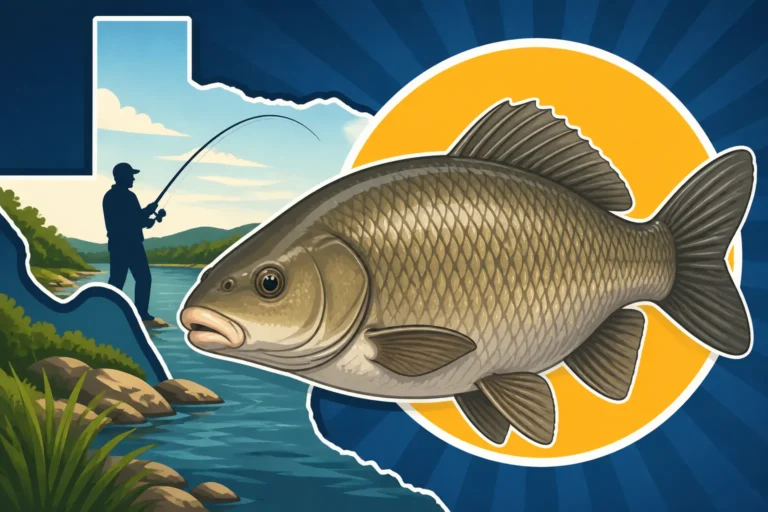
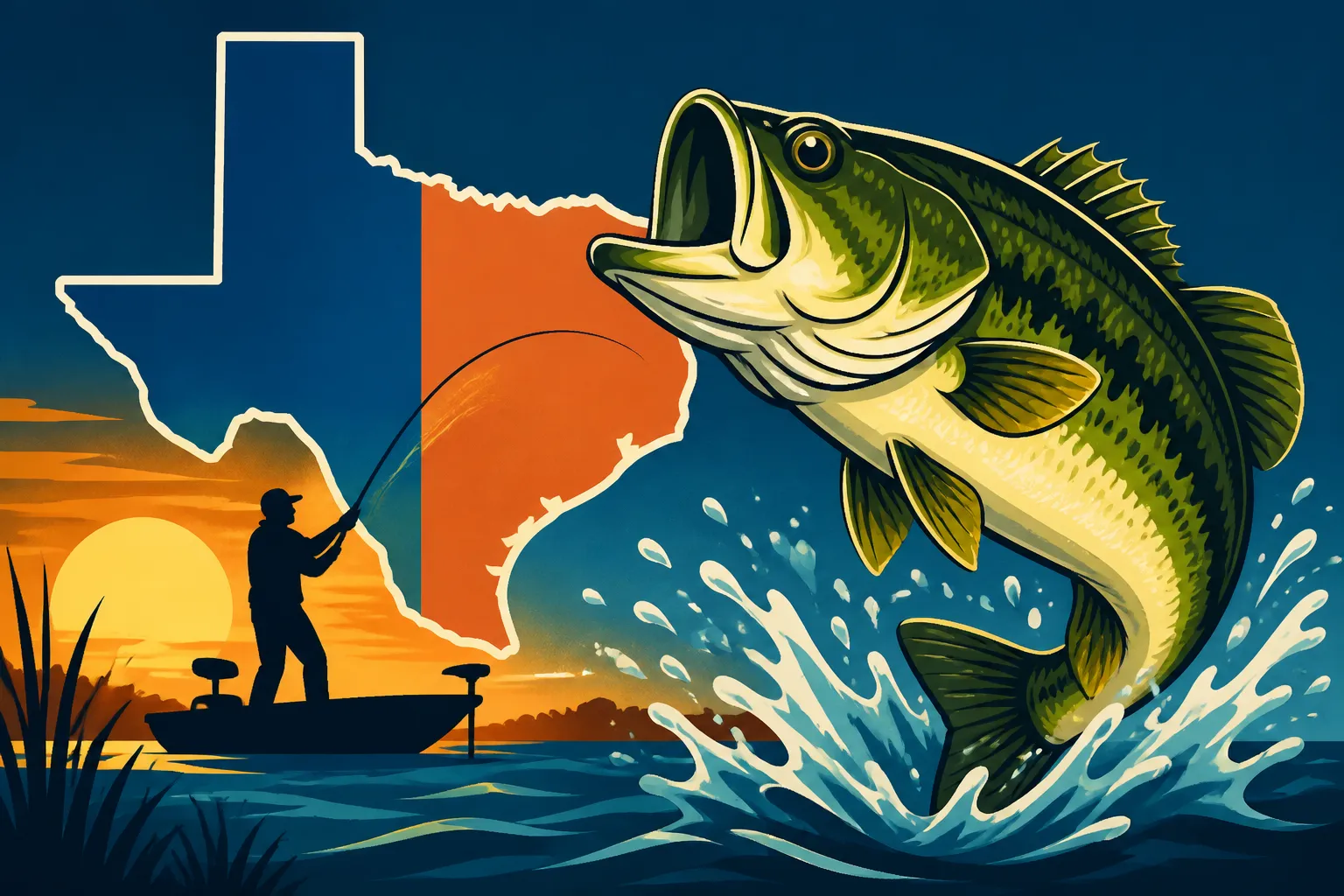
When you think of freshwater fishing in Texas, there's one fish that almost immediately springs to mind for most people: the largemouth bass. These aggressive, hard-fighting fish are the undisputed kings of our lakes and reservoirs, drawing in legions of anglers who chase the thrill of a big bite and the potential for a trophy catch. It's not just their size or fight that makes them popular; it's the entire culture built around bass fishing here in Texas.
Why Largemouth Bass Capture So Many Hearts
The allure of the largemouth bass is multifaceted. For starters, they're found in almost every major body of freshwater across the state, from the legendary waters of Lake Fork and Sam Rayburn Reservoir to smaller community ponds. This widespread availability means that whether you live near a bustling metropolis or a quiet rural town, a quality bass fishing spot is likely within easy reach. The challenge of outsmarting a cunning bass, often hidden deep in cover or patrolling submerged structures, is a puzzle many anglers love to solve.
Another huge draw is their willingness to strike a wide variety of lures. From topwater explosions at dawn to deep-diving crankbaits in the heat of the day, there's a technique and a lure for every condition, making it an engaging and dynamic sport. Many anglers spend hours meticulously selecting their gear, often browsing platforms like Amazon for the latest and greatest in bass fishing technology, from sensitive rods to advanced fish finders. The excitement of a bass blowing up on a frog lure in thick hydrilla or the subtle tap of a plastic worm deep in a brush pile creates unforgettable moments. You can really get into the specifics with a Texas Largemouth Bass Fishing Guide.
The Thrill of the Trophy Hunt
Texas is famous for its lunker largemouth bass, largely thanks to programs like the ShareLunker initiative, which encourages anglers to donate 13-pound-plus bass for spawning and genetic research. This has cultivated a strong "trophy bass" culture, where anglers dream of catching that once-in-a-lifetime monster. Lakes like O.H. Ivie Reservoir have become hotspots for breaking personal bests, attracting anglers from all over the country.
The pursuit of these giant bass isn't just about the fish; it's about the entire experience. It involves studying lake maps, understanding Texas Bass Spawning Season Guide, adapting techniques to different seasons, and spending countless hours perfecting casts. Tournaments dedicated to bass fishing are huge events in Texas, further cementing the largemouth's status as the most popular game fish. The camaraderie, the competition, and the constant learning curve make bass fishing a lifestyle for many, not just a hobby.
Salty Thrills: Redfish and Speckled Trout Dominating the Coast
While freshwater bass fishing undeniably holds a massive following, head to the Texas Gulf Coast, and a different set of royalty emerges: redfish and speckled trout. These two saltwater species are the bread and butter for coastal anglers, offering incredible action, beautiful scenery, and delicious table fare. For those who prefer the rhythmic ebb and flow of the tides and the briny scent of the ocean, redfish and speckled trout are the ultimate targets.
The Aggressive Redfish
Redfish, or red drum, are revered for their powerful runs and their willingness to chase down lures and bait in shallow waters. The sight of a redfish "tailing" in a grassy flat, its copper tail breaking the surface as it forages for crabs, is enough to get any angler's heart pumping. Wade fishing for redfish on the expansive flats of Galveston Bay, Matagorda Bay, or Aransas Bay is a quintessentially Texan saltwater experience.
They're also incredibly resilient and widely distributed along the entire Texas coast, making them accessible whether you're fishing from a boat, kayak, or wading boot. Anglers can target them with a variety of methods, from throwing artificial lures like spoons and soft plastics to soaking live shrimp or cut bait. The fight of a big redfish on light tackle is something truly special, often ending in a drag-screaming battle that tests both angler and gear. Learn more about targeting these beauties with our Texas Redfish Fishing Guide.
The Elusive Speckled Trout
Speckled trout, also known as "specks," are another coastal favorite, prized for their delicate white meat and their often finicky, yet rewarding, bite. While not as brutish fighters as redfish, speckled trout are known for their strong headshakes and acrobatic jumps. They tend to congregate around shell reefs, guts, and grass beds in the bays, often signaling their presence by busting schools of baitfish on the surface.
Targeting speckled trout often involves a keen understanding of tides, water clarity, and baitfish movements. Anglers might spend hours drifting or wading, casting topwater lures at dawn, or working soft plastics under popping corks during the day. The satisfaction of hooking into a nice "gator trout" (a large speckled trout) is a highlight for many, especially when paired with the serene beauty of a Texas sunrise over the bay. For specific tips, check out How to Catch Speckled Trout in Winter. Many coastal anglers rely on specialized rods and reels, often sourcing top-rated saltwater setups from Amazon, to handle the corrosive saltwater environment and the powerful pulls of these game fish.
The Dependable Delicacy: Texas Catfish Varieties
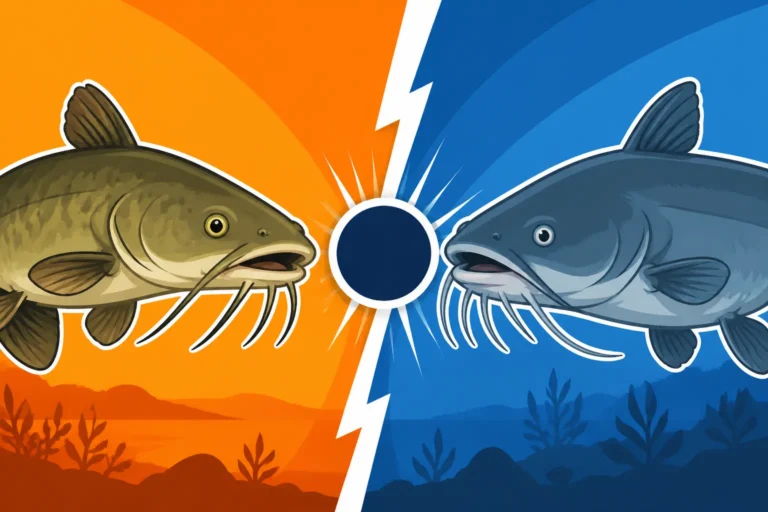
Beyond the flash of bass and the coastal swagger of redfish and trout, there's a humble, yet incredibly popular, group of fish that consistently ranks high for Texas anglers: catfish. Blue catfish, channel catfish, and flathead catfish are not only abundant and accessible but also provide some of the best eating in freshwater. They represent a more relaxed style of fishing for many, often involving family and friends, cool evenings, and the simple pleasure of a bent rod.
The Accessible and Abundant Channel Catfish
Channel catfish are arguably the most widespread and recognizable catfish in Texas. They thrive in rivers, lakes, and even smaller ponds, making them incredibly accessible for anglers of all skill levels. From a child's first fish to a seasoned veteran's dinner plate, channel cats are a consistent favorite. They're not picky eaters, readily taking stink baits, cut bait, worms, and even some artificial lures.
The beauty of channel cat fishing lies in its simplicity and consistency. You don't need highly specialized gear; a sturdy rod and reel, some hooks, weights, and bait are often all it takes. This makes them a perfect target for a spontaneous afternoon trip to a local lake or a multi-day camping adventure. Plus, their mild, flaky meat is delicious fried, baked, or grilled, making them a popular choice for supper. Find out more about them in our Texas Channel Catfish Identification Guide.
The Big Boys: Blue Catfish and Flathead Catfish
For anglers seeking a serious fight and the chance at truly massive fish, blue catfish and flathead catfish are the ultimate prize. Blue cats, especially, can grow to enormous sizes in Texas lakes like Lake Texoma and Lake Livingston, with some specimens easily exceeding 50 pounds. They are powerful fighters, capable of long, sustained runs that will test the drag system of any reel. Targeting these giants often involves heavy-duty gear and large baits, like whole shad or carp.
Flathead catfish, on the other hand, are ambush predators, often preferring live bait and hiding in submerged timber or rock piles. They are known for their incredibly strong pull and are often considered a more challenging target. Both species are highly sought after by those who enjoy the thrill of battling a true monster from the deep. Knowing How to Catch Catfish in Texas can elevate your success with these species. Many dedicated catfishermen invest in specialized heavy-action rods and reels, often purchased from trusted outdoor gear suppliers like Amazon, to withstand the incredible power of these large fish.
The High-Energy Runners: White Bass and Striped Bass
Rounding out the list of Texas's most popular game fish are the high-energy white bass and their larger cousins, the striped bass (and hybrid striped bass). While perhaps not as universally sought after as largemouth bass or coastal favorites, these schooling fish create intense, fast-paced action that can be absolutely exhilarating, especially during their famous spring spawning runs.
The Spring Frenzy of White Bass
White bass are a fantastic game fish, particularly for anglers who love non-stop action. Their most celebrated characteristic is their annual spring spawning run, when thousands of these fish migrate upstream in rivers and creeks that feed into large reservoirs. This phenomenon, known as the "white bass run," creates incredible fishing opportunities, with anglers often catching dozens of fish in a single outing. Popular spots like the Trinity River, Brazos River, and the upper reaches of Lake Fork see huge influxes of anglers during this time.
They're aggressive feeders, striking small jigs, spinnerbaits, and spoons with gusto. The sheer number of fish and the frantic pace of the bite make white bass fishing a favorite for families and new anglers, as well as experienced fishermen looking for a high-volume catch. It's an accessible and exciting way to enjoy Texas freshwater fishing, making them incredibly popular during their peak season. Learning about the Texas White Bass Run Timing is key to experiencing this unique event.
The Hard-Fighting Striped Bass and Hybrids
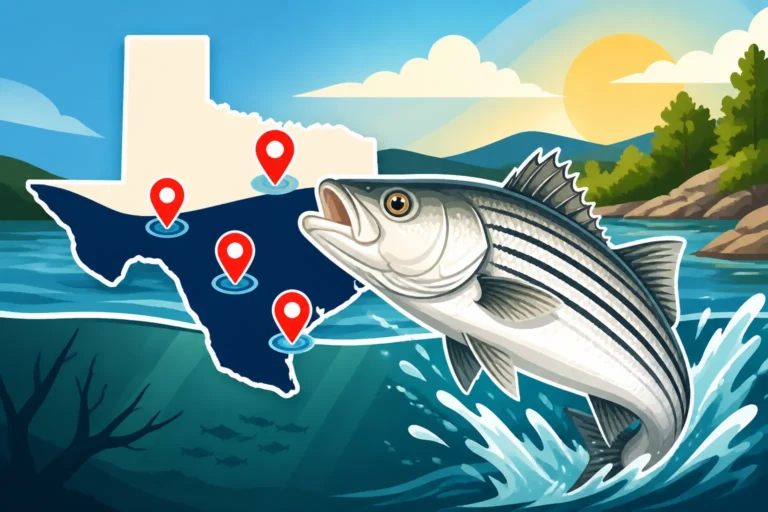
Striped bass, particularly in lakes like Lake Texoma, offer a powerful open-water challenge. These fish are known for their incredible strength and endurance, making long, blistering runs that demand a strong rod and a smooth drag. Pure stripers are native to the East Coast, but have been successfully introduced into a few Texas reservoirs, most notably Lake Texoma, where they reproduce naturally.
More commonly found across other Texas lakes are hybrid striped bass, a cross between striped bass and white bass. These hybrids provide much of the fighting prowess of their striped bass parent but thrive in more diverse environments. Both pure and hybrid stripers are schooling fish, often found chasing baitfish in open water, which makes them prime targets for trolling or casting into schools of "boiling" fish. They offer an exciting, often boat-based, fishing experience that's distinctly different from bass or catfish. Our Texas Striped Bass Fishing Guide has all the details you need to get started.
The Verdict: A Diverse and Popular Fishery
Texas truly offers a smorgasbord of popular game fish, each with its own dedicated following. While largemouth bass might often win the popularity contest due to their widespread distribution and strong tournament culture, the truth is that angler preference is incredibly diverse. The allure of the salty air and drag-screaming redfish and speckled trout is undeniable for coastal enthusiasts. The consistent, delicious rewards of catfish appeal to a broad spectrum of anglers, and the exhilarating runs of white bass and stripers provide a unique thrill.
Here’s a quick overview of what makes each of these popular species a standout:
| Fish Species | Primary Habitat | Key Appeal | Eating Quality | Accessibility |
|---|---|---|---|---|
| Largemouth Bass | Freshwater lakes/ponds | Aggressive fight, trophy potential, widespread | Good | High |
| Redfish | Saltwater bays/flats | Powerful runs, sight fishing, coastal adventure | Excellent | Medium-High |
| Speckled Trout | Saltwater bays/estuaries | Strong headshakes, delicate meat, consistent bite | Excellent | Medium-High |
| Channel Catfish | Freshwater (all types) | Abundant, easy to catch, great table fare | Excellent | Very High |
| Blue Catfish | Large freshwater lakes | Massive size, powerful fight | Excellent | Medium |
| White Bass | Freshwater lakes/rivers | Fast action, schooling behavior, spring runs | Good | High |
| Striped/Hybrid Bass | Large freshwater lakes | Strong fights, open water trolling, schooling | Good | Medium |
Ultimately, the most popular game fish in Texas depends on where you are, what kind of fishing you enjoy, and what you plan to do with your catch. What's clear is that Texas boasts a phenomenal array of aquatic life that keeps anglers coming back for more, year after year.
Disclaimer
This article is for general informational purposes only and does not constitute professional advice. Laws, prices and regulations vary by location and change over time. Consult a qualified professional for guidance on your specific situation.