How old can an alligator gar live to be
Have you ever reeled in an alligator gar and looked at its prehistoric face, wondering just how many years that ancient creature has seen? It's a question many Texas anglers ponder, given these fish look like they swam right out of the dinosaur age. This comprehensive guide is dedicated to unraveling the incredible longevity of the alligator gar, exploring the science behind their long lives, the factors that influence it, and what it means for conservation in our beloved Texas waters.
The Alligator Gar: A Living Fossil with an Ancient Lifespan
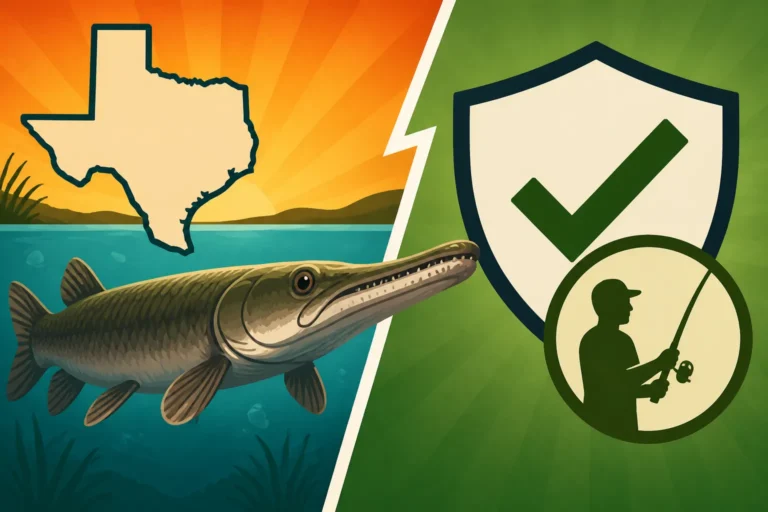
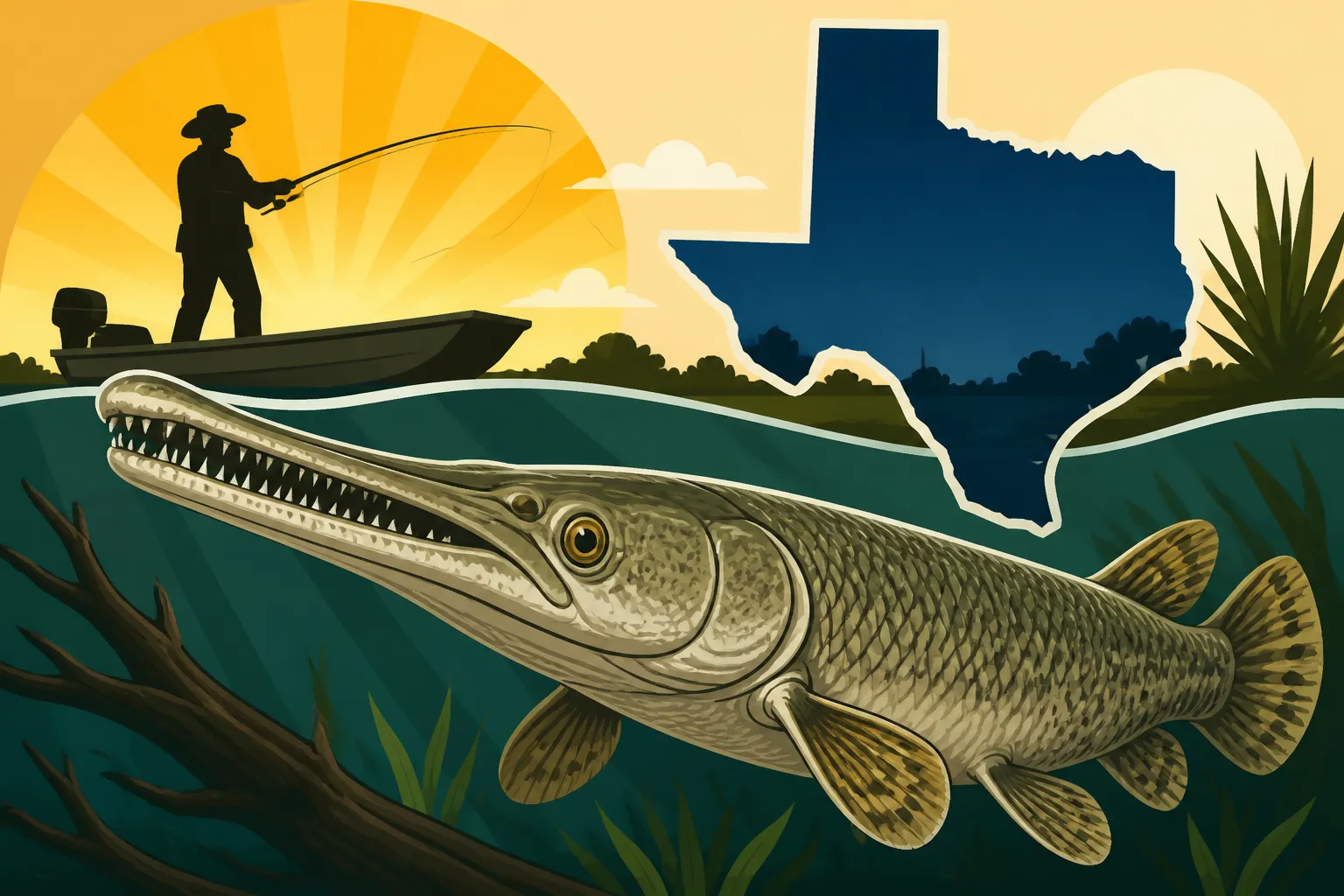
There's something truly awe-inspiring about the alligator gar. They're not just big fish; they're genuine living fossils, with an evolutionary history stretching back millions of years. When you encounter one in a Texas lake or river, you're looking at a species that has survived countless environmental changes, outlasting many others due to its remarkable adaptations. And one of those most incredible adaptations is their ability to live for a seriously long time. It's not uncommon to hear tales of gar living for decades, and the science backs up these whispered legends. Their sheer resilience and unique biology contribute significantly to their impressive lifespans, making them some of the longest-living freshwater fish in North America.
Imagine a fish that grows slowly, has very few natural predators once it reaches a certain size, and possesses a metabolism designed for efficiency rather than speed. That's your alligator gar. These aren't the sprinters of the aquatic world; they're the marathon runners. Their entire life strategy is built around survival and longevity, allowing them to endure periods of drought, fluctuating water levels, and even low oxygen conditions that would decimate other species. It truly makes them a marvel of natural selection, thriving in environments that are often challenging.
Why Alligator Gar Live So Long
The incredible lifespan of the alligator gar isn't just a happy accident; it's a testament to a suite of biological adaptations that have allowed them to thrive for millennia. First and foremost is their incredibly durable, armor-plated skin, which provides formidable protection against most predators. Once an alligator gar reaches a decent size, very few animals in its ecosystem pose a serious threat. This lack of significant predation pressure means they're less likely to meet an untimely end. Beyond their physical defenses, their physiology plays a huge role. Alligator gar possess a unique swim bladder that functions almost like a rudimentary lung, allowing them to breathe atmospheric air. This means they can survive in stagnant, low-oxygen water where most other fish would suffocate. This ability to gulp air at the surface means they don't have to stress as much about dissolved oxygen levels, especially during hot Texas summers when oxygen can be scarce.
Their metabolism is another key factor. Alligator gar are ambush predators, meaning they conserve energy, waiting patiently for prey to come to them rather than expending vast amounts of energy chasing food constantly. This slower, more efficient metabolic rate is often correlated with increased longevity across many species. Think of it like a car that gets fantastic gas mileage; it simply runs longer on the same amount of fuel. They don't burn through their life energy quickly, allowing their bodies to age at a more gradual pace. When you factor in their hardy nature and ability to withstand harsh conditions, it's clear why they can truly be considered ancient denizens of our waterways.
The Slow Pace of Growth and Maturity
Another critical piece of the alligator gar's longevity puzzle is their slow growth rate and delayed sexual maturity. Unlike many smaller, fast-growing fish species that might reach reproductive age within a year or two, alligator gar take their sweet time. They don't typically reach sexual maturity until they are several years old, often around 6-10 years for females, and sometimes even longer. This slower developmental curve means their bodies are not under immense pressure to reproduce quickly, allowing more resources to be allocated to growth and maintenance rather than rapid offspring production.
Their growth continues throughout their lives, albeit at a decreasing rate once they reach maturity. A young gar might put on weight and length relatively quickly, but once they're large, growth slows significantly. This sustained, but gradual, growth contributes to their massive size, with some individuals reaching truly astounding lengths and weights. Texas Alligator Gar Size and Growth is truly impressive. This prolonged growth phase, coupled with delayed maturity, means they spend a significant portion of their early lives simply developing and strengthening their bodies before the energy demands of reproduction kick in. This patient, long-term strategy is foundational to their ability to live for many decades, ensuring they have plenty of time to grow large enough to become apex predators in their ecosystems and contribute to future generations.
Factors Influencing Alligator Gar Lifespan in Texas Waters
While alligator gar are undoubtedly built for longevity, their actual lifespan can vary significantly depending on a multitude of environmental and human-related factors. It's not just about their biological programming; it's about the world they live in. Think of it like humans: while we have a potential lifespan, diet, lifestyle, and environment all play a huge role in how long we actually live. For alligator gar, these external influences are even more pronounced, shaping whether they reach their full potential of several decades or succumb to stressors much earlier. Understanding these factors is key to appreciating the challenges these magnificent fish face.
The pristine nature of their habitat, the availability of food, and the level of human interaction all contribute to the narrative of an individual gar's life. A gar living in a healthy, undisturbed stretch of river with abundant prey is likely to live a much longer, less stressful life than one in a polluted or overfished area. As anglers and conservationists, recognizing these influences helps us to better protect these ancient giants and ensure they continue to thrive in Texas for generations to come.
Habitat Quality and Environmental Stressors
The quality of the environment an alligator gar inhabits is paramount to its longevity. Just like any living creature, a healthy habitat provides the best chance for a long and thriving life. This means clean water, stable oxygen levels, and a rich food supply. In Texas, alligator gar are found in a wide variety of waters, from the slow-moving rivers and bayous of East Texas to the larger reservoirs and coastal estuaries. When these habitats are healthy, with minimal pollution from agricultural runoff or industrial discharge, gar can flourish. Poor water quality, on the other hand, can introduce toxins, reduce oxygen, and weaken the fish's immune system, making them more susceptible to disease and stress.
Periods of extreme drought or flooding can also impact gar populations. While they are incredibly resilient to low oxygen, extreme low water levels can concentrate pollutants, reduce available food, and limit their movement, making them more vulnerable. Conversely, excessive flooding can wash them out of their preferred habitats. Maintaining the health of Texas waterways is crucial for these fish. Projects that protect wetlands, reduce pollution, and manage water flow responsibly all directly contribute to a longer potential lifespan for the alligator gar. Without a clean and stable home, even the most robust species can struggle, and these ancient fish are no exception.
Predation and Human Interaction
For adult alligator gar, natural predation is surprisingly low. Once they reach a considerable size, their armored scales and formidable jaws make them an apex predator with few natural enemies in their freshwater environments. Young gar, however, are vulnerable to larger fish, wading birds, and even other gar. As they grow, this threat diminishes significantly.
The most significant factor influencing an alligator gar's lifespan, especially once it's mature, is human interaction. Fishing pressure, both legal and illegal, can dramatically shorten their lives. While Is it legal to keep an alligator gar in Texas outlines the rules, overharvesting, even within legal limits, can impact the population's age structure. Catch-and-release fishing also plays a role. While many anglers practice careful release, the stress of being caught, handled, and released can still take a toll, especially on larger, older fish. Proper handling techniques are essential to minimize this impact, ensuring that a released gar has the best chance of survival. Learning How to catch alligator gar in Texas responsibly is part of being a good steward.
In some areas, habitat destruction or incidental bycatch in commercial fishing operations can also lead to premature deaths. Understanding and respecting the regulations set by the Texas Parks and Wildlife Department is vital for ensuring these magnificent creatures continue to grace our waters. The collective actions of anglers and environmentalists have a direct bearing on whether an alligator gar lives for a decade or several.
Documented Longevity: Records and Research
The stories of giant, ancient alligator gar are not just folklore; they are backed up by scientific research and documented records. For a long time, the exact age of these fish was a bit of a mystery, but advances in biological techniques have allowed scientists to peel back the layers of time, quite literally, to determine just how old these magnificent creatures can get. It’s truly fascinating to imagine a fish swimming in a Texas river that was born before many of our grandparents.
Researchers have dedicated significant effort to understanding the life history of the alligator gar, recognizing their ecological importance and their status as a unique native species. These studies not only confirm their exceptional longevity but also provide invaluable data for conservation efforts, helping us manage populations sustainably. Knowing the maximum potential age helps biologists understand growth rates, reproductive cycles, and the overall health of the species within various Texas waterways.
Age Determination Methods for Alligator Gar
So, how do scientists figure out the age of a fish that doesn't have birthday candles or rings like a tree? The primary method for aging alligator gar, and many other fish species, involves examining their otoliths, also known as ear bones. These small, calcified structures are found in the inner ear of fish and grow in concentric rings, much like tree rings. Each ring represents a year of growth. By carefully extracting an otolith, sectioning it, and examining it under a microscope, scientists can count these annual growth rings to determine the fish's exact age. It's a precise and reliable method, though it does require the fish to be sacrificed, making it primarily used for scientific research rather than routine field checks.
Another less invasive method, particularly for large, protected species, involves examining bony structures like fin rays or scales, which also lay down annual growth increments. While not always as accurate as otoliths, these methods can provide a good estimate. This scientific detective work has been crucial in confirming the astonishing lifespans of alligator gar and debunking earlier misconceptions about them being short-lived. Without these techniques, the true age of the oldest gar would remain a captivating mystery, hidden beneath their ancient scales.
Notable Lifespan Records and Texas Observations
Scientific studies and anecdotal evidence from long-time Texas anglers confirm that alligator gar can indeed live for an incredibly long time. While specific public records for the absolute oldest living gar are sometimes hard to pinpoint or verify across all sources, research consistently shows that these fish commonly reach ages of 50 years or more. There have been documented cases of alligator gar exceeding 70 years of age in captivity and in the wild, which is truly remarkable for any freshwater fish.
One widely cited example involved a female alligator gar from the Trinity River in Texas, estimated to be well over 50 years old. Imagine the changes and history that fish has witnessed in the river system! These long lifespans are not just statistical anomalies; they represent the natural potential of a species perfectly adapted to its environment. The fact that an individual gar can survive for half a century or more in the dynamic and sometimes challenging Texas ecosystem speaks volumes about its resilience. When you think about the impressive Texas Alligator Gar Size and Growth, it makes sense that they need many years to reach such epic proportions. It's a testament to the importance of conservation, ensuring that future generations of anglers can still marvel at these living relics.
Conserving These Ancient Giants for Future Generations
Given their incredible longevity and unique place in the Texas ecosystem, conserving the alligator gar is more important than ever. These aren't just fish; they're vital components of our aquatic environments, serving as apex predators that help maintain balance in their food webs. For a long time, alligator gar faced misconceptions and even persecution, often being labeled as "trash fish." Thankfully, that perspective has largely shifted, and there's a growing appreciation for their ecological value and the sporting challenge they present to anglers.
The responsibility for their continued survival falls on all of us who enjoy Texas waters. This means understanding and following regulations, practicing responsible angling techniques, and advocating for healthy habitats. We want our grandchildren to be able to experience the thrill of seeing or catching one of these magnificent creatures, knowing that they are a testament to the enduring wildness of Texas.
The Importance of Conservation and Responsible Angling
Conservation isn't just a buzzword; it's a critical effort to protect species for future generations, and for a long-lived fish like the alligator gar, it's absolutely paramount. When a species lives for many decades, each individual represents a significant investment of natural resources and time. Losing an older, large female gar, for example, means losing potentially many years of reproductive output that is crucial for the population's health. Is a gar considered a trash fish or a game fish is no longer a question; they are truly a trophy species for many.
Responsible angling plays a direct role in this conservation. For those who choose to harvest an alligator gar, understanding and adhering to bag and length limits is non-negotiable. These regulations are scientifically determined to ensure sustainable populations. For those who prefer catch-and-release, the method of handling the fish is crucial. Large gar are powerful and heavy, and mishandling can cause severe injury or delayed mortality, even if they swim away initially. Minimizing the fight time, using appropriate gear (you can find robust fishing gear on platforms like Amazon), and ensuring a quick, careful release are all vital steps. It's about respecting the fish and its long life, giving it the best chance to continue thriving.
How Anglers Can Contribute to Alligator Gar Health
Anglers are often the first line of defense and the most passionate advocates for the species they pursue. When it comes to alligator gar, there are several ways we can all contribute to their health and ensure their long lives continue in Texas waters.
- Know the Regulations: This sounds obvious, but rules change, and local regulations can vary. Always check the latest Texas Parks and Wildlife Department guidelines before you head out. This includes limits, legal gear, and specific seasons if any apply. Ignorance of the law is never an excuse, and Penalties for Fishing Without a Texas License can be severe for any species.
- Practice Proper Catch-and-Release: If you're not planning to harvest a gar, ensure you release it effectively.
- Minimize Fight Time: Use tackle strong enough to subdue the fish relatively quickly, reducing exhaustion. Many anglers find high-quality braided line and heavy-duty rods, often available from retailers like Amazon, essential for this.
- Keep it in the Water: Whenever possible, avoid dragging large gar onto dry land or holding them vertically by the head or tail, which can damage internal organs. If you need a photo, try to keep the fish partially submerged.
- Support Its Weight: If you must lift it, support its body horizontally with both hands, one under the head and one under the belly.
- Quick Release: Remove hooks carefully and quickly. If a hook is deeply set and can't be removed easily, consider cutting the line as close to the hook as possible.
- Revive If Necessary: If the fish seems stressed, hold it gently by the tail and jaw in the water, facing into any current, until it kicks strongly and swims away on its own power.
- Report Violations: If you witness illegal fishing activity, report it to the Texas Parks and Wildlife Department. This helps protect the resource for everyone.
- Educate Others: Share your knowledge about alligator gar, their importance, and responsible fishing practices with fellow anglers, especially those new to the sport. What do alligator gar eat and how they fit into the ecosystem is fascinating knowledge to pass on.
- Support Conservation Efforts: Consider donating to or volunteering with organizations dedicated to freshwater habitat conservation and fisheries research.
By taking these steps, every angler can become a steward of this incredible species, playing a crucial role in safeguarding the future of the majestic, long-lived alligator gar in Texas.
| Factor | Impact on Alligator Gar Lifespan | Details and Examples |
|---|---|---|
| Genetics/Biology | High potential for longevity | Slow metabolism, armor plating, air-breathing capability, slow growth, delayed sexual maturity all contribute to a natural lifespan of 50+ years. |
| Habitat Quality | Direct impact, can shorten or extend lifespan | Clean water, stable oxygen, abundant prey (e.g., What do alligator gar eat) support long lives. Pollution, extreme droughts/floods, and habitat destruction can significantly reduce lifespan. |
| Food Availability | Critical for growth and health | Consistent access to appropriate prey ensures proper nutrition and minimizes stress, allowing for sustained health and growth over decades. Scarcity can lead to malnourishment and reduced resilience. |
| Predation (Natural) | Low impact on adults, higher on juveniles | Very few natural predators for adult gar due to size and armor. Younger gar are more vulnerable to larger fish, birds, and other gar, influencing survival in early years. |
| Human Interaction | Significant, can drastically alter lifespan | Overharvesting (even legal), improper catch-and-release handling, illegal poaching, and incidental bycatch are major factors that can prematurely end a gar's life. Responsible angling extends potential lifespan. |
| Disease/Parasites | Generally low impact in healthy populations | Resilient immune systems help ward off common ailments. However, environmental stressors (e.g., poor water quality) can weaken fish, making them more susceptible to diseases that could shorten their lives. |
Disclaimer
This article is for general informational purposes only and does not constitute professional advice. Laws, prices and regulations vary by location and change over time. Consult a qualified professional for guidance on your specific situation.