Are alligator gar dangerous to swim near
It's completely understandable to feel a shiver down your spine when you hear the name "alligator gar," especially if you love swimming or fishing in Texas's abundant lakes and rivers. These prehistoric-looking fish can grow to astounding sizes, and their toothy grin and reptilian appearance often lead folks to wonder if they pose a real threat to humans in the water. This guide is here to cut through the myths and give you the realistic lowdown on whether alligator gar are dangerous to swim near in Texas, helping you enjoy our beautiful waterways with peace of mind and accurate information.
Understanding the Mighty Alligator Gar
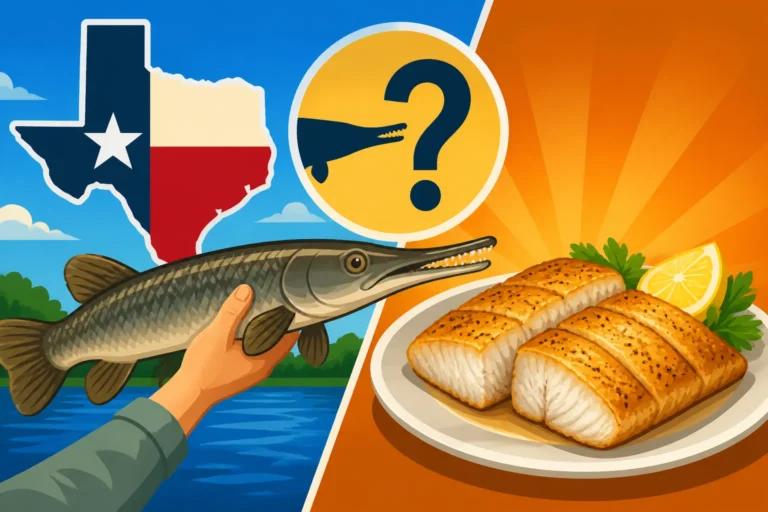
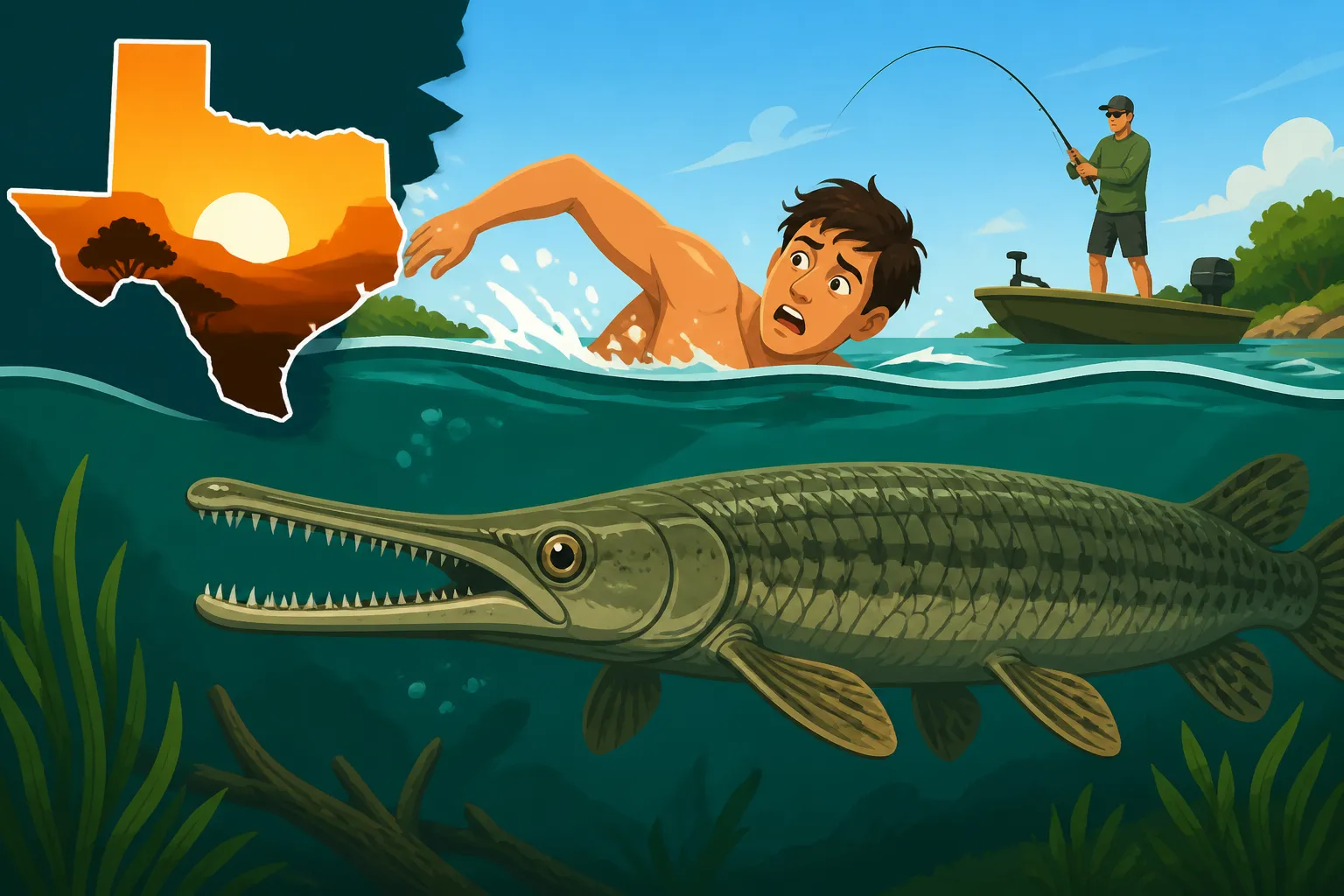
Before we dive into the question of danger, let's get acquainted with the alligator gar. These incredible fish are true Texans, native to our waters and a testament to the wildness that still thrives in our state. They are the largest of the gar species, known for their elongated, cylindrical bodies, distinctive duck-bill snouts, and rows of razor-sharp teeth. They're often misunderstood, seen as monstrous predators, but in reality, they're a vital part of our aquatic ecosystem.
What Exactly is an Alligator Gar?
The alligator gar (Atractosteus spatula) is a truly ancient fish, with fossil records dating back millions of years. Their scales are not like typical fish scales; they're ganoid scales, which are thick, bony, and interlocking, almost like armor. This armor makes them incredibly tough and gives them that primeval appearance. They are apex predators in their environment, primarily feeding on other fish, but they're also opportunistic and will eat anything they can catch, including waterfowl and small mammals if the opportunity arises. Despite their formidable appearance, they are generally quite docile towards humans. We've written a whole Texas Alligator Gar Fishing Guide if you want to learn more about them.
Where Do Alligator Gar Live in Texas?
You'll find alligator gar primarily in the slow-moving, warm waters of rivers, bayous, and large lakes across East and South Texas. They prefer areas with plenty of vegetation and submerged structure where they can ambush prey. Think of places like the Trinity River, Brazos River, and their associated reservoirs, as well as the coastal bays and estuaries. They are masters of camouflage, often blending into their surroundings, looking like a log or a submerged branch, waiting for an unsuspecting meal to swim by. This means if you're swimming in these types of environments, there's always a chance one might be nearby, though seeing them is rare.
The "Dangerous" Perception: Why the Fear?
It's not hard to see why alligator gar strike fear into some people's hearts. Their sheer size, those intimidating teeth, and that "alligator" in their name all contribute to a perception of danger. Throw in a few sensationalized fishing show clips or old wives' tales, and suddenly, these fascinating fish are painted as aquatic monsters.
Their Fearsome Appearance
Let's be honest, an alligator gar isn't going to win any beauty contests in the traditional sense. Their long, tooth-filled snout and heavy-bodied, scaly form can certainly look menacing, especially if you're not used to seeing such creatures up close. Imagine seeing a fish that can grow up to eight feet long and weigh hundreds of pounds gliding silently beneath the surface – it’s enough to make anyone pause. This primal look naturally triggers a caution response in humans, which is perfectly normal.
Misconceptions and Media Portrayals
A lot of the fear surrounding alligator gar comes from old stories and exaggerated media portrayals. For decades, they were often considered "trash fish" and actively persecuted, perpetuating the myth that they were harmful and destructive. You might hear tales of gar attacking swimmers or even eating babies, but these are almost entirely unfounded urban legends. The reality is far less dramatic. Hollywood movies love to create aquatic villains, and a giant, toothy fish fits the bill perfectly, but it rarely reflects the truth of wildlife behavior.
Assessing the Real Risk to Swimmers
Now for the crucial part: are alligator gar actually dangerous to swim near? The short answer is a resounding no, under normal circumstances. Documented attacks on humans are incredibly rare, almost to the point of non-existence, and usually involve extreme provocation.
Documented Attacks on Humans: A Rarity
Let's get this straight: there are virtually no credible, documented cases of unprovoked alligator gar attacks on humans in the wild. Think about that for a moment. With millions of people swimming, boating, and fishing in Texas waters every year, if gar were truly aggressive towards humans, we'd have a very different story to tell. Any incidents reported are typically a result of fishermen handling a gar carelessly or a gar being extremely startled and reacting defensively, which is true of almost any wild animal. They are not interested in you as a food source.
Why Attacks are Extremely Rare
Alligator gar are ambush predators. They wait for smaller fish to swim by, not for large, splashing humans. Here's why they rarely pose a threat:
- Humans are not prey: We are simply too big and not part of their natural diet. They're looking for fish, not people.
- Natural shyness: Despite their size, gar are generally shy creatures. They prefer to avoid human contact and will typically swim away if they sense your presence.
- Poor eyesight: While they have excellent lateral line systems to detect vibrations, their eyesight isn't their strongest sense. They rely on ambush and often won't notice a human until it's too late for them to consider an attack, or they'll be startled.
- Abundant natural food: Texas lakes and rivers are teeming with various fish species, providing alligator gar with ample food. They don't need to look for unusual meals.
Gar Behavior Around Humans
Understanding how alligator gar behave when people are around further reinforces their non-threatening nature. They're much more likely to be scared of you than the other way around.
Natural Shyness and Avoidance
Imagine you're trying to have a peaceful meal, and suddenly a giant, noisy creature cannonballs into your dining room. That's a bit how gar probably feel about human swimmers. They are wild animals that prefer quiet, undisturbed environments. If you're splashing around, making noise, and generally acting like a human in the water, a gar is very likely to perceive you as a threat or simply an annoyance and move away. They have no territorial instincts that would drive them to confront a large mammal like a human.
Curiosity vs. Aggression
Sometimes, a gar might appear curious. You might see one slowly swim by, or even pause to observe you. This isn't aggression; it's natural animal curiosity. They are trying to figure out what you are, much like a deer might pause to watch a hiker before bounding away. If you encounter a gar and it seems to be "watching" you, resist the urge to approach it or try to interact. Give it space, and it will eventually move on. A great resource for learning about aquatic animals and their behavior is through nature documentaries or books, many of which you can find on Amazon.
Situations of Potential Interaction (and How to Avoid Them)
While the risk is incredibly low, it's always wise to be aware of the rare situations where an interaction with an alligator gar could occur, and how to minimize those chances.
Fishing Activities: Handling Gar with Care
The vast majority of human-gar interactions happen when people are actively fishing for them. Anglers specifically targeting these massive fish are equipped to handle them, but even then, caution is paramount. Those teeth are very real, and a thrashing, powerful fish can cause injury if not handled correctly.
- Accidental Snagging: If you're fishing for other species and accidentally hook a gar, don't try to wrestle it onto the bank with bare hands. Cut the line if you're not equipped to handle it safely, or use appropriate tools like lip grippers and long-nosed pliers to remove the hook.
- Intentional Gar Fishing: For those seeking the thrill of catching an alligator gar, ensure you have the right gear, know the regulations (like the one-gar-per-day limit in many areas, and the importance of reporting catches), and understand safe handling techniques. Many experienced gar anglers wear heavy-duty gloves, which you can often find on Amazon, for their own safety. If you are serious about targeting these fish, I highly recommend checking out articles like How to catch alligator gar in Texas and Is it legal to keep an alligator gar in Texas.
Swimming in Gar Habitats
While gar are shy, swimming in areas they frequent might lead to a brief encounter. This doesn't mean danger, but it's good to be aware.
- Murky or Vegetated Waters: Gar often hide in thick vegetation or murky water to ambush prey. If you're swimming in such areas, your visibility might be limited, and you could inadvertently get closer to a gar than either of you would prefer. The best advice is to make some noise before entering the water and avoid exceptionally dense cover.
- Dawn and Dusk: Like many predators, gar can be more active during low-light conditions. While still not aggressive towards humans, if you're swimming at dawn or dusk in prime gar habitat, there's a slightly higher chance of seeing one.
Feeding Wild Animals
This is a general wildlife safety rule that applies to all animals, including gar: never feed wild animals.
- Altered Behavior: Feeding gar, or any wild animal, can alter their natural behavior. They might start to associate humans with food, losing their natural shyness and potentially becoming more assertive or less wary. This is how many "nuisance" animal problems begin.
- Unintended Consequences: If a gar gets used to being fed and then approaches someone who doesn't have food, it could lead to a misunderstanding or a defensive reaction if the gar feels threatened or disappointed. It's truly for their safety and yours to keep them wild.
General Water Safety in Texas Lakes
Context is key here. While the threat from alligator gar is minimal, Texas waters do have other considerations for safety. It's important to keep a realistic perspective on all potential hazards.
Alligators: The Other Gator in Texas Waters
Don't confuse alligator gar with actual alligators! While gar are fish, American alligators are reptiles found in many of the same East and South Texas waters. Alligators can be dangerous to humans, especially if provoked, fed, or if they've lost their natural fear of people. Always be aware of your surroundings in known alligator habitats. If you see an alligator, keep a respectful distance and never approach it.
Water Moccasins and Other Wildlife
Texas is home to various snakes, some of which are venomous, like the water moccasin (cottonmouth). These snakes are often found near the edges of lakes and rivers. Be mindful of where you step and reach, especially around logs, rocks, and dense vegetation near the water. Beyond snakes, wildlife like feral hogs or even deer can pose risks on land near the water.
Boating Safety
One of the most common risks on Texas lakes isn't wildlife, but other people! Boating accidents are a real concern. Always wear your life jacket, especially if you're a weak swimmer or in a smaller craft. Be aware of boat traffic, observe "no wake" zones, and never operate a boat under the influence. Understanding Texas Boat Safety Equipment Requirements is crucial for any boater.
Underwater Obstacles and Submerged Hazards
Many Texas lakes are reservoirs, meaning they were created by damming rivers, submerging old towns, trees, and structures. This can lead to underwater hazards like stumps, old fence lines, or even submerged vehicles that you can't see from the surface. Always be cautious when diving or swimming in unfamiliar waters.
Harmful Algal Blooms
Occasionally, Texas lakes can experience harmful algal blooms (HABs), which can produce toxins dangerous to humans and pets. Always check local advisories from the Texas Parks and Wildlife Department (TPWD) before swimming, especially during hot summer months.
Debunking Common Myths About Alligator Gar and Humans
Let's tackle some of the tall tales head-on.
| Myth | Reality |
|---|---|
| Alligator gar attack swimmers. | Extremely rare, almost unheard of, for unprovoked attacks. Incidents usually involve mishandling by anglers or extreme provocation. |
| They eat small pets or even children. | Pure urban legend. Gar feed on fish. Humans are too large to be considered prey. |
| Gar are aggressive and territorial. | Gar are generally solitary and shy. They prefer to avoid humans and are not known to be territorial like some other species. |
| They are "trash fish" that destroy fisheries. | Decades of research show gar are vital apex predators that help maintain healthy fish populations by culling weak or diseased individuals. They are part of the natural balance of the ecosystem. |
| You need a special license to fish for them. | If you're fishing for alligator gar, you need a valid Texas fishing license with the appropriate endorsements, just like for most other species. There's no specific "gar license" per se. Consult Texas Fishing License Requirements Explained. |
Enjoying Texas Waters Safely
So, are alligator gar dangerous to swim near? In almost all practical senses, no. They are magnificent, wild creatures that deserve our respect and protection. When you're out enjoying the rivers and lakes of Texas, the biggest threats you're likely to encounter are sunburn, dehydration, or perhaps a rogue jet ski, not an alligator gar hunting you down.
By understanding their true nature, giving them their space, and practicing general water safety, you can continue to enjoy all the beauty and excitement that Texas's aquatic environments have to offer. Keep your eyes open for them, not out of fear, but out of appreciation for these living fossils that grace our state's waters. You might even catch a glimpse of one while you're out fishing at one of the Best Places to Fish in Texas.
Disclaimer
This article is for general informational purposes only and does not constitute professional advice. Laws, prices and regulations vary by location and change over time. Consult a qualified professional for guidance on your specific situation.