What is a spotted bass
If you've ever found yourself on a beautiful Texas lake, reeling in what you thought was a largemouth, only to squint and wonder if it's something a little different, you're not alone. Anglers across the Lone Star State often grapple with identifying the subtle — and sometimes not-so-subtle — differences between our various black bass species. This comprehensive guide is here to clear up that confusion, offering a deep dive into the fascinating world of the spotted bass in Texas.
Understanding the Spotted Bass: A Detailed Look
The spotted bass, often affectionately called a "spot" by anglers, is a fascinating member of the black bass family. While it might bear a strong resemblance to its more famous cousin, the largemouth bass, and even the feisty smallmouth, the spotted bass has its own unique characteristics, behaviors, and preferred habitats that make it a distinct and exciting fish to target in Texas waters.
They're not always as big as the trophy largemouths we dream about, but what they lack in sheer size, they often make up for in fight and abundance. They're known for their aggressive strikes and strong pulls, offering a thrilling experience for any angler. Understanding their nuances is key to not only identifying them correctly but also to consistently putting them in your livewell or on your stringer.
Physical Characteristics and Identification Markers
When you pull a spotted bass out of the water, there are a few tell-tale signs to look for. The most obvious, as the name suggests, are the rows of distinct dark spots below the lateral line, especially on their lower flanks. While largemouths might have some faint spotting, a true spotted bass will often have these spots much more pronounced, almost like a dotted pattern. This is a primary differentiator when you're trying to figure out what you've caught.
Another key feature to examine is the size of the mouth. Unlike the largemouth bass, whose upper jaw extends past the back of its eye when its mouth is closed, the spotted bass's upper jaw typically aligns with the middle of the eye, or just slightly past it. It’s a subtle difference, but one that becomes clear once you know what to look for. Their body shape is also generally more streamlined and torpedo-like than the somewhat chunkier largemouth, lending to their reputation as strong fighters in current.
Take a moment to feel their tongue, too! This is a classic identifier for spotted bass. They often have a small, rough patch of teeth on their tongue, called a tooth patch. Run your finger carefully over the tongue (watch out for the other teeth!) and if you feel that gritty patch, you've likely got a spot. This feature is almost never present on a largemouth bass and is a dead giveaway. You can learn more about differentiating these species in our Texas Largemouth Bass Identification Guide or How to identify a largemouth bass vs a spotted bass.
Behavior and Preferred Habitats
Spotted bass are remarkably adaptable, but they do tend to favor certain types of environments over their black bass cousins. You’ll often find them in areas with more current, clearer water, and rockier bottoms than you might expect for a largemouth. This means they thrive in rivers and the lower, clearer sections of many Texas reservoirs, particularly those with a lot of creek channels, humps, and ledges.
They also have a tendency to school up more than largemouths do, especially around underwater structures or baitfish. If you catch one spotted bass, there's a good chance there are more in the immediate vicinity, making them a fantastic target for anglers looking to catch multiple fish. They’re less likely to hide deep within thick vegetation like hydrilla or lily pads, preferring instead areas where they can ambush prey from rocky outcrops, submerged timber, or along bluff walls.
Their diet is quite varied, mirroring that of other black bass, but their schooling nature often means they'll aggressively pursue schools of shad, minnows, and even smaller crawfish. This feeding behavior makes them susceptible to a wide range of artificial lures, which we'll discuss in more detail later. They are opportunistic feeders, and their aggressive nature makes them a blast to catch once you've located a school.
Where Spotted Bass Call Home in Texas
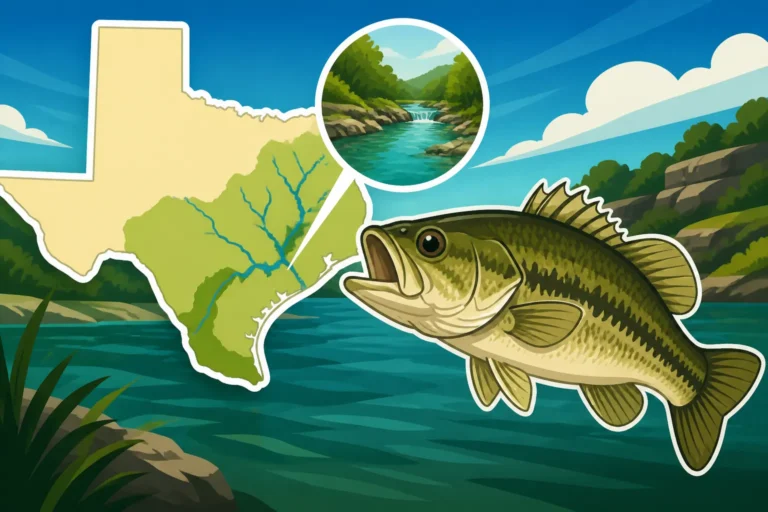
While not as widespread as the largemouth, spotted bass have established strong populations in several key regions and reservoirs across Texas. Knowing their preferred haunts will significantly increase your chances of finding them. They are generally considered native to certain river systems in eastern and central Texas but have been introduced and flourished in many reservoirs.
Their presence often indicates a healthy, flowing water system or a reservoir with clear, stable water and plenty of hard bottom. Unlike some species that might prefer turbid, slow-moving backwaters, the spotted bass is a creature of more active, structured environments. If you're fishing a lake known for its rocky points and steep drop-offs, you're likely in spotted bass territory.
Key Texas Reservoirs and Rivers
In Texas, some of the most prominent spotted bass fisheries include lakes like Alan Henry, Lake Lewisville, Lake Grapevine, and several others in North and Central Texas. Lake Travis, with its deep, clear waters and rocky ledges, also holds a healthy population. These lakes often share characteristics like strong current inflows, deeper water, and abundant rock or timber structure, all of which are ideal for spotted bass.
Rivers such as the Brazos River and the Colorado River also boast solid populations of spotted bass, especially in sections with rocky shoals and moderate flow. Anglers targeting these areas will find that fishing similar structures to those favored by smallmouth bass can be highly productive for spots. When you're researching a new fishing spot, look for descriptions of rocky banks, bluffs, and clear water, and you'll likely be on the right track for finding spotted bass. For a broader perspective on the various black bass species in the state, consult our Texas Black Bass Species Comparison.
| Texas Lake/River | Primary Spotted Bass Habitat Characteristics | Other Common Bass Species |
|---|---|---|
| Lake Alan Henry | Deep, clear, rocky, standing timber | Largemouth, Smallmouth |
| Lake Lewisville | Clearer sections, rocky points, ledges | Largemouth |
| Lake Grapevine | Rock ledges, main lake points, standing timber | Largemouth |
| Lake Travis | Deep, clear, bluff walls, rock formations | Largemouth, Smallmouth |
| Brazos River | Rocky shoals, moderate current, clear water | Largemouth, Guadalupe Bass |
| Colorado River | Rocky runs, pools, current breaks | Largemouth, Guadalupe Bass |
Distinguishing from Other Texas Black Bass
The true challenge for many Texas anglers is telling a spotted bass apart from a largemouth or even a smallmouth, especially when they're not huge fish. While we touched on some identifiers earlier, let's really cement the differences. The largemouth bass will almost always have that jaw extending past the eye, and usually a deeper, more compressed body. Their dark lateral line is typically a solid, distinct stripe, without the pronounced spotted pattern below it that defines the spotted bass.
Smallmouth bass, which are less common in Texas but present in some systems like Lake Alan Henry and Lake Travis, are also stream-lined and favor rocky, clear water. However, smallmouths generally have vertical bars or stripes along their flanks, rather than spots, and their eyes tend to be reddish. Their dorsal fin also appears more continuous, whereas the spotted bass and largemouth have a more distinct dip in the middle of their dorsal fin. When looking closely, it's those rows of distinct spots and the jawline that really scream "spotted bass." For more identification tips, check out Texas Spotted Bass Identification Guide.
It's also worth noting the Guadalupe Bass vs Smallmouth Bass comparison, as the Guadalupe bass is Texas's state fish and can be found in similar riverine environments. While smaller and usually found in flowing water, the Guadalupe bass also has a more streamlined body, but its markings are more like blotches or diamond shapes rather than distinct spots. The key is to examine all the features – mouth size, body shape, and especially the spotting or patterning – to make an accurate identification.
Effective Strategies for Catching Spotted Bass
Catching spotted bass can be an incredibly rewarding experience because they are often aggressive, fight hard, and can be caught in good numbers once located. Because they often school up and favor specific types of structure, figuring out their patterns can lead to some truly memorable days on the water.
Your approach to fishing for spotted bass might be a little different than if you were solely targeting trophy largemouths in heavy cover. Spots prefer a more open, yet structured environment, often suspending or holding tighter to hard bottom features. This opens up a different array of techniques and lures that prove highly effective.
Go-To Baits and Lures
Spotted bass aren't particularly picky, but they do have their favorites. Given their tendency to feed on baitfish and crawfish, lures that mimic these prey items are consistently productive. Here's a rundown of some top choices:
- Jigs: Especially football jigs or finesse jigs, dragged along rocky bottoms, humps, and points. Colors mimicking crawfish (greens, browns, oranges) are excellent. A jig-and-trailer combo is often irresistible.
- Drop Shots: When spots are suspended or deep, a drop shot rig with a small worm or creature bait can be deadly. It allows you to present your bait right in their strike zone without moving it too much.
- Carolina Rigs: Similar to jigs, a Carolina rig with a soft plastic lizard or crawfish imitation fished slowly over hard bottoms can entice strikes from deeper-holding fish.
- Grub Tail or Swimbaits: Small, soft plastic grub tails or paddle-tail swimbaits on a jig head are fantastic for covering water and mimicking small baitfish. You can cast them out and retrieve them steadily or bounce them along the bottom.
- Topwater Lures: In the right conditions, particularly early mornings or late evenings when spots are feeding on the surface, walking baits or poppers can trigger explosive strikes.
- Crankbaits: Medium to deep-diving crankbaits in shad or crawfish patterns are excellent for targeting spotted bass holding on ledges, points, and channel swings. The deflecting action off rocks can often trigger a reaction strike.
- Spinnerbaits: In areas with moderate current or slightly stained water, a spinnerbait can be highly effective for drawing strikes, especially around submerged timber or current breaks.
You can find a fantastic array of these baits and lures on platforms like Amazon, often with reviews to help you choose what's working for other anglers. It’s always a good idea to have a varied selection in your Best Lures for a Texas Tackle Box.
Techniques for Different Conditions
Fishing for spotted bass often means adapting to the environment. In clear water, which is common in many spotted bass lakes, you’ll want to use lighter line, more natural bait colors, and longer casts to avoid spooking the fish. Finesse techniques like drop-shotting and shaky heads really shine here. If you're targeting them in deeper water (20+ feet), especially during hotter months or after a cold front, a good fish finder is invaluable for locating schools of suspended fish or those clinging to deep structure. Learning How to use a fish finder for bass fishing can make a huge difference.
When fishing in current, which spots absolutely love, focus on eddies, current seams, and areas behind rocks or timber that break the flow. These are ambush points where bass wait for food to drift by. A weightless worm or a small swimbait allowed to drift naturally with the current can be incredibly effective. During the spawn, which often happens slightly earlier than largemouths in some systems, spotted bass will move to shallower, harder bottom areas, usually rock or gravel, to make their nests. Sight fishing with a light jig or a weightless soft plastic can work wonders.
In general, spotted bass are less shy than largemouths when it comes to boat noise or heavy line, but finesse still often yields more bites, particularly on pressured lakes. Always pay attention to what the fish are telling you – if they hit a certain color or presentation, stick with it! For more general tips on targeting bass, refer to How to Fish for Bass in Texas.
The Spotted Bass's Place in the Lone Star State Fishery
The spotted bass holds a unique and increasingly important position in Texas fishing. While they might not garner the same trophy hunting fame as largemouth bass, they provide consistent action and an excellent fight, making them a favorite for many anglers, especially those participating in tournaments where numbers are key.
Their aggressive nature and schooling tendencies make them a joy to catch, and their presence helps diversify the black bass populations in many reservoirs, providing anglers with more opportunities and different challenges. They're a testament to the rich and varied fishing opportunities available throughout Texas.
Ecological Impact and Angler Experience
Ecologically, spotted bass are a successful species that adapt well to many environments, especially those with rocky substrates and clear water. They prey on a variety of forage fish, insects, and crustaceans, playing an important role in the food web. In some systems where they've been introduced, they can compete with native species like the Guadalupe bass or even hybridize with smallmouth bass, which is why management efforts are often in place.
For anglers, spotted bass offer a fantastic experience. They are known for their hard fights and tendency to stay deep, unlike largemouths that sometimes jump. This makes for a prolonged and exciting battle on the end of your line. They're also often more abundant than trophy largemouths, meaning you can have high-numbers days, which is incredibly satisfying. Many tournament anglers appreciate the reliability of spotted bass for filling out limits, especially on lakes where they thrive. For those looking to upgrade their gear, a strong yet sensitive rod found on Amazon can make all the difference in feeling those subtle bites. Consider some of the options in Best Fishing Rods for Texas Anglers.
Conservation and Management Efforts
Like all game fish in Texas, spotted bass populations are carefully monitored and managed by the Texas Parks and Wildlife Department (TPWD). These efforts ensure healthy, sustainable populations for future generations of anglers. This includes regulations on bag limits and length limits, which can vary by lake, so it's always critical to check the most current regulations before you head out. These rules are in place to allow fish to reach maturity and reproduce, maintaining a robust fishery.
While spotted bass might not be the poster child for Texas fishing in the same way the largemouth is, their consistent action and feisty nature make them an incredibly valuable resource. They add diversity to our angling experiences and represent another incredible opportunity to enjoy the abundant natural beauty and fishing heritage of the Lone Star State. So, the next time you're on a Texas lake and feel that familiar tug, take a closer look – it just might be one of our beloved spotted bass putting up an unforgettable fight!
Disclaimer
This article is for general informational purposes only and does not constitute professional advice. Laws, prices and regulations vary by location and change over time. Consult a qualified professional for guidance on your specific situation.