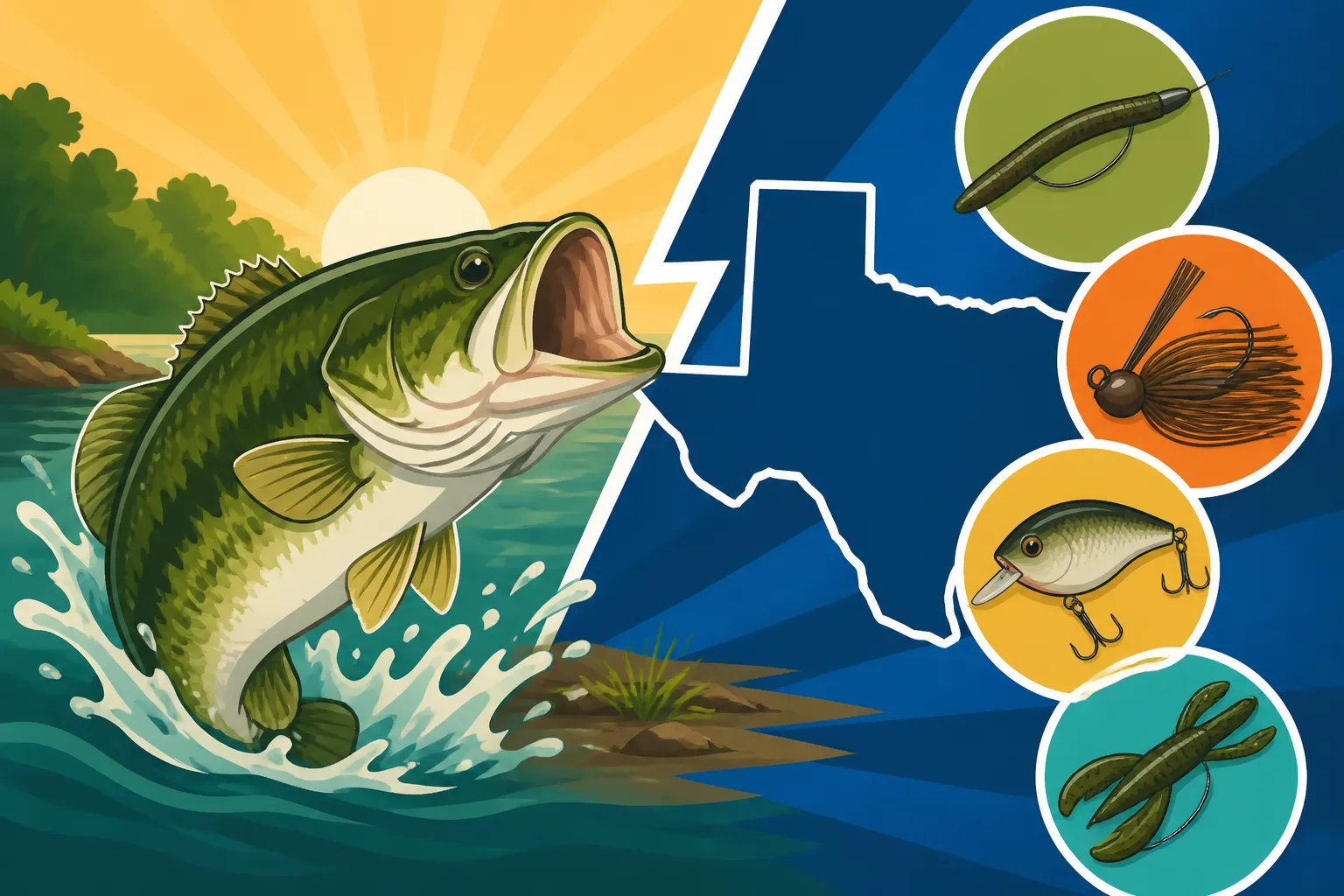
Best techniques for post-spawn bass
Oh, the post-spawn! If you've ever felt like the bass just disappeared from your favorite Texas lake right after the spawn, you're absolutely not alone. That transition period can be incredibly frustrating, leaving anglers scratching their heads and wondering where all those feisty fish went. This guide is all about demystifying that tricky post-spawn phase and equipping you with the best techniques to keep those rods bending.
Understanding the Post-Spawn Bass Mindset in Texas Waters
After the glorious chaos of the spring spawn, when bass are aggressively defending beds and hitting just about anything that moves, there comes a time of quiet reflection – for the bass, that is. They're not just taking a well-deserved nap; their entire world shifts, and if you understand that shift, you're halfway to figuring out how to catch them.
The Exhaustion Phase: Recovering from the Spawn
Imagine running a marathon, then staying up all night guarding your prize, and then doing it again for days on end. That's essentially what a bass, especially a big female, goes through during the spawn. They're physically depleted, often thin, and their energy reserves are at an all-time low. They've spent weeks, sometimes even a month or more, on the shallower beds, fanning eggs and chasing away predators. This intense effort leaves them needing a serious break.
During this recovery period, bass aren't usually in a mood to chase down fast-moving baits or engage in aggressive strikes. Instead, they often seek out easy meals and comfortable, sheltered spots where they can recuperate without expending too much energy. They might hang near the cover of shaded docks, under thick hydrilla mats, or just suspend in the water column near deeper water, trying to regulate their body temperature and conserve energy. You'll often find them lurking, not actively hunting. Understanding this exhaustion is crucial because it directly influences the type of lures and presentations that will tempt them.
Moving to Summer Haunts: The Migration
Once the initial recovery is underway, usually a week or two after they've left the beds, bass start to make a move. They're transitioning from the shallow spawning grounds to their deeper, more stable summer territories. This isn't a sudden, overnight exodus; it's a gradual migration, often following underwater highways like creek channels, old roadbeds, or defined breaks in depth. They're looking for areas with stable water temperatures, good oxygen levels, and, crucially, access to baitfish.
In many larger Texas reservoirs, this means moving out to main lake points, offshore humps, ledges, and deep brush piles. For shallower, murkier lakes, they might congregate around deeper grass lines, standing timber, or the coolest, shadiest cover they can find. As they gain strength, these bass will often start schooling up, especially the larger ones, making them a fantastic target if you can locate those groups. The key is recognizing that they are in transition and often won't be in the same spots day after day until they establish their summer patterns. Knowing where these fish are headed helps you intercept them along their journey.
Top Lures and Presentations for Post-Spawn Success
Since post-spawn bass aren't always in a chasing mood, your approach needs to shift from power fishing to more subtle, enticing presentations. It's about offering them a meal that's easy to grab and looks irresistible without much effort.
Subtle Presentations for Finicky Eaters
When bass are recovering, finesse techniques often rule the day. Think small, natural, and slow.
- Ned Rigs: This might be one of the most underrated baits for post-spawn bass, especially when they're lethargic. A Ned rig consists of a small, mushroom-shaped jig head and a short, buoyant soft plastic worm that stands up off the bottom. It mimics a small forage fish or crayfish perfectly. Fish it on light line, make long casts, and barely move it, letting it sit and then just subtly dragging or hopping it a few inches. The beauty of the Ned rig is its simplicity and ability to catch fish when nothing else will. You can find excellent Ned rig components on Amazon, often in multi-packs with various colors.
- Drop Shots: When bass are suspended or holding tight to vertical cover like standing timber or dock pilings, a drop shot rig is incredibly effective. It allows your bait to hover at a precise depth, right in their strike zone, without the weight interfering with its action. You can gently shake the rod tip to give the worm subtle movement while keeping it in place. This presentation requires a bit more focus, but it's deadly when bass are being picky.
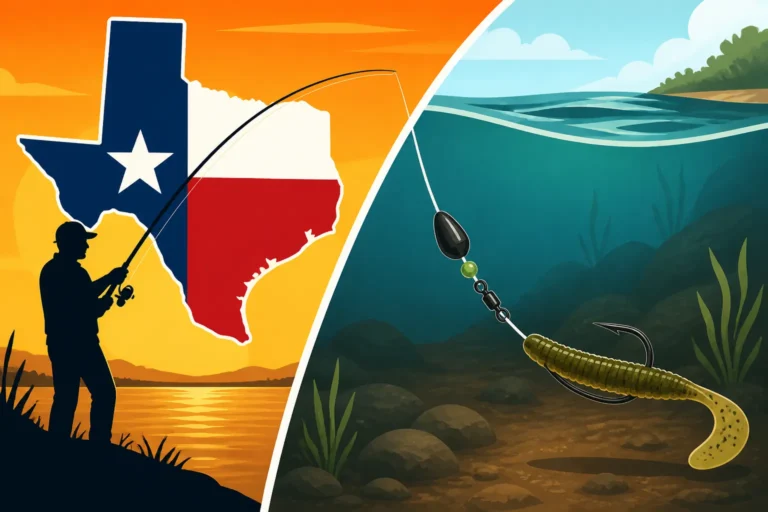
- Weightless Soft Plastics: A classic weightless Texas-rigged Senko or a similar stick bait is pure gold for post-spawn bass. The slow, tantalizing shimmy on the fall is often more than enough to trigger a bite from a bass that isn't willing to chase. Cast it around docks, laydowns, grass edges, and let it sink on a semi-slack line. Watch your line for any twitch or jump, as bites can be incredibly subtle. For a deeper dive into rigging, check out our guide on How to fish a Texas rig for bass. This slow, natural presentation is hard for a recovering bass to ignore.
Covering Water and Finding Active Fish
While finesse is key, there are times when bass will be more aggressive, especially once they've recovered a bit and started schooling. These techniques help you locate those more active fish and cover more water efficiently.
- Crankbaits (Medium to Deep Divers): Once bass start moving to deeper transition areas like ledges, main lake points, and humps, crankbaits become incredibly effective search baits. Choose a crankbait that dives to the depth where you expect the fish to be holding. Vary your retrieve speed, pausing occasionally, and make sure your lure deflects off any submerged structure. Matching the hatch with colors that resemble the local baitfish – shad, perch, or crawfish – can make a huge difference.
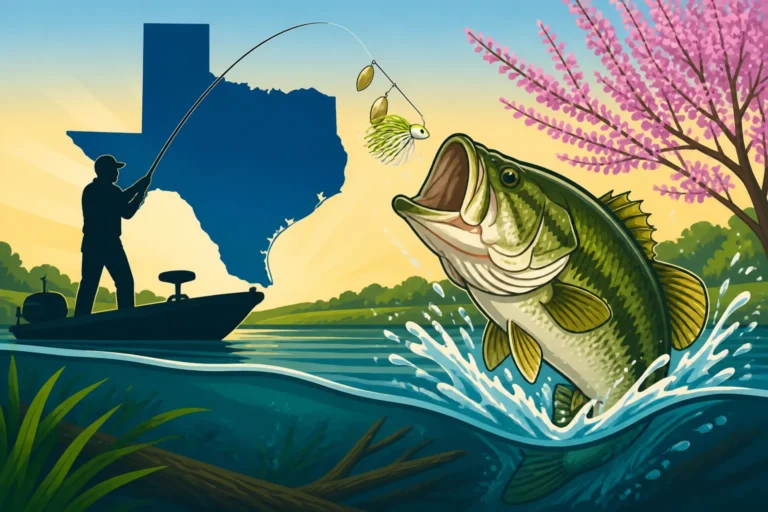
- Spinnerbaits/Chatterbaits: If you're fishing areas with abundant grass, scattered timber, or slightly stained water, spinnerbaits and chatterbaits can be great for covering water quickly and drawing reaction strikes. The vibration and flash of these baits can often annoy a bass into biting, even if it's not actively feeding. They're particularly effective around shallow cover early or late in the day.
- Swimbaits: For targeting bigger post-spawn bass that are feeding on larger forage, soft plastic swimbaits, either rigged weightless or on a weighted swimbait hook, are excellent. Cast them around points, ledges, and schooling baitfish. A slow, steady retrieve that makes the swimbait wobble naturally is often the ticket. Don't be afraid to experiment with size; sometimes a larger profile is what a trophy bass is looking for. Our Best bait and lures for Texas fishing guide has more ideas on specific options.
Targeting Cover and Structure
Post-spawn bass, especially the bigger ones, are often found relating to specific types of cover or structure. They want shade, ambush points, and proximity to deeper water.
- Jigs: Flipping and pitching jigs into heavy cover is a classic tactic that continues to produce big fish. Target brush piles, boat docks, standing timber, and rock piles. These spots offer both shade and an ambush point. The jig's compact profile and weedless design allow it to penetrate dense cover where other lures would snag. You can tip a jig with a soft plastic trailer to add bulk and action. Learning How to catch bass on a jig effectively will pay dividends.
- Worms (Texas-Rigged or Carolina-Rigged): Whether you're dragging a Texas-rigged worm through a brush pile or slowly working a Carolina-rigged worm along a deep ledge, these soft plastics are excellent for probing structure. The Carolina rig, in particular, allows your weight to drag along the bottom, stirring up sediment and creating noise, while the bait itself trails behind, suspended just off the bottom. This can be irresistible to a bass holding tight to structure. You can learn more in our article about How to fish a Texas Carolina rig.
- Topwater: Don't completely rule out topwater lures, especially during low-light conditions (early morning, late evening) or on cloudy days. Poppers, walking baits like a Heddon Super Spook, or even hollow-bodied frogs fished over matted grass can draw explosive strikes. While not every post-spawn bass will commit to a topwater, the ones that do are usually aggressive and healthy. It's an exciting way to fish when conditions are right.
Where to Find Post-Spawn Bass in Texas Lakes
Finding post-spawn bass is all about understanding their journey from shallow spawning areas to their deeper summer haunts. It's a game of connecting the dots, literally, on your lake map.
Transition Areas: The Pathway to Deeper Water
Think of these as the pit stops or highways that bass use as they move. They're not quite in their summer spots, but they're definitely not on the beds anymore.
- Secondary Points: These are smaller points that lead into larger coves or pockets, acting as stepping stones from the shallow spawning flats to the main lake. Bass will often stage on the sides or ends of these points, especially if there's a quick depth change or some submerged cover like rocks or timber. They might feed here for a day or two before moving further out.
- Creek Channel Bends: In many Texas lakes, creek channels wind their way from the backs of coves out to the main lake. Bass will follow these channels, pausing on the bends or where the channel swings close to a bank or a hummock. Look for any cover along these bends – a stump, a rock pile, or a brush pile – as these are prime holding spots.
- Underwater Humps and Ledges: These are true sweet spots for post-spawn bass. A hump rising from deeper water, or a sharp ledge where the bottom drops off, provides both a comfortable depth and an ambush point for passing baitfish. Bass will often stage on the shallow side of a hump or on the lip of a ledge before moving to deeper water, or simply hold there for the summer.
- Old Roadbeds, Submerged Timber Lines: Many Texas reservoirs were created by damming rivers, submerging old towns and roads. These features provide excellent hard structure and pathways for bass. A line of standing timber along an old fence row or the hard bottom of a submerged roadbed can hold schools of fish.
Deeper Structures: Their Summer Sanctuaries
As bass fully recover and the Texas summer heat really kicks in, they will seek out the comfort and stability of deeper water. This is where they'll spend the majority of the hotter months.
- Main Lake Points with Deep Water Access: Unlike secondary points, main lake points extend further out into the lake, often with very steep drops or deep water on one or both sides. These are magnets for baitfish and, consequently, for post-spawn bass. Fish the entire point, from the shallower top to the deepest break, as bass can suspend at different depths depending on conditions.
- River/Creek Channel Ledges in the Main Lake: These are major arteries for bass. Fish the deepest parts of these channels, looking for any irregularities – a sharp bend, a small hump, or a clump of brush – as these are classic ambush points. Big schools of bass can congregate along these ledges, especially if there's a good baitfish presence.
- Offshore Humps and Deep Brush Piles: These are the ultimate summer hideouts. Offshore humps are subtle rises in the lake bottom, often unnoticed by casual anglers but highlighted by good electronics. Deep brush piles, whether natural or man-made, provide essential cover and shade in otherwise open water. This is where a good fish finder becomes your best friend, helping you locate these hidden gems. Learning How to use a fish finder for bass fishing is invaluable here.
- Thermocline: In deeper Texas reservoirs, the thermocline is a layer of water where the temperature changes rapidly. Bass will often hold just above or within this layer, where the water is cooler and oxygen levels are optimal. Your fish finder can help you identify this critical depth, allowing you to present your baits effectively. You'll find bass suspending here, making drop shots and deep-diving crankbaits excellent choices. For more on seasonal movements, check out Best time of year to fish in Texas.
Adapting to Texas Weather and Water Conditions
Texas weather is notoriously unpredictable, and post-spawn bass fishing often throws additional challenges our way. Adapting your strategy to changing conditions is paramount for consistent success.
Dealing with Post-Front Conditions
Few things can shut down a bass bite faster than a strong cold front rolling through, especially right after the spawn. The sudden drop in air temperature and often rising barometric pressure can make bass incredibly lethargic and finicky.
When a cold front hits, bass will often move deeper or bury themselves in the thickest cover they can find. They might suspend in open water, barely moving, or become incredibly tight-lipped. This is not the time for aggressive power fishing. Instead, you need to slow way down. Use the most subtle, finesse presentations you have: tiny jigs, Ned rigs, weightless worms, or small drop shot baits. Work these lures excruciatingly slowly, often letting them sit for extended periods on the bottom before a slight twitch. Focus your efforts on the deepest, most protected cover you can find – thick brush piles, deep docks, or submerged timber. The fish might not be actively feeding, but they can often be coaxed into a reaction strike with a well-placed, slow-moving bait right in front of their nose. How to fish a Texas reservoir after a cold front offers more specific advice for these tough conditions.
High Pressure and Clear Water Strategies
Texas summers often bring prolonged periods of high pressure and clear skies, leading to very clear water in many lakes. These conditions can make bass even more wary, as they can see lures (and anglers) from a greater distance.
In clear water, presentation becomes even more critical. Opt for lighter line, often fluorocarbon, which is less visible underwater. Downsize your baits and choose natural colors that mimic the local forage. Long casts are essential to avoid spooking fish. Bass will often push deeper in clear water, so focus on offshore structures, deep ledges, and shaded areas. During high-pressure periods, fish tend to be less active. This means slowing down your retrieve, using baits that have a natural, subtle action, and working areas thoroughly. Early morning, late evening, or on days with cloud cover will generally be your best bet, as these lower light conditions make bass feel more comfortable moving into shallower feeding zones. However, midday fishing in clear, high-pressure conditions will require you to fish deeper and slower than ever. Remember, the Texas Largemouth Bass Fishing Guide has general tips that can be adapted to these specific scenarios.
| Post-Spawn Technique | Best Location | Conditions | Key Lure Examples |
|---|---|---|---|
| Finesse (Slow & Subtle) | Docks, brush piles, deep grass edges, suspended bass | Post-front, high pressure, clear water, lethargic fish | Ned Rig, Drop Shot, Weightless Senko |
| Search & React (Covering Water) | Secondary points, main lake points, ledges, humps | When bass start schooling, slightly more active | Deep-diving crankbait, Spinnerbait, Swimbait |
| Targeting Cover (Precise) | Thick brush, standing timber, boat docks, rock piles | Bass holding tight to structure, ambush points | Flipping Jig, Texas-rigged worm, Carolina rig |
| Topwater (Explosive) | Shallow grass, shaded pockets, low-light around cover | Early morning, late evening, cloudy days, active feeders | Popper, Walking Bait, Hollow-body Frog |
Understanding the post-spawn blues doesn't mean you have to pack up your rods. It just means you need to adjust your approach. By understanding where these fish are moving, what they're feeling, and what they're willing to eat, you can still have incredibly productive days on the water. It’s all about patience, observation, and being willing to try different things until you unlock their pattern. So head out there and show those Texas bass who's boss!
Disclaimer
This article is for general informational purposes only and does not constitute professional advice. Laws, prices and regulations vary by location and change over time. Consult a qualified professional for guidance on your specific situation.