How to set up a jugline for catfish
Navigating the world of jugline fishing for catfish in Texas can feel a bit like trying to solve a puzzle with half the pieces missing. Many anglers, especially those new to this rewarding technique, get overwhelmed by the sheer number of regulations, the various gear options, and simply figuring out how to put it all together. This comprehensive guide is here to untangle the complexities, walking you through everything you need to know to set up a successful and legal jugline for catfish in the Lone Star State.
Understanding Texas Jugline Regulations
Before you even think about buying a single hook or cutting a length of line, understanding the Texas Parks and Wildlife Department (TPWD) regulations for juglines is absolutely paramount. Trust me, getting a ticket for a simple oversight is a sucefire way to ruin a perfectly good fishing trip, and those fines aren't cheap. Texas takes its fishing laws seriously, and for good reason – they’re designed to protect our precious natural resources and ensure everyone has a fair shot at catching fish.
Key Rules and Legalities for Juglines
The first thing you need to know is that juglines are a legal and popular method for catching catfish in Texas, but they come with specific rules. You can't just throw out a bunch of lines haphazardly. Each jugline must have a valid gear tag attached, displaying your name, address, and the date you set it out. This tag needs to be visible and waterproof. These tags are crucial for enforcement officers to identify who owns the line and to ensure compliance. You might think it's a hassle, but it's part of being a responsible angler.
Another critical regulation revolves around the number of lines and hooks. Generally, recreational anglers are limited to 50 juglines at any given time, and each jugline can have no more than five hooks. This might seem like a lot, but if you're targeting big blue cats, having multiple lines can increase your chances significantly. However, it's not just about the numbers; it's about checking them regularly. Juglines, like trotlines, must be checked and all caught fish removed at least once every 24 hours. Neglecting your lines is not only illegal but also unethical, as it can lead to unnecessary waste of fish. For a deeper dive into all the rules, check out our guide on Texas Trotline and Jugline Rules. Always double-check the latest Texas Freshwater Fishing Regulations to ensure you're up-to-date, as rules can sometimes change.
Where Juglines Are Prohibited or Restricted
While juglines are generally permitted in most public freshwaters of Texas, there are definite no-go zones you need to be aware of. You absolutely cannot use juglines in community fishing lakes, designated state park lakes, or within 600 feet of a dam on any public water. The reasoning here is often about public safety, avoiding conflicts with other recreational users (like swimmers or boaters), and protecting sensitive fish populations near structures like dams. Imagine trying to swim or ski through a maze of unattended juglines – it just wouldn't work.
For instance, if you're planning a family trip to a popular state park like Inks Lake State Park, leave the juglines at home. These areas are typically managed for more casual, rod-and-reel fishing experiences. Similarly, fishing too close to a dam can interfere with fish migration or concentrated populations, which is why that 600-foot restriction is in place. It's not just about what you can do, but where you can't. Always consult the TPWD Outdoor Annual for specific lake or river restrictions, especially if you're fishing a new body of water. There might even be local ordinances that further restrict the use of juglines, so a quick call to a local game warden or tackle shop can save you a lot of grief.
Essential Gear for Your Texas Catfish Jugline Setup
Once you're familiar with the rules, it's time to gather your gear. Setting up effective juglines doesn't require a massive investment, but choosing the right components will significantly impact your success and reduce frustration. Think of it as building a simple but robust system designed to catch big, hungry catfish.
Choosing the Right Floats and Line
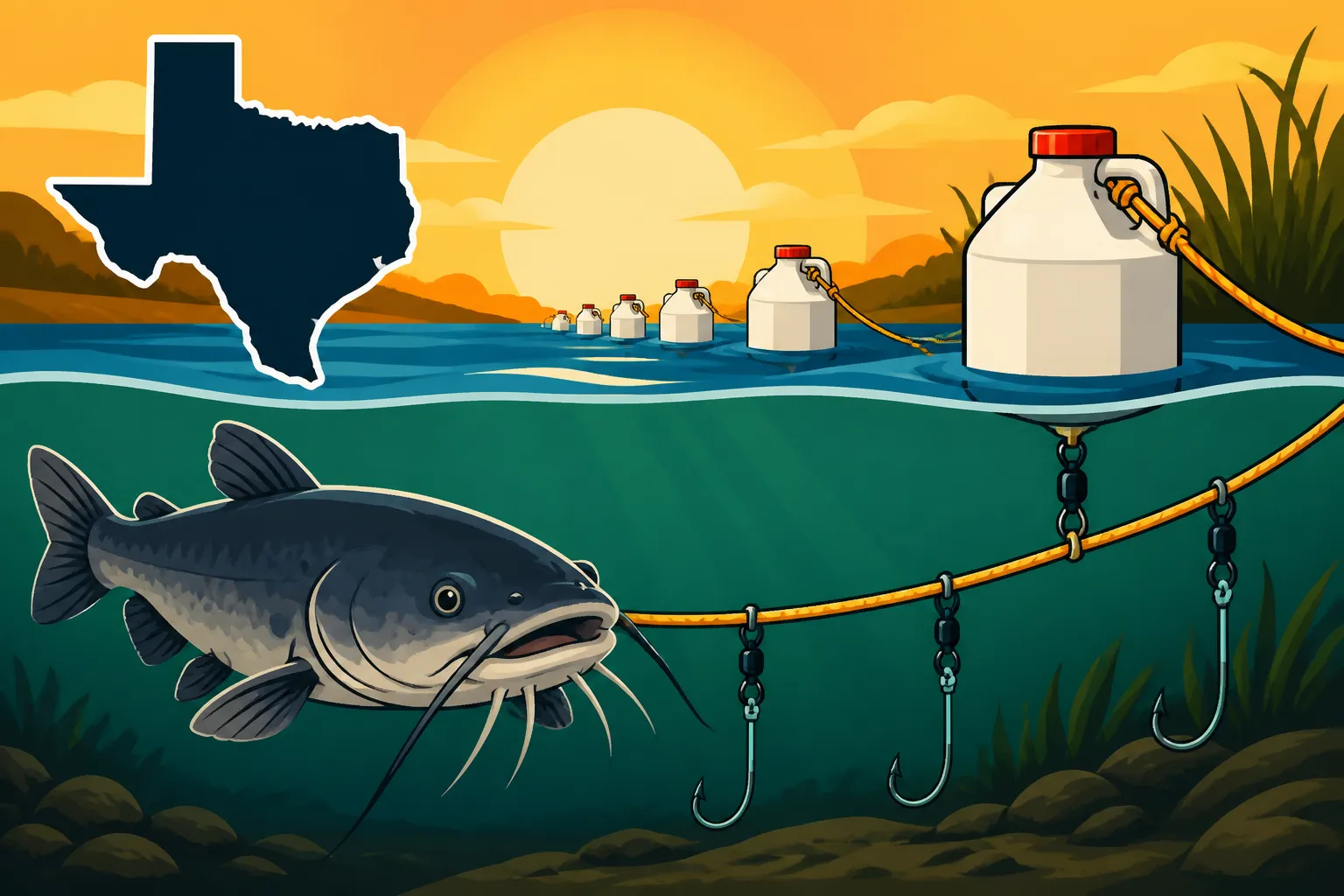
The "jug" in jugline refers to the float that supports your line and indicates a bite. While purpose-built floats are available, many experienced anglers create their own using readily accessible and affordable materials. Pool noodles cut into 10-12 inch sections are incredibly popular because they're brightly colored, buoyant, and easy to mark. Another common choice is sections of PVC pipe capped on both ends, or even clean, empty plastic milk jugs or soda bottles, though these might not be as durable or visible as noodles. The key is visibility and buoyancy. You want to spot your jugline easily from a distance, and it needs to support the weight of a struggling catfish without sinking.
For the line itself, durability is key. You'll want a strong, abrasion-resistant line, usually between 50 to 100-pound test. Monofilament line is affordable and widely used, but braided line offers superior strength and less stretch, which can be an advantage when a big fish hits. A good quality, high-test fishing line prevents break-offs, especially around submerged brush or when a monster blue cat decides to put up a fight. The length of your line will depend on the depth of the water you're fishing; you want enough line to reach near the bottom but not so much that it's constantly getting snagged. Many anglers have success with lines cut to about 8-15 feet, depending on the average depth of their target areas. You can find robust options for both floats and line on Amazon, making it convenient to stock up before your trip.
Selecting Hooks, Weights, and Swivels
The business end of your jugline setup involves the hooks, weights, and swivels. For catfish, circle hooks are highly recommended. They are designed to hook fish in the corner of the mouth, which is much safer for the fish if you plan to release them and reduces the chance of gut-hooking. Sizes typically range from 5/0 to 10/0, depending on the size of catfish you're targeting. For blue catfish, larger hooks are often preferred, while channel catfish might do fine with slightly smaller ones. If you're wondering How many hooks can you legally use on a jugline, remember the limit is five hooks per jugline in Texas.
Weights are essential for keeping your bait down in the strike zone and preventing your line from drifting too much in current or wind. Lead weights, typically 1 to 3 ounces, are common. You can use pyramid sinkers, egg sinkers, or even rebar cut into short sections. The weight should be heavy enough to hold your bait near the bottom without being so heavy that it pulls your float under excessively. Swivels are small but mighty components that prevent line twist, which can be a huge headache when you're dealing with multiple hooks and a thrashing fish. A barrel swivel or a three-way swivel placed strategically above each hook can make a world of difference. When sourcing these, consider buying in bulk, as you'll need many for a full set of juglines. Good quality, rust-resistant hooks and swivels can often be found in multi-packs on Amazon.
Best Baits for Texas Catfish on Juglines
Catfish aren't picky eaters, but some baits are undeniably more effective than others, especially when left out on a jugline. The key is scent and durability. Cut bait is a perennial favorite across Texas. Shad, carp, perch, or even small pieces of rough fish like sunfish cut into chunks release a strong scent trail that catfish just can't resist. If you're targeting larger blue catfish, bigger chunks of fresh cut bait are often the ticket.
Another incredibly popular and effective bait, particularly for channel catfish and smaller blues, is chicken liver. It's cheap, easily accessible, and has an irresistible scent. However, it can be a bit messy and might not stay on the hook as well as cut bait. Punch baits or stink baits, which are often dough-like concoctions with strong odors, also work wonders for channel cats. Brands like Berkley PowerBait or Catfish Charlie have proven their worth countless times. The beauty of juglining is that you can deploy multiple lines with different baits to see what the fish prefer on any given day. To learn more about what gets the biggest bites, check out our guide on the Best Catfish Bait for Texas Lakes.
Step-by-Step Jugline Assembly and Deployment
Now that you have all your components, it's time to put them together. The assembly process is straightforward, but doing it correctly ensures your juglines are effective and don't end up as a tangled mess.
Assembling Your Jugline System
Start with your float. If you're using pool noodles, you might want to attach a small eye-bolt or use a strong adhesive and tie your main line directly to it. For PVC, drill a hole and tie off securely. Next, measure out your main line. A common setup involves tying one end of your main line to the float, then adding your weight at the bottom. Between the float and the weight, you'll attach your hooks. Many anglers opt to tie smaller dropper lines (snoods) to the main line, each with a hook attached, using three-way swivels to keep them spaced out and prevent tangles. Ensure your knots are strong and secure – a Palomar knot or improved clinch knot are excellent choices for this heavy-duty application.
Space your hooks out along the line, typically 2 to 4 feet apart, to cover different depths and prevent snags. For example, you might have one hook near the surface, another mid-water, and a third closer to the bottom. This allows you to "fish" multiple depths simultaneously. Once your hooks are tied on, attach your weight to the very end of the main line. Don't forget to attach your waterproof gear tag to the float before you deploy! Having a dedicated tackle box or bucket for pre-assembled juglines makes deployment much faster and keeps things organized. You can even find pre-made jugline components or full kits on Amazon if you prefer a plug-and-play approach.
Strategic Placement and Setting Your Juglines
Where you set your juglines is just as important as how you build them. Catfish, especially in larger Texas reservoirs like Lake Livingston or Lake Conroe, often relate to structure and depth changes. Look for creek channels, submerged humps, ledges, timber, or areas with current. In rivers, current breaks and deeper pools are prime spots. The best time to set juglines for catfish is typically in the evening, allowing them to soak overnight, as catfish are often more active feeders during the low-light hours. Our guide on How to Catch Catfish at Night in Texas offers even more insights into nocturnal catfishing strategies.
When deploying, motor slowly and carefully, dropping your baited lines one by one. Try to set them in a pattern that allows you to easily retrieve them without them drifting into heavy cover or confusing them with other anglers' lines. Use a GPS to mark their locations, especially in large lakes. If there's wind, set your juglines upwind of where you expect the fish to be, allowing them to drift slowly over promising areas. Remember to check your lines at least once every 24 hours, as mandated by TPWD. This ensures you're harvesting your catch ethically and legally, and helps prevent any fish from suffering unnecessarily.
Best Practices for Success and Safety
Beyond the setup, a few best practices can greatly improve your juglining experience. Always carry a long-handled net or a gaff for landing large catfish, as trying to hand-line a big one can lead to lost fish or injuries from hooks. A pair of sturdy gloves is also highly recommended to protect your hands from sharp fins and hooks. When retrieving lines, unhook fish quickly and efficiently, then re-bait and re-deploy.
Safety on the water is paramount. Always wear your life jacket, especially if you're out at night or in unpredictable weather. Inform someone of your float plan, including where you're going and when you expect to return. Ensure your boat is properly equipped with all necessary Texas boat safety equipment requirements, including navigation lights if fishing after dark. Responsible angling also means leaving no trace – pick up any discarded line, bait containers, or trash. Our beautiful Texas waterways deserve our respect and protection.
Troubleshooting Common Jugline Challenges
Even with the best preparation, you might encounter a few hiccups when juglining. It's part of the learning process! Knowing how to troubleshoot common issues can turn a frustrating situation into a minor inconvenience.
Dealing with Tangled Lines and Snags
One of the most common complaints about juglining is tangled lines. This often happens during deployment if you're moving too fast or if the wind/current is strong. To minimize tangles, ensure your dropper lines are spaced adequately with swivels. When retrieving, always pull the line in slowly and coil it neatly into a bucket to prevent knots. If a line gets snagged on submerged timber or brush, try moving your boat to different angles around the snag and gently pulling. Sometimes, a hard, quick pull can free it, but be prepared to lose some tackle if it's truly stuck. Carrying extra pre-rigged sections of line and hooks can help you quickly repair or replace a damaged jugline.
Attracting Different Catfish Species
Texas is home to three main species of catfish: channel, blue, and flathead. While juglining is effective for all three, your bait choice and placement can influence which species you attract. Channel catfish are often opportunistic feeders and respond well to cut bait, chicken liver, and stink baits fished in various depths. Blue catfish tend to prefer fresh cut bait, particularly shad or carp, and are often found in deeper river channels or main lake basins. Flathead catfish are ambush predators that almost exclusively prefer live bait, such as sunfish or small perch, set near structure like fallen trees or rocky outcrops. If you're consistently catching one species and want to target another, consider adjusting your bait and the depth you're fishing. For more detailed information on each species, explore our guides on Texas Blue Catfish Identification Guide, Texas Channel Catfish Identification Guide, and Texas Flathead Catfish Identification Guide. You can also find tips on How to fish a Texas river for catfish which might include specific jugline tactics for river-dwelling species.
Here’s a quick overview of essential jugline components:
| Component | Purpose | Typical Options | Notes |
|---|---|---|---|
| Float (Jug) | Buoyancy; indicates a bite; holds gear tag | Pool noodles, PVC pipe, plastic bottles | Must be visible and buoyant enough for large fish. |
| Main Line | Connects float, hooks, and weight; withstands fight | 50-100 lb test monofilament or braided line | Length depends on water depth; abrasion-resistant is crucial. |
| Hooks | Catches the fish | 5/0 – 10/0 circle hooks | Circle hooks recommended for fish welfare; match size to target species. |
| Weights | Keeps bait at desired depth; stabilizes line | 1-3 oz lead weights (pyramid, egg), rebar | Heavy enough to hold bait down but not sink the float. |
| Swivels | Prevents line twist; helps separate hooks | Barrel swivels, three-way swivels | Essential for preventing tangles and managing multiple hooks. |
| Bait | Attracts the fish | Cut bait (shad, carp), chicken liver, punch bait, live perch | Scent and durability are key; vary based on target species and conditions. |
| Gear Tag | Legal identification | Waterproof tag with name, address, date | Absolutely required by TPWD. |
Disclaimer
Fishing regulations and best practices can change. Always consult the latest Texas Parks and Wildlife Department (TPWD) Outdoor Annual or website for the most current rules and regulations before heading out on your fishing adventure. This guide is for informational purposes only and should not replace official sources.