How to fish before a cold front moves through
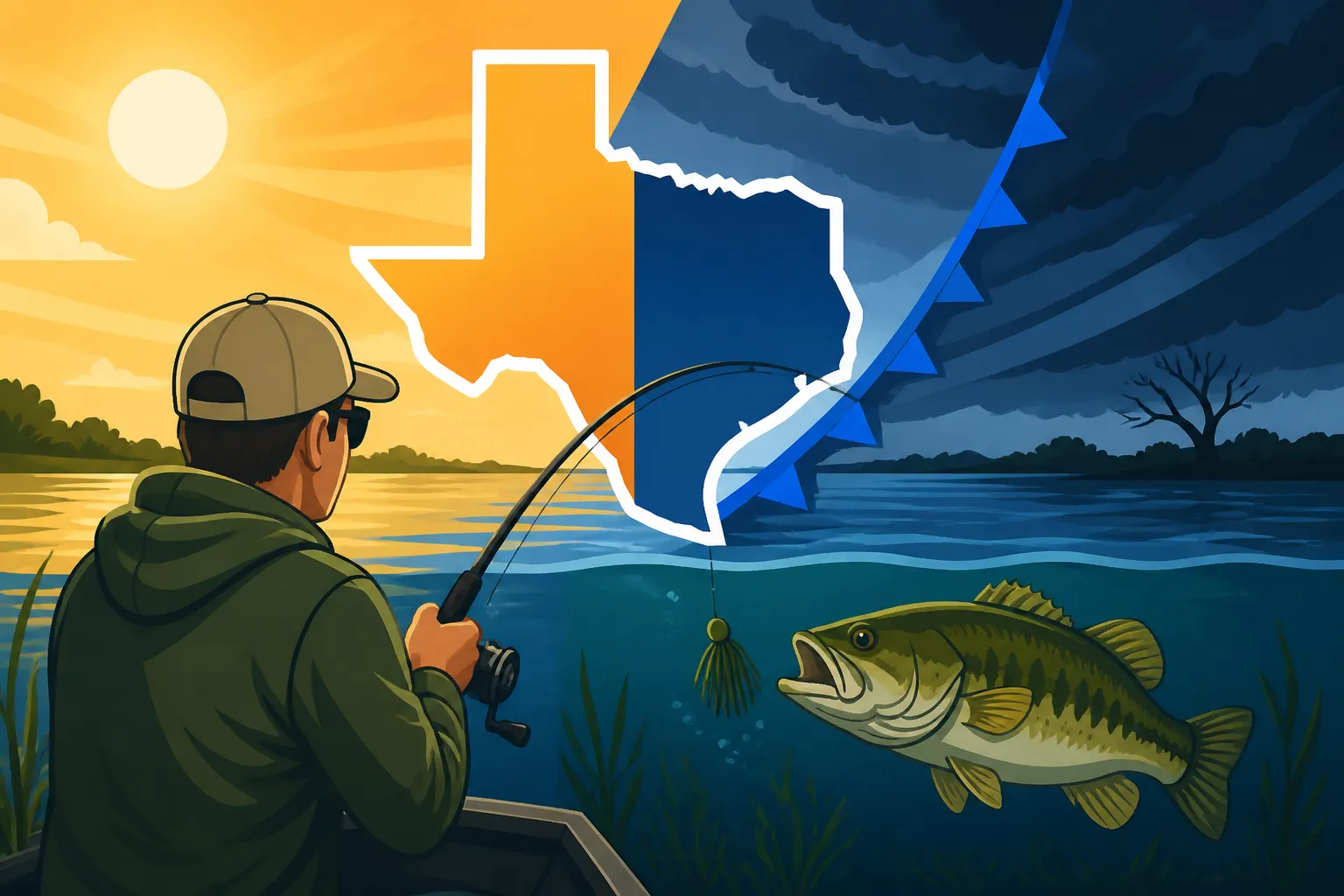
There's nothing quite as frustrating as planning a perfect fishing trip, only for a sudden cold front to blow through and shut down the bite completely. You've been there, I've been there – one day the fish are practically jumping in the boat, and the next, it's like they've all packed up and moved to another dimension. But here's a little secret: those moments before a cold front can actually be some of the most productive fishing you'll ever experience in Texas. This guide is all about helping you recognize the subtle cues of an approaching front and capitalizing on that brief, exciting window of opportunity when the fish often go on a feeding frenzy.
Understanding What a Cold Front Does to Fish
Before we dive into tactics, let's talk a little bit about why fish react the way they do to a cold front. It's not just about the temperature dropping; a lot of it has to do with atmospheric pressure, which we often refer to as barometric pressure.
The Role of Barometric Pressure
Think of barometric pressure as the weight of the air pressing down on the water. Fish, especially those with swim bladders, are incredibly sensitive to these changes. When the weather is stable, the pressure is typically steady, and fish behavior is predictable. But as a cold front approaches, the barometric pressure usually drops significantly. This drop can make fish feel uncomfortable, almost like a human experiencing a rapid ascent in an airplane – their swim bladders expand. They sense this change, and it often triggers an instinctive feeding spree. It's like they know tough times (and less comfortable conditions) are ahead, so they need to fuel up while they can.
Once the cold front passes, the pressure usually rises sharply and stabilizes at a higher point. This sudden increase can feel even more uncomfortable for fish, causing their swim bladders to compress. This is often why the bite "shuts off" after the front has moved through. Fish become sluggish, often retreating to deeper water or dense cover where they can equalize the pressure and conserve energy. Understanding How barometric pressure affects fishing is crucial for anticipating these shifts.
Species-Specific Reactions to Pre-Front Conditions
While the general rule of "feed before the front" applies to many species, their specific reactions can vary slightly. Knowing these nuances can help you tailor your approach.
- Largemouth Bass: Our beloved Texas largemouths are often the poster children for pre-front feeding. As the pressure drops, they'll typically move shallower and become much more aggressive. They're looking for an easy, substantial meal. This is when fast-moving baits truly shine. You might find them suspended near baitfish schools or actively patrolling cover, ready to ambush.
- Crappie: Crappie also get a burst of activity before a front. They might congregate in shallower brush piles, timber, or along creek channels, actively pursuing baitfish. Their bite can be fast and furious for a short period.
- Catfish: Catfish are often a bit more resilient to pressure changes than other species, but even they can get more active before a strong front. They'll sense the coming change and might move into shallower flats or channels to feed. This can be a great time for cut bait or prepared baits.
- Saltwater Species (Redfish, Speckled Trout): Don't forget our coastal fisheries! Redfish and speckled trout in the bays and flats also respond to barometric pressure drops. They might feed more aggressively in shallower water, especially around baitfish schools or oyster reefs. You'll often see them crashing bait on the surface or pushing wakes in the skinny water. Recognizing Texas Redfish Size and Bag Limits and Texas Speckled Trout Bag Limits is important, even during a hot bite.
Reading the Weather: Signs of an Incoming Cold Front
You don't need to be a meteorologist to read the signs, but paying attention to nature's cues can give you a significant advantage. The key is to be proactive, not reactive.
Subtle Atmospheric and Environmental Indicators
Before the weather apps loudly proclaim a cold front, there are often subtle shifts that experienced anglers learn to notice.
- Wind Changes: One of the most common early indicators is a shift in wind direction and intensity. Often, before a cold front, you'll experience a south or southeast wind that gradually picks up in strength. The air might feel unusually warm and humid. As the front gets closer, the wind might die down briefly, only to pick up fiercely from the north or northwest right as the front hits. Keeping an eye on How wind affects bass fishing on Texas lakes can provide valuable insights.
- Cloud Formations: Pay attention to the sky. You might see a slow build-up of clouds, often starting with high, wispy cirrus clouds that gradually thicken into more substantial, lower-hanging clouds like altocumulus or stratocumulus. These can sometimes bring a light rain or drizzle before the main front arrives.
- Temperature and Humidity Swings: A noticeable increase in humidity and a slight bump in temperature, even on a day that started cool, can signal an approaching front. The air might feel thick and heavy. Conversely, if you feel a sudden, unseasonable warmth, a front might be on its way to correct it.
- Baitfish Activity: Sometimes, the baitfish themselves are the best indicators. They might become more active or skittish, schooling tightly or jumping nervously. This increased activity can be a direct response to the pressure change or to the game fish starting to feed more aggressively on them.
Utilizing Weather Forecasts and Tools
While subtle cues are great, modern technology is your friend. Don't rely on just one source.
- Multiple Weather Apps: Check a few different weather apps or websites. Some are better at predicting wind, others at precipitation, and some even offer barometric pressure graphs. Look for forecasts showing a significant drop in pressure, followed by a sharp rise.
- Radar and Satellite Imagery: Learn to interpret weather radar. You can often see the distinct line of a cold front approaching, sometimes with a band of storms or precipitation associated with it. Satellite imagery can show cloud patterns moving across the state. This helps you visualize when the front is expected to hit your specific fishing spot.
- Local Fishing Reports: Often, local bait shops or fishing guides will mention incoming weather patterns in their reports. They're on the water constantly and have a good feel for how the fish are reacting. Always cross-reference their anecdotal evidence with your own observations and the scientific forecasts.
Strategic Fishing Before the Front Arrives
Now for the fun part: how to maximize your chances during that pre-front feeding spree. It's all about timing, location, and presentation.
Targeting Key Locations
Fish often move to specific areas to feed before a front. Think about where baitfish would be pushed or where game fish would have an advantage.
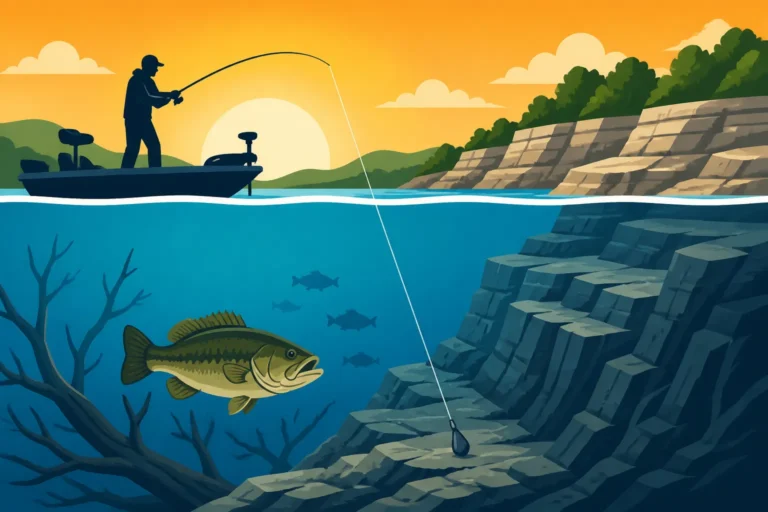
- Shallow Water and Transitional Zones: As the pressure drops, many fish will push into shallower water, especially those areas adjacent to deeper drops or channels. Look for points, humps, submerged roadbeds, and the edges of grass lines or weed beds. These are natural ambush points where fish can quickly move in, feed, and then retreat to deeper comfort zones once the front passes.
- Wind-Blown Banks and Structure: If there's a steady wind (often from the south/southeast) before the front, focus on the wind-blown banks. The wind pushes baitfish against these shores, creating a buffet line for game fish. This can include riprap, rocky banks, or even standing timber on the windy side of a lake.
- Current Breaks (Rivers/Tidal Areas): In rivers or tidal zones, look for areas where the current creates eddies or slack water, but still has good access to the main flow. Fish will often stage here, waiting for an easy meal to be swept by. Examples include the backs of creek mouths, points where current deflects, or around bridge pilings. For those fishing the coast, understanding Best Tides for Fishing Texas Bays can significantly influence success.
Aggressive Tactics and Bait Selection
This isn't the time for finesse, generally speaking. Fish are often looking for a substantial meal and are more willing to chase.
- Fast-Moving Baits: This is prime time for baits that cover a lot of water quickly and trigger reaction strikes. Think about crankbaits (especially lipless crankbaits), spinnerbaits, chatterbaits, and even topwater lures if the conditions are right (low wind, stable temps). These baits mimic fleeing baitfish, and the aggressive fish won't hesitate. For bass anglers, Best lures for Lake Fork bass in spring can often apply to pre-front conditions on other lakes too.
- Reaction Baits: Don't be afraid to experiment with bigger profiles or brighter colors than you might normally use. The fish's metabolism is often ramped up, and they're not as picky. Large swimbaits or oversized soft plastics on a Texas rig can also be incredibly effective. Make sure your tackle box is ready; checking a guide like Best Tackle for Texas Bass Fishing is a good idea.
- Live Bait: If you're targeting crappie or catfish, live minnows or shad can be deadly. The natural movement and scent of live bait are hard for actively feeding fish to resist. Catfish especially will respond well to fresh cut bait or even worms. Best Bait and Lures for Texas Fishing offers a broad overview.
| Fish Behavior Aspect | Before Cold Front | After Cold Front |
|---|---|---|
| Barometric Pressure | Dropping, often rapidly | Rising sharply, then high and stable |
| Activity Level | High, often aggressive feeding | Low, sluggish, inactive |
| Preferred Depth | Shallower, near cover, ambush points | Deeper, tight to cover, conserving energy |
| Feeding Drive | High, seeking substantial meals | Low, metabolic rate slowed |
| Lure Preference | Fast-moving reaction baits, larger profiles | Slow, subtle presentations, finesse baits, vertical |
| Baitfish Movement | Often pushed shallow, scattered, or frantic | Retreat to deeper, stable water |
Gear and Presentation for Pre-Front Fishing
Having the right gear and knowing how to present your bait makes all the difference when those fish are fired up.
Rods, Reels, and Line
You'll often be making longer casts and dealing with powerful strikes from aggressive fish.
- Medium-Heavy to Heavy Rods: For most bass and redfish applications, a medium-heavy to heavy action rod is ideal. This gives you the backbone to cast larger baits and effectively set the hook. A 7-foot to 7-foot 6-inch rod is versatile for both casting distance and leverage.
- Fast Ratio Reels: A reel with a faster gear ratio (e.g., 7.1:1 or higher) is excellent for quickly retrieving slack line, keeping up with fast-moving fish, and working baits with the proper speed. Whether you prefer Best Baitcasting Reels for Texas Bass Fishing or spinning reels, ensure it's up to the task.
- Strong Line: Braided line with a fluorocarbon leader is a popular choice for its sensitivity, strength, and low visibility. Depending on the cover, 15-20 lb test fluorocarbon or monofilament can also be very effective, especially for crankbaits. Ensure you know Best line weight for Texas bass fishing.
Effective Presentation Techniques
Even with aggressive fish, presentation matters. Make your bait look as enticing as possible.
- Covering Water: Don't sit in one spot. Before a front, fish are often scattered and actively searching. Make long casts and fan-cast an area to cover as much water as possible. Use your trolling motor to move along likely stretches of bank or structure, making repeated casts.
- Varying Retrieval Speed: While generally faster is better, don't be afraid to experiment. Sometimes a sudden pause or change in retrieve speed can trigger a reluctant strike. If you're using a crankbait, deflecting it off cover can create an irresistible erratic action.
- Working the Edges: Focus on the "seams" – where shallow water meets deep, where clear water meets stained, or where different types of cover converge. These transition zones are often hotspots. Bass, especially, love to patrol the edges of hydrilla lines or submerged timber.
Safety and Awareness During Pre-Front Fishing
While the excitement of a hot bite is undeniable, remember that you're fishing before potentially adverse weather. Your safety should always be the top priority.
Monitoring Weather Conditions Constantly
Even if the forecast was clear a few hours ago, fronts can move faster or bring more intense conditions than predicted.
- On-the-Water Checks: Keep an eye on the sky and the water. Darkening clouds, a sudden shift in wind direction or speed, or a drastic drop in temperature are all signs that the front is closer than you think. If you see lightning or hear thunder, it’s time to head in immediately.
- Portable Weather Radios/Apps: A portable weather radio or a reliable weather app on your phone (if you have reception) can provide real-time updates and severe weather alerts. Don't assume the weather will hold just because the fish are biting.
Preparing for Rapid Changes
Texas weather can be notoriously unpredictable, especially around frontal passages.
- Layered Clothing: Dress in layers. Before a front, it might be warm and humid, but once it hits, temperatures can plummet rapidly, sometimes by 20-30 degrees in an hour. Having waterproof and windproof outer layers is essential.
- Essential Safety Gear: Always have your Texas Life Jacket Requirements for Boats covered, wear a PFD, and ensure your boat has all required safety equipment. If you're bank fishing, know your exit routes and be aware of slippery banks if rain moves in. Cold fronts can bring high winds, making boat operation difficult and dangerous. Have enough fuel, and know how to operate your boat in rough conditions.
- Communication: Inform someone of your fishing plans, including where you'll be and when you expect to return. This is crucial in case of an emergency.
Fishing before a cold front moves through can be one of the most exhilarating experiences an angler can have in Texas. By understanding the science behind the bite, paying close attention to weather cues, and employing the right strategies and gear, you can turn a potentially "bad weather" day into a memorable fishing adventure. Just remember to prioritize safety above all else, and you'll be well on your way to catching that pre-front trophy!
Disclaimer
This article is for general informational purposes only and does not constitute professional advice. Laws, prices and regulations vary by location and change over time. Consult a qualified professional for guidance on your specific situation.