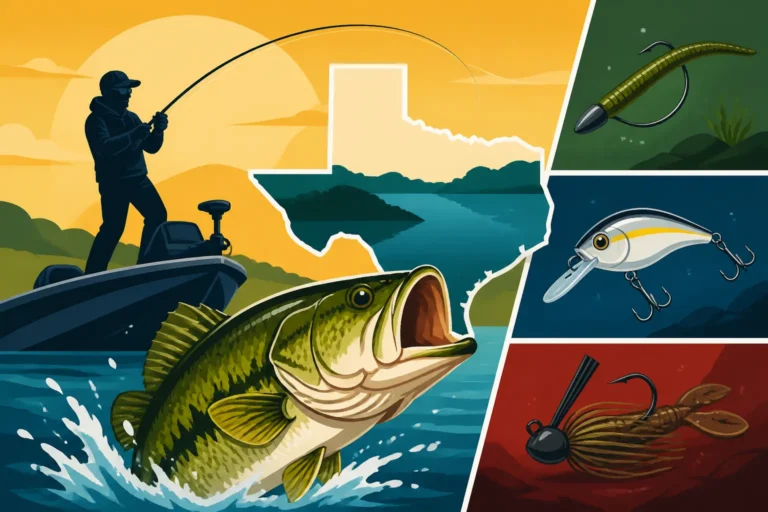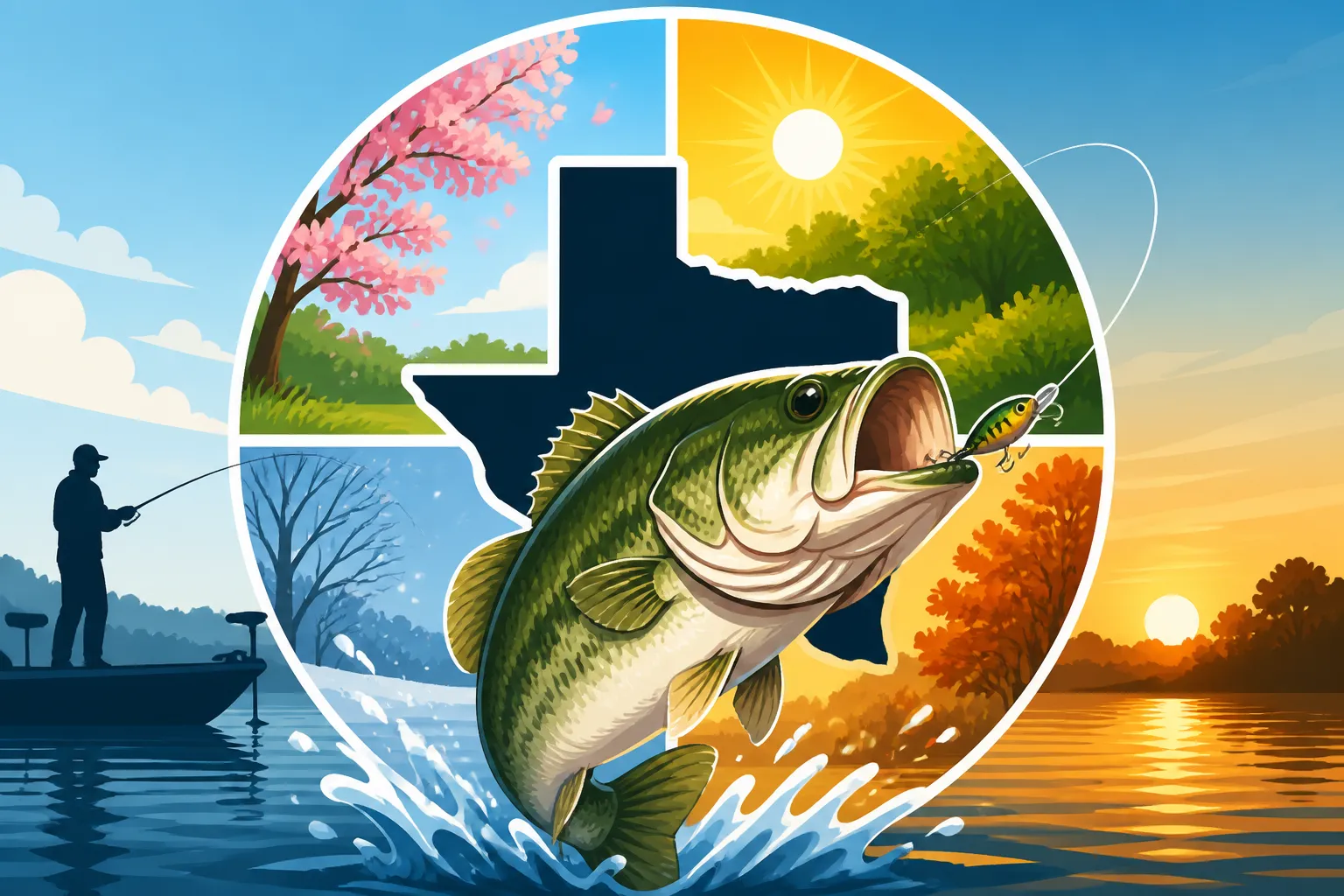
Best season to catch a trophy Texas bass
Chasing that truly massive, once-in-a-lifetime largemouth bass in Texas can feel like a mythical quest, often leaving anglers wondering if they're even fishing at the right time of year. It’s a common frustration to put in countless hours only to come up short. This guide will meticulously break down the absolute best seasons to target and successfully land a trophy-sized bass in the Lone Star State, offering strategies for each period.
Understanding the Trophy Bass Quest in Texas
Before we dive into the nitty-gritty of seasonal strategies, let's get on the same page about what we're actually chasing. A trophy bass isn't just a big fish; it's often a fish of a lifetime, a testament to skill, patience, and a bit of luck. Texas has a well-deserved reputation for producing giants, but they don't just jump into your boat.
Defining a "Trophy Bass" in the Lone Star State
When Texans talk about a "trophy bass," they're typically thinking of something significantly larger than your average five or six-pounder. While any double-digit bass is certainly a trophy in most anglers' books, many aspire to the hallowed "ShareLunker" status. The Texas Parks and Wildlife Department (TPWD) runs the Toyota ShareLunker program, which collects big bass for spawning purposes. Historically, this program focuses on bass weighing 13 pounds or more. Catching a ShareLunker-sized bass is the pinnacle for many Texas anglers, representing an elite class of fish that often requires specific conditions and dedicated effort.
It's important to understand that these fish are old, wise, and incredibly strong. They've survived countless encounters with lures and natural predators. They don't fall for every trick in the book, and they're rarely found in high numbers. The pursuit of a trophy bass is less about catching a lot of fish and more about understanding the habits of one very specific, very large animal. It demands a different mindset, a commitment to specific techniques, and an unwavering belief that the next cast could be the one.
The Influence of Texas Weather on Bass Behavior
Texas weather is notoriously fickle and diverse, spanning vast geographical regions from the humid piney woods of East Texas to the arid brush country of South Texas. This wide range of climates plays a monumental role in how bass behave throughout the year, directly influencing when and where you might encounter a trophy. Water temperature is the primary driver. Bass are cold-blooded creatures, meaning their metabolism and activity levels are dictated by the temperature of their environment.
In the cooler northern parts of the state, distinct seasons lead to more predictable bass movements, while in the warmer southern regions, the "seasons" might blend more, with shorter, milder winters. Understanding these regional nuances is critical. For instance, what's considered "cold water" in East Texas might feel like a spring day to a bass angler fishing closer to the Gulf Coast. The timing of fronts, rainfall, and prolonged periods of heat or cold all dictate when bass move from deep structure to shallow feeding grounds, when they spawn, and when they become most vulnerable to a well-presented lure. You can dive deeper into these variations by exploring the Best Time of Year to Fish in Texas.
The Prime Seasons for Trophy Bass: A Deep Dive
While trophy bass can be caught any time of year, certain seasons offer significantly higher probabilities due to the fish's biological imperatives. These are the windows when the giants are most active, most concentrated, or most accessible.
Winter: The Cold-Weather Giants
Ask many seasoned Texas trophy hunters, and they'll tell you that winter is undeniably one of the absolute best times to catch a monster bass. This might sound counterintuitive to those who think fishing slows down in the cold, but for the biggest fish, it’s often prime time. The period from roughly December through February, and sometimes into early March, can be incredibly productive.
During these colder months, baitfish like shad will often school up and move into deeper water or seek warmer thermal refuges. The big bass follow them, congregating in predictable areas such as deep points, humps, creek channels, and submerged timber. The bass's metabolism slows down, meaning they don't feed as aggressively or as frequently, but when they do, they're looking for a substantial meal to sustain their large bodies. This means slower presentations are key. Think big jigs, spoons, or deep-diving crankbaits meticulously worked along the bottom.
Furthermore, this is typically when the ShareLunker program is in full swing for its "Legacy Class" fish, running from January 1st through March 31st. This timing isn't accidental; it coincides with when the biggest, heaviest females are often caught, either still feeding heavily or already positioning for the upcoming spawn. If you're serious about landing a ShareLunker, Best time to catch a Legacy Class ShareLunker bass offers more detailed insights into this critical window. These fish are often at their heaviest before they drop their eggs, making them truly impressive specimens.
Early Spring: Pre-Spawn Powerhouses
As the Texas winter begins to relinquish its grip and water temperatures slowly climb from the low 50s into the 60s, a magical period for trophy bass fishing begins: the pre-spawn. This phase, typically from late February through April, is characterized by big female bass gorging themselves in preparation for the strenuous act of spawning. They need to pack on calories and develop their eggs, making them incredibly aggressive and willing to chase larger baits.
During pre-spawn, bass start migrating from their deep winter haunts toward shallower spawning flats. They'll stage on points, humps, and submerged roadbeds adjacent to these areas, waiting for the water temperature to stabilize. This is a fantastic time to throw reaction baits like bladed jigs, lipless crankbaits, spinnerbaits, and medium to deep-diving crankbaits. The fish are often still grouped up, so when you find one, you're likely to find more. It’s an exhilarating time to be on the water, as the bites are often jarring and the fish fight with incredible power. Understanding How to catch pre-spawn bass in early spring can significantly increase your chances during this productive period.
The sheer volume of food a trophy bass consumes during pre-spawn makes them particularly susceptible to larger profile lures. They're not just nipping at tiny morsels; they're actively hunting for substantial meals. Covering water efficiently with powerful search baits can lead to finding these concentrations of hungry giants.
Spring: Spawning Success (and the Debate)
Once water temperatures consistently hit the mid-60s to low 70s, typically from late March through May in most of Texas, the largemouth bass spawn begins in earnest. This is when the biggest females move onto shallow beds to lay their eggs, often making them visible to anglers. For many, sight fishing for bedding bass offers a unique opportunity to target and catch a true trophy.
Anglers often look for visible nests in clear, shallow water, particularly in protected coves, pockets, and along gradual banks. While the fish are focused on reproduction, they can be provoked into striking by baits presented directly into their bed. Common tactics include pitching jigs, creature baits, or soft plastic worms. It requires stealth, patience, and precise casting to coax a strike. However, there's also a significant debate within the angling community regarding the ethics of catching bass directly off their beds, as it can disrupt the spawning process. Many dedicated trophy anglers prefer to target pre-spawn bass when the fish are actively feeding and not as vulnerable. You can learn more about the specific timing of this crucial period in Texas Largemouth Bass Spawning Months.
Regardless of your personal stance on targeting bedding bass, the sheer presence of these giants in shallow, accessible water makes spring an undeniable period for trophy potential. If you choose to fish the spawn, be mindful of best practices for quick release to ensure the fish can return to its nest and complete its reproductive duties.
Seasonal Challenges and Opportunities for Big Bass
While winter and spring often get the most buzz for trophy bass, the other seasons present their own unique challenges and, for those who adapt, rewarding opportunities.
Summer: Battling the Heat for Big Bites
Texas summers are legendary for their intense heat, and this extreme warmth significantly impacts bass behavior. As water temperatures soar into the 80s and even 90s, largemouth bass, especially the larger ones, seek refuge from the sun and heat in deeper, cooler water or dense, oxygen-rich cover. They become less active during the day, making them harder to catch.
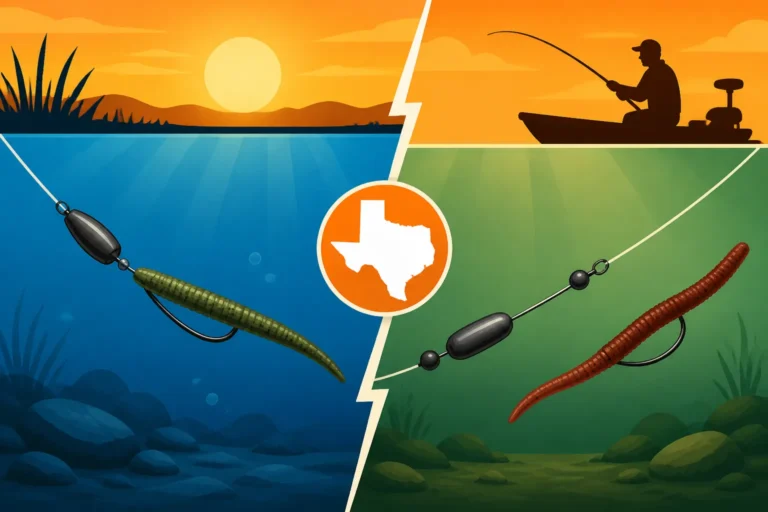
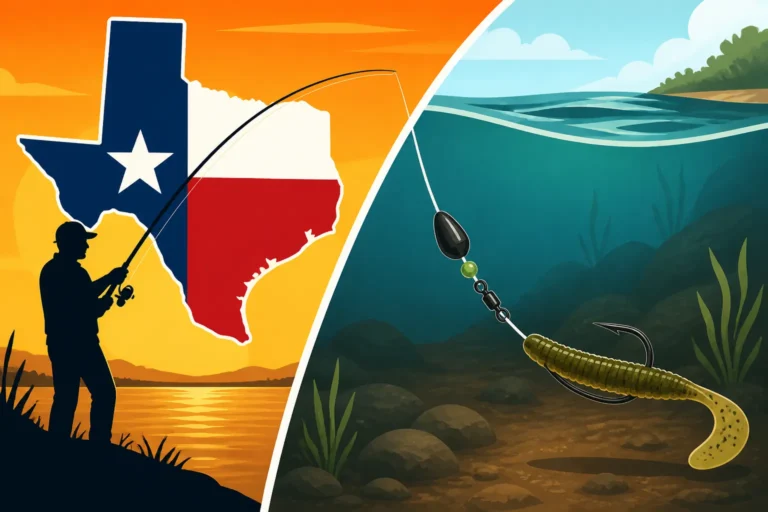
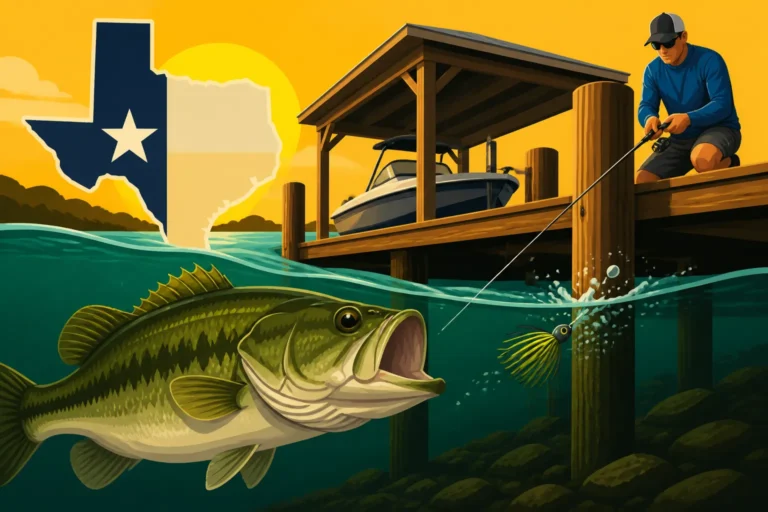
However, determined anglers can still find success by adjusting their approach. Early mornings and late evenings, or even night fishing, become prime times when the surface temperatures drop, and bass move shallower to feed. During the brightest parts of the day, trophy bass will often be found in deep offshore structure, under heavy mats of vegetation, or tucked into the darkest shade of boat docks and cypress trees. Techniques like deep cranking, fishing heavy jigs or How to fish a Texas rig for bass in thick cover, or working large worms slowly along the bottom can produce results. Night fishing under lights can also be incredibly effective for big bass, as they become more active when the sun goes down. How to catch bass in the heat of a Texas summer provides more specialized advice for these challenging conditions.
While the number of bites might decrease, the quality of fish caught in summer can still be impressive, particularly for anglers willing to endure the heat and fish unconventional hours or deep structure. Patience and knowing your electronics to find those thermal refuges are paramount.
Fall: The Feeding Frenzy Before Winter
As the oppressive summer heat finally breaks and water temperatures begin their gradual descent, Texas bass enter a renewed feeding frenzy during the fall, typically from September through November. This is a fantastic time to catch trophy fish, as they sense the impending winter and actively chase baitfish to build up their fat reserves.
The key to fall fishing is often finding the bait. Shad, sunfish, and other forage fish will school up in massive numbers, moving into the backs of coves, along main lake points, and near river channels. The bass follow them relentlessly. This makes fall an excellent season for reaction baits that mimic fleeing baitfish. Topwater lures can be incredibly effective during low light conditions, while spinnerbaits, bladed jigs, and crankbaits worked through schooling baitfish or along creek channels can draw explosive strikes. The fish are often aggressive and willing to chase, leading to exciting and productive days on the water. For more specific strategies on capitalizing on this period, check out Best baits for a fall feeding frenzy.
The fall also offers a pleasant change in weather, making it more comfortable for anglers. The cooler air and water temperatures re-energize the bass, often leading to powerful fights and some of the heaviest fish of the year, second only to the pre-spawn giants.
Key Factors Beyond Just the Calendar
While knowing the best seasons is crucial, successful trophy bass fishing involves a holistic approach. It's not just when you fish, but where and how.
The Role of Lake Choice and Specific Conditions
Not all Texas lakes are created equal when it comes to consistently producing trophy bass. While any lake can potentially hold a giant, some fisheries are renowned for their propensity to kick out double-digit fish. Lakes like Lake Fork, Sam Rayburn Reservoir, Toledo Bend Reservoir, and O.H. Ivie Reservoir are legendary for a reason—they have the perfect combination of rich forage, excellent habitat, and management practices that allow bass to grow to immense sizes. If your goal is a true trophy, starting with a proven lake significantly increases your odds. Texas Trophy Bass Lakes and Records provides a great overview of these prime locations.
Beyond the lake itself, understanding specific conditions on any given day is paramount. Water clarity, current, recent weather patterns (like cold fronts or heavy rains), and the presence of abundant forage all influence where a trophy bass might be hiding and what it might be willing to bite. A trophy bass angler constantly assesses these variables, adjusting their approach accordingly. For instance, a clear, calm day might call for different tactics than a windy, stained-water scenario. Having reliable gear like a good fish finder, often found on Amazon, can also be invaluable for locating these specific conditions and the fish holding in them.
Gear, Technique, and Persistence
Catching a trophy bass is rarely an accident; it's the culmination of dedicated effort, the right tools, and refined techniques. You wouldn't bring a knife to a gunfight, and you shouldn't bring light tackle to a trophy bass hunt. Heavy-duty rods, stout reels, and strong line are non-negotiable. When you finally hook that giant, you need the equipment to control it and bring it to the boat. You can find robust options on Amazon for all your heavy-duty needs. Explore guides like Best rod and reel setup for Texas bass fishing to ensure your gear is up to the task.
The techniques employed for trophy bass often differ from those used for everyday bass fishing. They might involve larger baits, slower presentations, or more meticulous working of specific structures. Mastering techniques like fishing a Carolina rig in deep water, skipping a jig under docks, or effectively working a large swimbait for big bass, as detailed in How to fish a swimbait for big bass, are crucial skills. It's a game of patience and precision, where one perfect cast in a day can make all the difference.
Ultimately, persistence is perhaps the most critical factor. Trophy bass fishing is often characterized by long hours without a bite, followed by a fleeting moment of pure exhilaration. It requires an angler to stay focused, continue believing in their strategy, and never give up. The rewards, however, are absolutely worth the effort. For a broader understanding of bass fishing in Texas, consider reading the Texas Largemouth Bass Fishing Guide.
Trophy Bass Season Overview
To summarize, here's a quick look at the prime conditions and techniques for chasing trophy bass throughout the Texas calendar:
| Season | Typical Months | Water Temps (Approx.) | Bass Behavior | Recommended Techniques | Key Opportunity |
|---|---|---|---|---|---|
| Winter | Dec – Feb | 40s – Low 50s | Deep, lethargic, consolidated around bait. | Deep jigs, spoons, large swimbaits, slow rolls. | Heaviest fish (pre-spawn weight), ShareLunker window. |
| Early Spring | Late Feb – Early Apr | Low 50s – Mid 60s | Actively feeding, migrating to staging areas. | Bladed jigs, crankbaits, spinnerbaits, jigs, swimbaits. | Aggressive feeding before spawn, easily patterned. |
| Spring | Late Mar – May | Mid 60s – Low 70s | Spawning on beds in shallow water. | Sight fishing with jigs, soft plastics. | Visible fish, potential for direct targeting. |
| Summer | Jun – Aug | High 70s – 90s | Deep or in heavy cover, nocturnal feeding. | Deep cranking, heavy Texas rigs, night fishing. | Early/late day action, big fish in deep cover. |
| Fall | Sep – Nov | High 70s – Low 60s | Chasing baitfish, aggressive feeding. | Topwater, spinnerbaits, crankbaits, lipless cranks. | Energetic feeding frenzy, good reaction bite. |
Disclaimer
This article is for general informational purposes only and does not constitute professional advice. Laws, prices and regulations vary by location and change over time. Consult a qualified professional for guidance on your specific situation.