Best time of day to catch bass in summer
Fishing for bass in Texas during the summer can feel like an uphill battle. The scorching sun, triple-digit temperatures, and seemingly lethargic fish can leave even the most seasoned angler frustrated and questioning if it's even worth it. But don't throw in the towel just yet! This comprehensive guide will break down the best times of day to target those elusive Texas bass, offering strategies and tips to make your summer fishing trips more successful and, dare I say, enjoyable.
The Magical Hour of Early Morning Bass Fishing
When the Texas summer sun starts to beat down, it's a game-changer for bass. They become much less active, seeking refuge in deeper, cooler water or dense cover. This is precisely why the early morning, specifically the first few hours after sunrise, is often hailed as the absolute best time to catch bass. It's not just about tradition; there's real science and bass behavior behind it.
Beating the Heat and the Crowds
As the sun begins its ascent, the water temperature is at its coolest point, having had all night to dissipate the previous day's heat. This cooler water means higher dissolved oxygen levels, which instantly perks up baitfish and, consequently, the bass that feed on them. Imagine yourself on a lake like Lake Fork or Sam Rayburn at dawn; the air is still, the water is calm, and the entire ecosystem is just starting to wake up. This is when bass are most likely to be actively cruising the shallows, looking for an easy meal before the oppressive heat sends them scrambling for cover.
Beyond the biological advantages, there's a practical benefit: fewer people. While Texas lakes can get packed, especially on weekends, you'll often find yourself with more elbow room during these early hours. This means less boat traffic to spook the fish and more prime spots all to yourself. It's a peaceful, almost spiritual experience, getting out on the water as the world comes alive, and it significantly increases your chances of a good bite before the chaos of the day begins.
Topwater and Reaction Baits at Dawn
This early morning window is prime time for topwater action, which, let's be honest, is one of the most exciting ways to catch a bass. The low light conditions make bass less wary of baits breaking the surface, and their predatory instincts kick into overdrive. Think about throwing a noisy buzzbait that churns water or a walking bait like a Heddon Super Spook Jr. that glides back and forth, imitating an injured baitfish. Frogs, too, are incredibly effective around lily pads or matted vegetation, drawing explosive strikes. For a deeper dive into these exhilarating techniques, check out our guide on How to fish topwater lures early in the morning.
Another excellent choice for this time is a shallow-running crankbait or a spinnerbait. These lures cover water quickly, allowing you to locate active fish, and their flash and vibration mimic fleeing baitfish perfectly. Bass are often cruising flats, points, or along grass lines in the shallows during these cooler hours, and a fast-moving reaction bait can trigger aggressive strikes. You can find a fantastic selection of these topwater lures and reaction baits, from buzzing frogs to walking baits, on platforms like Amazon, making it easy to stock up before your next trip.
Navigating the Midday Lull with Deeper Strategies
Once the sun climbs high in the Texas sky, typically between 10 AM and 4 PM, things start to change dramatically. The surface water warms up quickly, and the intense light penetrates deeper, making bass feel exposed. This is when the fishing can get tough, but it's not impossible if you adjust your approach. The key is to understand where the bass are going and why.
When the Sun is High and the Bite Slows
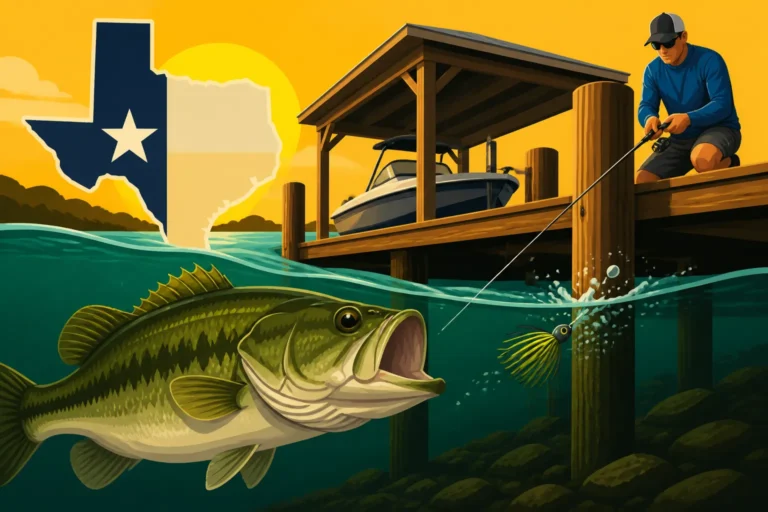
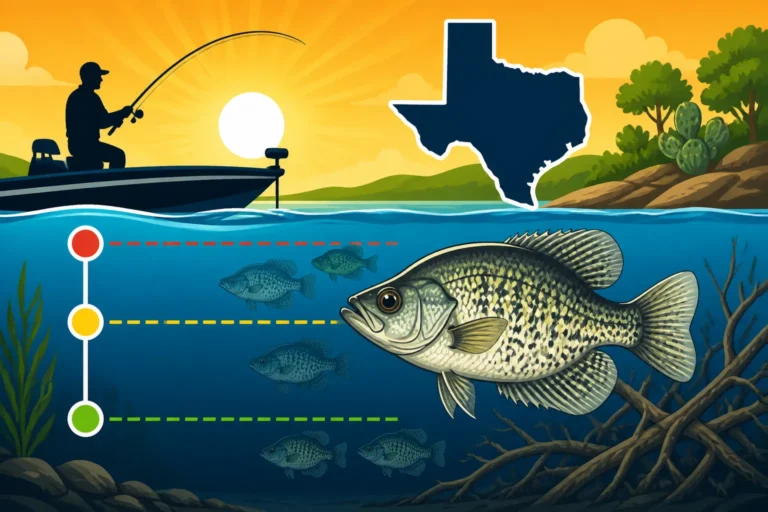
During the midday heat, bass will retreat from the shallow, sun-drenched areas. Their metabolism slows down, and they become less inclined to chase fast-moving baits. Instead, they seek out cooler, darker, and more stable environments. This means moving offshore to deeper water, burying themselves in dense cover like submerged brush piles or hydrilla beds, or positioning themselves under docks, bridges, or bluff walls that cast significant shade. They're essentially trying to escape the heat and conserve energy, waiting for more favorable conditions to feed again.
This "lull" can be incredibly frustrating if you're still throwing topwaters on shallow flats. The fish are there, just not where you're looking, and they're not in the mood for an easy chase. Understanding this behavioral shift is crucial for adapting your tactics and preventing a blank day. Many anglers just give up during these hours, but with the right approach, you can still put fish in the boat, sometimes even trophy-sized ones that prefer the safety of deeper haunts.
Deep Water and Heavy Cover Tactics
Since bass are likely seeking refuge in deeper water or dense cover, your tactics need to reflect that. This is the time to slow down your presentation and get your baits right in front of their noses. For deep water, think about fishing ledges, humps, and submerged timber. A deep-diving crankbait can be effective for covering these areas, especially if you can get it to deflect off structure. Another excellent choice is a Carolina rig, which allows you to present a soft plastic bait on the bottom while the weight drags through cover. Learning How to fish a Texas Carolina rig can be a game-changer for these midday conditions.
If bass are holding tight to heavy cover, a Texas rig is your best friend. A weight-forward soft plastic worm or creature bait rigged weedless can be pitched or flipped into the thickest brush piles, hydrilla mats, or under boat docks. The goal is to get the bait into the strike zone without getting hung up. For a detailed breakdown of this versatile setup, check out How to fish a Texas rig for bass. For those diving into deep-water tactics, having a good supply of Tungsten weights and durable soft plastics is key. Check Amazon for bulk deals on these essential items, as you'll go through quite a few when fishing heavy cover. Remember, patience is paramount during these hours; you're often targeting inactive fish, so a subtle, persistent approach is best. Our guide on How to fish deep structure in Texas reservoirs offers even more strategies for tackling these challenging spots.
The Evening Bite and Sunset Opportunities
Just as the early morning provides a prime feeding window, the hours leading up to and immediately after sunset offer another fantastic opportunity to catch bass in Texas during the summer. As the intense heat of the day begins to wane, the entire lake starts to breathe a sigh of relief, and the bass follow suit.
As Temperatures Drop and Light Fades
As the sun dips closer to the horizon, the air temperature drops, and the oppressive light levels soften. This triggers a similar shift in bass behavior to the early morning. The surface water, while still warm, begins to cool slightly, and the low light gives bass the confidence to move out of their deep or covered sanctuaries. They start to spread out, venturing onto shallower flats, points, and humps to feed before the full darkness sets in. This is often when you'll see schools of baitfish, like shad, become more active and visible, attracting hungry bass.
The period just before and after sunset is characterized by increased activity across the board. The lake comes alive with the sounds of splashing fish, buzzing insects, and the calls of evening birds. For anglers, this means bass are more willing to chase and strike, often with renewed vigor. It’s a rewarding time to be on the water, offering both the aesthetic beauty of a Texas sunset and the thrill of a good bite. To truly master these challenging summer conditions, it's worth exploring How to catch bass in the heat of a Texas summer.
Transition Zone Fishing and Baitfish Activity
During the evening bite, focus your efforts on transition zones – areas where shallow water meets deeper water, or where different types of cover converge. Points, creek channel swings, ledges, and the edges of grass beds are all excellent places to target. Bass will use these areas as highways to move from their deeper daytime holding spots to shallower feeding grounds. Pay close attention to any signs of baitfish activity, such as flickering on the surface or birds diving, as these are sure indicators of bass nearby.
Lure choices for the evening can mirror those of the early morning. Topwater baits can be incredibly effective again, especially as the light fades to twilight. Spinnerbaits, chatterbaits, and medium-running crankbaits are also great for covering water and triggering strikes from actively feeding fish. Even soft plastics, like a worm or a jig, can be productive when fished along the edges of cover or down a deep ledge. The key is to be present during this prime window and fish aggressively, knowing that the bass are likely on the prowl. Our Texas Largemouth Bass Fishing Guide provides a comprehensive overview of these fish and their habits throughout the year.
Embracing the Darkness: Night Fishing for Summer Bass
While early mornings and late evenings offer great opportunities, nothing beats the consistent relief from the heat that night fishing provides during a Texas summer. When temperatures stay high even after dark, bass fishing under the moon can be incredibly productive and surprisingly comfortable. It's a whole different world out there, and one that many anglers overlook.
Embracing the Darkness for Cooler Bites
When the mercury consistently hovers around the 90s or 100s during the day, the water temperature in many Texas lakes can get uncomfortably warm for bass. This often means they become nocturnal feeders out of necessity. As soon as the sun completely disappears, the ambient temperature starts to drop, and with it, the water begins its slow cooling process. This respite from the heat energizes bass, and they'll often move into shallower water to feed under the cloak of darkness. It's an entirely different fishing experience, calmer and often more productive than battling the midday sun.
Beyond the cooler temperatures, the darkness offers bass a sense of security. They become less wary and more aggressive, willing to chase baits they might ignore during bright daylight hours. This can lead to some incredible fishing, especially for larger, more cautious bass that prefer to feed under cover of night. It's also a fantastic way to escape the boat traffic and recreational activities that dominate Texas lakes during the day. For more extensive tips on fishing after dark, be sure to read our detailed guide on Night Fishing Techniques for Texas Lakes.
Lures and Techniques for the Dark
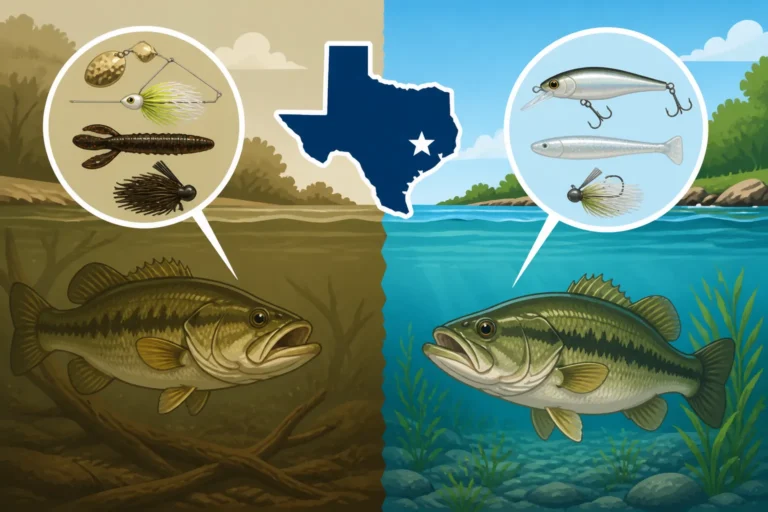
Night fishing requires a slight adjustment in your lure selection and technique. Since bass rely less on sight in the dark, they use their lateral line to detect vibrations and their sense of smell. Lures that create a strong vibration, have a large profile, or are heavily scented tend to work best. Dark-colored baits, especially black and blue, are also popular choices as they create a strong silhouette against the moonlit sky or the surface.
Think about throwing large spinnerbaits with big thumping blades, dark-colored jigs with bulky trailers, or slow-moving Texas-rigged worms or creature baits. Many anglers also find success with topwater lures that create a lot of commotion, like buzzbaits or noisier walking baits, as the sound can attract bass from a distance. If you're thinking about extending your summer fishing into the dark hours, consider investing in a few glow-in-the-dark jigs or black spinnerbaits, easily found on Amazon. Even a simple headlamp or a durable tackle box for night fishing can be a game-changer, and Amazon often has great options with quick delivery. For specific recommendations, our article on the Best lures for night bass fishing can help you gear up properly.
It's also a good idea to use heavier line at night, as you'll often be fishing around cover where fish can easily break you off. Slower retrieves are generally more effective, allowing bass more time to locate and strike the bait. And don't forget safety: a good headlamp, a reliable boat light, and familiarity with your fishing spot are essential for a safe and enjoyable night out. Sometimes, adding a rattle to your soft plastics or using scented baits can also make a huge difference, particularly when targeting fish in very dark or stained water. Don't be afraid to experiment with different presentations. For more on what to throw, check out Best soft plastics for Texas bass fishing.
Summary of Best Times to Catch Bass in Texas Summer
To help you visualize the optimal times and strategies, here's a quick summary table:
| Time of Day | Light Conditions | Water Temperature | Bass Behavior | Recommended Lures/Techniques |
|---|---|---|---|---|
| Early Morning | Low Light (Dawn) | Coolest | Actively feeding in shallow water | Topwater (buzzbaits, frogs, walking baits), shallow crankbaits, spinnerbaits |
| Midday (10 AM-4 PM) | Bright Sun | Hottest | Seeking deep water or dense cover | Deep crankbaits, Carolina rigs, Texas rigs, jigs, drop shots |
| Late Evening | Low Light (Dusk) | Cooling | Moving from deep to shallow to feed | Topwater, spinnerbaits, chatterbaits, medium crankbaits, soft plastics |
| Night | Dark | Continues to cool | Actively feeding in shallower water | Large spinnerbaits, dark jigs, Texas-rigged worms, noisy topwater |
Remember, these are general guidelines, and bass can be unpredictable. Conditions like recent weather fronts, water clarity, and fishing pressure can all influence fish behavior. However, by understanding these patterns and adjusting your tactics accordingly, you'll significantly improve your chances of a successful and enjoyable summer bass fishing trip in Texas. It's all about playing the odds and knowing when and where to present your bait. Additionally, our guide on How to fish during a Texas heat advisory offers crucial tips for staying safe and productive when the temperatures truly soar. For general advice on safely enjoying your time on the water, see How to stay safe fishing in Texas summer heat.
Disclaimer
Fishing regulations and conditions in Texas can change. Always consult the latest Texas Parks and Wildlife Department (TPWD) regulations before heading out on the water. This guide is for informational purposes only and does not supersede official rules or expert advice from local guides. Stay safe and fish responsibly.