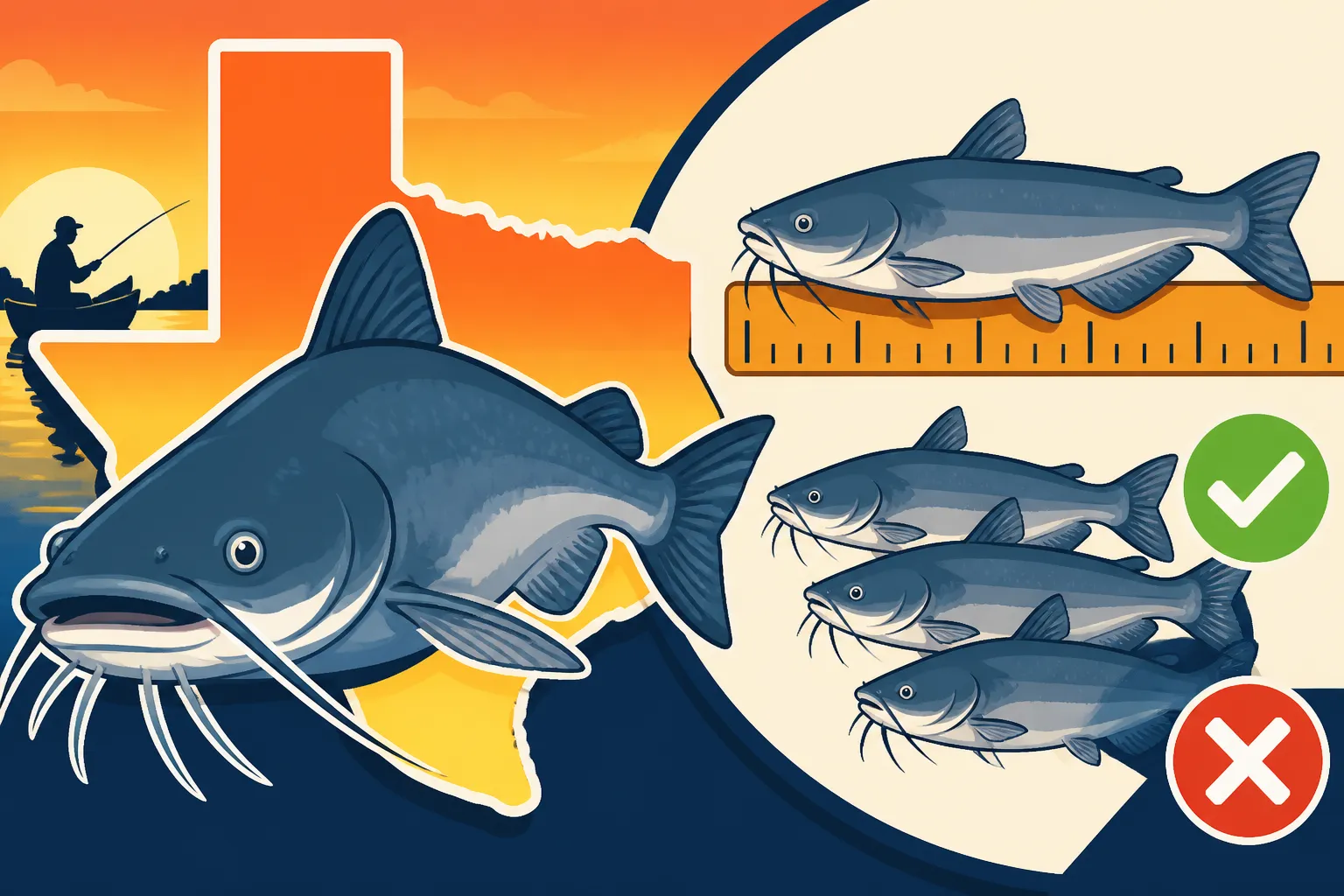
Texas blue catfish length and bag limit
It's incredibly frustrating to be out on the water, having a fantastic day reeling in fish, only to suddenly question whether your hard-earned catch even meets the legal requirements. Texas fishing regulations, especially when it comes to specific species like the robust blue catfish, can sometimes feel like a moving target. This guide is here to untangle that confusion, providing clear, detailed insights into the current length and bag limits for blue catfish across Texas, helping you fish with confidence and stay on the right side of the law.
Decoding Texas Blue Catfish Regulations: The Statewide Standard
Texas is a truly remarkable place for anglers, offering everything from vast reservoirs teeming with bass to coastal waters brimming with redfish. And for many, the thrill of battling a strong blue catfish is a quintessential Texas fishing experience. These powerful fish are not only fun to catch but also make for excellent table fare, drawing countless anglers to lakes and rivers across the state. However, like all game fish, blue catfish populations are carefully managed by the Texas Parks and Wildlife Department (TPWD) to ensure their sustainability for generations to come. This management includes specific rules around how many you can keep and how big they need to be, known as bag and length limits.
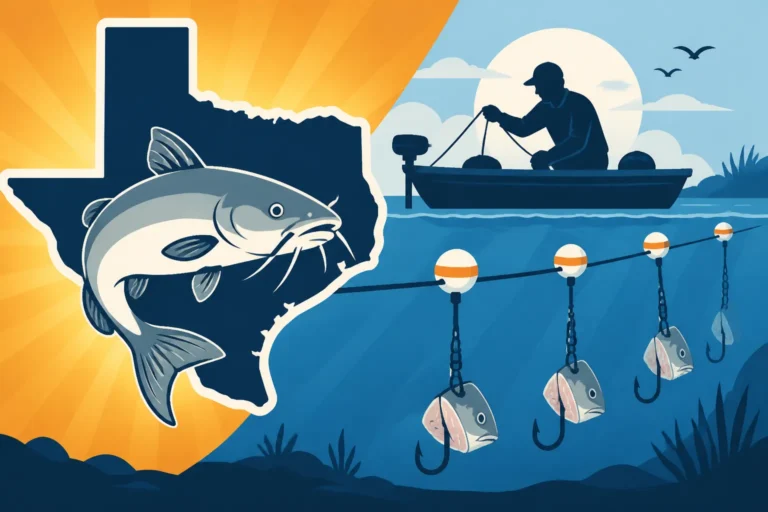
When you're out fishing for blue catfish in most Texas waters, the general, statewide regulations are fairly straightforward. You're typically looking at a 12-inch minimum length limit and a daily bag limit of 25 fish. This means any blue catfish you catch that measures less than 12 inches from the tip of its snout to the end of its tail must be immediately released back into the water. This minimum length helps protect juvenile fish, allowing them to grow larger and reproduce before they are harvested, contributing to a healthy fish population.
The 25-fish daily bag limit, on the other hand, refers to the maximum number of blue catfish you can keep in a single day. This limit applies to your entire trip, regardless of how many times you go out or where you fish within that day. So, if you're hitting multiple spots on Lake Sam Rayburn for blue cats, that 25-fish total is for the whole day. It's a generous limit for most anglers, acknowledging the blue catfish's prolific nature while still preventing overharvesting. Understanding these basic statewide rules is your first step to legal and responsible blue catfish angling. For a broader look at all the rules, check out our guide on Texas Freshwater Fishing Regulations.
Why Standard Limits are Necessary
These statewide length and bag limits aren't arbitrary; they're the result of extensive scientific research and data collection by TPWD biologists. They study blue catfish populations, their growth rates, reproductive success, and angler harvest rates to determine the optimal regulations. The 12-inch minimum, for instance, is often set because that's generally the size at which blue catfish begin to reach sexual maturity and contribute to the next generation. Allowing them to spawn at least once or twice helps maintain robust numbers.
Think of it like farming: you wouldn't harvest all your crops before they've had a chance to fully mature and reseed, right? The same principle applies here. These regulations are a critical component of conservation, ensuring that Texas's reputation as a premier fishing destination continues for years to come. They also help distribute the catch among more anglers, preventing a few individuals from depleting the resource. It's a delicate balance between providing ample opportunity for anglers to enjoy their sport and safeguarding the natural resources we all cherish. Always remember that possessing a valid fishing license is part of these regulations, as detailed in Texas Fishing License Requirements Explained.
Special Exceptions: Where Blue Catfish Limits Change
Now, here's where things can get a little tricky and where those specific frustrations often pop up. While the 12-inch minimum length and 25-fish daily bag limit apply to most public waters in Texas, there are some very important exceptions. These exceptions are typically put in place on specific reservoirs where biologists have identified unique circumstances that warrant different management strategies. Ignoring these localized rules can lead to fines and legal trouble, so paying close attention to signs at boat ramps or referring to the official TPWD outdoor annual is paramount.
Several popular Texas lakes have no minimum length limit and no bag limit for blue catfish. Yes, you read that right – no length limit and no bag limit! This can be a huge surprise if you're used to the statewide rules, but there's a good reason for it. These regulations are typically implemented on lakes where blue catfish populations are thriving, often to the point of being overabundant, or where they grow exceptionally large very quickly. In these cases, allowing anglers to keep as many and whatever size blue catfish they catch can actually help manage the ecosystem, preventing the species from outcompeting other native fish or becoming too numerous for the available food sources. It's a proactive measure to maintain ecological balance.
Key Reservoirs with Unique Blue Catfish Rules
Let's talk specifics. If you're planning a trip to some of the most famous catfish waters in Texas, be aware of these special blue catfish regulations:
- Lake Texoma: Situated on the border of Texas and Oklahoma, Lake Texoma is a legendary fishery known for its stripers, but it's also a fantastic blue catfish lake. Here, you'll find no minimum length limit and no bag limit for blue catfish. This means if you catch a blue cat, no matter how small or large, you can keep it. This makes it an incredibly popular destination for those looking to fill a cooler. Remember to also check the unique rules for Lake Texoma Fishing License Rules.
- Richland Chambers Reservoir: This massive reservoir in East Texas is another hot spot where blue catfish are plentiful. Like Texoma, Richland Chambers operates under a no minimum length limit and no bag limit for blue catfish. Anglers here often report catching numerous blue cats, and these relaxed rules encourage harvest to help manage the population.
- Lake Livingston: As one of the largest lakes in Texas, Livingston is a major source of water for Houston and a bustling recreational hub. Its blue catfish fishery is robust, and anglers benefit from the no minimum length limit and no bag limit. This makes it a prime destination for those who enjoy juglining or trotlining for catfish, which has its own specific rules you can explore in Texas Trotline and Jugline Rules.
- Lavon Lake: Northeast of Dallas, Lavon Lake is another reservoir where blue catfish limits are wide open, meaning no minimum length limit and no bag limit. It's a fantastic local option for metroplex anglers looking to bring home a substantial catch.
- Caddo Lake: The only natural lake in Texas, Caddo Lake, with its iconic cypress trees, also has special blue catfish regulations: no minimum length limit and no bag limit. This unique natural environment supports a healthy blue cat population, making it a great place to fish without worrying about size.
It's absolutely crucial to double-check the current regulations before every fishing trip, especially if you're visiting a new lake or if it's been a while since your last visit. TPWD updates its Outdoor Annual regularly, and you can usually find the most up-to-date information on their website or by using their mobile app. A quick search on Amazon for "Texas Outdoor Annual" will likely point you to where you can purchase a physical copy or find the digital version to keep handy.
Here's a quick summary of the primary blue catfish regulations:
| Water Body Type | Minimum Length Limit | Daily Bag Limit | Notes |
|---|---|---|---|
| Most Texas Waters | 12 inches | 25 fish | The general statewide rule. |
| Lake Texoma | No limit | No limit | Shared with Oklahoma, unique reciprocal rules. |
| Richland Chambers Reservoir | No limit | No limit | Popular for large and abundant blue cats. |
| Lake Livingston | No limit | No limit | Large lake, high blue cat population. |
| Lavon Lake | No limit | No limit | Northeast Texas angling hotspot. |
| Caddo Lake | No limit | No limit | Unique natural lake environment. |
This table serves as a handy reference, but always consult the official TPWD Outdoor Annual for the most current information, as regulations can change seasonally or annually.
Why These Regulations Matter for Blue Catfish
Beyond simply avoiding a ticket, understanding and adhering to blue catfish regulations is about being a responsible steward of Texas's incredible natural resources. These rules are designed with the long-term health of the fish populations and the ecosystems they inhabit in mind. When anglers follow these guidelines, they contribute directly to ensuring that the thrill of catching blue catfish remains accessible for all, year after year. It's a shared responsibility that benefits everyone who loves the outdoors.
Consider the biological impact. Blue catfish are fast-growing, opportunistic predators. In some reservoirs, if their populations are left unchecked, they can exert significant pressure on other fish species, including popular game fish like bass and crappie, or even smaller, crucial forage fish. By implementing no-limit rules in certain lakes, TPWD is essentially using anglers as a management tool. Anglers, eager to keep a cooler full of delicious catfish, help to thin out an overabundant population, which in turn can lead to healthier growth rates for the remaining blue catfish and a more balanced fishery overall. For those interested in the science, exploring topics like Texas Catfish Species Guide offers deeper insights into the ecological roles of these fish.
Impact on Angler Experience and Future Generations
Imagine a future where blue catfish populations in your favorite lake are severely depleted due to overfishing or a lack of proper management. The joy of a successful fishing trip would diminish significantly. That's precisely what these regulations aim to prevent. By setting limits, especially those that protect smaller fish and allow them to reproduce, TPWD ensures a continuous cycle of life in our waters. This means that when you take your kids or grandkids fishing, they'll have the same (or even better) opportunities to experience the excitement of reeling in a feisty blue catfish.
It's also about fairness. Bag limits help distribute the catch more equitably among all anglers. If there were no limits anywhere, a handful of highly skilled or commercially oriented anglers could potentially remove a disproportionate number of fish, leaving less for others. These rules foster a sense of community and shared access to a public resource. It might feel like a minor inconvenience to measure a fish or count your catch, but these small actions collectively have a massive positive impact on the overall quality of fishing in Texas. Plus, knowing you're doing your part for conservation just feels good.
Tips for Responsible Blue Catfish Angling and Compliance
Now that you understand the "what" and the "why" behind blue catfish regulations, let's talk about the "how." Being a responsible angler involves more than just knowing the rules; it means being prepared, practicing ethical fishing habits, and always striving to do what's best for the fish and the environment. These practical tips will help you navigate your next blue catfish adventure with confidence and integrity.
One of the most fundamental tools for compliance is a reliable measuring device. Whether it's a simple tape measure or a dedicated fish measuring board, make sure it's accurate and easily accessible. You can find excellent, durable options on Amazon that are perfect for boat use or bank fishing. When you catch a fish, lay it flat, pinch its mouth shut, and measure from the tip of the snout to the furthest tip of the tail. If it's too short for the statewide 12-inch minimum (and you're not in a "no limit" lake), quickly and gently release it. Remember that fish length limits are just one piece of the puzzle; you should also be familiar with Texas Fish Bag and Length Limits for other popular species.
Measuring, Releasing, and Staying Informed
For fish that are undersized or that you choose to release, proper handling is crucial. Wet your hands before touching the fish to protect its slime coat, which is vital for its health and disease resistance. Avoid dragging it on rough surfaces or handling it by the gills. If you're using bait, consider using circle hooks, which are designed to hook fish in the corner of the mouth, reducing the chance of deep hooking and increasing survival rates for released fish. Releasing fish quickly and gently is key to their survival, allowing them to swim off and grow larger for another day.
Staying informed about current regulations is arguably the most important tip. Regulations can change, sometimes without much fanfare, so relying on what you "heard" last year isn't enough. The TPWD Outdoor Annual is your bible for all things fishing and hunting in Texas. Download the app, bookmark the website on your phone, or grab a physical copy from a sporting goods store like Academy Sports + Outdoors or even directly from TPWD. Before you head out, especially to a new lake or if it's a new season (which starts September 1st each year for licenses!), take a few minutes to confirm the rules for your target species and location. This diligence not only keeps you legal but also makes you a more knowledgeable and effective angler. Happy fishing, and tight lines!
Disclaimer
Please note that fishing regulations are subject to change by the Texas Parks and Wildlife Department. While this guide aims to provide accurate and up-to-date information, it is your responsibility to consult the official TPWD Outdoor Annual or website for the most current and complete regulations before engaging in any fishing activities. Compliance with all applicable laws and regulations is solely the responsibility of the angler.