Does Texas require a boater education card?
Navigating the waterways of Texas can be an absolute joy, whether you're chasing bass on Lake Fork or cruising the Galveston Bay. But let's be honest, the thought of all the rules and regulations can sometimes feel like a tangled fishing line, especially when it comes to figuring out if you need a special card to operate your boat. This guide is here to clear up that confusion about Texas boater education card requirements, so you can focus on making memories on the water, not stressing about compliance.
Who Needs a Boater Education Card in Texas?
It's a common question, and one that often causes a little head-scratching among new boaters and even some seasoned folks. The short answer is: it depends on your age and the type of vessel you're operating. Texas, like many states, has implemented boater education requirements to enhance safety on its crowded lakes and coastal waters. The goal isn't to make things harder, but to ensure everyone sharing the water has a baseline understanding of safe operation, navigation rules, and emergency procedures.
Age Requirements for Boater Education
The Texas Parks and Wildlife Department (TPWD) has pretty clear guidelines here, primarily focused on younger operators. If you were born on or after September 1, 1993, and you plan on operating a powerboat with a 15-horsepower motor or more, or a PWC (Personal Watercraft like a jet ski), you are required to complete an approved boater education course. This is a crucial detail, as it means many younger adults, and certainly teenagers, will fall under this requirement. Imagine your excited teenager finally getting to take the helm of the family's fishing boat; if they meet that age and horsepower criteria, they absolutely need that card. It’s not just a suggestion; it’s the law designed to keep them and everyone else safe.
This rule exists because boating, while incredibly fun, carries inherent risks. A lack of understanding of basic navigation, collision avoidance, or even how to properly respond to a capsizing can lead to serious incidents. The education card isn't about proving you're a perfect boater, but that you've been exposed to the essential knowledge to make safe decisions. Think of it as a driver's education course, but for the water. It’s about building a foundation of responsibility from an early age, helping to prevent accidents on our beautiful Texas lakes and bays.
Exemptions and Special Circumstances
Now, while the rules might seem strict, there are indeed some common-sense exemptions and situations where the boater education card isn't required. For instance, if you were born before September 1, 1993, you are generally exempt from the mandatory boater education requirement. This acknowledges that older generations likely grew up with boating and have accumulated experience over many years. However, even if you're exempt by age, taking a course is never a bad idea, especially if you're new to powerboating or haven't been on the water in a while. Water rules and technology change, and a refresher can keep you sharp.
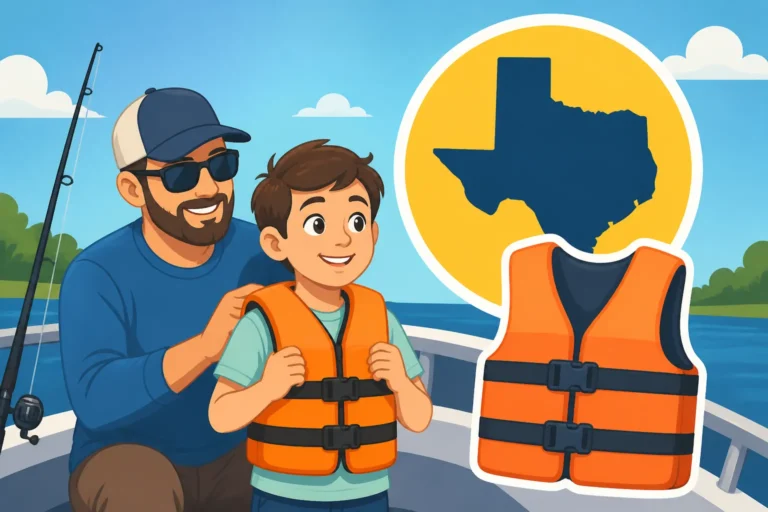
Another key exemption applies if you are under the direct supervision of another person who is 18 years of age or older and already meets the boater education requirements. This is fantastic for parents teaching their kids, or a fishing guide bringing along a young angler. So, if you're out on the Best Bass Lakes in Texas with your twelve-year-old at the helm of a 25HP jon boat, and you, as a boater education cardholder, are right there supervising, they don't technically need their own card at that moment. However, if that same kid wanted to take the boat out with their friends, then yes, that card would be absolutely necessary. Similarly, if you're simply paddling a canoe, kayak, or small sailboat without a motor, the boater education card is not typically required. The focus is specifically on motorized vessels and personal watercraft that pose a higher risk due to speed and power.
What Does a Boater Education Card Entail?
The Texas boater education card isn't a complex license that needs annual renewal or specific driving tests on the water. Instead, it's a one-time certification proving you've successfully completed an approved course. It’s a bit like a certificate you might get for a first-aid class; it indicates you have the knowledge, not necessarily that you're licensed to practice medicine.
Understanding the Boater Education Course Content
A Texas boater education course is designed to cover a comprehensive range of topics vital for safe and responsible boating. These courses are much more than just memorizing rules; they're about understanding the 'why' behind them and developing a safety-first mindset. You'll typically learn about navigation rules, often referred to as the "rules of the road" for the water, which dictate how boats should interact to avoid collisions. This includes understanding right-of-way, proper passing procedures, and signaling. It's similar to learning traffic laws, but instead of stop signs and traffic lights, you're dealing with channels, buoys, and other vessels.
Beyond navigation, courses delve deep into essential safety equipment. You'll learn about Texas Life Jacket Requirements for Boats, fire extinguishers, sound-producing devices, visual distress signals, and navigation lights. Understanding what gear you need and how to use it is paramount, especially when an unexpected storm rolls in over Lake Livingston Fishing Guide. Environmental responsibility is also a big component, teaching you about preventing pollution, protecting marine habitats, and understanding the impact of invasive species. Emergency procedures are another critical area, covering everything from what to do if someone falls overboard, how to handle rough weather, or what steps to take if your boat breaks down far from shore. These courses are truly invaluable, providing a foundation for a lifetime of safe boating.
The Difference Between a "Card" and a "License"
It's really important to distinguish between a boater education card and a boater license. In Texas, there isn't a "boating license" in the same way you have a driver's license for a car, requiring regular renewals and hands-on driving tests. The boater education card is a certificate of completion from an approved safety course. Once you earn it, it's typically valid for life and doesn't expire. This means you don't have to worry about annual renewal fees or retaking the course every few years, which is a huge relief for many boaters!
This distinction matters because it reduces the administrative burden on boaters while still ensuring a base level of safety knowledge. You carry the card with you when operating a vessel that requires it, much like you'd carry your fishing license. It's proof that you've done your due diligence in learning the ropes of safe boating. This evergreen credential means that once you've invested the time and effort, you're set for all your future Texas boating adventures, from fishing the Texas Gulf Coast Fishing Spots to exploring the quiet coves of inland reservoirs.
The Benefits of Boater Education Beyond Just Compliance
While the primary motivation for many in getting their boater education card is simply to comply with Texas law, the truth is, the benefits extend far beyond just avoiding a fine. It's an investment in your safety, your passengers' safety, and even the health of our precious Texas waterways. Embracing boater education is a key step towards becoming a truly responsible and confident angler or boater.
Enhancing Safety and Confidence on the Water
Think about it: when you're confident in your knowledge and skills, you're naturally a safer operator. A boater education course provides you with the critical information to anticipate hazards, react appropriately in emergencies, and navigate effectively. This isn't just about reading a rulebook; it's about understanding concepts like how alcohol affects judgment on the water, the dangers of overloading a boat, or the proper use of distress signals. Knowing these things can prevent accidents, keep you from getting lost, and allow you to enjoy your time on the water without constant anxiety.
For instance, understanding weather patterns and how to read basic forecasts, a topic often covered in these courses, can save you from being caught in a sudden squall on Toledo Bend Reservoir Fishing Guide. Imagine you're out fishing for Texas Crappie Bag Limits and a dark cloud line appears on the horizon. Your boater education would kick in, prompting you to check weather apps, know your safe routes back, and understand how to prepare your vessel and passengers for rough water. This preparedness isn't just about legal compliance; it’s about peace of mind and the practical ability to handle real-world challenges, transforming a potentially dangerous situation into a manageable one.
Potential Insurance Benefits and Accident Prevention
Believe it or not, completing an approved boater education course can sometimes lead to discounts on your boat insurance premiums. Insurance companies recognize that educated boaters are safer boaters, and therefore, less likely to be involved in accidents that result in claims. While the exact discount will vary by provider and policy, it's definitely worth asking your insurance agent about. This small incentive can make the cost of the course even more worthwhile, turning a legal requirement into a financial benefit.
More importantly, the education you gain is a direct deterrent to accidents. The principles taught—like maintaining a safe speed, keeping a proper lookout, and understanding buoy markers—are designed to prevent collisions, groundings, and other mishaps. Fewer accidents mean less risk of injury, property damage, and the significant emotional and financial stress that follows. It also means you’re contributing to a safer environment for everyone else who uses Texas waters, fostering a community of responsible recreationists. Plus, knowing you've done everything possible to avoid an accident allows you to truly relax and enjoy the fishing, whether you're targeting Texas Redfish Size and Bag Limits or Texas Largemouth Bass Length Limits.
| Age Group | Vessel Type | Horsepower | Boater Education Card Required? |
|---|---|---|---|
| Born on or after Sep 1, 1993 | Powerboat (including PWC) | 15 HP+ | Yes |
| Born on or after Sep 1, 1993 | Powerboat (excluding PWC) | < 15 HP | No |
| Born on or after Sep 1, 1993 | Sailboat (unmotorized) | N/A | No |
| Born before Sep 1, 1993 | Any Powerboat or PWC | Any | No (but recommended) |
| Any age | Under direct supervision (18+ cardholder) | Any | No |
Note: This table summarizes general requirements. Always refer to current TPWD regulations for the most accurate and up-to-date information.
How to Obtain Your Texas Boater Education Card
Getting your Texas boater education card is a straightforward process, thanks to various accessible options. The Texas Parks and Wildlife Department works with several approved course providers to ensure that prospective boaters have convenient ways to fulfill the requirement, whether you prefer learning online or in a classroom setting.
Approved Online and In-Person Course Options
For many people today, the convenience of an online course is unbeatable. There are several TPWD-approved online providers that allow you to complete the course at your own pace, from the comfort of your home. These courses are typically interactive, featuring videos, quizzes, and modules that cover all the necessary topics. This flexibility is perfect for busy schedules, allowing you to fit in your boater education whenever you have some free time, perhaps after a long day of work or on a quiet weekend. You can find these certified courses easily with a quick online search, and sometimes even through retailers like Bass Pro Shops, who might promote affiliated course providers.
If you prefer a more traditional learning environment or have questions that you want to ask an instructor directly, in-person classes are also available. These courses are often offered by local marinas, boating clubs, community colleges, or even certain fishing and hunting expos throughout the state. An in-person class provides the benefit of direct interaction, hands-on demonstrations, and the opportunity to network with other local boaters. Whichever format you choose, ensure the course is officially approved by TPWD to guarantee that your efforts will result in a valid Texas boater education card.
The Course Completion and Certification Process
Once you've selected your course and completed all the modules and quizzes, the final step is usually a comprehensive exam. Don't let the word "exam" scare you off! These tests are designed to confirm your understanding of the material, not to trick you. They cover the safety, navigation, and environmental principles you've just learned, reinforcing the critical information for safe boating. After successfully passing the exam, the course provider will issue you a temporary certificate of completion. This temporary certificate is often sufficient proof for immediate use on the water, but you'll want to get your official card soon after.
The official card will then be mailed to you by TPWD or their designated administrator. The entire process, from finishing the course to receiving your physical card, usually takes a few weeks, so it's wise to plan ahead if you know you'll need the card by a specific date, such as for an upcoming fishing trip or if you're planning to operate a personal watercraft. While waiting for the physical card, many official providers will also offer a printable version of your certificate, which you can carry on your phone or print out as immediate proof. Remember, it's always best practice to have proof of your boater education with you whenever you're operating a vessel that requires it. This could be your physical card, a printed certificate, or even a digital copy on your phone, which is increasingly accepted by law enforcement during routine checks. Sometimes, when browsing for other boating essentials, you might even find course materials or safety accessories on platforms like Amazon that can supplement your learning or enhance your boat's safety profile.
Disclaimer
This article is for general informational purposes only and does not constitute professional advice. Laws, prices and regulations vary by location and change over time. Consult a qualified professional for guidance on your specific situation.