How many hooks can a Texas trotline have
It’s a common scenario: you’re dreaming of a quiet evening out on a Texas lake, setting trotlines for a bountiful catch of catfish, but a nagging doubt creeps in – "How many hooks am I actually allowed to use?" Navigating fishing regulations can feel like deciphering ancient scrolls, especially when you're just trying to enjoy a peaceful day on the water. This comprehensive guide will untangle the specifics of Texas trotline hook limits and other crucial rules, ensuring your next trotline adventure is both successful and fully compliant with state law.
Understanding the Texas Trotline Hook Limit
For any angler looking to deploy a trotline in Texas, the most immediate and critical regulation to grasp is the hook limit. It's not just a suggestion; it's a firm rule designed to promote sustainable fishing practices and ensure equitable access to the resource for all.
The Specific 50-Hook Regulation
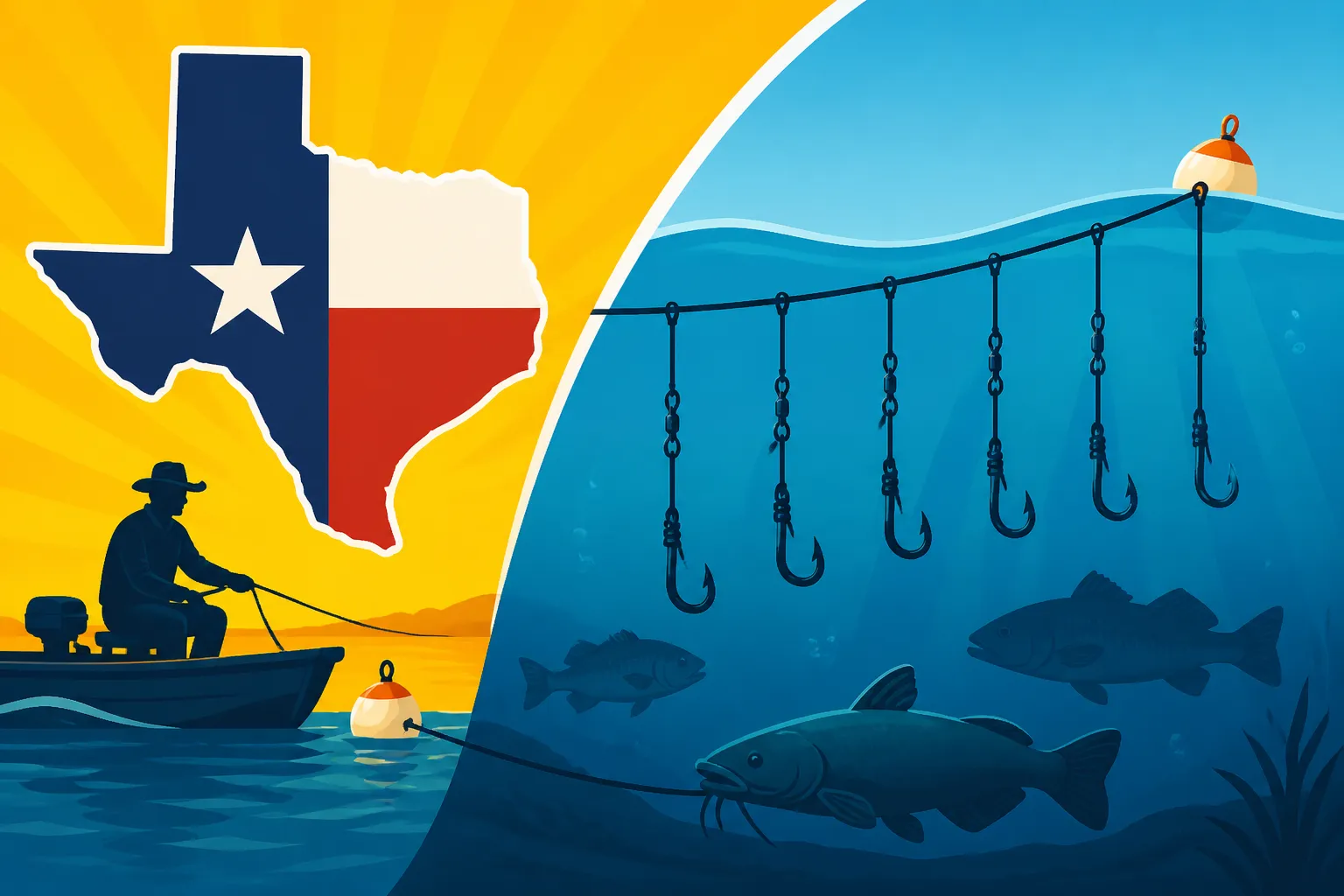
In Texas, the law clearly states that a trotline, when used in public fresh water, cannot have more than 50 hooks. This isn't 50 hooks per angler, but rather 50 hooks per trotline device. So, whether you’re fishing for channel catfish, blue catfish, or flathead catfish, each individual trotline you set must adhere to this 50-hook maximum. This regulation is a cornerstone of responsible fishing, aiming to prevent over-harvesting by a single individual or group, which could quickly deplete fish populations in popular spots. Imagine if there were no limits – one person could theoretically string up hundreds of hooks, drastically reducing opportunities for others and putting immense pressure on the fish. The 50-hook rule helps maintain a balance, allowing for effective fishing while still respecting conservation efforts.
It’s easy to think, "Oh, just a few extra hooks won't hurt," but game wardens take these regulations very seriously. Getting caught with more than the legal limit can lead to citations and penalties, which we’ll delve into later. When you're gathering your supplies, whether you're sourcing trotline components from a local tackle shop or browsing for heavy-duty line and clips on Amazon, always keep that 50-hook maximum firmly in mind. It's better to be a bit conservative than to inadvertently break the law.
Trotlines Compared to Other Fishing Gear
While the 50-hook limit applies specifically to trotlines, it’s helpful to understand how this fits into the broader spectrum of Texas fishing gear. Other passive fishing methods, like juglines, have their own distinct rules. For instance, juglines have a different set of regulations regarding the number of hooks and how they must be marked. A single jugline might only have one or two hooks, but an angler can operate multiple juglines. With trotlines, it's about the total number of hooks on that single, continuous line.
The difference in regulations often reflects the method of use and potential impact on fish populations. Trotlines are set for extended periods and can cover a significant stretch of water, making the hook limit particularly important for managing their effectiveness. Traditional rod and reel fishing, on the other hand, is generally limited by the number of rods an angler can actively tend, which is typically two for most freshwater scenarios unless specific community fishing lakes or areas have other rules. If you're looking into setting up multiple types of gear, it's always best to review the full Texas Freshwater Fishing Regulations to ensure you're compliant across the board. The Texas Parks and Wildlife Department (TPWD) website is an invaluable resource for this kind of detailed information.
Essential Texas Trotline Regulations Beyond Hook Count
Adhering to the hook limit is paramount, but it's only one piece of the regulatory puzzle for trotline fishing in Texas. There are several other crucial rules designed to ensure safety, prevent conflicts with other anglers, and further promote responsible resource management. Ignoring these can be just as problematic as exceeding your hook count.
Mandatory Gear Tagging Requirements
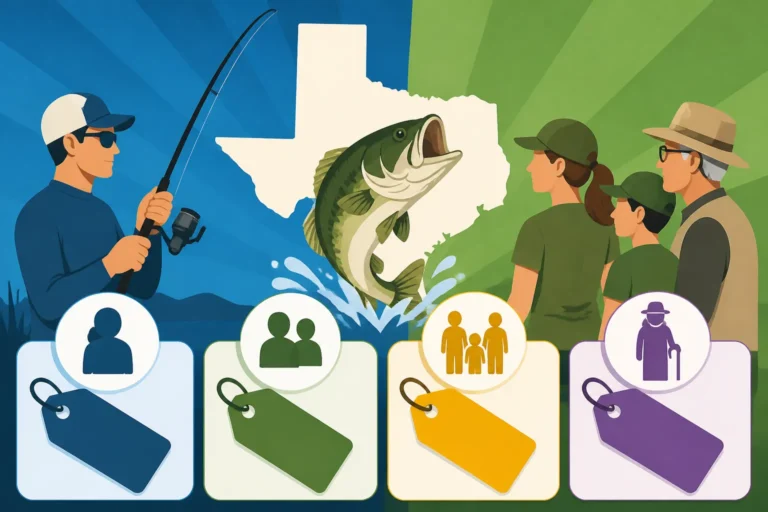
One of the most frequently overlooked, yet critically important, rules for trotline users is the requirement for proper gear tagging. Every single trotline you deploy in Texas public waters must be tagged. This isn't just a formality; it serves a vital purpose for identification and accountability. The tag needs to be waterproof and durable, clearly displaying the angler's full name and address, or their current Texas Parks and Wildlife customer number.
Why is this so important? Well, imagine a trotline gets snagged, broken, or simply forgotten. If it's not tagged, there's no way to identify who set it, and it could become "ghost gear" – continuing to fish and potentially harm aquatic life without anyone tending it. Proper tagging allows game wardens to identify the owner, whether to return lost gear, address a regulation violation, or simply confirm compliance. You can usually find pre-printed gear tags at sporting goods stores, or you can make your own durable, waterproof tags. For those who prefer to organize their fishing supplies from the comfort of their home, robust, waterproof tags are often available through online retailers like Amazon. Remember, these tags need to be legible and securely attached to the trotline so they won't easily come off in the water. For more specific details on what needs to be on your tags, check out the guidelines on Texas Gear Tag Requirements for Trotlines and Juglines.
Placement and Inspection Rules
Beyond how many hooks your trotline has and whether it's tagged, where you place it and how often you check it are also heavily regulated. These rules are in place to ensure fair access to the waterways and to prevent hazards.
Firstly, trotlines cannot be placed in public waters designated as a "no-fishing" zone or in an area that impedes navigation. This means keeping them clear of boat lanes, swimming areas, and any zones marked as restricted. Common sense goes a long way here; if you're setting a trotline where it might endanger boaters or swimmers, you're likely breaking a rule. You also can't deploy them in state parks or other areas where specific fishing methods are prohibited.
Secondly, trotlines must be inspected daily and all fish removed from the line. This isn't a suggestion; it's a firm requirement. Leaving a trotline unchecked for days means any fish caught will likely die, go to waste, or simply rot on the line, attracting scavengers and creating an unsanitary situation. The "daily inspection" rule ensures that anglers are actively managing their gear and minimizing waste. If you set a trotline on Monday evening, you must check it sometime on Tuesday, and then again on Wednesday if you leave it out, and so on. This constant attention means you're being a responsible angler and harvesting your catch ethically.
Legal Bait and Usage
While the core focus is on hook counts and placement, it's also worth a quick mention that the bait you use on your trotline must comply with Texas regulations. Generally, legal natural baits include live or dead fish, worms, insects, or various prepared baits. However, certain baits may be restricted in specific waters, particularly those known for sensitive ecosystems or specific fish management plans. It’s always prudent to be aware of local restrictions. For a deeper dive into what you can and can't use, including the specifics of live bait, you can refer to an article like Can you use live bait on a Texas trotline?. Knowing these nuances will ensure your trotline experience is both productive and lawful.
Licensing Requirements and Penalties for Non-Compliance
Setting trotlines in Texas isn't just about knowing the rules for the gear itself; it also requires you to be a properly licensed angler. Understanding the licensing requirements and the potential repercussions of violating trotline regulations is crucial for anyone planning to use this fishing method.
Do You Need a Fishing License for Trotlines?
The short answer is a resounding "yes." If you are 17 years of age or older and you are not otherwise exempt, you absolutely need a valid Texas fishing license to fish with a trotline in public waters. This includes both residents and non-residents. The license covers all legal fishing methods, including trotlines, juglines, and rod-and-reel fishing. You can't just buy a trotline and head out; you need to be legally authorized to fish in the first place. This license fee goes directly back into funding conservation efforts, fish stocking programs, and enforcement, so it's an important contribution to the health of Texas's aquatic resources.
There are specific exemptions, of course, such as those fishing on a Free Fishing Day or certain age groups, but for most adult anglers, a license is a must-have. You can easily purchase your license online through the Texas Parks and Wildlife Department website, at most sporting goods stores like Academy Sports + Outdoors or Bass Pro Shops, or even at some local Walmarts. It’s a straightforward process, and it ensures you’re contributing to the sustainability of the sport. To learn more about who might be exempt or how to get your license, an article like Do you need a license to run a trotline in Texas? or Texas Fishing License Requirements Explained can provide all the details you need. Don’t forget that licenses expire annually on August 31st, so always make sure yours is current. If it's getting close to that date, you'll want to review your Texas Fishing License Renewal Rules.
Consequences of Violating Trotline Regulations
Now, let's talk about what happens if you don't follow these rules. Ignoring trotline regulations, whether it’s exceeding the 50-hook limit, failing to tag your line, leaving it unchecked, or not having a valid fishing license, can lead to serious consequences. Game wardens in Texas are vigilant and dedicated to enforcing these laws to protect the state's natural resources.
The most common penalty for a violation is a citation, which typically carries a monetary fine. These fines can vary depending on the specific offense and whether you're a repeat offender, but they can easily range into hundreds of dollars. Beyond the financial hit, there's also the possibility of your gear being confiscated. That means your trotline, hooks, weights, and any other associated equipment could be seized by the game warden, which is a significant loss of personal property and an additional cost to replace it all.
In more severe or repeated cases, you could even face charges that lead to a misdemeanor conviction, which might include community service, probation, or, in rare instances, even jail time. Furthermore, fishing license privileges can be revoked, meaning you could be prohibited from purchasing a fishing license for a certain period, effectively banning you from legal fishing in Texas. No one wants to face these kinds of repercussions just for wanting to enjoy some time on the water. It’s simply not worth the risk. Always make sure you understand the Penalties for Fishing Without a Texas License and other relevant regulations before you cast a line or set a trotline. Adherence to rules like Texas Trotline and Jugline Rules is not just about avoiding trouble, but about being a responsible steward of Texas's incredible fishing heritage.
Advanced Trotline Considerations for Responsible Anglers
Once you've mastered the basic regulations concerning hook limits, tagging, and licensing, there are additional considerations that can elevate your trotline fishing from simply compliant to truly responsible and effective. These nuances often involve understanding the target species and the specific environment you're fishing in.
Species-Specific Considerations and Bag Limits
While trotlines are legal for many species, they are predominantly used for catfish in Texas, including channel, blue, and flathead varieties. Even if your trotline is perfectly legal in terms of hook count, you still need to adhere to the daily bag and length limits for any fish you catch. For instance, Texas Catfish Bag Limits will specify how many catfish of each species you can keep in a 24-hour period and any minimum or maximum length restrictions. Just because a fish bites your trotline doesn't automatically mean you can keep it. You're still obligated to measure and count your catch, releasing any fish that don't meet the legal requirements.
This also extends to non-target species. Occasionally, other fish like carp or even game fish like bass might get caught on a trotline. If you catch a protected species or a game fish out of season, or one that doesn't meet the length limits, you are legally required to release it unharmed, if possible. This means checking your trotline frequently, as mandated, to minimize stress and mortality for any unintended catches.
Environmental Impact and Best Practices
Responsible trotline fishing goes beyond just following the letter of the law; it also means being mindful of your environmental footprint. Trotlines, by their nature, are left unattended for periods, and proper setup is crucial to avoid environmental issues.
- Avoid Sensitive Areas: As mentioned, steer clear of navigation channels. Also, try to avoid areas with heavy submerged vegetation or known spawning grounds for other species, as your trotline could inadvertently harm these sensitive ecosystems.
- Proper Anchor and Retrieval: Use appropriate weights and anchoring methods to keep your trotline secure but also easily retrievable. Lost trotlines can become submerged hazards or "ghost fishing" devices that continue to catch fish indiscriminately.
- Dispose of Waste Properly: Any bait containers, old line, or other refuse brought with you must be taken back out. Littering is not only illegal but also harms the environment and detracts from the beauty of Texas’s natural waters.
- Be Mindful of Wildlife: Trotlines can occasionally attract wildlife like raccoons or birds looking for an easy meal. While generally not a major concern, be aware of your surroundings and avoid placing lines where they might cause undue harm to non-target animals.
By considering these advanced points, you not only ensure legal compliance but also contribute positively to the overall health and enjoyment of Texas fishing. Learning How to Rig a Trotline in Texas effectively and responsibly is a crucial part of becoming a seasoned and respected angler.
Texas Trotline Regulations at a Glance
To make things a bit easier to digest, here's a quick summary of the key regulations for trotline fishing in Texas public freshwaters:
| Regulation Aspect | Specific Rule in Texas Public Fresh Water | Importance |
|---|---|---|
| Maximum Hooks | No more than 50 hooks per trotline. | Prevents over-harvesting, ensures fair access. |
| Gear Tagging | Each trotline must have a waterproof tag with angler's full name/address or TPWD customer number. | Identifies owner, aids in regulation enforcement, prevents "ghost fishing." |
| Inspection | Must be inspected daily, and all fish removed. | Minimizes fish mortality, prevents spoilage, ensures active management. |
| Placement | Cannot impede navigation or be placed in restricted areas (e.g., state parks, federal refuges, designated no-fishing zones). | Ensures safety for other water users, protects sensitive areas. |
| Fishing License | Required for all anglers 17 years and older, unless exempt. | Funds conservation, legalizes fishing activity. |
| Species Limits | All fish caught must adhere to daily bag and length limits for specific species (e.g., Texas Freshwater Bag Limits by Species). | Protects fish populations, ensures sustainable harvesting. |
| Bait Legality | Only legal baits may be used. Some local restrictions may apply. | Prevents use of harmful or illegal substances, aligns with broader fishing ethics. |
Remember, these are the general rules for public freshwater. Always double-check specific regulations for the body of water you plan to fish, as local rules or specific site regulations can sometimes apply in addition to statewide laws.
Disclaimer
The information provided in this guide is for general informational purposes only and is not intended as legal advice. Fishing regulations in Texas can change, and it is the sole responsibility of the angler to stay informed about and comply with all current Texas Parks and Wildlife Department (TPWD) regulations. Always consult the official TPWD outdoor annual or website for the most up-to-date and complete rules before engaging in any fishing activity.