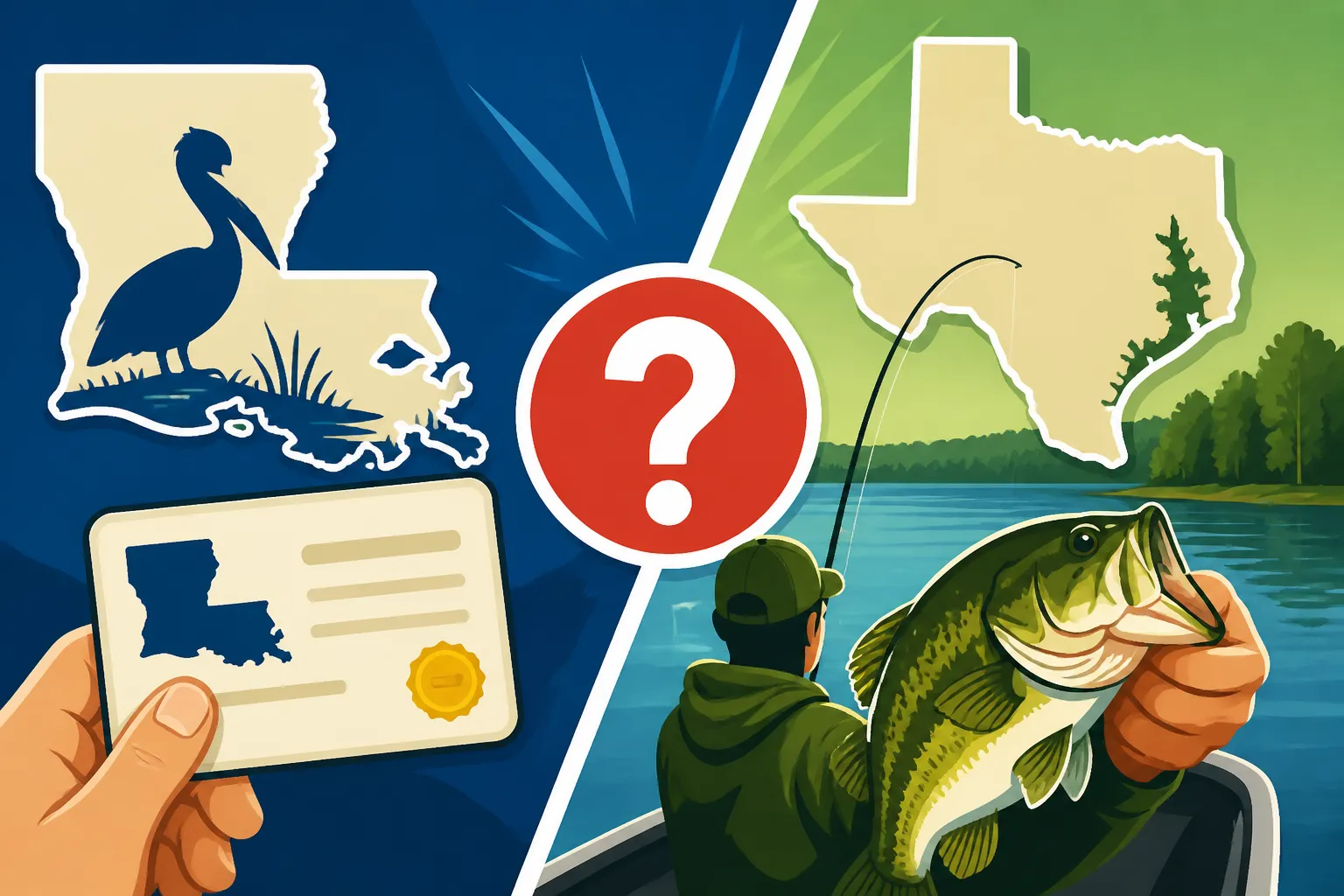
Can a Louisiana license be used on Toledo Bend?
The confusion surrounding fishing licenses, especially when you're casting lines in waters that straddle state lines, is a common headache for many anglers. You've heard whispers about reciprocal agreements, but when it comes to a vast, popular fishery like Toledo Bend Reservoir, you need solid information. This guide is dedicated to clearing up the question of whether your Louisiana fishing license will cover you on Toledo Bend, ensuring you stay legal and enjoy your fishing trip without any unexpected fines.
Understanding the Toledo Bend Reciprocal Agreement
Toledo Bend Reservoir is a magnificent body of water shared by Texas and Louisiana, and its unique geographical situation has led to a special agreement regarding fishing licenses. It’s not uncommon to hear tales of anglers getting ticketed because they crossed an imaginary line without the right paperwork, but thankfully, for Toledo Bend, the states have worked together to simplify things.
The Special Reciprocal License Agreement Explained
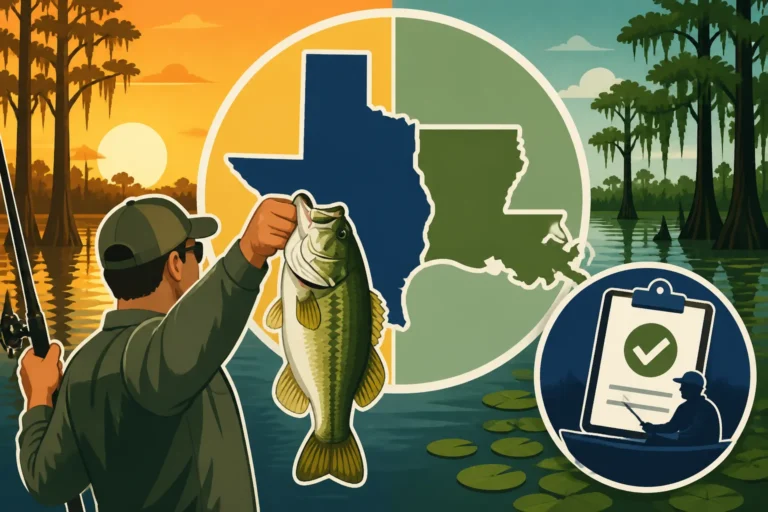
Good news, folks! Both Texas and Louisiana participate in a reciprocal agreement that allows anglers with a valid fishing license from either state to fish any public waters of Toledo Bend Reservoir, regardless of which side of the lake you're on. This means if you're a Louisiana resident with a valid Louisiana fishing license, you can absolutely fish the Texas side of Toledo Bend, and vice versa for Texas residents with their Texas license. This agreement is a huge relief, especially for those who frequent the lake and don't want to worry about navigating state lines in the middle of a fishing trip. The Texas Parks and Wildlife Department (TPWD) and the Louisiana Department of Wildlife and Fisheries (LDWF) put this in place specifically to promote seamless angling experiences on this shared resource.
Think about it this way: imagine you're out on the water, chasing a school of white bass or a trophy largemouth, and they lead you across the invisible state line. Without this agreement, you'd constantly be checking your GPS to make sure you're not technically breaking the law. This reciprocal pact frees you from that worry, allowing you to focus on the fish, not the border. It's truly a blessing for anyone who enjoys a good day out on this impressive reservoir.
What This Means for Anglers
For you, the angler, this agreement translates to incredible flexibility. You don't need to purchase a separate Texas fishing license if you already possess a valid Louisiana fishing license, provided you are fishing solely within Toledo Bend Reservoir. This removes a significant barrier for many, especially those who live close to the border or regularly visit the lake from either state. However, it's crucial to understand the limitations. This reciprocity applies only to Toledo Bend Reservoir itself. If you decide to venture off into other Texas rivers or lakes, or if you're a Texas resident fishing Louisiana's inland waters outside of Toledo Bend, you'll need the appropriate state's license.
For example, if you live in Shreveport, Louisiana, and have your Louisiana license, you can launch your boat from the Texas side at spots like Pendleton Harbor or Six Mile Creek and fish the entire lake. Conversely, if you're from Center, Texas, and hold a Texas license, you can launch from Cypress Bend or other Louisiana marinas and fish freely across the whole reservoir. It really makes planning a fishing trip to the Toledo Bend Reservoir Fishing Guide so much easier, knowing that your single state license covers you.
Navigating the Specifics of Reciprocity
While the reciprocal agreement is wonderfully convenient, there are still details to keep in mind. State regulations for fishing, outside of the license itself, can sometimes differ, and understanding these nuances is key to a smooth and legal fishing experience.
Residency and License Requirements
The primary factor for using the reciprocal agreement is holding a valid resident or non-resident fishing license from either Texas or Louisiana. If you're a Louisiana resident, you'd purchase a Louisiana resident license. If you're a Texas resident, you'd get a Texas resident license. But what if you're from out-of-state, say Arkansas or Oklahoma, and you're planning a trip to Toledo Bend?
In that scenario, you would still need to purchase a non-resident fishing license from either Texas or Louisiana. Once you have that non-resident license from one of the states, you are covered for the entire Toledo Bend Reservoir. For instance, an angler from Arkansas could purchase a Texas nonresident all-water fishing license cost and be good to go. The key is that you only need one state's license. This flexibility is a huge bonus for tourists who might be staying on one side of the lake but want to explore fishing opportunities across the whole body of water. You can often find these licenses easily online or at sporting goods stores. Speaking of which, if you need any gear before your trip, many essential items can be found with quick shipping on Amazon.
Gear, Bag, and Length Limits on Shared Waters
Here's where it can get a little tricky, so pay close attention. While your license from either state allows you to fish the entire Toledo Bend, the bag and length limits for certain species often default to the regulations of the state whose waters you are currently in. This can be a source of confusion and potential violations if you're not careful.
For instance, Texas might have a different minimum length limit for largemouth bass or a different daily bag limit for crappie than Louisiana does. If you're fishing on the Texas side, you are expected to adhere to Texas Freshwater Fishing Regulations and specifically the Texas Largemouth Bass Length Limits and Texas Crappie Bag Limits. Similarly, if you've drifted over to the Louisiana side, you'll need to follow their rules. This means it's absolutely vital to be aware of the current regulations for both states.
A good practice is to always carry a copy of both states' current fishing regulations booklets, or at the very least, have easy access to the TPWD and LDWF apps on your phone. Ignorance of the law is never an excuse, and game wardens patrol these waters diligently. They are well-versed in the nuances of the reciprocal agreement and the differing state regulations.
Here's a simplified table comparing some common regulations for Toledo Bend, though you should always check the current year's official guides as these can change:
| Species (Example) | Texas Toledo Bend Regulations (as of recent data) | Louisiana Toledo Bend Regulations (as of recent data) |
|---|---|---|
| Largemouth Bass | 14-inch minimum, 5 fish daily bag | 14-inch minimum, 8 fish daily bag |
| Crappie | 10-inch minimum, 25 fish daily bag | 10-inch minimum, 25 fish daily bag |
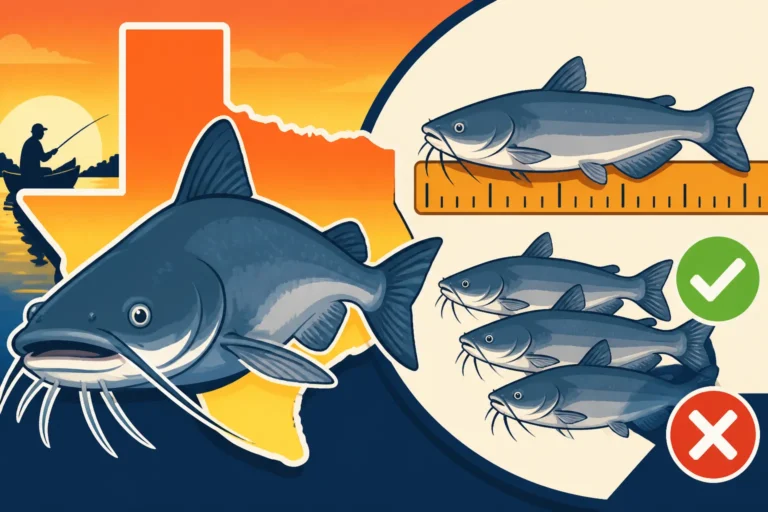
| Catfish | No length limit on Channel/Blue, 25 fish daily bag; Flathead 18-inch minimum, 5 fish daily bag | No length limit on Channel/Blue, 50 fish daily bag; Flathead 12-inch minimum, 5 fish daily bag |
| White Bass | 10-inch minimum, 25 fish daily bag | 10-inch minimum, 25 fish daily bag |
Note: This table is for illustrative purposes only. Always consult current official TPWD and LDWF regulations before fishing.
As you can see, even for species where the length limit is the same, the bag limit can differ significantly, like with catfish. This is why vigilance is crucial. You wouldn't want to get a citation just because you kept a couple of extra catfish thinking you were still under Louisiana's more generous limit while fishing in Texas waters.
Practical Considerations for Toledo Bend Anglers
Knowing the rules is one thing, but putting them into practice on the water requires a bit of foresight. From carrying the right identification to understanding potential enforcement, there are a few more tips to ensure your Toledo Bend experience is hassle-free.
Carrying Proof of License
It might seem obvious, but always have proof of your valid fishing license readily available. Whether it's a physical copy, a printout, or displayed on an official mobile app, a game warden will ask to see it. While many states, including Texas, now allow you to display your license on your phone, it's always wise to ensure your device is charged. You wouldn't want to be caught in a situation where your battery dies, and you can't present proof of your license. The question of "Can you show a Texas fishing license on your phone?" is a valid one, and generally, yes, but having a backup is never a bad idea.
Along with your license, always carry a government-issued photo ID. This helps wardens verify your identity and residency, which can be critical if there's any ambiguity about your license status. You can store your license and ID in a waterproof wallet or case, easily purchased on Amazon, to protect them from the elements out on the lake.
Where to Obtain Your License If Needed
If you're a visitor to the area or simply don't have a license from either state yet, acquiring one is straightforward. You can purchase both Texas and Louisiana fishing licenses online through their respective state wildlife department websites. This is often the most convenient method, allowing you to print a temporary license immediately.
Alternatively, you can purchase them in person at various retailers. In Texas, you'll find them at most Academy Sports + Outdoors, Walmart locations, and many independent bait and tackle shops. Similarly, Louisiana licenses are available at Walmart, sporting goods stores, and authorized vendors across the state. The process is usually quick and painless, just be sure to select the correct license type (resident, non-resident, annual, temporary, etc.) for your needs. Remember, understanding the Texas Fishing License Cost for Residents and Nonresidents can help you decide which state to purchase from if you're a non-resident angler.
Avoiding Common Misconceptions and Penalties
One common misconception is believing that since you're covered by a reciprocal agreement, you don't need to worry about any other regulations. As discussed, this is false regarding bag and length limits. Another mistake is assuming that any body of water near the border is covered. Remember, this specific agreement is for Toledo Bend Reservoir only. Don't assume it extends to the Sabine River downstream or any other lakes just because they're close.
The penalties for fishing without a license or violating bag and length limits can be significant. Depending on the severity, you could face fines, confiscation of your gear, and even a loss of fishing privileges. To avoid becoming another statistic, it's always best to err on the side of caution. If you have any doubt about a regulation, look it up immediately. The wardens are there to enforce the rules, and while they can be helpful, they will not overlook violations. Knowing the Penalties for Fishing Without a Texas License can certainly motivate you to stay informed and compliant.
In conclusion, yes, a Louisiana fishing license can be used on Toledo Bend Reservoir, thanks to the thoughtful reciprocal agreement between Texas and Louisiana. This allows anglers a fantastic amount of freedom on this shared fishery. Just remember to always verify current bag and length limits for the specific state waters you are in, carry your proof of license and ID, and enjoy the incredible fishing opportunities that Toledo Bend offers!
Disclaimer
Please note that fishing regulations, license requirements, and reciprocal agreements are subject to change by state wildlife agencies. While this guide aims to provide accurate and up-to-date information, it is always the angler's responsibility to consult the most current official regulations published by the Texas Parks and Wildlife Department (TPWD) and the Louisiana Department of Wildlife and Fisheries (LDWF) before fishing.