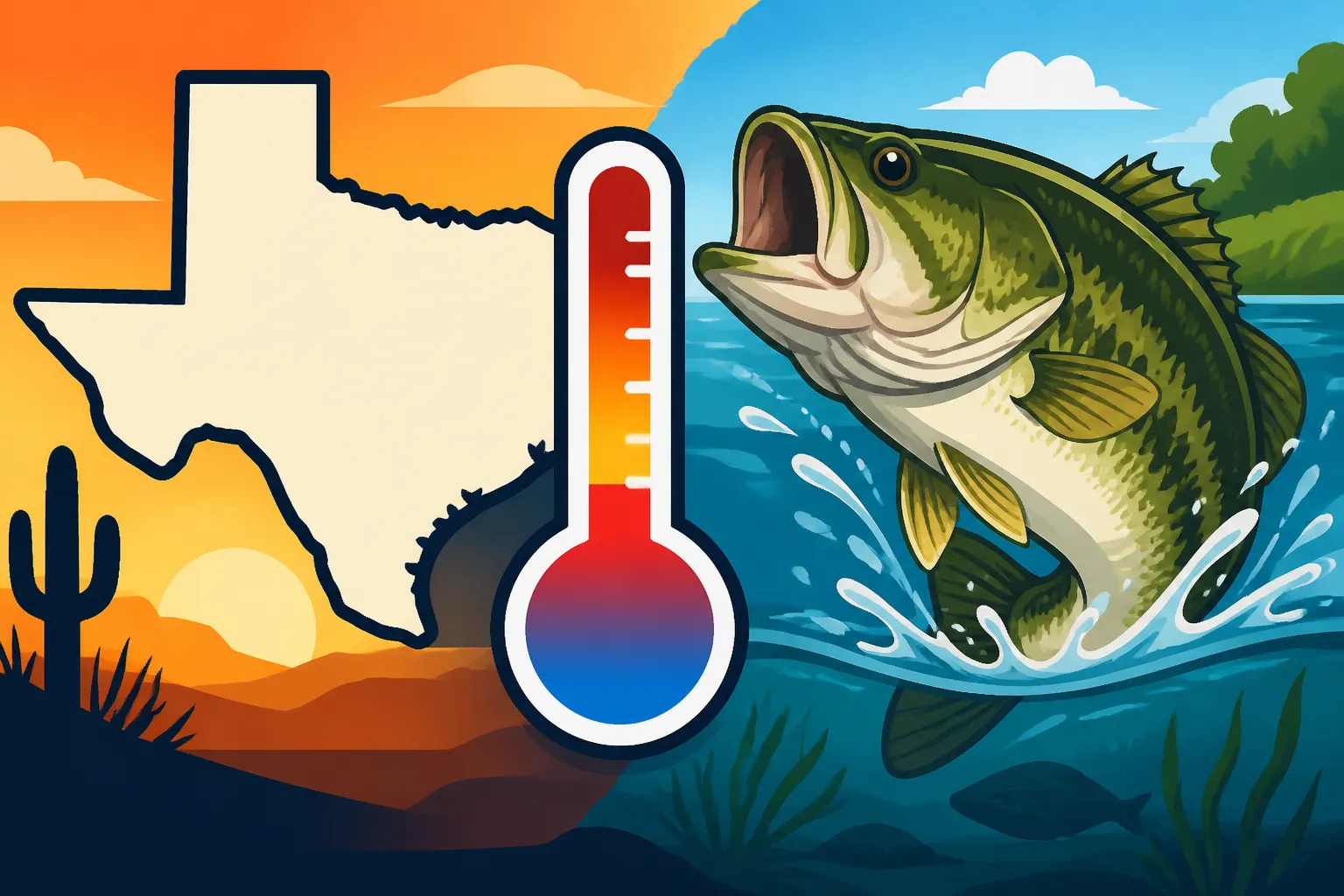
Best water temperature for bass fishing in Texas
One of the biggest head-scratchers for any Texas bass angler is trying to figure out where those fish went and why they aren't biting. More often than not, the answer lies hidden beneath the surface: the water temperature. It's not just a number; it dictates everything from where bass hold to how aggressively they feed, and understanding it is key to unlocking consistent success on our vast Texas lakes and rivers. This comprehensive guide will break down the crucial role water temperature plays in bass behavior and equip you with the knowledge to adapt your strategies for better fishing, no matter the season.
Understanding Bass Behavior in Different Water Temperatures
It's easy to think of fish as simple creatures, but largemouth bass are finely tuned machines, exquisitely sensitive to their environment, and nothing influences their day-to-day life more than the temperature of the water around them. Just like us, they have a comfort zone, and when they're in it, they're happy, active, and most importantly, they're eating!
The Ideal Temperature Range for Largemouth Bass
For a Texas largemouth, there's a "sweet spot" where they are most comfortable, most active, and most likely to chase down a meal. This ideal range typically falls between 65 and 75 degrees Fahrenheit. When the water hovers in this zone, bass metabolism is at its peak. They're digesting food efficiently, they have ample energy, and they're actively roaming to hunt. Think of it like a perfectly air-conditioned room for us – not too hot, not too cold, just right for getting things done.
Outside of this range, bass start to behave differently. In cooler water, their metabolism slows down, making them more lethargic and less inclined to expend energy chasing fast-moving baits. In warmer water, especially once it pushes past the upper 80s, bass can become stressed. Oxygen levels decrease in super warm water, and they'll seek out any refuge they can find, often suspending in deeper, cooler water or tucking tight into dense cover to conserve energy. Knowing these comfort zones is your first step to predicting where they might be and what mood they're in.
How Water Temperature Influences Bass Metabolism
The science behind water temperature and bass behavior is all about metabolism. Fish are cold-blooded, meaning their body temperature directly mirrors the water around them. This has profound implications for their activity levels:
- Cold Water (Below 55°F): As the water chills, a bass's metabolism slows significantly. Imagine trying to run a marathon in freezing temperatures – your body just isn't built for peak performance. Bass become sluggish, their digestion slows, and they require less food. They'll often seek out the warmest available water, which might be in deeper sections that maintain a more stable temperature, or sometimes even sun-warmed shallow areas on bright winter days. Their strikes become much more subtle, often feeling like just a "thump" or added weight on your line, rather than an aggressive grab. This is a time for slow, deliberate presentations.
- Warm Water (Above 80°F): On the flip side, extremely warm water also presents challenges. While higher temperatures initially increase metabolism, pushing past optimal levels can cause stress. The biggest issue in hot water is often dissolved oxygen. Warmer water holds less oxygen, and if temperatures get too high, bass can become hypoxic (oxygen deprived). This forces them to seek out areas with higher oxygen content, such as deeper water near thermoclines, areas with natural springs, or spots with strong current and shade. During these times, bass bites might be short, or they might only feed during cooler periods like dawn, dusk, or even at night.
Understanding this metabolic connection means you can adjust your fishing strategy from the minute you hit the water. If the water's cold, think slow and close. If it's hot, think deep, shady, or current.
Seasonal Water Temperature Changes and Bass Fishing Strategies
Texas fishing is a year-round affair, but the dynamic changes in water temperature throughout the seasons mean your approach needs to be just as dynamic. What works in a cool spring might fail miserably in a scorching summer, and vice-versa.
Spring: Pre-Spawn and Spawn Temperatures
Spring is arguably the most exciting time for bass fishing in Texas, largely because the warming water signals the bass to move into their annual spawning cycle. It’s a period of intense activity, driven almost entirely by the rising temperatures.
- Pre-Spawn (50-60°F): As winter's chill begins to recede and water temperatures climb into the low 50s and 60s, bass start thinking about one thing: food. They need to pack on calories for the arduous spawning process. During this pre-spawn phase, bass will stage in deeper areas adjacent to future spawning flats. They’re usually very active and aggressive, feeding heavily on crawfish and shad. This is an excellent time for throwing lipless crankbaits, spinnerbaits, and medium-diving crankbaits as they migrate towards shallower water.
- Spawn (62-75°F): The magic truly happens when water temperatures consistently hold between 62 and 75 degrees Fahrenheit. This is the prime window for bass to move onto their beds and reproduce. They'll be found in shallow, protected coves, on hard bottoms, and around submerged vegetation. During the actual spawn, some bass can be tricky to catch as their focus is entirely on reproduction, not feeding. However, others will strike at anything that invades their bed to protect their eggs. Sight fishing for bedding bass with soft plastics, jigs, or creature baits can be incredibly effective. For a deeper dive into this crucial period, check out our guide on Texas Largemouth Bass Spawning Months.
Summer: Hot Water Tactics
Ah, the Texas summer. The sun beats down, the water warms up, and many anglers get frustrated as their usual spots go quiet. But don’t despair – the bass are still there; they’ve just adjusted their habits to cope with the heat.
When water temperatures soar into the high 80s and even 90s, bass become far less active during the brightest parts of the day. Their metabolism is high, but so is their stress, as oxygen levels can drop, and direct sunlight becomes unbearable. Your strategy needs to change drastically.
- Seeking Deeper, Cooler Water: Bass will often retreat to the deepest available cover where temperatures are more stable and cooler. Look for bass on main lake points, ledges, humps, and submerged timber in 15-30 feet of water or more. They might suspend over these deeper structures.
- Shade and Oxygen: Any form of shade is a magnet for bass in summer. Overhanging trees, boat docks, bridge pilings, and dense mats of vegetation like hydrilla provide crucial relief from the sun. Areas with current, like river bends or spillways, also oxygenate the water and attract baitfish, making them prime spots.
- Low-Light Feeding: Bass often become nocturnal feeders in summer. Early mornings before the sun gets high, late evenings as the sun sets, and especially night fishing can be incredibly productive. Topwater lures can be explosive in low light.
- Effective Baits: Deep-diving crankbaits, Texas-rigged worms, football jigs, and drop shots are excellent choices for probing deeper structure. For dock fishing, skipping jigs or worms under the shade can pay off big. To master fishing when the mercury rises, be sure to read our detailed guide on How to fish in hot Texas summers.
Fall: Cooling Waters and Feeding Frenzies
After the long, hot summer, the arrival of fall brings a welcome change for both anglers and bass. As air temperatures drop and days shorten, the water slowly begins to cool, signaling a renewed burst of activity for largemouths.
- The Turnover Effect: In many larger Texas reservoirs, the fall brings the "turnover," where the cooler surface water mixes with the deeper, warmer water. This can temporarily scatter fish and make them harder to locate, but it also replenishes oxygen throughout the water column.
- Aggressive Feeding: Once the water stabilizes and cools, typically into the 60s and low 70s, bass enter a significant feeding period. They know winter is coming and instinctively begin to gorge themselves on baitfish. This is often referred to as the "fall feeding frenzy."
- Following the Bait: Shad and other baitfish become extremely active in fall, schooling up and moving into shallower creek arms and flats. Bass will follow these baitfish relentlessly. Look for schooling activity on the surface, especially early mornings or late evenings.
- Power Fishing: Fall is a fantastic time for power fishing techniques. Topwater baits, crankbaits, spinnerbaits, and swimbaits that imitate baitfish are incredibly effective. Bass are willing to chase, so cover water and experiment with retrieval speeds.
Winter: Cold Water Challenges
Winter fishing in Texas can be phenomenal, especially on mild sunny days, but it definitely presents its own set of challenges due to plummeting water temperatures. Bass metabolism slows dramatically, and their movements become much more restricted.
- Seeking Stability: In winter, bass primarily seek out stable water temperatures. This usually means deeper water, often on main lake points, creek channel bends, and steep bluff walls where the temperature fluctuates less. On unusually warm, sunny days, they might push up into shallower, sun-baked rock piles or dark bottom areas that absorb heat.
- Lethargic Behavior: Bass are not actively hunting or chasing in winter. They're conserving energy. Their strikes will be incredibly subtle, so paying close attention to your line and using sensitive equipment is crucial.
- Slow, Finesse Presentations: This is the time for finesse techniques. Jigs, shaky heads, drop shots, and slow-rolled spinnerbaits are excellent choices. The key is to present your bait slowly, keeping it in the strike zone for as long as possible. A bass might not chase, but it will often pick up a slow, easy meal if it's right in front of its face. For comprehensive advice on cold-water tactics, our guide on How to catch bass when the water is cold is a must-read.
Essential Gear and Techniques for Temperature-Driven Bass Fishing
Knowing the theory is one thing, but putting it into practice requires the right tools and a refined approach. Being able to accurately read water temperature and then adapt your strategy accordingly is what separates consistent anglers from those who just get lucky.
The Importance of a Reliable Water Thermometer
You simply can't effectively fish by water temperature if you don't know what it is. Guessing will only get you so far. A reliable water thermometer is as essential as your favorite rod.
- Types of Thermometers:
- Boat-Mounted Units: Many modern fish finders and depth sounders come with integrated water temperature sensors. These are fantastic because they give you real-time readings as you move across the lake, allowing you to identify subtle temperature breaks. Brands like Lowrance, Garmin, and Humminbird are common on Texas bass boats.
- Handheld Thermometers: These are affordable and indispensable for bank anglers, kayak anglers, or boaters without integrated electronics. They range from simple mercury or digital probe thermometers that you dip into the water to infrared models that can read surface temps (though sub-surface is often more critical). Many anglers find reliable, easy-to-use handheld thermometers on platforms like Amazon.
- How to Use Them Effectively: Don't just check the temperature at the boat ramp. Take readings at different depths and in different areas of the lake. Note temperature differences between sunny and shady coves, main lake points versus creek arms, or even on opposite sides of a point. A difference of just a few degrees can concentrate bass in a very specific zone. Keep a log or make mental notes of what temperatures yielded bites and in what types of locations.
Matching Lures and Presentations to Water Temperature
Once you have a handle on the water temperature, you can tailor your lure selection and presentation to match the bass's mood and activity level. This isn't just about what bait looks good; it's about what bait a bass is metabolically inclined to eat. For a deeper dive into lure choices, check out Best Bait and Lures for Texas Fishing.
- Cold Water (Below 55°F):
- Lures: Jigs (football, arkie), blade baits, spoons, Ned rigs, shaky heads, drop shots, very slow-rolled spinnerbaits, suspending jerkbaits.
- Presentation: Think slow motion. Barely move the bait. Let a jig sit for extended periods. Hop it minimally. Crankbaits should be suspending or retrieved with long pauses. Jerkbaits should be twitched with 5-10 second pauses. Bass won't expend much energy, so the meal needs to be easy and in their face.
- Cool/Ideal Water (55-75°F):
- Lures: This is the most versatile range! Crankbaits (lipless, square bill, deep divers), spinnerbaits, chatterbaits, Texas-rigged worms, jigs, swimbaits, topwater baits.
- Presentation: Bass are active, so you can cover water. Vary your retrieve speeds, experiment with stops and go's. Reaction baits are often king. Look for aggressive strikes.
- Warm Water (Above 75°F):
- Lures: Deep-diving crankbaits, heavy jigs, Texas-rigged worms/creatures, Carolina rigs, drop shots, topwater (early/late/night), frogs (in heavy cover).
- Presentation: Focus on getting baits to deeper bass quickly. Retrieve jigs and worms slowly on the bottom. For topwater, work them briskly in low light. When fishing heavy cover, make precise casts and let your bait sit for a moment before working it out. Don’t be afraid to try subtle presentations even in warm water if bass are lethargic.
Locating Bass Based on Thermal Stratification and Cover
Water doesn't always have a uniform temperature from top to bottom, especially in deeper Texas lakes during the warmer months. This phenomenon, called thermal stratification, creates distinct layers that bass will exploit.
- The Thermocline: In stratified lakes, you'll find a warmer, oxygen-rich layer on top, a cooler, oxygen-poor layer at the bottom, and in between, a "thermocline." The thermocline is a narrow band where the temperature changes rapidly. This is a crucial zone because it often represents the deepest point where bass can comfortably find both cooler water and sufficient oxygen. Your fish finder will often show this as a distinct line. Targeting the thermocline and structure within or just above it can be incredibly productive.
- Seeking Cover and Shade: Even in shallower lakes without a strong thermocline, bass will utilize any available cover to find their preferred temperature.
- Vegetation: Dense hydrilla, lily pads, or submerged grass beds can offer shade and slightly cooler temperatures, especially deeper within the mats.
- Docks and Overhangs: Boat docks, piers, and trees with branches overhanging the water provide shade that can be several degrees cooler than direct sunlight. Bass will tuck right up under these.
- Submerged Structure: Brush piles, rock piles, ledges, and creek channels in deeper water offer thermal refuge. Bass will relate tightly to these features.
- Current: Moving water, whether from a river, dam discharge, or wind, can create oxygenated and slightly cooler zones that attract bass. These current breaks often concentrate baitfish as well.
Learning to read your electronics to identify thermal layers and then combining that with an understanding of how bass use different types of cover will elevate your fishing game significantly. Our guide on How to find bass on a new lake provides more great tips on scouting these key areas.
Here's a quick reference table to help visualize these strategies:
| Water Temperature Range | Typical Bass Behavior | Suggested Lures & Presentation | Prime Locations |
|---|---|---|---|
| Below 50°F | Extremely lethargic, tight to bottom, minimal feeding | Jigs, blade baits, spoons, Ned rigs (slow, subtle movements, long pauses) | Deep structure (channels, humps), steep banks, sun-baked rock on mild days |
| 50-60°F (Pre-Spawn) | Actively feeding, staging for spawn, migrating | Lipless crankbaits, spinnerbaits, medium-diving crankbaits, jigs, slow-rolled swimbaits | Points, creek channel swings, transition areas near spawning flats |
| 60-75°F (Spawn/Post) | Spawning, then recovering and feeding | Soft plastics, jigs, creature baits (bed fishing); shallow crankbaits, topwater, shaky heads | Shallow flats, protected coves, hard bottoms, emergent vegetation |
| 75-85°F (Summer) | Active but seeking comfort, often low light feeding | Deep-diving crankbaits, Texas rigs, Carolina rigs, drop shots, topwater (low light), frogs | Deep structure (ledges, humps), shade (docks, overhangs), current areas |
| Above 85°F (Hot Summer) | Stressed, seeking deepest/shadiest spots, low oxygen | Deep-diving crankbaits (fast retrieve), heavy jigs, large worms (slow, precise presentations) | Deepest thermocline, heavy shade, current, night fishing |
Knowing the water temperature is truly your superpower on the water. It’s not just about finding the fish, but understanding why they’re there and what they’re likely to respond to. So next time you hit a Texas lake, don't just cast blindly – read the water, understand the temperature, and you'll be well on your way to a more successful day of bass fishing!
Disclaimer
The information provided in this guide is for general informational purposes only. Fishing regulations, conditions, and fish behavior can vary greatly. Always consult the latest Texas Parks and Wildlife Department (TPWD) regulations before fishing and prioritize your safety on the water. Local conditions and patterns may differ from general advice.