Can you keep a speckled trout over 25 inches in Texas?
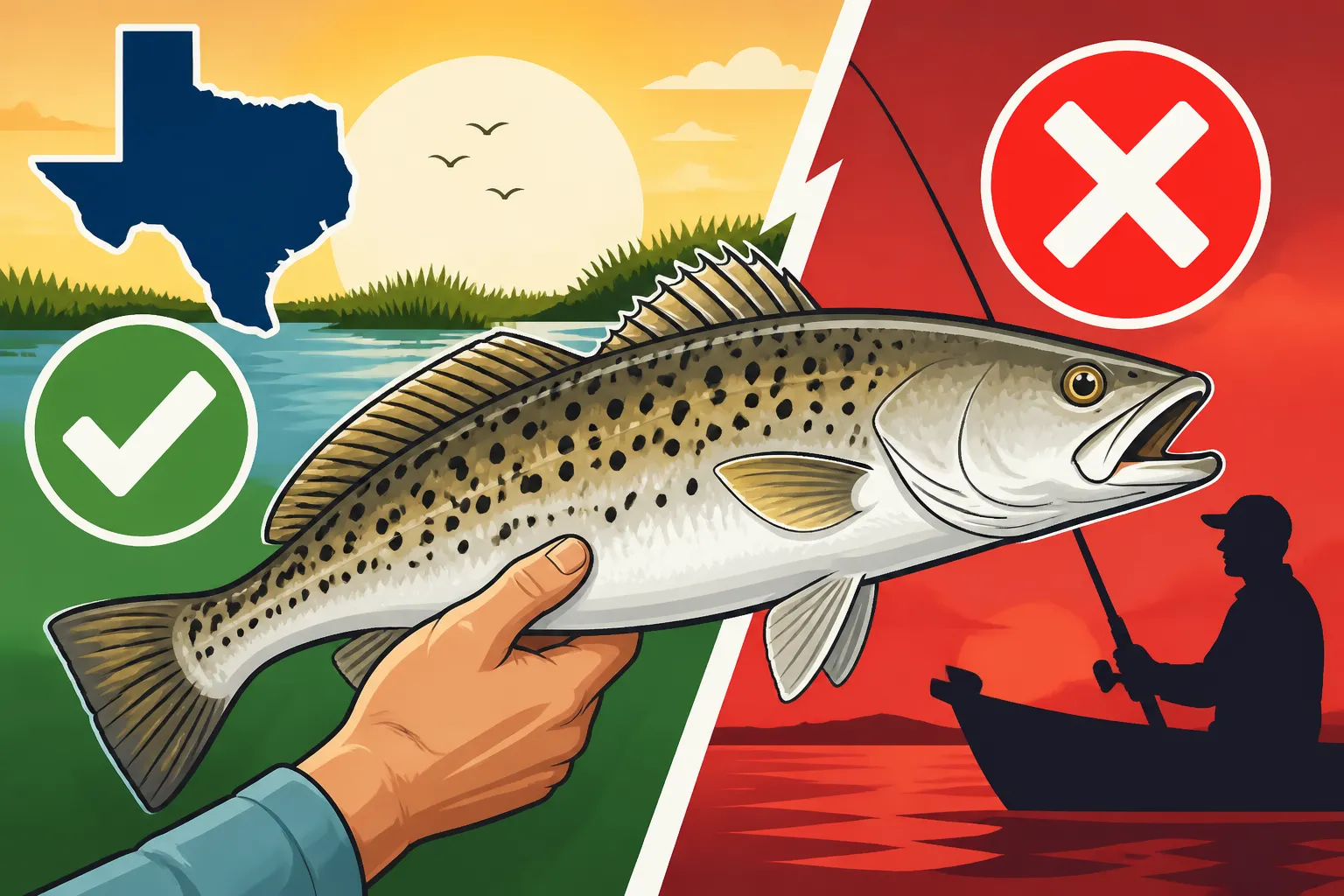
It’s a question that’s sparked more than a few debates at the boat ramp, especially when you’ve just landed what feels like the fish of a lifetime: "Can you actually keep a speckled trout over 25 inches in Texas?" The rules around speckled trout can feel a bit like a twisted knot of fishing line sometimes, with statewide regulations, special exceptions for certain bays, and the constant hum of conservation efforts in the background. If you're tired of guessing or getting conflicting advice, you've come to the right place. This guide is going to untangle all that, giving you the clear, comprehensive answer you need to fish confidently and legally for those beautiful Texas specks.
Decoding Texas Speckled Trout Regulations
Texas is a fantastic place to fish for speckled trout, but understanding the regulations is absolutely paramount. It’s not just about avoiding a hefty fine; it’s about doing your part to ensure future generations of anglers can enjoy the same incredible fishing experiences we do. The Texas Parks and Wildlife Department (TPWD) sets these rules with conservation in mind, balancing recreational opportunities with the health of our fisheries.
The General Statewide Slot and Bag Limits
For most of Texas's vast coastline, the regulations for speckled trout (or spotted seatrout, as they're officially known) are fairly straightforward. Anglers are generally allowed a daily bag limit of five fish. This means you can keep up to five speckled trout in a 24-hour period.
But here’s where the "slot limit" comes in, and it's a crucial detail. The statewide slot limit for speckled trout is between 15 and 25 inches. What exactly does this mean? It means that any speckled trout you keep must measure at least 15 inches long, but no more than 25 inches long. Think of it like a sweet spot – fish within this range are considered prime for harvest, having had a chance to spawn at least once, but not yet reaching the critical "trophy breeder" size. The idea behind this is to protect the smaller, juvenile fish that need more time to grow and reproduce, and also the largest, most prolific spawning females that are vital for sustaining the population. This helps maintain a healthy balance in the ecosystem.
The Special "One Fish Over 25 Inches" Exception
Now, to directly address that burning question: Yes, under the general statewide regulations, you can keep one speckled trout over 25 inches. This is often referred to as the "trophy fish" rule. So, if you've caught five speckled trout and they all fall within the 15-25 inch slot, you've hit your limit. However, if one of those five fish happens to be, say, a magnificent 28-inch gator trout, you are allowed to keep that single fish, even though it's outside the upper end of the slot.
This specific exception is a nod to the allure of catching a true trophy. TPWD understands that many anglers dream of landing a giant speckled trout, and this rule allows them to fulfill that dream while still maintaining a strong conservation framework. It's a privilege, though, not a right to keep multiple oversized fish. Just one, folks! Remember, this one oversized fish counts as part of your five-fish daily bag limit. So, if you keep a 28-inch trout, you can only keep four other fish that fall within the 15-25 inch slot. It’s all part of the overarching Texas Saltwater Fishing Regulations designed to ensure sustainable angling for everyone.
Critical Regional Exceptions and Special Regulations
Here's where things get a bit more complex, and it’s absolutely vital to pay attention, because the "one fish over 25 inches" rule does not apply everywhere along the Texas coast. There are significant regional exceptions, particularly in some of our most productive bay systems that experience high fishing pressure or have unique ecological considerations. Failing to know these can lead to serious legal trouble and, more importantly, undermine the conservation efforts in those areas.
Let's break down the major exceptions:
- Lower Laguna Madre: This unique and incredibly productive bay system, stretching from Port Mansfield south to Port Isabel, has a very strict regulation for speckled trout. In the Lower Laguna Madre, the daily bag limit is only one fish, and that single fish must be within a 15-20 inch slot. This means that in the Lower Laguna Madre, you absolutely cannot keep a speckled trout over 20 inches, let alone 25 inches. This area is a jewel of Texas fishing, and these tighter restrictions are in place to protect its delicate ecosystem and ensure the continued health of its renowned trout fishery.
- Upper Laguna Madre, Baffin Bay, and Corpus Christi Bay: This interconnected system, a truly iconic area for trophy trout, also operates under special regulations. Here, the daily bag limit is three fish, and they must be within a 17-23 inch slot. Similar to the Lower Laguna Madre, no speckled trout over 23 inches may be retained in these waters. This means that while you can keep three fish, none of them can be the prized 25-inch plus "gator trout" that anglers often target here. These rules were implemented after significant data showed the need for more stringent management to protect the larger, older, and highly reproductive speckled trout in these specific bays.
It is always, always your responsibility to know the specific regulations for the body of water you're fishing. Before you launch your boat or cast your line, make sure you've consulted the latest TPWD Outdoor Annual or the TPWD website for the specific rules for that particular bay or stretch of coastline. A quick check can save you a lot of headache and potential fines.
The Conservation Logic Behind Speckled Trout Limits
Understanding why these regulations exist helps put them into perspective and reinforces their importance. These aren't arbitrary rules; they're based on scientific research and a deep understanding of speckled trout biology and population dynamics.
Protecting the Spawning Stock
The core reason for slot limits and the careful management of oversized fish is to protect the breeding population. Smaller, younger speckled trout are allowed to grow to a size where they can spawn at least once, contributing to the next generation. The larger fish, especially those majestic trout over 25 inches, are often the most prolific spawners. These "broodstock" fish produce a disproportionately large number of eggs, and their genes are incredibly valuable to the fishery.
In areas like the Upper Laguna Madre and Baffin Bay, where the habitat and food sources can produce truly massive trout, TPWD recognized that harvesting too many of these large fish could significantly impact the overall health and reproductive capacity of the population. By implementing stricter slot limits and prohibiting the harvest of oversized fish in these specific areas, they aim to ensure that these valuable breeding females remain in the water to continue their crucial role in the ecosystem. This long-term thinking is what keeps our bay systems vibrant and full of fish. For a deeper dive into these specifics, you can check out the Texas Speckled Trout Bag Limits article.
Balancing Angler Opportunity and Fishery Health
The "one fish over 25 inches" rule in the general statewide regulations is a perfect example of TPWD's effort to balance angler desires with conservation needs. Anglers want the chance to catch and keep a trophy, a true "wall-hanger" to commemorate an exceptional day on the water. This rule allows for that aspiration without jeopardizing the overall health of the fishery.
By limiting it to just one, it acknowledges the biological importance of those larger fish while still offering a rewarding experience for those who put in the time and effort to catch a truly big one. It's a delicate balance, and these rules are constantly monitored and adjusted based on scientific surveys, angler catch rates, and environmental factors. For example, during unusually cold winters or prolonged droughts, regulations might be temporarily adjusted to further protect the fish population.
The Role of Reporting and Data Collection
While the ShareLunker program is more associated with largemouth bass, TPWD does collect extensive data on all game fish, including speckled trout. Every time a game warden checks your catch, they’re not just looking for compliance; they're also contributing to the data pool that helps biologists understand population health, average sizes, and angler harvest rates. This data is critical for making informed management decisions, including potential future adjustments to bag and size limits. Anglers are often the first to notice changes in fish populations, and responsible adherence to regulations provides accurate data that helps shape future conservation strategies.
Practical Tips for Targeting Trophy Speckled Trout
If you're dreaming of landing that legal oversized speckled trout, or even just a respectable slot fish, there are certain strategies and tools that can significantly increase your chances and ensure you're fishing responsibly.
Gear and Techniques for Larger Trout
Trophy speckled trout often require a slightly different approach than the smaller "schoolie" fish. They're usually older, wiser, and more wary.
- Rods and Reels: You'll want a medium-heavy spinning or baitcasting rod, typically 7 to 7.5 feet in length, that offers enough backbone to cast heavier lures and handle a powerful fish. Pair it with a reliable reel spooled with 15-20 lb braided line, tied to a 20-30 lb fluorocarbon leader. The braid offers sensitivity and strength, while the fluorocarbon provides stealth and abrasion resistance. Look for quality rods and reels on platforms like Amazon from brands like Shimano, Daiwa, or Ugly Stik. You might find some excellent options that are also great for redfish, as outlined in our guide on Best Saltwater Rods for Texas Redfish.
- Lures: Larger trout often respond well to larger baits. Topwater lures like a Heddon Super Spook or MirrOLure She Dog can be incredibly effective, especially during low light conditions or when fishing over shallow grass flats. Subsurface lures such as larger soft plastics (like a 5-inch K-Swim or a Down South Lure) rigged on a 1/8 to 1/4 oz jighead, or suspending twitchbaits like a MirrOdine, are also excellent choices. Live bait, such as free-lined finger mullet or shrimp, can be irresistible to a big trout, especially when they're being finicky.
- Techniques: Focus on areas with good current, baitfish activity, and structure (oyster reefs, grass lines, ledges). Big trout often ambush prey from cover. Work your lures with a steady retrieve, interspersed with twitches and pauses, mimicking a wounded baitfish. Early mornings, late evenings, and overcast days are often the best times to target these larger, more elusive fish. Our article on How to Catch Speckled Trout in Winter offers valuable insights, as large trout often become more accessible during colder months.
Proper Handling for Release or Retention
Whether you plan to keep your oversized trout (where legal) or release it, proper handling is critical for the fish’s survival and your compliance with regulations.
- Minimize Fight Time: Try to land the fish as quickly as possible without "horsing" it. Prolonged fights can exhaust a fish, making it less likely to survive if released.
- Use a Net: A rubberized landing net is ideal. It cradles the fish, preventing it from flopping on hard surfaces and removing its protective slime coat. Avoid gaffing a fish you might release.
- Measure Quickly and Accurately: If you're unsure if a fish meets the size requirements or if it’s your legal oversized fish, measure it immediately. Lay the fish flat on a measuring board with its mouth against the bump stop, and pinch the tail to get the total length. Many anglers carry a sturdy measuring device, often found on Amazon, to ensure accuracy. If it's too large for the slot in an area where no oversized fish are allowed, or if you already have your one oversized fish, get it back in the water as fast as possible.
- Support the Fish: If you need to take a photo, support the fish horizontally with two hands (one under the belly, one near the tail). Avoid holding it vertically by the mouth, as this can damage its jaw and internal organs.
- Release Safely: If releasing, gently place the fish back in the water, headfirst if possible, and allow it to swim away on its own power. Sometimes a little gentle "reviving" by moving it back and forth in the water can help if it's sluggish.
Essential Tools for Compliance
Staying on the right side of the law means having the right tools on hand:
- Measuring Device: A reliable, sturdy measuring board or tape is non-negotiable. Many are sold specifically for fishing and are marked with common slot limits. You can find excellent, durable options on Amazon.
- Fishing License: This should go without saying, but always have your valid Texas Fishing License Requirements Explained with you, along with the required saltwater endorsement if you're fishing bays and the Gulf. Remember, you can often carry your license digitally on your phone through the TPWD Outdoor Annual app, but a physical copy or printout is a good backup in case of phone issues.
- Current Regulations: Keep a copy of the current TPWD Outdoor Annual (digital or physical) with you. Rules can change, and ignorance is no excuse for a violation. This is especially true for areas with complex regulations like those mentioned for the Laguna Madre. The Do you need a saltwater endorsement to fish Texas bays? article provides more details on those specific requirements.
Consequences of Violating Speckled Trout Regulations
Nobody wants to deal with the unpleasant experience of getting a ticket or facing legal action, but more importantly, violating fishing regulations has a detrimental impact on the very resource we cherish.
Penalties for Exceeding Limits
Fishing without a valid license, possessing undersized or oversized fish beyond the legal allowance, or exceeding your daily bag limit are all violations of Texas law. The penalties can range from significant fines to the confiscation of your gear (including your boat and fishing equipment) and even loss of fishing privileges.
A typical fine for a fishing violation can be several hundred dollars, plus court costs. Repeated offenses or more severe violations can lead to higher fines and even jail time in extreme cases. Game wardens are diligent in their patrols of Texas waters, and they are trained to spot violations. They're not out there to ruin your day, but to enforce the laws that protect our valuable fisheries. It’s simply not worth the risk to disregard the regulations. Our guide on Texas Fishing License Cost for Residents and Nonresidents breaks down the fees you should be paying to avoid these penalties.
The Importance of Staying Updated
Regulations for all fish species in Texas, including speckled trout, are subject to change. TPWD biologists continually monitor fish populations, environmental conditions, and angler harvest data. If a specific population shows signs of stress, or if new scientific information becomes available, regulations can be modified. These changes are usually announced well in advance and are published in the annual TPWD Outdoor Annual, which is released each September.
Before each fishing season, or even before heading to a new fishing spot, make it a habit to quickly review the latest regulations for the specific area and species you intend to target. Websites like the official TPWD site, along with apps, make this easier than ever. Staying informed is the best way to ensure you're always fishing legally and responsibly, contributing to the health of our Texas fisheries for years to come. Even visitors should be aware of these rules, as detailed in our guide on Texas fishing license requirements for tourists.
Texas Speckled Trout Regulations Summary
To help you keep track of these important rules, here's a quick summary of the key regulations for speckled trout in Texas:
| Regulation Type | Statewide General Rule | Lower Laguna Madre Special Rule | Upper Laguna Madre/Baffin Bay/Corpus Christi Bay Special Rule |
|---|---|---|---|
| Daily Bag Limit | 5 fish | 1 fish | 3 fish |
| Minimum Length Limit | 15 inches | 15 inches | 17 inches |
| Maximum Length Limit | 25 inches (with one fish over 25 inches allowed) | 20 inches (no oversized fish allowed) | 23 inches (no oversized fish allowed) |
| Oversized Fish (>25") | One fish over 25 inches permitted (counts in bag limit) | NOT PERMITTED | NOT PERMITTED |
This table provides a concise overview, but always remember that the official TPWD Outdoor Annual is the final word on all regulations. Print it, download the app, or bookmark the page – just make sure you have access to the most current information when you're on the water.
Disclaimer
The information provided in this guide is for general informational purposes only and does not constitute legal advice. Fishing regulations in Texas are set by the Texas Parks and Wildlife Department (TPWD) and can change. While every effort has been made to ensure accuracy, it is the sole responsibility of each angler to consult the most current official TPWD Outdoor Annual and local proclamations before engaging in any fishing activity. Failure to do so may result in penalties.