What is the Texas record blue catfish
There's nothing quite like the dream of hooking into a truly monumental fish, the kind that becomes legend around campfires and inspires countless tales. For many anglers in the Lone Star State, that dream often revolves around the mighty blue catfish. These incredible freshwater giants prowl our lakes and rivers, growing to sizes that can frankly be astounding. The thought of catching one that could potentially make it into the record books is a thrilling, albeit challenging, aspiration. This guide is all about the incredible specimen that holds the current Texas state record for blue catfish and what it takes for a fish to earn such an esteemed title.
The Legendary Texas State Record Blue Catfish: A Testament to Giant Growth
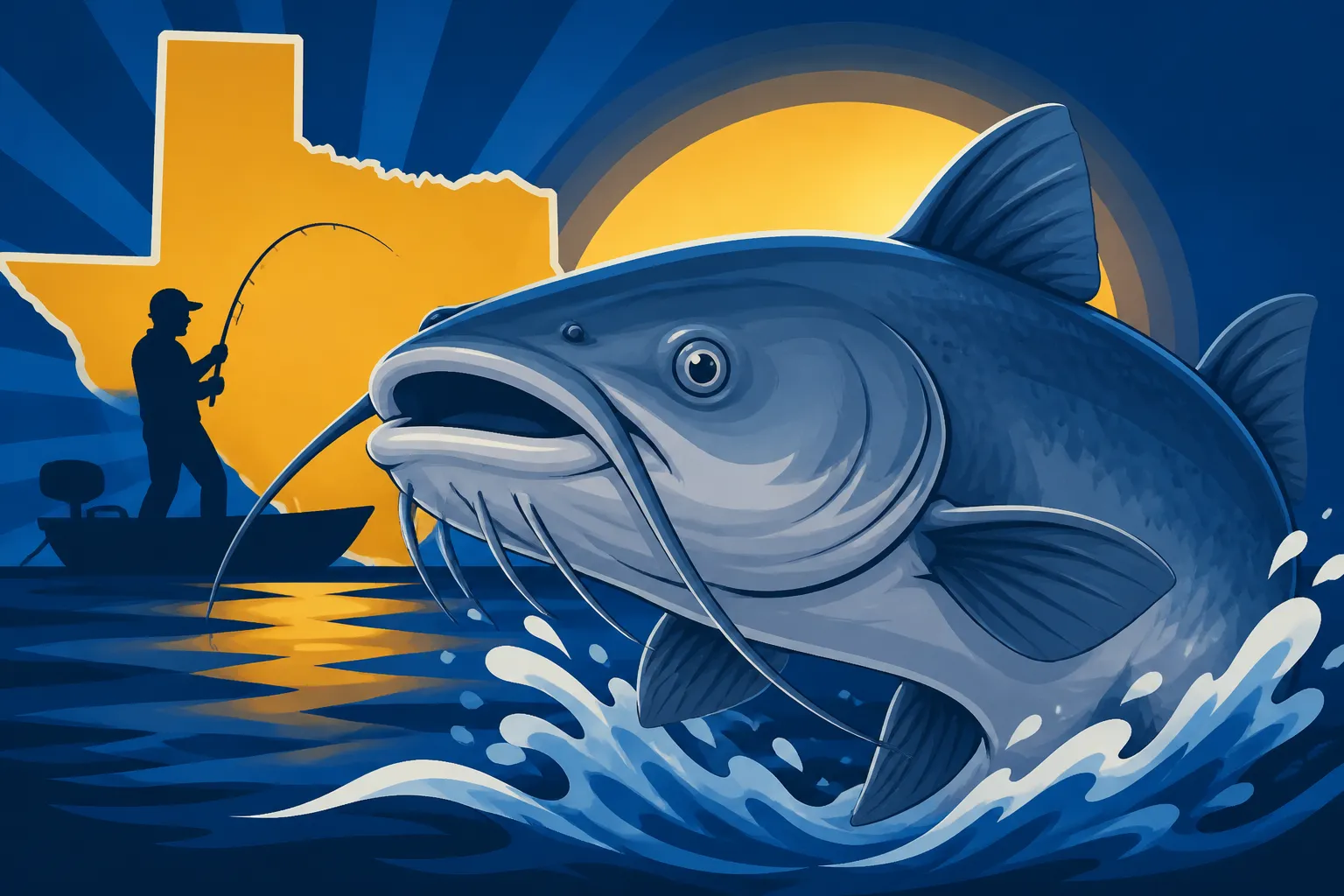
The Texas state record blue catfish stands as a testament to the incredible potential of these apex predators in our waters. Imagine a fish so massive, so heavy, that it takes multiple people to lift it, and a scale built for livestock to weigh it. That's the caliber of fish we're talking about when we discuss a state record blue cat. It's not just a big fish; it's a living, breathing leviathan that has eluded countless hooks and survived for decades in its aquatic domain. These records aren't broken often, a true sign of the rare combination of genetic potential, abundant food, and prime habitat required to produce such a behemoth.
The Story Behind the Monster Catch
Every state record fish has a story, a moment etched in time for the angler lucky enough to experience it. While the specific details of the Texas record often fade into legend over time, the essence remains the same: a grueling fight, often in the dead of night or the early hours of dawn, against a fish that simply refuses to give up. The battle itself can last for what feels like an eternity, testing an angler's strength, patience, and resolve. There's the initial shock of the bite, the powerful runs that strip line from the reel, and the sheer disbelief as the fish finally surfaces, revealing its immense size.
Securing such a fish is a monumental task, often requiring specialized techniques and a calm, clear head. It's rarely a solo endeavor; often, a fishing partner is crucial for netting, handling, and eventually, weighing a fish of this magnitude. The joy and exhaustion that follow are palpable, knowing that you've just wrestled with a piece of Texas angling history. It’s a moment that most anglers only dream of, and for the record holder, it became a reality that changed their fishing life forever.
The Waters that Grow Giants
Texas is blessed with an abundance of large reservoirs and river systems that provide the perfect habitat for blue catfish to thrive and reach colossal sizes. These fish prefer deep, open water areas with strong currents and plenty of forage fish. Lakes with vast expanses of deep water, submerged timber, and significant river feeder systems are prime candidates for growing record-breaking blue cats. These environments offer the stability, rich food sources, and protection from fishing pressure that allow a fish to live long enough to become truly massive.
It's often in these deep, dark pockets that the oldest and largest blue catfish reside, growing year after year on a diet of shad, carp, and other unfortunate inhabitants of the depths. Think about vast bodies of water with complex underwater structures and deep channels, especially those connected to major river systems. These are the nurseries for future record breakers, the places where blue catfish can grow without interruption for decades. Many of Texas's largest reservoirs are capable of producing these giants, making the chase for a personal best an exciting prospect across the state.
Understanding the Blue Catfish and its Remarkable Potential for Size
The blue catfish (Ictalurus furcatus) is truly an impressive species, holding the title as the largest North American freshwater game fish. Their sheer size potential is what makes them such a coveted catch for trophy anglers. If you're wondering how big these fish truly get in Texas, it’s safe to say they can reach weights well over 100 pounds, with the state record being a prime example of this incredible growth. Understanding what drives this growth helps us appreciate the magnitude of a record catch. For more detailed information, check out our Texas Blue Catfish Identification Guide.
Why Blue Catfish Grow to Such Enormous Proportions
Several key factors contribute to the blue catfish's ability to reach such immense sizes:
- Longevity: Blue catfish are long-lived fish, with individuals known to live for 20 years or more in optimal conditions. The longer a fish lives, the more time it has to grow. This extended lifespan is crucial for them to pack on the pounds year after year.
- Voracious Appetite and Diet: These fish are opportunistic and incredibly efficient predators. Their diet consists mainly of other fish, such as gizzard shad, threadfin shad, carp, and even smaller catfish. They also aren't shy about scavenging. A large blue catfish needs to consume a tremendous amount of protein, and Texas's fertile waters provide an abundant food supply. They are truly the vacuum cleaners of the deep, constantly foraging for their next meal.
- Habitat: Blue catfish thrive in large rivers and reservoirs with deep, expansive open water. These environments provide them with plenty of room to roam, deep thermal refuges, and ample hunting grounds. Strong currents in riverine systems also contribute to their muscular development.
- Genetic Potential: Like any species, some individual blue catfish simply have superior genetics that allow them to grow larger and faster than their peers. Combine these genetics with a perfect environment and a long lifespan, and you have the recipe for a record-breaking fish.
It's a delicate balance of nature, where the right fish finds itself in the right place at the right time, with favorable conditions lasting for many years. When all these elements align, the result is a true freshwater leviathan.
Identifying a Potential Record Breaker
Spotting a truly exceptional blue catfish isn't just about length, though that's certainly a factor. When anglers talk about a potential record breaker, they often focus on the fish's overall girth and body condition. A true monster blue cat will have a football-like shape, incredibly wide and thick, indicating years of abundant feeding. Its head might seem disproportionately small compared to its massive body, a common trait in very old, large fish.
Here’s what you might notice about a blue catfish that hints at record potential:
- Massive Girth: This is perhaps the most defining characteristic. A record blue cat doesn't just look long; it looks incredibly thick and deep-bodied, often resembling a submerged barrel more than a fish.
- Proportionally Small Head: While blue catfish naturally have smaller heads compared to other catfish species, a truly enormous one will emphasize this, making its body seem even more imposing.
- Coloration: Older, larger blue cats often have a deeper, more uniform slate-blue or silvery-blue color, sometimes with hints of gray or even dark olive. Their fins might be darker and more pronounced.
- Powerful Tail: The tail fin will be broad and deeply forked, indicative of the immense power these fish possess for navigating strong currents and fighting against capture.
For anglers looking to land a trophy, studying these characteristics can help distinguish a big fish from a truly giant one. Keep in mind that specific Texas Blue Catfish Length and Bag Limit regulations apply, regardless of size, so always be aware of the rules when targeting these magnificent creatures.
The Official Process of Certifying a Texas State Record Fish
Catching a potential state record blue catfish is just the first, albeit most exciting, step. The real work, in terms of official recognition, begins afterward. Texas Parks and Wildlife Department (TPWD) has a very specific and rigorous process for certifying state record fish, designed to ensure accuracy, fairness, and the integrity of the records. This isn't just a casual weigh-in at the local bait shop; it's a formal procedure that requires precision and adherence to strict rules.
Immediate Steps After a Potential Record Catch
The moments immediately following the capture of a potential record-breaking fish are critical. Every second counts, especially if you intend to release the fish after certification, which is often encouraged, though not always possible with truly massive specimens that might be too stressed.
Here’s what an angler needs to do:
- Keep the Fish Alive and Healthy: If possible, place the fish in a large livewell or an aerated container to keep it in the best possible condition. The health of the fish is paramount, especially if it's going to be released. This also allows for a more accurate weight, as a dead fish can lose fluids and weight over time.
- Locate a Certified Scale: This is non-negotiable. The fish must be weighed on a scale that has been certified by the Texas Department of Agriculture for commercial trade. This ensures the accuracy of the weight. Many fish markets, grocery stores, and marinas have such scales. It’s a good idea to know where the closest certified scales are located before you even head out fishing, especially if you’re seriously targeting trophy fish.
- Witnesses are Crucial: You'll need at least two witnesses (who are not immediate family members) to verify the catch, the weighing process, and the measurements. Their signatures will be required on the official record application.
- Accurate Measurements: While weight is king for state records, accurate length and girth measurements are also important for documentation. Measure from the tip of the jaw to the tip of the tail (total length) and around the largest part of the body (girth).
Failing to follow these initial steps correctly can unfortunately disqualify a potential record, no matter how big the fish truly was. It's an agonizing thought, but precision is key.
Official Verification and Documentation with TPWD
Once the initial steps are complete, the formal application process begins with TPWD. They are the governing authority for all state fishing records, and their scrutiny is thorough.
Here’s a breakdown of what that entails:
- Contact TPWD: Immediately notify TPWD of your potential record catch. They will guide you through the next steps and provide the necessary forms. You can usually find contact information on their official website or by calling their main offices.
- Complete the Official Application: This form will require detailed information about the angler, the catch, the witnesses, the location, the gear used, and the certified scale. Accuracy in filling out this form is vital.
- Photographic Evidence: High-quality photographs of the fish are essential. These photos should clearly show the fish, the angler, the weighing process on the certified scale, and sometimes even the measuring tape alongside the fish. Good lighting and clear focus are important here. The photos serve as undeniable proof of the catch.
- Fish Examination: In some cases, TPWD may require a biological examination of the fish to confirm its species, especially if there's any ambiguity (though blue catfish are generally distinct). This helps prevent misidentification.
- Review and Certification: TPWD staff will review all submitted documentation, photos, and witness statements. If everything checks out and meets their stringent criteria, they will officially certify the fish as a new state record. This process can take some time, so patience is a virtue.
The entire process, from hookset to certification, is a journey in itself, and successfully navigating it means not only catching a giant fish but also meticulously documenting it for posterity. It’s a proud moment for any angler, having their name forever etched in the annals of Texas fishing history. For more on general regulations, you might want to read Texas Fishing License Requirements Explained.
Chasing the Dream: Tips for Anglers Targeting Giant Blue Catfish in Texas
So, you've got the dream, and you know the record is out there. Now, how do you go about trying to catch a blue catfish of a lifetime in Texas? While breaking the state record is an incredibly rare feat, consistently catching large blue catfish is a more achievable goal with the right approach. It takes dedication, the right gear, and an understanding of their habits.
Essential Gear for Battling Monster Catfish
You can't bring a knife to a gunfight, and you certainly can't bring ultralight tackle to a monster blue cat battle. These fish are immensely powerful, and undergearing will almost certainly lead to heartbreak. Here's what you'll need:
- Heavy-Duty Rods: Look for stout, medium-heavy to heavy action rods, typically 7 to 10 feet long. These rods need backbone to handle the weight of the fish and absorb powerful runs. Fiberglass or composite rods are often preferred for their durability. You can find a great selection of these on Amazon, often with detailed reviews from other catfish anglers.
- Strong Reels: Pair your heavy rod with a robust baitcasting or conventional reel that has a smooth, powerful drag system and a high line capacity. Reels designed for saltwater applications often cross over well into heavy freshwater catfishing. A good quality reel is an investment, but it's essential when a fish of a lifetime is on the other end.
- Braided Line: This is a game-changer for big catfishing. Braided line, in the 50 to 100-pound test range, offers incredible strength, sensitivity, and a smaller diameter than monofilament. It cuts through the water better and stands up to abrasion. Always use a leader, typically a heavy fluorocarbon or monofilament, to absorb shock and protect your main line from sharp fins and teeth.
- Heavy Tackle:
- Hooks: Use strong, large circle hooks, generally sizes 8/0 to 12/0, depending on your bait. Circle hooks are fantastic for catfishing because they typically hook the fish in the corner of the mouth, reducing gut-hooking and making release easier.
- Weights: You'll need substantial sinkers, often 3 to 8 ounces or more, to hold your bait on the bottom in strong currents or deep water. No-roll sinkers or flat river sinkers are popular choices.
- Swivels and Leaders: Use high-quality, heavy-duty swivels and strong leader material to prevent twists and withstand the immense pressure.
Remember, the goal isn't just to hook the fish, but to land it. Investing in quality gear, which you can easily research and purchase on Amazon, is non-negotiable for serious trophy catfishing. For a broader look at what gear you might need, explore our guide on Beginner Fishing Gear Checklist for Texas.
Prime Locations and Proven Techniques
Texas offers a plethora of excellent blue catfish fisheries. While monster fish can pop up anywhere, some lakes and rivers are historically known for their giants.
- Top Texas Catfish Lakes: Lakes like Lake Tawakoni, Lake Texoma, Lake Livingston, and Richland Chambers Reservoir are renowned for their trophy blue catfish populations. These lakes often have vast stretches of deep water, abundant shad populations, and significant river systems feeding them. Each of these bodies of water has different characteristics, so researching your chosen spot is key.
- River Systems: The Trinity River and Brazos River also produce massive blue catfish, particularly in their lower reaches and where they flow into reservoirs. The constant current and varied structure make them ideal habitats.
- Techniques for Big Blues:
- Bottom Fishing with Cut Bait: This is the most popular and effective method. Blue catfish are scavengers and predators, so fresh cut bait, like shad, carp, or even larger bluegill, is incredibly appealing. Cut a fresh baitfish into chunks or fillets, and rig it on a Carolina rig or a slip-sinker rig.
- Deep Water & Structure: Focus your efforts on deep channels, humps, ledges, and submerged timber. Blue catfish often hold near these structures, especially during the day, where they can ambush prey or scavenge. Use your fish finder to locate schools of baitfish and any large marks indicative of bigger predators.
- Current Seams: In rivers or areas of reservoirs with current, blue catfish will often position themselves on the downstream side of structure or in current seams, waiting for food to be swept to them. These are prime ambush points.
- Night Fishing: While blues can be caught during the day, night fishing is often highly productive for larger specimens, especially in warmer months. They become more active hunters under the cover of darkness. Many anglers enjoy this peaceful yet exciting aspect of catfishing.
- Drift Fishing: This technique involves using the wind or current to slowly move your boat, dragging your baits across promising bottom structures. It allows you to cover a lot of water and present your bait naturally.
For more targeted advice on specific species and techniques, you can explore guides like How to Catch Catfish at Night in Texas, Best Catfish Bait for Texas Lakes, or How to catch blue catfish in Texas lakes. With persistence and the right strategy, your dream of catching a truly colossal Texas blue catfish might just become a reality.
| Feature | Texas State Record Blue Catfish | Typical Large Blue Catfish (50-70 lbs) | Average Blue Catfish (10-20 lbs) |
|---|---|---|---|
| Weight Range | Over 100 lbs (historical record) | 50 – 70 lbs | 10 – 20 lbs |
| Length | Over 50 inches | 40 – 50 inches | 25 – 35 inches |
| Girth | Exceptionally large, barrel-like | Significant, very broad | Moderate |
| Age | 20+ years | 10-15 years | 3-7 years |
| Diet Focus | Large baitfish, scavenged prey | Fish (shad, carp), crustaceans | Smaller fish, insects, worms |
| Habitat | Deep channels, large reservoirs | Deep holes, river bends, main lake | Varied, can be shallower |
| Rarity of Catch | Extremely Rare | Occasional for dedicated anglers | Common, popular game fish |
Disclaimer
This article is for general informational purposes only and does not constitute professional advice. Laws, prices and regulations vary by location and change over time. Consult a qualified professional for guidance on your specific situation.