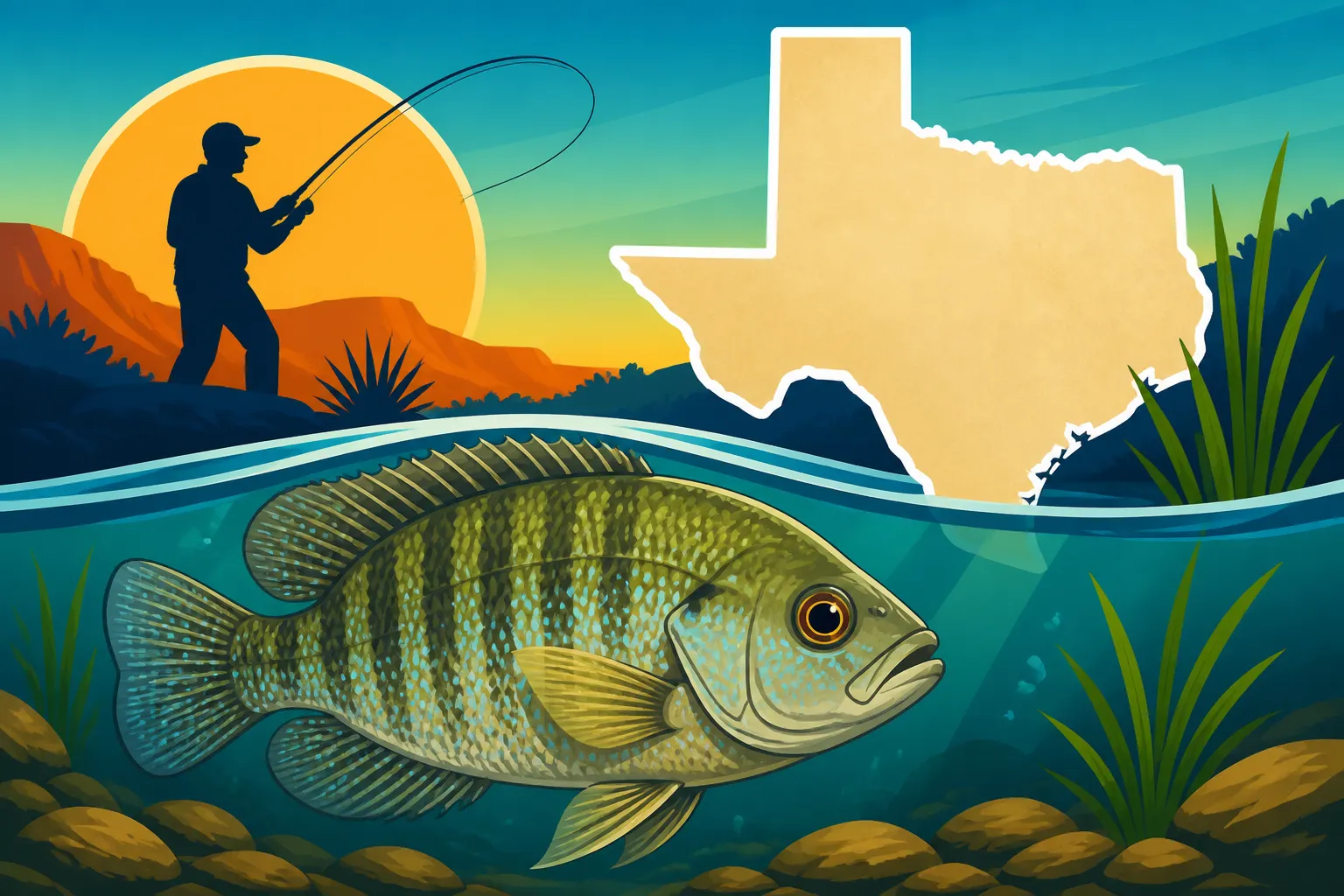
Rio Grande Cichlid Native Texas Fish
It's easy to overlook some of the truly unique fish swimming in our Texas waters, especially when they might look a little like more common, or even invasive, species. The Rio Grande Cichlid is one such fish – a beautiful, feisty native that often gets mistaken for its non-native cousins. This comprehensive guide will dive deep into everything you need to know about this fascinating fish, helping you identify it, find it, and even enjoy the thrill of catching one.
Understanding the Rio Grande Cichlid: A Texas Original
Many anglers, when they hear "cichlid," immediately think of aquarium fish or invasive species found in warmer waters. And while there are indeed numerous non-native cichlids that have made their way into some Texas waterways, the Rio Grande Cichlid (scientific name: Herichthys cyanoguttatus) is the real deal, a true Texan. It's the only cichlid species native to the United States, a point of pride for our state's rich aquatic biodiversity. Knowing its history and characteristics helps us appreciate this unique fish even more.
Unique Physical Characteristics
The Rio Grande Cichlid is a strikingly beautiful fish, though its colors can vary depending on its mood, habitat, and spawning status. Generally, they possess a somewhat compressed, oval body shape, typical of many cichlids. Their most distinctive feature is a pattern of iridescent blue-green spots that shimmer across their olive-brown to gray body, especially noticeable when light catches them just right. These spots are often more vibrant around the head and gill plates, giving them a jeweled appearance. During spawning season, the males, in particular, can display incredible color transformations, with their throats and fins taking on deep blues and purples, intensifying their spotted patterns to attract mates. They also have a distinctive mouth with thick lips, hinting at their bottom-feeding habits.
You might notice a dark spot or two on their sides, often a larger one in the middle of their flank and sometimes smaller ones along the lateral line. Their fins are usually dusky, often with a subtle blue or green tint. Unlike some other native species that might be mistaken for them, the Rio Grande Cichlid generally has a more robust, deeper body. While they don't grow to massive sizes, typically topping out around 8 to 12 inches, a large, brightly colored Rio Grande Cichlid is an impressive sight to behold. When you're out exploring for unique fish, pay close attention to these details.
Native Range and Historical Context
The clue to the Rio Grande Cichlid's native stomping grounds is right there in its name: the Rio Grande basin. Historically, their range extended from the lower Rio Grande system in Texas and northern Mexico, spreading into various tributaries and associated waters. They are perfectly adapted to the varied conditions of these river systems, from clearer spring-fed creeks to muddier, slower-moving stretches. Their presence is a testament to the long-standing ecological history of these waterways.
Over time, through human activities like reservoir construction and accidental or intentional releases, the Rio Grande Cichlid has expanded its range somewhat beyond its original basin. However, many populations outside of the Rio Grande drainage are considered introduced, though not necessarily invasive in the same problematic way as some other species. It's a fine line, but understanding their native roots helps us appreciate their place in our ecosystem. For instance, while you might find them in parts of the Edwards Plateau or some Central Texas rivers, their original stronghold remains the Rio Grande system and its connected waters, making them a true icon of that specific region's aquatic life.
Behavioral Traits and Breeding
Rio Grande Cichlids are fascinating fish to observe, displaying complex social behaviors. They are known for being quite territorial, especially during the breeding season. Both males and females participate in parental care, which is a hallmark trait of many cichlid species. They'll actively guard their nests, typically a shallow depression dug into the substrate, and fiercely defend their fry once they hatch. This parental dedication is truly a sight to see if you're ever lucky enough to witness it.
Their diet is quite varied, making them opportunistic feeders. They'll forage on insects, small crustaceans, snails, and even plant matter or algae. This adaptability allows them to thrive in diverse environments within their range. They're also quite hardy fish, capable of tolerating a wide range of water conditions, though they generally prefer warmer, clear to slightly turbid waters with plenty of cover, like rocks, submerged timber, or dense aquatic vegetation. Observing them in their natural habitat reveals a lot about their resilience and unique role in the ecosystem.
Where to Find Rio Grande Cichlids in Texas
If you're looking to encounter Texas's only native cichlid, knowing where they hang out is key. While their native range centers around the Rio Grande, they've established populations in other parts of the state. These fish are incredibly adaptable, making them a fun target for anglers willing to explore.
Preferred Habitats and Water Conditions
Rio Grande Cichlids are pretty flexible when it comes to their living arrangements, but they do have preferences. You'll often find them in slow-moving or still waters, especially areas with plenty of submerged structure for cover and spawning. Think rocky bottoms, undercut banks, dense weed beds, and even submerged root systems of cypress trees along riverbanks. They particularly love areas where they can dart in and out of cover, whether it's to ambush a meal or escape a predator.
They prefer water that isn't too cold, making them more prevalent in the southern and central parts of Texas. While they can tolerate some turbidity, you'll often find them thriving in clearer waters where they can easily spot prey and potential threats. Look for them in springs, creeks, small rivers, and even some stock tanks or small ponds that are fed by reliable water sources and have plenty of hidey-holes. They are not typically found in the fast-moving currents of larger, deeper rivers unless there are calm eddies or backwaters available.
Specific River Systems and Tributaries
The core of the Rio Grande Cichlid's native range is, of course, the Rio Grande itself and its many tributaries. South Texas anglers have a great chance of finding them in the lower stretches of the Rio Grande, as well as in feeder creeks and canals in that region. However, they've also established strong populations in Central Texas, particularly in systems connected to the Edwards Aquifer.
For example, the San Marcos River, the Comal River, and various stretches of the Guadalupe River are known to hold healthy populations. These spring-fed rivers offer consistent water temperatures and plenty of rocky cover that cichlids adore. You might also find them in smaller creeks like Onion Creek or Brushy Creek, especially where there are clear, slower-moving pools. When exploring these waters, remember that they're often found in conjunction with other native fish like the Guadalupe Bass Native Range in Texas, sharing similar habitat preferences for clear water and rocky structure. Always check local regulations before heading out, as rules can vary by water body.
Finding Them in Urban and Suburban Areas
One of the surprising aspects of the Rio Grande Cichlid's adaptability is their ability to thrive in urban and suburban environments. Many city parks and greenbelts in Central and South Texas have creeks and ponds that are home to these fish. These smaller, often overlooked waterways can be fantastic spots for a quick cichlid fishing adventure. The trick is to find those areas with natural cover and stable water conditions.
Look for them around bridge pilings, concrete structures that offer shade, and any rip-rap or rock formations along the banks. Even small culverts or drainage ditches that hold permanent water can surprise you with a population of these hardy fish. It's not uncommon to see them darting around the edges of public fishing ponds in San Antonio or Austin, particularly where vegetation or rocks offer refuge. Just because it's a city park doesn't mean it's devoid of interesting native wildlife, and the Rio Grande Cichlid is a prime example of urban biodiversity thriving against the odds.
Fishing for Rio Grande Cichlids
Catching a Rio Grande Cichlid can be a delightful experience. They're not huge, but they put up a surprisingly strong fight for their size, and their vibrant colors make them a rewarding catch. They're also an excellent target for light tackle enthusiasts, fly anglers, and even beginners.
Light Tackle and Presentation
When targeting Rio Grande Cichlids, lighter tackle is definitely the way to go. A light-action spinning rod or an ultralight setup will maximize the fun and allow you to feel every head shake and run these feisty fish make. Think about a rod in the 5 to 6-foot range, paired with a small spinning reel spooled with 4 to 6-pound test monofilament or fluorocarbon line. Braided line in a similar strength can also work, especially if you're dealing with vegetation. The sensitivity of lighter gear really makes the experience enjoyable.
Presentation is key, as these fish can sometimes be a bit skittish. You want to cast small baits or lures gently near cover—underneath overhanging branches, alongside rocks, or into pockets in weed beds. Let your bait sink naturally, or retrieve your lure with subtle twitches and pauses. Remember, they're often pecking at the bottom or cruising slowly, so a slow, deliberate retrieve is usually more effective than a fast, erratic one. If you're fishing a small jig, let it tap the bottom or slowly swim it through the water column. You don't need heavy gear to get their attention; finesse often wins the day.
Effective Baits and Lures
Rio Grande Cichlids are opportunistic omnivores, which means they're not too picky. For live bait, small pieces of earthworms, redworms, or even small grasshoppers can be incredibly effective. Just a tiny piece on a small hook (size 8 or 10 is usually perfect) is all you need. They also respond well to corn kernels, small pieces of bread, or even tiny chunks of hot dog, making them a great target for casual bank fishing with kids.
When it comes to artificial lures, think small and subtle. Tiny jigs (1/32 to 1/16 ounce) with soft plastic grub bodies in natural colors like green pumpkin, brown, or black can be deadly. Small inline spinners or tiny spoons can also entice a strike, especially if they mimic small insects or baitfish. Micro crankbaits that dive only a foot or two are another excellent option, particularly when fished near rocky structure. Even small fly patterns, like nymphs, wet flies, or tiny poppers, can be incredibly productive for fly anglers, offering a unique challenge to those practicing Fly Fishing Techniques for Texas Rivers. You can find a fantastic selection of these smaller baits and lures on platforms like Amazon, ensuring you're well-equipped for your next cichlid hunt.
Tips for Catching and Handling
Once you've hooked a Rio Grande Cichlid, be prepared for a spirited fight. They'll dart, dive, and pull with surprising strength for their size. Keep a steady pressure on the fish and try to steer it away from snags. Because they're not very big, it's generally easy to land them by hand or with a small net.
When handling them, be mindful of their dorsal fin spines, which can be sharp. A gentle grip around the body is usually sufficient. If you plan to release them (which is highly encouraged, especially for native populations), wet your hands before handling to protect their slime coat, and try to minimize their time out of the water. For those interested in keeping a few for the table, they are surprisingly good eating, with a firm, white flesh, though they are quite small. Always double-check Texas Fish Bag and Length Limits and specific Texas Freshwater Fishing Regulations for the body of water you're fishing to ensure you're in compliance.
Conservation and Management of Rio Grande Cichlids
As Texas's only native cichlid, the Rio Grande Cichlid holds a special place in our aquatic ecosystems. Understanding the challenges they face and the efforts to protect them is crucial for ensuring their continued presence in our waters.
Threats to Native Populations
While Rio Grande Cichlids are resilient, their native populations face several threats. Habitat degradation is a major concern, primarily due to urbanization, agricultural runoff, and water diversion projects that alter flow regimes and water quality. Pollution, ranging from pesticides to everyday litter, can also harm cichlid populations and their food sources. The introduction of non-native fish species is another significant threat. Invasive cichlids, for example, can compete with native Rio Grande Cichlids for food and spawning sites, potentially outcompeting them in certain areas. Predation from non-native species or even native fish populations that are out of balance can also take a toll.
Another subtle but serious threat is hybridization with introduced cichlids. If different cichlid species are able to interbreed, it can dilute the genetic purity of the native Rio Grande Cichlid, weakening their adaptability over generations. Climate change, leading to more extreme droughts and floods, can also impact their habitats and reproductive success. It's a complex web of challenges that requires ongoing vigilance and management.
Conservation Efforts and Initiatives
Thankfully, there are various efforts underway to protect and conserve the Rio Grande Cichlid. State agencies, like the Texas Parks and Wildlife Department (TPWD), monitor populations and work to preserve their habitats. This includes identifying critical habitats, managing water resources to maintain healthy flows, and implementing regulations that protect fish and their environments. Community groups and environmental organizations also play a vital role, often engaging in river cleanups, habitat restoration projects, and public education campaigns.
Restoration efforts might involve planting native vegetation along river banks to stabilize soil and filter runoff, or strategically placing rocks and submerged structures to create more cover and spawning sites. Public awareness is incredibly important; informing anglers and the general public about the importance of native species and the dangers of introducing non-native fish helps to prevent further ecological damage. Anglers themselves can be key allies by practicing catch-and-release, especially for larger breeding individuals, and by properly disposing of fishing line and trash. Learning more about Texas Fishing License Requirements Explained and what those license fees support helps you understand how your participation contributes to these efforts.
Regulations and Ethical Angling
When fishing for Rio Grande Cichlids, it's essential to be aware of and abide by current fishing regulations. While they are often considered a "panfish" species with generally liberal limits, specific rules can apply to certain bodies of water or during particular times of the year, especially if local populations are of concern. Always consult the official TPWD outdoor annual for the most up-to-date information on bag limits, length limits, and any special provisions for the water you intend to fish.
Ethical angling practices are also crucial. This includes using appropriate gear that doesn't overstress the fish, handling them carefully for release, and never introducing any non-native species into a body of water. Disposing of live bait responsibly and cleaning your gear between different fishing locations can help prevent the spread of invasive species or diseases. Education is a powerful tool here; understanding that your actions, however small, can have a cumulative impact on Texas's precious native fish populations helps foster a sense of stewardship. A good Beginner Fishing Gear Checklist for Texas will include all the essentials for ethical angling.
Ecological Role and Impact in Texas Waters
Every species plays a role in its ecosystem, and the Rio Grande Cichlid is no exception. Understanding its ecological niche helps us appreciate its importance and the potential consequences when that balance is disturbed.
Role in the Food Web
In its native habitats, the Rio Grande Cichlid occupies a vital position in the food web. As an omnivore, it feeds on a variety of smaller organisms, including aquatic insects, insect larvae, small crustaceans, snails, and even algae and detritus. This diverse diet makes it an important consumer, helping to control insect populations and process organic matter. By consuming these organisms, the cichlid converts that energy into its own biomass, making it a food source for larger predators.
Larger fish, such as bass and catfish, as well as wading birds like herons and egrets, and even mammals like raccoons, will prey on Rio Grande Cichlids, especially the juveniles. Therefore, a healthy population of Rio Grande Cichlids contributes to the overall health and stability of the aquatic food web, providing a crucial link between lower trophic levels and higher predators. Their presence indicates a certain level of ecological health within a given water system.
Competition with Invasive Cichlids
The story gets a bit more complicated when you consider the impact of introduced cichlid species. Texas waters, particularly in the warmer southern and central regions, are home to several non-native cichlids that have escaped or been released from aquariums or aquaculture operations. Species like Tilapia (which encompasses several different cichlid species) and African spotted cichlids are common examples. These invasive species often compete directly with the native Rio Grande Cichlid for food, territory, and spawning sites.
Invasive cichlids can reproduce rapidly, often outcompeting the slower-growing native species. They can also alter the habitat by excessive schooling or foraging, impacting other native fish and aquatic plants. This competition can put significant pressure on Rio Grande Cichlid populations, reducing their numbers in areas where invasives become dominant. It's a stark reminder of why we emphasize not releasing aquarium fish into the wild. The balance of an ecosystem is delicate, and even a single non-native introduction can have unforeseen and long-lasting consequences.
Indicator Species for Water Quality
Like many sensitive aquatic species, the Rio Grande Cichlid can serve as an indicator of water quality and ecosystem health. While they are quite hardy, thriving populations often correlate with good water quality, stable temperatures, and abundant habitat. A decline in their numbers in historically strongholds could signal environmental issues such as increased pollution, habitat degradation, or changes in water flow.
When environmental scientists monitor a river or creek system, the presence and health of native fish like the Rio Grande Cichlid can provide valuable clues about the overall condition of that aquatic environment. Their resilience means that if they are struggling, other, more sensitive native species are likely already in serious trouble. Therefore, the simple act of observing or fishing for these native cichlids can connect us to the broader ecological narrative of our Texas waterways.
Distinguishing Rio Grande Cichlids from Other Species
One of the biggest challenges for anglers and naturalists is correctly identifying the Rio Grande Cichlid, especially given the presence of numerous non-native cichlids in Texas. Knowing the key differences is crucial for conservation and for proper identification.
Key ID Features: Rio Grande Cichlid
To confidently identify a Rio Grande Cichlid, focus on a few key characteristics. Firstly, look for the iridescent blue-green spots that cover their body, particularly prominent on the head and gill plates. These spots are usually distinct against a base color that ranges from olive-brown to grayish. They typically have a more robust, deep body shape compared to some other slender species.
Another important feature is the dark spot or blotch, usually quite distinct, located on the center of their flank. While other cichlids might have blotches, the combination of blue-green spots and this central blotch is a strong indicator. During breeding, males will develop a nuchal hump (a fatty lump on their forehead) and display intense blue and purple coloration. Their mouth is somewhat small and thick-lipped, indicating a diet of smaller invertebrates and plant matter from the substrate. Pay attention to the overall pattern and color intensity; a truly vibrant Rio Grande Cichlid is unmistakable.
Common Look-Alikes: Invasive Cichlids
Several invasive cichlid species can be confused with the native Rio Grande Cichlid. The most common culprits are various species of Tilapia, such as Mozambique Tilapia, Blue Tilapia, and Nile Tilapia. These fish are generally introduced for aquaculture or as bait, but they readily establish wild populations. Tilapia often have more subdued, silvery, or brownish coloration, lacking the vibrant blue-green spots of the Rio Grande Cichlid. They might have bars or blotches, but usually not the distinct spotting pattern. Their body shape can also be different, often more elongated or deeper-bodied depending on the species.
Another potential look-alike is the African Spotted Tilapia (also a cichlid, but not a true Tilapia in the Oreochromis genus). These fish do have spots, but they are typically black and less iridescent, often appearing more like dark freckles rather than shimmering jewels. The pattern is different, and their overall body shape can be more elongated. It's critical to note these differences because, unlike the native Rio Grande Cichlid, these invasive species can be detrimental to our local ecosystems. If you're unsure, it's always best to err on the side of caution or consult a local expert.
Here's a quick comparison table to help differentiate:
| Feature | Rio Grande Cichlid (Native) | Common Invasive Cichlids (e.g., Tilapia, African Spotted) |
|---|---|---|
| Primary Coloration | Olive-brown to gray base | Often silvery, brownish, or dull gray |
| Spotting Pattern | Distinct iridescent blue-green spots all over body & head | Spots, if present, are usually black, dull, or bar-like; less iridescent |
| Body Shape | Robust, somewhat compressed oval | Varies; can be more elongated or very deep-bodied |
| Breeding Colors (Male) | Intense blue/purple on throat/fins, prominent nuchal hump | Often darker, reddish, or less defined color changes |
| Mouth | Thicker lips | Varies, often thinner lips |
| Behavior | Parental care, territorial | Varies, some mouthbrooders, rapid reproduction |
| Ecological Impact | Native, balanced role in food web | Often outcompete natives, alter habitat |
Reporting Suspected Invasive Species
If you believe you've caught an invasive cichlid, or any other non-native species that could pose a threat, it's important to report it. The Texas Parks and Wildlife Department encourages anglers to report sightings of exotic species. This information helps them track the spread of invasives and implement management strategies. Take clear photos of the fish, note the exact location (GPS coordinates if possible), and the date. You can usually submit these reports through the TPWD website or by contacting your local game warden.
Never release an invasive fish back into the water, and absolutely never release an aquarium fish into any natural waterway. It's a simple act that can have devastating consequences for Texas's native species and the delicate balance of our aquatic environments. Being informed and responsible is part of being a true Texan angler. You can often find additional information on various fish species, both native and invasive, by exploring resources like Amazon for field guides specific to Texas fish.
Disclaimer
This article is for general informational purposes only and does not constitute professional advice. Laws, prices and regulations vary by location and change over time. Consult a qualified professional for guidance on your specific situation.